


Medical Disclaimer: This content is for educational purposes only. It is not medical advice. Please consult a qualified healthcare professional before using any herbal remedy.
Safety Overview
1.Hemlock Spruce — Introduction & Highlights
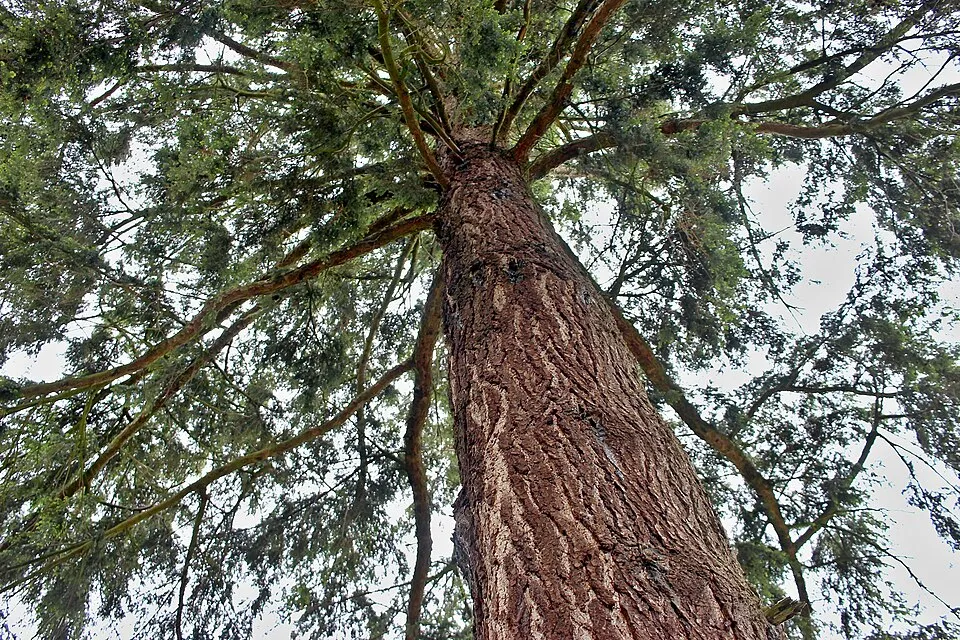
The Hemlock Spruce, scientifically known as Tsuga canadensis, is a majestic, long-lived evergreen conifer native to the cool, moist forests of eastern North America. It commonly attains heights of 40–70 feet (12–21 meters), with some specimens reaching over 100 feet. This impressive tree is characterized by its delicate, flat needles, which are typically 0.5 to 1.5 inches (1.2–3.8 cm) long. These needles are arranged spirally on the twig but appear to be in two rows due to a slight twist at the base, presenting a dark green, glossy upper surface and a distinctive silvery-white underside marked by two prominent stomatal bands.
Its small, ovoid to cylindrical cones, usually 1–3 inches (2.5–7.5 cm) in length, mature to a light brown in the autumn and persist through winter. The bark of Tsuga canadensis is a significant feature; it is initially thin and reddish-brown, becoming deeply furrowed, scaly, and purplish-brown with age, often with internal layers showing a reddish hue. The root system is shallow and spreading, making it susceptible to windthrow but also efficient at capturing surface moisture. Preferring acidic, well-drained soils and thriving in shaded, humid environments, Hemlock Spruce is a foundational species in its ecosystem, particularly in the Appalachian Mountains and northeastern United States and Canada.
It forms dense, dark forests, often co-occurring with hardwoods like maples and birches, and plays a crucial role in regulating stream temperatures and providing vital habitat and shelter for various wildlife, including deer, birds, and small mammals. Taxonomically, it belongs to the Pinaceae family, a diverse group of conifers that includes pines, spruces, and firs. Historically, Indigenous peoples utilized Tsuga canadensis for various purposes, including medicinal applications, dyes from the bark, and construction materials. It's imperative to distinguish Hemlock Spruce (Tsuga canadensis) from the highly toxic water hemlock (Cicuta spp.), which is a herbaceous plant and not a tree, as their common names can lead to dangerous confusion.
Trusted Scientific References
1. Authoritative external sources for Tsuga canadensis
1.1 Wikipedia — Tsuga canadensis
1.2 Kew POWO (Plants of the World Online)
1.3 PubMed — peer-reviewed research
1.4 NCBI Taxonomy Browser
1.5 GBIF — Global Biodiversity
1.1.Hemlock Spruce — Key Features
- ✓Evergreen Conifer — Maintains foliage year-round.
- ✓Native to Eastern North America — Indigenous to Appalachian and northeastern regions.
- ✓Flat, Short Needles — Distinctive dark green above, silvery-white below.
- ✓Small Ovoid Cones — Typically 1-3 inches long, maturing brown.
- ✓Shade Tolerant — Thrives in cool, moist, shaded environments.
- ✓Traditional Medicinal Use — Historically valued by Indigenous peoples.
- ✓Source of Essential Oil — Rich in beneficial terpenoids.
- ✓Anti — inflammatory Properties — Traditionally used for pain and swelling.
- ✓Respiratory Support — Used for coughs, colds, and bronchitis.
- ✓Ecological Keystone Species — Provides habitat and stabilizes ecosystems.
- ✓Susceptible to Hemlock Woolly Adelgid — A significant pest threat.
- ✓Bark for Dyes and Tanning — Historically used for practical applications.
- ✓Distinct from Water Hemlock — Crucial safety distinction from a highly toxic plant.
- ✓Slow Growing, Long — Lived — Can live for hundreds of years.
- ✓Ornamental Value — Popular in landscaping for its graceful form.
1.2.Hemlock Spruce — Snapshot Summary
- ✓Hemlock Spruce (Tsuga canadensis) is an evergreen conifer native to eastern North America, distinct from toxic water hemlock.
- ✓Traditionally used for respiratory support, anti-inflammatory effects, pain relief, and immune modulation.
- ✓Rich in essential oils (terpenoids), flavonoids, and phenolic acids, contributing to its bioactive properties.
- ✓Primary traditional uses include addressing coughs, colds, bronchitis, muscle/nerve pain, and arthritis.
- ✓Available in forms like essential oil, herbal tea, and topical preparations, but internal use requires caution.
- ✓Key safety warnings include avoiding during pregnancy/breast-feeding, with asthma/whooping cough, and on broken skin.
- ✓Always distinguish from the poisonous water hemlock and consult a healthcare professional before use.
2.Hemlock Spruce — Scientific Profile
3.Hemlock Spruce — Quick Facts
4.Hemlock Spruce — Plant Morphology
5.Hemlock Spruce — Geographic Distribution
6.Hemlock Spruce — Cultural & Traditional Roles
7.Hemlock Spruce — Bioactive Constituents
- ✓Terpenoids — Tsuga canadensis is rich in monoterpenes and sesquiterpenes, particularly in its essential oil. Key compounds include alpha-pinene, bornyl acetate, camphene, limonene, and delta-3-carene. These compounds are responsible for the characteristic aroma and contribute to anti-inflammatory, antimicrobial, expectorant, and analgesic activities.
- ✓Flavonoids — The plant contains various flavonoids such as quercetin, kaempferol, and their glycosides. These potent antioxidants help protect cells from oxidative damage, exhibit anti-inflammatory effects, and may support cardiovascular health.
- ✓Phenolic Acids — Derivatives of phenolic acids, including caffeic acid and ferulic acid, are present. These compounds possess significant antioxidant and anti-inflammatory properties, contributing to the plant's protective and soothing effects.
- ✓Lignans — Tsuga canadensis bark and wood contain lignans, such as coniferin. Lignans are phytoestrogens and antioxidants, which may have roles in immune modulation and cellular health.
- ✓Tannins — Condensed tannins (proanthocyanidins) are found in the bark. These compounds are astringent, contributing to antimicrobial and anti-inflammatory actions, and can aid in wound healing and digestive health by tightening tissues.
- ✓Resin Acids — The oleoresin contains various diterpenoid resin acids, including abietic acid. These acids are known for their antimicrobial, anti-inflammatory, and wound-healing properties, often found in conifer resins.
- ✓Sterols — Plant sterols like beta-sitosterol are present, which are known for their cholesterol-lowering effects and anti-inflammatory properties, playing a role in cellular membrane stability.
- ✓Alkaloids — While not a primary constituent, some minor alkaloidal compounds may be present, though their specific pharmacological roles in Tsuga canadensis are less defined compared to other plant families.
- ✓Polysaccharides — The plant contains various structural and storage polysaccharides, which can have immunomodulatory effects, supporting general immune function and gut health.
- ✓Fatty Acids — Lipids within the plant contain essential fatty acids and their derivatives, which are crucial for cellular integrity and can have anti-inflammatory roles.
8.Hemlock Spruce — Research Insights
- ✓Respiratory Support — Traditionally, Hemlock Spruce has been employed for its expectorant qualities, believed to aid in clearing respiratory passages and soothing coughs associated with conditions like the common cold and bronchitis. Its volatile compounds may contribute to mucolytic effects, helping to loosen and expel phlegm.
- ✓Anti-inflammatory Properties — The plant is traditionally cited for its anti-inflammatory actions, which could be beneficial in reducing swelling and pain, particularly in conditions like arthritis and general muscle discomfort. This effect is often attributed to the presence of terpenoids and phenolic compounds.
- ✓Pain Relief — Native American traditions utilized Hemlock Spruce for its analgesic properties, applying preparations topically to alleviate muscle and nerve pain. The essential oil components may interact with pain receptors or reduce localized inflammation.
- ✓Immune System Modulation — Some traditional uses suggest Hemlock Spruce supports immune function, possibly by providing antioxidant compounds that protect cells from oxidative stress and enhance overall cellular resilience. This may contribute to its use during colds and fevers.
- ✓Antimicrobial Activity — Research hints at the presence of compounds within Tsuga canadensis that exhibit antibacterial properties. This traditional insight suggests its potential role in fighting certain bacterial infections, though more specific studies are needed.
- ✓Oral and Throat Health — Preparations from Hemlock Spruce have been used traditionally to address inflammation of the mouth and throat. Its astringent and potentially antiseptic qualities might help soothe irritated mucous membranes and reduce microbial load.
- ✓Arthritis Management — Applied externally or consumed as an infusion, Hemlock Spruce was historically used to ease the symptoms of arthritis, targeting both the pain and inflammation associated with joint conditions. Its anti-inflammatory constituents are thought to be key here.
- ✓Muscle Tension and Spasms — Topical applications, especially essential oil dilutions or poultices, have been traditionally used to relieve muscle tension and spasms, promoting relaxation in affected areas. This is likely due to the localized circulatory enhancement and warming effect.
- ✓Improved Circulation — Hemlock Spruce preparations, particularly in bath additives, were used to stimulate circulation, which can aid in detoxification and enhance nutrient delivery to tissues. This effect is often associated with the volatile oils.
- ✓Fever Reduction — Indigenous practices included the use of Hemlock Spruce to help reduce fevers, possibly through diaphoretic (sweat-inducing) actions or general immune support that assists the body in combating underlying infections.
- ✓Tuberculosis Support — Historically, it was noted for use in supporting individuals with tuberculosis, though this would have been a symptomatic relief rather than a cure, likely focusing on respiratory comfort and general vitality. Modern medicine has specific treatments for TB.
- ✓General Wellness Tonic — Beyond specific ailments, Hemlock Spruce was regarded as a general tonic, contributing to overall well-being and vitality, a common characteristic of adaptogenic-like herbs in traditional systems that support systemic balance.
8.1.Hemlock Spruce — Reported Uses
9.Hemlock Spruce — Precautions & Warnings
9.1.Hemlock Spruce — Reported Side Effects
- ✓Skin Irritation — Direct application of undiluted Hemlock Spruce essential oil can cause skin sensitivity, redness, or allergic reactions in some individuals.
- ✓Respiratory Exacerbation — There is concern that internal or inhaled use of Hemlock Spruce may worsen conditions like asthma or whooping cough due to its volatile compounds.
- ✓Gastrointestinal Upset — Ingesting large quantities of Hemlock Spruce preparations, particularly bark or concentrated extracts, may lead to stomach upset, nausea, or vomiting.
- ✓Allergic Reactions — Individuals sensitive to conifers or other plants in the Pinaceae family may experience allergic reactions, including skin rash, itching, or respiratory distress.
- ✓Cardiac Concerns — Theoretical concerns exist that Hemlock Spruce might exacerbate pre-existing heart problems, though specific mechanisms are not well-documented.
- ✓Interaction with Medications — Hemlock Spruce may interact with certain medications, particularly those affecting blood clotting, blood pressure, or liver metabolism, due to its bioactive compounds.
- ✓Photosensitivity — Some individuals might experience increased skin sensitivity to sunlight after topical application, though this is less common with Tsuga canadensis than with other essential oils.
- ✓Systemic Toxicity (High Doses) — While generally considered low toxicity, extremely high internal doses of any plant material can lead to systemic adverse effects, emphasizing the importance of proper dosing.
9.2.Hemlock Spruce — Safety Profile
- ✓NOT Water Hemlock — It is absolutely critical to distinguish Hemlock Spruce (Tsuga canadensis) from the highly toxic Water Hemlock (Cicuta species). Water Hemlock is a herbaceous plant, not a tree, and is extremely poisonous; ingestion can be fatal.
- ✓Pregnancy and Breast-feeding — Avoid use during pregnancy and breast-feeding due to insufficient safety data and potential effects of volatile compounds on fetal development or infant health.
- ✓Asthma and Whooping Cough — Individuals with asthma or whooping cough should avoid using Hemlock Spruce, as it may exacerbate these respiratory conditions.
- ✓Broken Skin — Do not apply Hemlock Spruce essential oil or other topical preparations to broken, irritated, or compromised skin, as it may cause irritation or systemic absorption.
- ✓Heart Conditions — Individuals with pre-existing heart problems should exercise caution and avoid use, as there is a theoretical concern that it might worsen cardiac conditions.
- ✓Children and Infants — Due to a lack of safety data, Hemlock Spruce products should not be used on infants or young children without explicit medical advice.
- ✓Internal Use Caution — Internal use of Hemlock Spruce preparations should only be undertaken under the guidance of a qualified healthcare professional, due to potential gastrointestinal upset and systemic effects.
- ✓Allergic Sensitivity — Perform a patch test before topical application to check for allergic reactions, especially for individuals with known sensitivities to conifer resins or essential oils.
- ✓Professional Consultation — Always consult a healthcare professional, especially a medical herbalist, before incorporating Hemlock Spruce into a therapeutic regimen, particularly if you have underlying health conditions or are taking medications.
10.Hemlock Spruce — Application Forms
- ✓Essential Oil Diffusion — Add a few drops of pure Hemlock Spruce essential oil to an ultrasonic diffuser to purify the air, promote respiratory comfort, and create a calming atmosphere.
- ✓Topical Application (Diluted) — Dilute Hemlock Spruce essential oil with a carrier oil (e.g., jojoba, almond) at a 1-5% concentration and apply to muscles, joints, or the chest for pain relief, anti-inflammatory effects, or respiratory support. Always perform a patch test.
- ✓Herbal Tea/Infusion — Prepare a tea by steeping fresh or dried needles (1-2 teaspoons per cup of hot water) for 10-15 minutes. This infusion has been traditionally used for respiratory issues and as a general tonic. Strain before consuming.
- ✓Decoction (Bark) — For a stronger preparation, simmer small pieces of dried bark in water for 20-30 minutes. This decoction can be used for its astringent properties, either internally (in small, diluted amounts) or topically as a wash.
- ✓Steam Inhalation — Add a few drops of Hemlock Spruce essential oil to a bowl of hot water, cover your head with a towel, and inhale the steam to help clear congested airways and soothe coughs. Keep eyes closed.
- ✓Poultice (Crushed Needles/Bark) — Crush fresh needles or powdered bark with a small amount of water to form a paste. Apply directly to the skin for muscle aches, joint pain, or minor skin irritations. Cover with a clean cloth.
- ✓Herbal Bath — Add a few drops of essential oil (pre-mixed with a dispersant like Epsom salts or a carrier oil) or a strong decoction of needles/bark to bathwater for a relaxing and invigorating soak, beneficial for muscle soreness and circulation.
- ✓Tincture — Prepare an alcohol-based tincture from fresh needles or bark. This concentrated extract can be taken internally in small, diluted doses under professional guidance for systemic benefits.
- ✓Resin/Sap Application — Traditionally, the resin or sap collected from the tree was applied directly to wounds or skin ailments for its antiseptic and healing properties. Use with caution due to potential skin irritation.
11.Hemlock Spruce — Propagation & Care
- ✓Site Selection — Choose a location with partial to full shade, especially in warmer climates, as Tsuga canadensis prefers cool, moist conditions.
- ✓Soil Requirements — Thrives in acidic (pH 4.5-6.0), well-drained, fertile, and consistently moist soils; avoid heavy clay or excessively dry conditions.
- ✓Watering — Requires regular and consistent watering, particularly during dry spells and in its establishment phase; do not allow the soil to dry out completely.
- ✓Planting — Plant in spring or early fall. Dig a hole twice as wide as the root ball and just as deep, ensuring the root collar is level with the soil surface.
- ✓Mulching — Apply a 2-4 inch layer of organic mulch (e.g., pine needles, bark chips) around the base to retain soil moisture, regulate temperature, and suppress weeds.
- ✓Fertilization — Fertilize sparingly, if at all, especially in rich soils. A slow-release, acid-loving plant fertilizer can be applied in spring if growth is poor.
- ✓Pruning — Minimal pruning is needed. Remove dead, diseased, or crossing branches. Can be pruned for shape or size, but avoid heavy pruning into old wood.
- ✓Pest Management — Monitor for hemlock woolly adelgid (HWA), a significant invasive pest. Integrated pest management strategies, including systemic insecticides or biological controls, may be necessary.
- ✓Propagation — Can be propagated from seeds, which require cold stratification, or from cuttings, though rooting can be challenging and slow.
- ✓Climate — Best suited for USDA Hardiness Zones 3-7, tolerating cold winters and moderate summers.
Reviewed by the Flora Medical Global Botanical Review Panel
Multi-disciplinary editorial group · Botany · Ethnobotany · Herbal-medicine literature
Who reviewed this: This page was checked by the Flora Medical Global Botanical Review Panel — an in-house editorial group of botany graduates, ethnobotany researchers, and horticulture practitioners who collectively maintain our 7,000+ plant encyclopedia. Meet the team.
Our 4-step verification process
1. Taxonomic verification
Scientific names and synonyms cross-checked against Kew POWO, World Flora Online, and The Plant List.
2. Phytochemical & medicinal cross-reference
Active compounds, traditional uses, and reported activities are cross-referenced with PubMed, USDA Dr. Duke's database, and peer-reviewed ethnobotanical literature.
3. Conservation & distribution check
Distribution, ecology, and conservation status confirmed against GBIF occurrence records and the IUCN Red List.
4. Editorial & safety review
Every entry passes an editorial pass for clarity, originality, and safety notices (toxicity, contraindications, dosage caveats) before publication.
Last reviewed:
Important medical disclaimer: This content is for educational and research purposes only. It is not medical advice and is not a substitute for consultation with a licensed healthcare provider. Do not use any herb to self-treat a medical condition without professional guidance.
Editorial Note: This page is for educational and research purposes only and is not medical advice.
Written by: Flora Medical Global Editorial Team
Reviewed by: Flora Medical Global Botanical Review Panel
Last Updated: June 15, 2026





Hemlock Spruce — Comments & Community Reviews
Rate this plant