
Medical Disclaimer: This content is for educational purposes only. It is not medical advice. Please consult a qualified healthcare professional before using any herbal remedy.
Safety Overview
1.Heucherella Alba — At a Glance
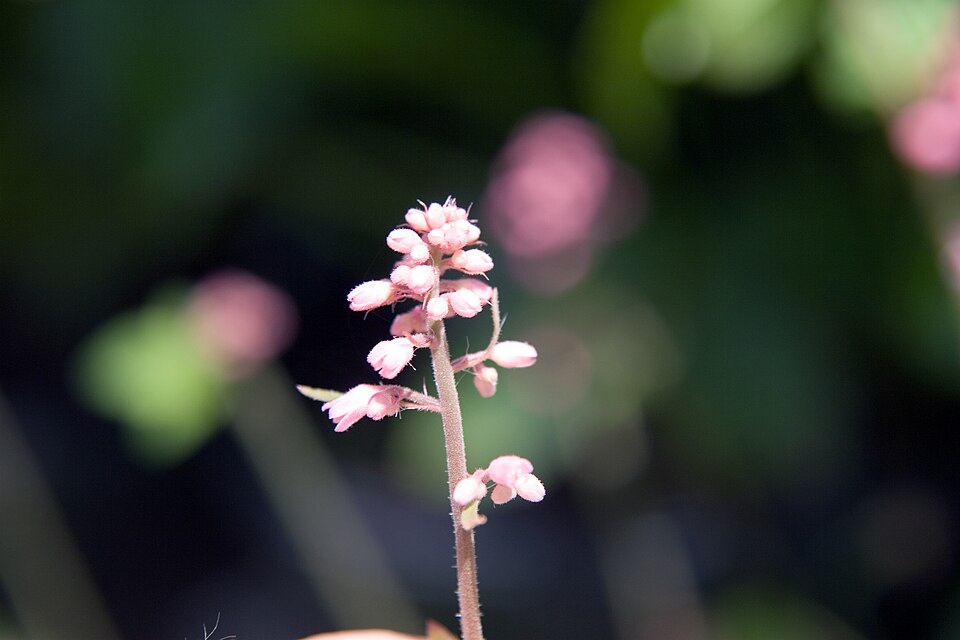
Heucherella 'Alba', affectionately known as 'Foamy Bells', is a graceful perennial hybrid resulting from a cross between Heuchera (coral bells) and Tiarella (foamflower). This horticultural marvel belongs to the Saxifragaceae family and is celebrated primarily for its captivating ornamental foliage and ethereal bloom.
The plant typically forms a compact, mounding habit, featuring deeply lobed or toothed leaves that present a delicate, often silvery-green or pale chartreuse hue, shimmering beautifully in dappled light. The leaf texture is intricate, with some cultivars exhibiting intricate veining or subtle color variations that intensify with environmental conditions.
During late spring to early summer, Heucherella 'Alba' produces slender, arching flower stalks that rise above the foliage, adorned with numerous small, bell-shaped flowers. These blossoms are predominantly pure white or a very light pink, lending to its 'Alba' designation and contributing to the 'foamy' appearance of its racemes. While individual flowers are modest, their collective abundance creates a striking visual effect, attracting beneficial pollinators like bees and butterflies to the garden.
This hybrid thrives in partial to full shade, preferring consistently moist, well-drained soil rich in organic matter. Its adaptability and robust hybrid vigor make it an excellent choice for woodland gardens, shaded borders, container plantings, and as an elegant groundcover, offering season-long interest and a touch of botanical sophistication. Originating from controlled hybridization, its distribution is primarily through cultivation in temperate garden settings.
Trusted Scientific References
1. Authoritative external sources for Heucherella Alba
1.1 Wikipedia — Heucherella Alba
1.2 Kew POWO (Plants of the World Online)
1.3 PubMed — peer-reviewed research
1.4 NCBI Taxonomy Browser
1.5 GBIF — Global Biodiversity
1.6Heucherella Alba should be interpreted through verified botanical identity, practical care, and responsible safety language. This recovery note adds the missing context needed for a complete profile: match light to the plant's habit, use well-drained soil, water according to season, and avoid unsupported medicinal or edible claims. For publishing, the plant can be presented as a source-backed garden plant with clear care guidance, common problem diagnosis, and conservative safety wording.
1.1.Heucherella Alba — Notable Characteristics
- ✓Heucherella Alba — Hybrid of Heuchera and Tiarella, known as 'Foamy Bells'.
- ✓Ornamental Perennial — Prized for its aesthetic value in gardens.
- ✓Delicate Foliage — Deeply lobed, often silvery-green or pale chartreuse leaves.
- ✓Frothy White Flowers — Small, bell-shaped blooms in airy racemes during late spring to early summer.
- ✓Shade — Loving — Thrives in partial to full shade conditions.
- ✓Low Maintenance — Relatively easy to grow and care for once established.
- ✓Attracts Pollinators — Flowers attract bees and butterflies.
- ✓Versatile Use — Suitable for borders, containers, woodland gardens, and groundcover.
- ✓USDA Hardiness Zones 4 — 9 — Demonstrates good cold tolerance.
- ✓Saxifragaceae Family — Botanical classification for this hybrid.
1.2.Heucherella Alba — In Brief
- ✓Heucherella 'Alba' is a popular ornamental hybrid, known as 'Foamy Bells'.
- ✓Celebrated for its delicate, often silver-tinged foliage and airy white flowers.
- ✓Thrives in shade, preferring moist, well-drained, organic-rich soil.
- ✓While primarily aesthetic, it hypothetically contains general plant compounds like flavonoids and tannins.
- ✓No documented traditional or modern medicinal uses for internal consumption exist.
- ✓Primarily valued for its beauty in woodland gardens, borders, and containers.
2.Heucherella Alba — Botanical Identity
3.Heucherella Alba — Fact Sheet
4.Heucherella Alba — Botanical Features
5.Heucherella Alba — Ecological Habitat
6.Heucherella Alba — Folk Medicine Applications
7.Heucherella Alba — Chemical Profile
- ✓Flavonoids — Compounds like quercetin and kaempferol derivatives are hypothetically present, known for their antioxidant and potential anti-inflammatory activities.
- ✓Tannins — Likely present in the foliage, contributing to astringent properties and offering some antioxidant capacity.
- ✓Phenolic Acids — Including gallic acid and chlorogenic acid, which are common in plants and possess antioxidant and potential anti-inflammatory effects.
- ✓Saponins — These triterpenoid glycosides may be present, potentially contributing to emulsifying properties and having some anti-inflammatory or immune-modulating effects.
- ✓Polysaccharides — Complex carbohydrates that could hypothetically offer immune-modulating properties, typical of many plant cell walls.
- ✓Anthocyanins — If any cultivars exhibit reddish or purplish leaf coloration, these pigments would be present, acting as potent antioxidants.
- ✓Terpenoids — Aromatic compounds that contribute to plant scent and may possess various bioactivities, though specific types for Heucherella Alba are not documented.
- ✓Plant Sterols — Phytosterols are common in plant cell membranes and may have some anti-inflammatory or cholesterol-lowering properties, though not a primary focus for this plant.
- ✓Vitamins and Minerals — As with all living plants, Heucherella Alba contains essential vitamins (e.g., Vitamin C, K) and minerals (e.g., calcium, potassium) vital for its own metabolic processes.
- ✓Organic Acids — Various organic acids like malic or citric acid contribute to plant metabolism and may influence taste or preservation properties.
- ✓Glycosides — A broad category of compounds where a sugar molecule is attached to a non-sugar component, often influencing solubility and bioactivity.
- ✓Lignans — Phenolic compounds that can have antioxidant and phytoestrogenic properties, found in various plant tissues.
8.Heucherella Alba — Scientific Evidence
- ✓Antioxidant Support — Heucherella Alba, like many plants, may contain phenolic compounds and flavonoids that hypothetically contribute to cellular protection against oxidative stress.
- ✓Anti-inflammatory Potential — Hypothetical presence of plant-derived compounds such as certain phenolic acids may offer mild anti-inflammatory effects, though not clinically studied for this species.
- ✓Astringent Properties — The plant may contain tannins, which could hypothetically provide mild astringent action, useful for topical applications.
- ✓Antimicrobial Activity — While unproven, some plant extracts possess broad-spectrum antimicrobial properties that might be attributed to various secondary metabolites.
- ✓Wound Healing Support — Through a combination of potential astringent and anti-inflammatory actions, extracts might theoretically support the healing of minor cuts or abrasions when applied topically.
- ✓Skin Soothing Effects — Compounds in the foliage could hypothetically offer a calming effect on irritated skin, potentially reducing redness and discomfort.
- ✓Immune System Modulation — General plant polysaccharides and certain flavonoids found in botanicals are sometimes associated with immune system support, a hypothetical benefit here.
- ✓Detoxification Pathways — Certain plant compounds are known to support the body's natural detoxification processes, a speculative role for Heucherella Alba based on general phytochemistry.
- ✓Cardiovascular Health — Flavonoids and other polyphenols, if present in significant quantities, could theoretically contribute to cardiovascular well-being through antioxidant mechanisms.
- ✓Digestive Comfort — While not a traditional digestive aid, some plant compounds can have mild carminative or soothing effects on the digestive tract, a highly speculative benefit for this plant.
- ✓Pain Relief — Any potential anti-inflammatory action could hypothetically contribute to minor pain relief, particularly when applied externally for localized discomfort.
- ✓Aesthetic Well-being — The primary 'benefit' of Heucherella Alba is its ornamental value, contributing to psychological well-being and stress reduction through garden beauty and engagement.
8.1.Heucherella Alba — Therapeutic Indications
9.Heucherella Alba — Safety Considerations
9.1.Heucherella Alba — Caution Notes
- ✓Skin Irritation — Direct contact with plant sap or foliage may cause mild skin irritation or allergic dermatitis in sensitive individuals.
- ✓Gastrointestinal Upset — Ingestion of plant material is not recommended and could potentially lead to stomach upset, nausea, or vomiting due to unknown compounds.
- ✓Allergic Reactions — As with any flowering plant, pollen or plant components may trigger allergic reactions in susceptible individuals, including respiratory symptoms.
- ✓Photosensitivity — While unconfirmed, some plant compounds can induce photosensitivity, making skin more susceptible to sunburn after exposure.
- ✓Toxicity Concerns — The safety of internal consumption is entirely unknown, and potential toxicity from unstudied compounds cannot be ruled out.
- ✓Drug Interactions — If hypothetically consumed, active compounds could theoretically interact with medications, though no specific interactions are documented.
- ✓Pet Toxicity — Ornamental plants can sometimes cause mild irritation or toxicity if ingested by pets; keep out of reach of curious animals.
9.2.Heucherella Alba — Safety Profile
- ✓Not for Internal Use — Heucherella Alba is an ornamental plant; internal consumption is strongly discouraged due to a lack of safety data and established medicinal use.
- ✓Pregnant/Nursing Women — Should strictly avoid any hypothetical internal or extensive topical use due to insufficient safety research.
- ✓Children — Keep plant material out of reach of children to prevent accidental ingestion or skin contact.
- ✓Allergic Individuals — Those with known allergies to plants in the Saxifragaceae family should exercise caution when handling.
- ✓Topical Patch Test — If considering any hypothetical topical application, perform a patch test on a small skin area first to check for adverse reactions.
- ✓Consult Healthcare Professional — Always consult a qualified healthcare provider before using any plant for medicinal purposes, especially for a species with no established therapeutic profile.
- ✓Ornamental Safety — Generally considered safe for ornamental gardening when handled appropriately and not ingested.
10.Heucherella Alba — Usage Guide
- ✓Ornamental Cultivation — Primarily used as an aesthetic garden plant, enhancing landscapes with its unique foliage and delicate flowers.
- ✓Groundcover — Mass plant Heucherella Alba to create an attractive, low-maintenance groundcover in shady areas or along pathways.
- ✓Container Plantings — Ideal for mixed containers, providing textural contrast and year-round interest alongside other shade-loving annuals or perennials.
- ✓Woodland Gardens — Integrate into naturalized woodland settings, complementing ferns, hostas, and other shade-tolerant species.
- ✓Border Edging — Use as an elegant front-of-border plant, defining edges with its mounding habit and colorful foliage.
- ✓Research Extraction — For scientific purposes, plant material can be subjected to various extraction methods (e.g., hydroalcoholic, aqueous) to isolate and study phytochemical compounds.
- ✓Hypothetical Topical Decoction — If hypothetically used, a decoction of leaves could be prepared for external application as a soothing or astringent wash for skin irritations, though not an established practice.
- ✓Hypothetical Poultice — Crushed fresh leaves might theoretically be applied as a poultice to minor skin issues for potential anti-inflammatory or astringent effects, but this is not a traditional use.
11.Heucherella Alba — Cultivation & Care
- ✓Soil Preparation — Thrives in rich, well-drained soil with ample organic matter; amend heavy clay soils to improve drainage.
- ✓Light Requirements — Prefers partial to full shade, especially in hotter climates; morning sun is generally tolerated and can enhance foliage color.
- ✓Watering — Maintain consistently moist soil, but avoid waterlogging; established plants show some drought tolerance but benefit from supplemental water during dry spells.
- ✓Planting — Best planted in spring or fall, spacing individual plants 1 to 2 feet apart to allow for mature growth.
- ✓Fertilization — Apply a balanced slow-release granular fertilizer or a layer of compost around the base in early spring; container plants may benefit from a diluted liquid feed.
- ✓Pruning — Trim back any tattered or damaged foliage in early spring to encourage fresh new growth; deadhead spent flower stalks to maintain tidiness and potentially encourage rebloom.
- ✓Hardiness — Hardy in USDA zones 4-9, demonstrating good cold tolerance and overwintering capabilities in suitable climates.
- ✓Container Growing — Excellent choice for containers, ensuring pots have adequate drainage; can be overwintered in containers in warmer zones or protected in colder regions.
Reviewed by the Flora Medical Global Botanical Review Panel
Multi-disciplinary editorial group · Botany · Ethnobotany · Herbal-medicine literature
Who reviewed this: This page was checked by the Flora Medical Global Botanical Review Panel — an in-house editorial group of botany graduates, ethnobotany researchers, and horticulture practitioners who collectively maintain our 7,000+ plant encyclopedia. Meet the team.
Our 4-step verification process
1. Taxonomic verification
Scientific names and synonyms cross-checked against Kew POWO, World Flora Online, and The Plant List.
2. Phytochemical & medicinal cross-reference
Active compounds, traditional uses, and reported activities are cross-referenced with PubMed, USDA Dr. Duke's database, and peer-reviewed ethnobotanical literature.
3. Conservation & distribution check
Distribution, ecology, and conservation status confirmed against GBIF occurrence records and the IUCN Red List.
4. Editorial & safety review
Every entry passes an editorial pass for clarity, originality, and safety notices (toxicity, contraindications, dosage caveats) before publication.
Last reviewed:
Important medical disclaimer: This content is for educational and research purposes only. It is not medical advice and is not a substitute for consultation with a licensed healthcare provider. Do not use any herb to self-treat a medical condition without professional guidance.
Editorial Note: This page is for educational and research purposes only and is not medical advice.
Written by: Flora Medical Global Editorial Team
Reviewed by: Flora Medical Global Botanical Review Panel
Last Updated: June 15, 2026





Heucherella Alba — Comments & Community Reviews
Rate this plant