
Medical Disclaimer: This content is for educational purposes only. It is not medical advice. Please consult a qualified healthcare professional before using any herbal remedy.
Safety Overview
1.Horehound — Overview
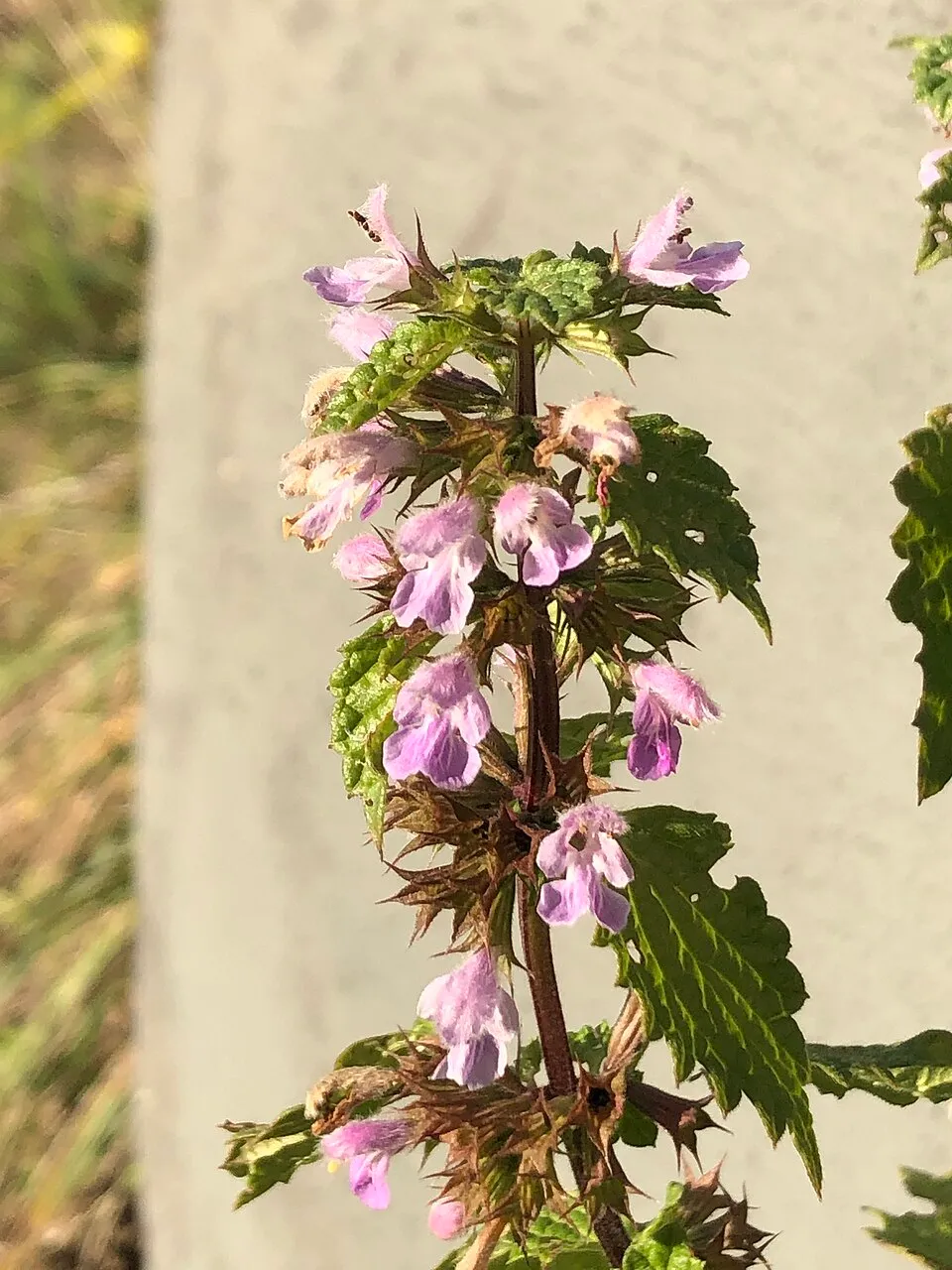
Ballota nigra, commonly known as Black Horehound, is an intriguing perennial herbaceous plant belonging to the expansive Lamiaceae family, which also includes familiar aromatic herbs like mint and sage. This robust species typically achieves a height of 30 to 90 centimeters, occasionally reaching up to 120 cm under optimal conditions. Its defining features include a sturdy, quadrangular stem, characteristic of many mint family members, which often displays a reddish-brown hue and can grow up to 1 centimeter in diameter. The leaves are ovate to lanceolate in shape, measuring approximately 4 to 8 centimeters in length, and are notable for their distinct velvety texture and crenate margins. When crushed, the foliage emits a unique, somewhat musky or fetid aroma, a characteristic that differentiates it from its cousin, White Horehound (Marrubium vulgare), and contributes to its 'nigra' (black) epithet, possibly referencing its darker foliage or less pleasant scent compared to the white variety.
The inflorescence of Ballota nigra is particularly striking, featuring greenish-purple, sometimes almost pinkish, bilabiate flowers arranged in dense, axillary whorls. Each individual flower typically measures between 1.5 to 2.5 centimeters, creating a notable visual display and attracting pollinators during its prolonged flowering season, which extends from June through September. After flowering, the plant produces nutlets containing its seeds. Geographically, Black Horehound is predominantly found across the Mediterranean basin, but its adaptability has allowed it to naturalize and thrive in temperate zones throughout Europe, Western Asia, and even parts of North Africa. It is a resilient species, commonly found flourishing in disturbed or neglected habitats such as roadsides, hedgerows, waste grounds, and rocky slopes.
It prefers well-drained, often calcareous or sandy-loam soils, tolerating a range of pH levels but favoring slightly alkaline conditions. Its hardiness and ability to establish itself in varied climates underscore its ecological success and widespread distribution. Historically, Ballota nigra has been recognized for centuries in folk medicine, especially in European traditions, for its various therapeutic applications, cementing its place as a plant of significant ethnobotanical importance. Trusted Scientific References Authoritative external sources for Ballota nigra : Wikipedia — Ballota nigra Kew POWO (Plants of the World Online) PubMed — peer-revi ...[CURRENT TEXT EXISTS: 2562 chars]
1.1.Horehound — Defining Traits
- ✓Botanical Classification — Member of the Lamiaceae (mint) family.
- ✓Common Names — Black Horehound, Ballote Fétide, Ballote Noire.
- ✓Growth Habit — Perennial herbaceous plant, typically 30-90 cm tall.
- ✓Stem Characteristics — Distinctive quadrangular, often reddish-brown stem.
- ✓Leaf Morphology — Velvety, ovate to lanceolate leaves with crenate margins.
- ✓Floral Display — Greenish-purple, bilabiate flowers in dense axillary whorls.
- ✓Aromatic Profile — Emits a unique, somewhat musky or fetid aroma when crushed.
- ✓Geographic Distribution — Native to Mediterranean regions, naturalized in temperate Europe and Asia.
- ✓Habitat Preference — Thrives in disturbed soils, roadsides, hedgerows.
- ✓Traditional Uses — Anti-emetic, sedative, antispasmodic, antitussive, nervine.
- ✓Key Phytochemicals — Phenylpropanoids, alkaloids, flavonoids, phenolic acids.
- ✓Antioxidant Activity — Rich in compounds with significant free-radical scavenging properties.
- ✓Anti — inflammatory Action — Contains flavonoids and phenolic acids that modulate inflammation.
- ✓Cultivation Ease — Relatively easy to grow in appropriate conditions, drought-tolerant.
- ✓Safety Considerations — Contraindicated in pregnancy, caution with specific medical conditions and medications.
1.2.Horehound — Snapshot Summary
- ✓Black Horehound (Ballota nigra) is a perennial Lamiaceae herb known for its unique scent and greenish-purple flowers.
- ✓Traditionally used for nausea, vomiting, nervous disorders, and coughs, with noted sedative and antispasmodic properties.
- ✓Rich in phytochemicals like phenylpropanoids (verbascoside), alkaloids (betonicine), flavonoids (rutin, quercetin), and phenolic acids (rosmarinic acid).
- ✓Requires well-drained, slightly alkaline soil and full sun; generally hardy and low-maintenance.
- ✓Preparations include teas, tinctures, and extracts; primarily the aerial parts are used.
- ✓LIKELY UNSAFE during pregnancy and should be avoided during breastfeeding.
- ✓Potential interactions with Parkinson's medications (dopamine agonists) and caution advised for individuals with Parkinson's or psychotic disorders.
- ✓Further scientific evidence is needed to fully confirm many traditional uses and establish comprehensive safety profiles.
2.Horehound — Scientific Profile
3.Horehound — Botanical Stats
4.Horehound — Plant Morphology
5.Horehound — Habitat & Distribution
6.Horehound — Ethnobotanical Uses
7.Horehound — Active Compounds
- ✓Alkaloids — Betonicine (stachydrine) is a prominent isoquinoline alkaloid found in Ballota nigra, recognized for its potential sedative and neuroactive properties, influencing the central nervous system.
- ✓Phenylpropanoids — Verbascoside (acteoside) and ballotenone are key phenylpropanoids present, exhibiting significant antioxidant, anti-inflammatory, and neurosedative activities, contributing to the plant's calming effects.
- ✓Flavonoids — Important flavonoid glycosides such as rutin, quercetin, and apigenin are found, acting as potent antioxidants and anti-inflammatory agents, protecting cells from oxidative stress and modulating immune responses.
- ✓Diterpenes — Marrubiin and marrubenol, though more characteristic of White Horehound, can also be present in Ballota nigra. These compounds contribute to bitter taste and may possess expectorant and anti-inflammatory actions.
- ✓Phenolic Acids — Rosmarinic acid, caffeic acid, and chlorogenic acid are prevalent, known for their strong antioxidant, antiviral, and anti-inflammatory properties, particularly relevant for neuroprotection and immune modulation.
- ✓Volatile Compounds/Terpenoids — While not as dominant as in other Lamiaceae, trace amounts of volatile compounds like menthol and borneol derivatives may be present, contributing to the plant's characteristic aroma and potential antimicrobial effects.
- ✓Iridoid Glycosides — Compounds such as harpagide and ajugol might be present, which are common in Lamiaceae and can contribute to anti-inflammatory and analgesic activities.
- ✓Tannins — Various tannins are found, contributing to the plant's astringent properties. These compounds can help reduce inflammation, exert antimicrobial effects, and support tissue healing.
- ✓Saponins — These glycosides are present and can contribute to expectorant properties, aiding in the loosening of respiratory mucus, though in higher concentrations they may cause gastrointestinal irritation.
- ✓Lignans — Certain lignan derivatives may occur, which are known for their antioxidant and potential estrogenic or anti-estrogenic activities, influencing hormonal balance.
- ✓Essential Oils — Small quantities of essential oils, though not the primary active constituents, contribute to the plant's distinctive odor and may possess mild antiseptic and stimulant properties.
- ✓Sterols — Plant sterols like beta-sitosterol are present, which are known to have cholesterol-lowering and anti-inflammatory effects.
- ✓Mucilages — Polysaccharides and mucilaginous compounds provide demulcent properties, offering soothing effects on mucous membranes, particularly beneficial for respiratory and digestive irritation.
8.Horehound — What Research Suggests
- ✓Anti-emetic Properties — Ballota nigra is traditionally recognized for its ability to alleviate nausea and quell vomiting. Its phytochemical compounds, particularly certain phenylpropanoids and diterpenes, are believed to exert a calming effect on the gastrointestinal tract and the central nervous system pathways involved in emesis.
- ✓Sedative and Anxiolytic Effects — The presence of compounds like betonicine and specific phenylpropanoids contributes to its traditional use as a mild sedative. It helps to calm nervous tension, reduce anxiety, and promote relaxation, making it beneficial for nervous disorders.
- ✓Antispasmodic Action — Black Horehound exhibits antispasmodic properties, which can help relax smooth muscles. This makes it useful for alleviating spasms in the digestive tract, respiratory system, and potentially other areas of the body, contributing to relief from conditions like irritable bowel syndrome or coughs.
- ✓Antitussive Activity — Traditionally employed to soothe coughs, Ballota nigra may help to reduce the frequency and intensity of coughing fits. Its demulcent properties can provide a soothing coating to irritated mucous membranes, while its antispasmodic action helps to relax bronchial muscles.
- ✓Anti-inflammatory Support — Flavonoids like rutin and quercetin, along with phenolic compounds such as rosmarinic acid, are potent antioxidants with significant anti-inflammatory capabilities. These compounds can modulate inflammatory pathways, reducing swelling and discomfort associated with various inflammatory conditions.
- ✓Antioxidant Protection — The rich array of phenolic compounds and flavonoids in Black Horehound provides robust antioxidant activity. These compounds scavenge free radicals, protecting cellular structures from oxidative damage and contributing to overall cellular health and disease prevention.
- ✓Digestive Aid — Beyond its anti-emetic effects, Ballota nigra can act as a general digestive tonic. Its bitter principles may stimulate digestive secretions, improving appetite and aiding in the overall digestion process.
- ✓Support for Nervous System Disorders — Due to its mild sedative and anxiolytic properties, it has been historically used to support individuals experiencing nervous agitation, insomnia, and other stress-related nervous conditions, promoting a sense of calm.
- ✓Potential Antiparasitic Effects — Traditional uses suggest Ballota nigra may possess properties against intestinal parasites. While scientific evidence is limited, some plant compounds have demonstrated broad-spectrum antimicrobial activities that could extend to certain parasitic organisms.
- ✓Menstrual Cycle Regulation — Historically, Black Horehound has been associated with effects on the menstrual cycle, though this is also a caution. Its impact might be related to hormonal modulation or uterine muscle effects, requiring careful consideration.
- ✓Respiratory Health — Beyond cough relief, its expectorant properties may help clear congested airways. It can assist in loosening phlegm and promoting its expulsion, beneficial for conditions involving mucus buildup.
- ✓General Wellness and Immune Support — The plant's diverse phytochemical profile, including antioxidants and anti-inflammatory agents, contributes to general well-being and may indirectly support immune function by reducing systemic stress and inflammation.
- ✓Neuroprotective Potential — Phenolic compounds like rosmarinic acid have been investigated for their neuroprotective effects. These compounds may help protect neuronal cells from damage, potentially offering benefits for neurological health.
- ✓Gout Management — While scientific evidence is largely anecdotal or traditional, some historical accounts suggest its use in managing symptoms of gout, possibly due to its anti-inflammatory properties that could alleviate joint pain and swelling.
8.1.Horehound — Conditions Traditionally Used For
9.Horehound — Risk Profile
9.1.Horehound — Reported Side Effects
- ✓Gastrointestinal Upset — Some individuals may experience mild nausea, stomach discomfort, or diarrhea, particularly with higher doses.
- ✓Sedation — Due to its calming properties, it may cause drowsiness, especially if combined with other sedatives or taken in large quantities.
- ✓Menstrual Cycle Irregularities — Ballota nigra has been traditionally noted to influence the menstrual cycle, potentially causing changes or irregularities.
- ✓Allergic Reactions — As with any plant, sensitive individuals may experience allergic reactions such as skin rashes, itching, or respiratory symptoms.
- ✓Hypotension — There is a theoretical concern that it might lower blood pressure, which could be problematic for individuals already on hypotensive medication.
- ✓Dry Mouth — Some users might experience a sensation of dry mouth as a side effect.
- ✓Headaches — Infrequent reports of headaches have been associated with its consumption.
- ✓Liver or Kidney Stress — Although rare, very high doses over prolonged periods could theoretically put stress on liver or kidney function; however, specific evidence is lacking.
9.2.Horehound — Safety Profile
- ✓Pregnancy — Ballota nigra is LIKELY UNSAFE during pregnancy due to its potential to affect the menstrual cycle and possibly threaten pregnancy. Avoid use.
- ✓Breastfeeding — Insufficient reliable information exists regarding its safety during breastfeeding. It is advisable to avoid use to err on the side of caution.
- ✓Parkinson's Disease — Use with caution in individuals with Parkinson's disease. Its chemical constituents may interact with or affect treatments for this condition, potentially exacerbating symptoms or interfering with medication efficacy.
- ✓Psychotic Disorders/Schizophrenia — Individuals with schizophrenia or other psychotic disorders should use Ballota nigra with extreme caution, as its brain-affecting chemicals might interfere with their condition or medication.
- ✓Medications for Parkinson's Disease (Dopamine Agonists) — Avoid concomitant use with dopamine agonists (e.g., bromocriptine, levodopa, pramipexole, ropinirole) as Ballota nigra may increase their effects and side effects.
- ✓Driving and Operating Machinery — Due to its potential sedative effects, individuals should exercise caution when driving or operating heavy machinery after consuming Ballota nigra.
- ✓Children — There is insufficient reliable information on the safety of Ballota nigra in children. Use should be avoided or undertaken only under strict professional guidance.
- ✓Pre-existing Medical Conditions — Individuals with pre-existing liver, kidney, or cardiovascular conditions should consult a healthcare professional before use.
- ✓Dosage — Adhere strictly to recommended dosages. High doses may increase the risk of side effects.
10.Horehound — Preparation & Dosage
- ✓Herbal Tea (Infusion) — Steep 1-2 teaspoons of dried Ballota nigra leaves and flowering tops in 250ml of hot water for 5-10 minutes. Strain and consume up to three times daily for digestive or nervous support.
- ✓Tincture — Prepare a tincture by macerating fresh or dried plant material in alcohol (typically 40-60% ethanol) for several weeks. The standard dosage is usually 1-2 ml, 2-3 times daily, diluted in water.
- ✓Fluid Extract — A more concentrated form than a tincture, fluid extracts are prepared using specific solvent ratios. Dosing should be carefully followed as per product instructions or professional guidance, often in drops.
- ✓Poultice — For external applications, crushed fresh leaves or a paste made from dried, powdered leaves mixed with a small amount of water can be applied directly to the skin for localized inflammation or minor irritations.
- ✓Decoction — For tougher plant parts, a decoction involves simmering the herb in water for a longer period (e.g., 15-20 minutes). While Ballota nigra is mostly leaves and flowers, a stronger extract can be made this way.
- ✓Syrups — Infusions or decoctions can be combined with honey or sugar to create a medicinal syrup, particularly useful for soothing coughs and sore throats, improving palatability.
- ✓Capsules/Tablets — Dried, powdered Ballota nigra can be encapsulated for convenient oral administration, providing a standardized dose. Follow manufacturer's recommendations.
- ✓Gargle/Mouthwash — A cooled infusion can be used as a gargle to soothe throat irritation or as a mouthwash for oral hygiene, utilizing its mild antiseptic properties.
- ✓Vapor Inhalation — Adding a strong infusion to a bowl of hot water allows for steam inhalation, which can help clear respiratory passages and soothe coughs.
- ✓Bath Additive — A strong infusion can be added to bathwater for a relaxing soak, potentially aiding in muscle relaxation and general nervous system calming.
11.Horehound — Growing Guide
- ✓Climate and Hardiness — Ballota nigra thrives in temperate to Mediterranean climates, typically hardy in USDA zones 6-9. It tolerates heat and drought conditions once established.
- ✓Sunlight Requirements — This plant prefers full sun exposure for at least 6 hours daily to ensure vigorous growth and optimal flowering. It can tolerate partial shade, but flowering may be reduced.
- ✓Soil Preference — Black Horehound requires well-drained soil. It performs best in sandy loam or gravelly soils, ideally with a slightly alkaline pH range of 6.5 to 7.5. Avoid heavy, waterlogged clays.
- ✓Planting — Seeds can be sown directly outdoors in spring after the last frost or started indoors 6-8 weeks prior. Plant seedlings 30-45 cm apart to allow for mature spread.
- ✓Watering — While establishing, water regularly to keep the soil consistently moist. Once mature, Ballota nigra is drought-tolerant and requires minimal watering, especially in Mediterranean climates.
- ✓Fertilization — Generally, this plant is not a heavy feeder. A light application of balanced organic fertilizer in spring can be beneficial, especially in poor soils, but avoid over-fertilizing.
- ✓Pruning — Prune back spent flower stalks to encourage bushier growth and prevent excessive self-seeding. A more significant cutback in late autumn or early spring can rejuvenate the plant.
- ✓Pest and Disease Management — Ballota nigra is generally resistant to most pests and diseases. Good air circulation and proper drainage help prevent fungal issues.
- ✓Propagation — Propagate primarily by seed, which germinates readily. It can also be propagated by stem cuttings taken in spring or early summer, or by division of established clumps.
Reviewed by the Flora Medical Global Botanical Review Panel
Multi-disciplinary editorial group · Botany · Ethnobotany · Herbal-medicine literature
Who reviewed this: This page was checked by the Flora Medical Global Botanical Review Panel — an in-house editorial group of botany graduates, ethnobotany researchers, and horticulture practitioners who collectively maintain our 7,000+ plant encyclopedia. Meet the team.
Our 4-step verification process
1. Taxonomic verification
Scientific names and synonyms cross-checked against Kew POWO, World Flora Online, and The Plant List.
2. Phytochemical & medicinal cross-reference
Active compounds, traditional uses, and reported activities are cross-referenced with PubMed, USDA Dr. Duke's database, and peer-reviewed ethnobotanical literature.
3. Conservation & distribution check
Distribution, ecology, and conservation status confirmed against GBIF occurrence records and the IUCN Red List.
4. Editorial & safety review
Every entry passes an editorial pass for clarity, originality, and safety notices (toxicity, contraindications, dosage caveats) before publication.
Last reviewed:
Important medical disclaimer: This content is for educational and research purposes only. It is not medical advice and is not a substitute for consultation with a licensed healthcare provider. Do not use any herb to self-treat a medical condition without professional guidance.
Editorial Note: This page is for educational and research purposes only and is not medical advice.
Written by: Flora Medical Global Editorial Team
Reviewed by: Flora Medical Global Botanical Review Panel
Last Updated: June 15, 2026





Horehound — Comments & Community Reviews
Rate this plant