
Medical Disclaimer: This content is for educational purposes only. It is not medical advice. Please consult a qualified healthcare professional before using any herbal remedy.
Safety Overview
1.Horny Goat Weed — Plant Snapshot
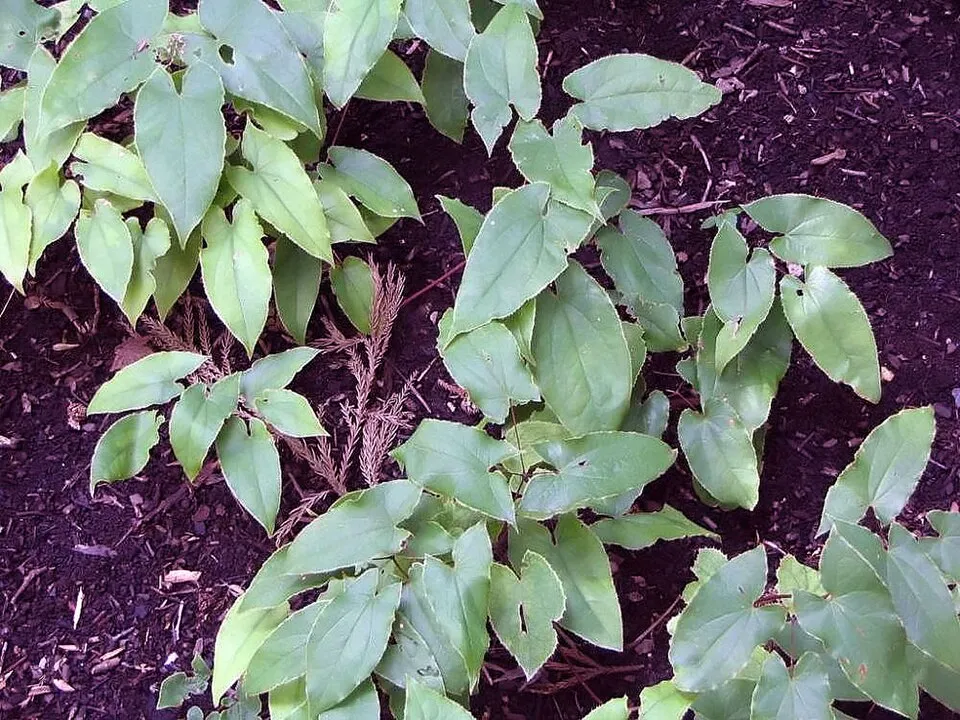
Horny Goat Weed, botanically known as Epimedium sagittatum, is a perennial herbaceous plant belonging to the diverse Berberidaceae family, which also includes barberry and mahonia. This species is predominantly indigenous to the temperate and subtropical regions of East Asia, particularly thriving in China, Korea, and Japan. Its preferred habitats are often shaded, moist areas such as forest understories, rocky slopes, and stream banks, indicating a preference for environments with dappled sunlight and consistent soil moisture. Morphologically, Epimedium sagittatum is characterized by its distinctive compound leaves, which typically emerge from slender rhizomes. The leaves are often described as sagittate, or arrow-shaped, with serrated margins and a somewhat leathery texture, often displaying attractive reddish hues, especially in cooler temperatures or during new growth. The plant generally reaches a height of 20-60 cm.
Its delicate flowers are borne on slender stalks above the foliage in spring, presenting a unique and intricate structure. Each flower typically features four outer sepals, four inner sepals, and four petals that often possess prominent spurs, giving them an ethereal, somewhat orchid-like appearance. The color of these small, charming blossoms can vary, usually ranging from white to pale yellow, contributing to the plant's ornamental appeal. Taxonomically, Epimedium sagittatum is one of several species within the Epimedium genus that are collectively referred to as 'Horny Goat Weed' or 'Yin Yang Huo' in traditional Chinese medicine (TCM). Other notable species include E. grandiflorum and E.
brevicornum, all sharing similar phytochemical profiles and traditional applications. The genus Epimedium itself is known for its resilience and ability to form dense groundcover, making it a popular choice for shade gardens in many parts of the world. Historically, Epimedium sagittatum has been a cornerstone of TCM for over two millennia. Its traditional name, 'Yin Yang Huo,' translates to 'lusty goat plant,' a testament to its long-standing reputation as a potent aphrodisiac and tonic for reproductive health. Beyond its famed use for enhancing libido and treating erectile dysfunction, it has been traditionally employed as a 'kidney tonic' to strengthen bones, alleviate joint pain, combat fatigue, and support overall vitality and longevity. While the existing content mentions Ayurveda and Western herbalism, its most extensive and documented traditiona ...[CURRENT TEXT EXISTS: 2971 chars]
1.1.Horny Goat Weed — Defining Traits
- ✓Traditional Chinese Medicine Staple — Revered as 'Yin Yang Huo' for over 2,000 years.
- ✓Primary Active Compound Icariin — A prenylated flavonol glycoside responsible for many therapeutic effects.
- ✓Natural PDE5 Inhibitor — Supports erectile function by improving blood flow.
- ✓Phytoestrogenic Properties — Beneficial for bone health and menopausal symptoms.
- ✓Adaptogenic Herb — Helps the body manage stress and enhances vitality.
- ✓Rich in Flavonoids — Provides strong antioxidant and anti-inflammatory benefits.
- ✓Supports Cardiovascular Health — May aid in blood pressure regulation and circulation.
- ✓Potential Neuroprotective Agent — Explored for cognitive and neurological support.
- ✓Immunomodulatory Effects — Contributes to a balanced and robust immune system.
- ✓Perennial Herb — Known for its ornamental value in shade gardens.
- ✓Rhizomatous Growth — Spreads via underground stems, forming groundcover.
- ✓Diverse Epimedium Species — Several species share the 'Horny Goat Weed' moniker.
- ✓Requires Specific Habitat — Prefers shaded, moist forest environments.
- ✓Available in Various Forms — Commonly found as tinctures, capsules, and teas.
- ✓Subject to Ongoing Research — Modern science continues to explore its full therapeutic potential.
1.2.Horny Goat Weed — Snapshot Summary
- ✓Horny Goat Weed (Epimedium sagittatum) is a traditional Chinese medicinal herb known as 'Yin Yang Huo.'
- ✓Its primary active compound, icariin, is a potent flavonoid glycoside.
- ✓Widely used to support sexual health, particularly for erectile dysfunction and libido enhancement.
- ✓Also recognized for its benefits in bone health, especially for postmenopausal women, and menopausal symptom relief.
- ✓Exhibits significant antioxidant, anti-inflammatory, and adaptogenic properties.
- ✓Caution advised for individuals with bleeding disorders, hormone-sensitive cancers, and those on certain medications.
- ✓Consult a healthcare professional before use, particularly for specific health conditions or concomitant medications.
2.Horny Goat Weed — Scientific Profile
3.Horny Goat Weed — Quick Facts
4.Horny Goat Weed — Plant Morphology
5.Horny Goat Weed — Habitat & Distribution
6.Horny Goat Weed — Ethnobotanical Uses
7.Horny Goat Weed — Active Compounds
- ✓Flavonoid Glycosides — Primarily Icariin, the most well-known active compound, and its derivatives like epimedoside A, icariin I, II, and III. Icariin is a prenylated flavonol glycoside responsible for many of the plant's pharmacological actions, notably PDE5 inhibition and phytoestrogenic effects.
- ✓Flavonoids (Aglycones) — Compounds such as kaempferol, quercetin, and anhydroicaritin. These provide significant antioxidant, anti-inflammatory, and potentially anticancer activities.
- ✓Lignans — Including epimedins, which contribute to the plant's overall therapeutic profile, often exhibiting antioxidant and anti-inflammatory properties.
- ✓Polysaccharides — Various complex carbohydrates that have demonstrated immunomodulatory effects, supporting the immune system and contributing to the adaptogenic properties of the plant.
- ✓Sterols — Such as beta-sitosterol, which is known for its anti-inflammatory and cholesterol-lowering properties, often found in various plant species.
- ✓Alkaloids — While not as prominent as flavonoids, Epimedium species can contain trace amounts of alkaloids, which may contribute to their diverse biological activities.
- ✓Phenolic Acids — Compounds like caffeic acid and ferulic acid, which are potent antioxidants and contribute to the plant's protective effects against oxidative stress.
- ✓Phenylpropanoids — A class of organic compounds that often exhibit antioxidant, anti-inflammatory, and antimicrobial activities.
- ✓Volatile Oils — Present in small quantities, these contribute to the plant's aroma and may possess some antimicrobial or insect-repellent properties.
- ✓Tannins — Astringent compounds that can have antioxidant and antimicrobial effects, contributing to tissue protection and healing.
- ✓Glycosides (Non-flavonoid) — Various other glycosides that contribute to the plant's complex pharmacology, working synergistically with other constituents.
8.Horny Goat Weed — Research Insights
- ✓Enhances Libido and Sexual Function — Horny Goat Weed is widely recognized for its aphrodisiac properties, primarily attributed to icariin. This compound helps increase nitric oxide levels, promoting vasodilation and improving blood flow to the reproductive organs, thereby supporting healthy sexual desire and performance.
- ✓Supports Erectile Function — Icariin acts as a phosphodiesterase type 5 (PDE5) inhibitor, similar to synthetic drugs used for erectile dysfunction. By inhibiting PDE5, it allows for sustained levels of cyclic guanosine monophosphate (cGMP), facilitating muscle relaxation and increased blood flow necessary for achieving and maintaining an erection.
- ✓Improves Bone Mineral Density — Research suggests that specific extracts of Epimedium, rich in phytoestrogens, can help decrease bone loss, particularly in postmenopausal women. These compounds mimic the action of estrogen, which plays a crucial role in bone maintenance and preventing osteoporosis.
- ✓Alleviates Menopausal Symptoms — The phytoestrogenic compounds present in Horny Goat Weed may help balance hormone levels in women experiencing menopause. This can contribute to reducing symptoms such as hot flashes, mood swings, and vaginal dryness, and may also help improve cholesterol profiles.
- ✓Boosts Energy and Reduces Fatigue — Traditionally, Epimedium has been used as a tonic to combat general weakness and fatigue. Its adaptogenic properties may help the body cope with stress, enhance cellular energy production, and improve overall stamina and vitality.
- ✓Provides Antioxidant Protection — The rich flavonoid content, including icariin, provides potent antioxidant activity. These compounds scavenge free radicals, protecting cells from oxidative damage and reducing systemic inflammation, which contributes to overall health and disease prevention.
- ✓Offers Anti-inflammatory Effects — Flavonoids and other phytochemicals in Horny Goat Weed exhibit anti-inflammatory properties by modulating various inflammatory pathways. This can help reduce pain and swelling associated with conditions like arthritis and other inflammatory disorders.
- ✓Supports Cardiovascular Health — By promoting vasodilation and improving blood circulation, Epimedium may contribute to better cardiovascular function. Some studies suggest it can help lower blood pressure and improve lipid profiles, supporting heart health.
- ✓Enhances Cognitive Function — Traditional uses and preliminary research indicate potential neuroprotective effects. The plant's compounds may improve cerebral blood flow and offer antioxidant support to brain cells, potentially aiding memory and cognitive clarity.
- ✓Strengthens Immune System — Certain polysaccharides and other compounds within Epimedium are believed to have immunomodulatory effects. They can help regulate immune responses, enhancing the body's ability to defend against pathogens and maintain immune balance.
- ✓Supports Adrenal Function — As an adaptogen, Horny Goat Weed may help the adrenal glands manage stress more effectively. This can lead to improved energy levels, better stress resilience, and a more balanced hormonal response to daily pressures.
- ✓Promotes Muscle Growth and Strength — Preliminary animal studies suggest that icariin may stimulate osteoblast activity and potentially support muscle protein synthesis. This could be beneficial for muscle recovery and strength, particularly in aging individuals.
- ✓Acts as a Neuroprotective Agent — Beyond cognitive enhancement, the plant's antioxidants and anti-inflammatory compounds may protect neurons from damage and degeneration, showing promise in supporting neurological health.
- ✓Supports Liver Health — Traditional uses suggest a role in liver support, likely due to its antioxidant and anti-inflammatory properties that help protect liver cells from damage and promote detoxification pathways.
- ✓Modulates Blood Sugar Levels — Some preliminary research indicates that certain compounds in Epimedium may influence glucose metabolism, potentially offering a supportive role in maintaining healthy blood sugar levels, though more research is needed.
- ✓Alleviates Joint Pain and Arthritis — Through its anti-inflammatory actions, Horny Goat Weed can help reduce inflammation in joints, potentially easing pain and improving mobility for individuals with conditions like osteoarthritis.
8.1.Horny Goat Weed — Reported Uses
9.Horny Goat Weed — Risk Profile
9.1.Horny Goat Weed — Warnings
- ✓Gastrointestinal Upset — May cause stomach discomfort, nausea, or diarrhea, especially when taken in high doses or on an empty stomach.
- ✓Dizziness and Headaches — Some individuals may experience mild dizziness or headaches, particularly during the initial stages of use.
- ✓Increased Heart Rate (Tachycardia) — High doses or prolonged use can potentially lead to an elevated heart rate or palpitations in sensitive individuals.
- ✓Allergic Reactions — Although rare, allergic reactions such as skin rashes, itching, or hives can occur.
- ✓Breathing Problems — Very high doses or certain formulations have been anecdotally linked to severe breathing difficulties in isolated cases.
- ✓Mood Changes — Rarely, some users have reported feelings of agitation, anxiety, or hypomania, possibly due to its stimulant-like effects.
- ✓Dry Mouth and Thirst — Mild dehydration or increased thirst can be experienced by some individuals.
- ✓Nosebleeds — Due to its potential effect on blood clotting, some users may experience an increased tendency for nosebleeds.
9.2.Horny Goat Weed — Safety Profile
- ✓Pregnancy and Breastfeeding — Horny Goat Weed is considered possibly unsafe during pregnancy as it may harm the developing fetus and there is insufficient reliable information regarding its safety during breastfeeding. Avoid use.
- ✓Bleeding Disorders — May slow blood clotting, increasing the risk of bleeding or bruising. Individuals with bleeding disorders or those on anticoagulant medications should avoid it.
- ✓Hormone-Sensitive Conditions — Acts like estrogen and may increase estrogen levels. It might worsen estrogen-sensitive conditions such as breast cancer, uterine cancer, or endometriosis.
- ✓Surgery — Due to its blood-thinning effects, discontinue use at least two weeks before any scheduled surgery to minimize the risk of excessive bleeding.
- ✓Blood Pressure Medications — Can lower blood pressure, potentially causing blood pressure to drop too low when combined with antihypertensive drugs. Monitor blood pressure closely.
- ✓Estrogen Medications — Concurrent use with estrogen-containing medications (e.g., hormone replacement therapy) may increase estrogenic effects and potential side effects.
- ✓Liver Metabolism Interactions — May interact with medications metabolized by the liver's cytochrome P450 enzymes (e.g., CYP1A2, CYP2B6, CYP3A4), altering their effects and side effects.
- ✓Pre-existing Heart Conditions — Individuals with pre-existing heart conditions should use caution and consult a healthcare provider due to its potential effects on heart rate.
- ✓Autoimmune Diseases — While some sources suggest immune modulation, individuals with autoimmune diseases should exercise caution and seek medical advice before use, as its effects on the immune system are complex.
- ✓Long-term High-Dose Use — Certain types or high doses may be unsafe with long-term use, with reports of severe breathing problems. Adhere to recommended dosages and consult a professional for extended use.
10.Horny Goat Weed — How to Use
- ✓Herbal Tea (Infusion) — Dried leaves and rhizomes can be steeped in hot water for 10-15 minutes to create a medicinal tea. This method is often used for general tonic effects and mild support.
- ✓Tinctures — A concentrated liquid extract made by soaking the plant material in alcohol and water. Tinctures allow for precise dosing and rapid absorption, often used for specific therapeutic purposes.
- ✓Capsules and Tablets — Standardized extracts of Horny Goat Weed, often concentrated for icariin content, are widely available in capsule or tablet form for convenient and consistent dosing.
- ✓Powdered Herb — Dried and ground plant material can be encapsulated or mixed into beverages. This form provides the full spectrum of the plant's constituents.
- ✓Decoctions — For tougher plant parts like rhizomes, a decoction involves simmering the material in water for a longer period (20-30 minutes) to extract compounds. This is a traditional TCM preparation method.
- ✓Topical Applications — In some traditional practices, extracts or poultices may be used externally for localized pain relief or skin conditions, though this is less common for Epimedium.
- ✓Syrups and Elixirs — Extracts can be combined with honey or other sweeteners to create palatable syrups, particularly useful for children or those who find tinctures too strong.
- ✓Standardized Extracts — Many commercial products are standardized to a specific percentage of icariin (e.g., 10%, 20%, 60%), ensuring consistent potency and predictable effects.
- ✓Traditional Chinese Medicine Formulas — Epimedium is often combined with other herbs in complex TCM formulas to enhance synergistic effects and address specific patterns of imbalance.
- ✓Dosage Consultation — Always consult with a qualified healthcare professional or medical herbalist to determine appropriate dosage and duration of use, as this can vary based on individual health status and product concentration.
11.Horny Goat Weed — Growth Requirements
- ✓Soil Preference — Thrives in well-drained, humus-rich soil with a slightly acidic to neutral pH (6.0-7.0). Incorporating organic matter improves soil structure and fertility.
- ✓Sunlight Requirements — Prefers partial to full shade, especially in hotter climates. Direct afternoon sun can scorch the leaves. Morning sun or filtered light is ideal.
- ✓Watering Regimen — Requires consistent moisture, particularly during dry spells and establishment. The soil should remain evenly damp but not waterlogged to prevent root rot.
- ✓Temperature and Hardiness — Hardy in USDA zones 4-8. Tolerates cold winters but benefits from a protective layer of mulch in extreme cold.
- ✓Propagation Techniques — Can be propagated by division of rhizomes in early spring or fall, or by seed, though seed germination can be slow and erratic.
- ✓Fertilization Needs — Benefits from a light application of balanced, slow-release organic fertilizer in spring, or a top-dressing of compost.
- ✓Pest and Disease Management — Generally resistant to most pests and diseases. Slugs and snails may occasionally feed on young foliage; powdery mildew can occur in overly humid conditions.
- ✓Harvesting Practices — Leaves are typically harvested in late spring to early summer when the plant is mature and active compounds are concentrated. Avoid over-harvesting to ensure plant vigor.
- ✓Mulching — A layer of organic mulch helps retain soil moisture, suppress weeds, and regulate soil temperature, beneficial for its shallow root system.
- ✓Container Growing — Can be successfully grown in containers, provided they are large enough and offer adequate drainage, allowing for controlled environment management.
Reviewed by the Flora Medical Global Botanical Review Panel
Multi-disciplinary editorial group · Botany · Ethnobotany · Herbal-medicine literature
Who reviewed this: This page was checked by the Flora Medical Global Botanical Review Panel — an in-house editorial group of botany graduates, ethnobotany researchers, and horticulture practitioners who collectively maintain our 7,000+ plant encyclopedia. Meet the team.
Our 4-step verification process
1. Taxonomic verification
Scientific names and synonyms cross-checked against Kew POWO, World Flora Online, and The Plant List.
2. Phytochemical & medicinal cross-reference
Active compounds, traditional uses, and reported activities are cross-referenced with PubMed, USDA Dr. Duke's database, and peer-reviewed ethnobotanical literature.
3. Conservation & distribution check
Distribution, ecology, and conservation status confirmed against GBIF occurrence records and the IUCN Red List.
4. Editorial & safety review
Every entry passes an editorial pass for clarity, originality, and safety notices (toxicity, contraindications, dosage caveats) before publication.
Last reviewed:
Important medical disclaimer: This content is for educational and research purposes only. It is not medical advice and is not a substitute for consultation with a licensed healthcare provider. Do not use any herb to self-treat a medical condition without professional guidance.
Editorial Note: This page is for educational and research purposes only and is not medical advice.
Written by: Flora Medical Global Editorial Team
Reviewed by: Flora Medical Global Botanical Review Panel
Last Updated: June 15, 2026





Horny Goat Weed — Comments & Community Reviews
Rate this plant