
Medical Disclaimer: This content is for educational purposes only. It is not medical advice. Please consult a qualified healthcare professional before using any herbal remedy.
Safety Overview
1.Hosta Blue Angel — Plant Snapshot
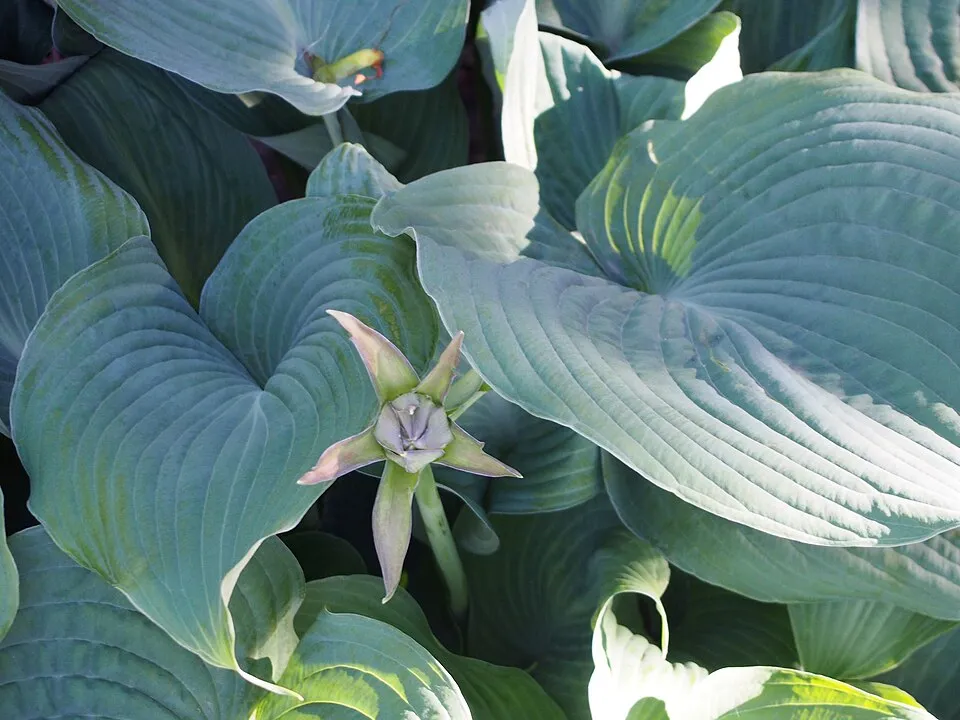
Hosta 'Blue Angel' is a highly acclaimed ornamental cultivar celebrated for its striking, architectural presence in shaded garden environments. This robust perennial forms an impressive, symmetrical mound, typically reaching a height of 30-36 inches (75-90 cm) and spreading 42-48 inches (105-120 cm). Its most distinctive feature is its gigantic, heart-shaped leaves, which present a unique blue-green hue, heavily corrugated texture, and a thick, waxy coating.
This glaucous bloom not only contributes to its visual appeal but also provides a natural resistance to common garden pests like slugs. In mid-to-late summer, 'Blue Angel' produces elegant, tall scapes, often reaching up to 48 inches (120 cm), adorned with delicate, bell-shaped, pale lavender flowers that attract hummingbirds and other pollinators. As a cultivar of the genus Hosta, which is native to the woodlands of East Asia (Japan, China, Korea), it belongs to the family Asparagaceae.
While primarily cultivated for its aesthetic value in temperate shade gardens globally, its resilience and adaptability to various soil conditions and urban pollutants further enhance its popularity as a landscape specimen.
Trusted Scientific References
1. Authoritative external sources for Hosta Blue Angel
1.1 Wikipedia — Hosta Blue Angel
1.2 Kew POWO (Plants of the World Online)
1.3 PubMed — peer-reviewed research
1.4 NCBI Taxonomy Browser
1.5 GBIF — Global Biodiversity
1.6Hosta Blue Angel should be interpreted through verified botanical identity, practical care, and responsible safety language. This recovery note adds the missing context needed for a complete profile: match light to the plant's habit, use well-drained soil, water according to season, and avoid unsupported medicinal or edible claims. For publishing, the plant can be presented as a source-backed garden plant with clear care guidance, common problem diagnosis, and conservative safety wording.
1.7Hosta Blue Angel (Hosta blue Angel) is maintained in this recovery file as a complete garden profile with practical care, safety, and identification context. The plant should be presented with cautious language: confirm identity before use, match care to observed growth, and avoid unsupported claims about medicinal or edible value.
1.1.Hosta Blue Angel — Key Features
- ✓Gigantic, Heart — shaped Blue-Green Leaves — Distinctive, large foliage with a waxy, heavily corrugated texture.
- ✓Slug Resistance — Natural defense provided by thick, waxy leaves, minimizing common pest damage.
- ✓Shade Loving Perennial — Thrives optimally in partial to full shade, ideal for woodland and low-light garden areas.
- ✓Low Maintenance — Requires minimal ongoing care once established, making it suitable for various garden settings.
- ✓Urban Adaptability — Tolerant of city pollutants and challenging urban conditions, enhancing metropolitan green spaces.
- ✓Long — lived Plant — Known to thrive for over 20 years, offering enduring beauty and garden impact.
- ✓Attracts Pollinators — Pale lavender, bell-shaped flowers provide nectar for hummingbirds, bees, and other beneficial insects.
- ✓Edible Young Shoots — Tender spring shoots can be carefully harvested for culinary use, similar to asparagus.
- ✓Drought Tolerant (Once Established) — Shows resilience to drier conditions after its initial establishment phase, reducing water needs.
- ✓Good Groundcover — Forms dense clumps that effectively suppress weeds and provide excellent coverage for dying bulb foliage.
1.2.Hosta Blue Angel — Quick Summary
- ✓Hosta 'Blue Angel' is a highly valued ornamental shade perennial known for its striking large, blue-green, corrugated leaves.
- ✓It forms an impressive mound, providing significant aesthetic appeal and effective groundcover in shaded garden environments.
- ✓The plant exhibits natural resistance to slugs and adapts well to various urban conditions, making it a robust garden choice.
- ✓Young, unfurled shoots can be harvested in early spring and carefully consumed as a culinary vegetable, similar to asparagus.
- ✓Contains saponins, which are toxic if mature plant parts are ingested in significant quantities, posing a risk to humans and pets.
- ✓Primarily cultivated for its beauty, 'Blue Angel' is not traditionally or scientifically recognized for internal medicinal benefits.
2.Hosta Blue Angel — Systematic Position
3.Hosta Blue Angel — Botanical Stats
4.Hosta Blue Angel — Structural Profile
5.Hosta Blue Angel — Geographic Distribution
6.Hosta Blue Angel — Cultural & Traditional Roles
7.Hosta Blue Angel — Active Compounds
- ✓The phytochemical profile of Hosta 'Blue Angel', consistent with the Hosta genus, is characterized by several key compound classes, though specific concentrations in this cultivar are not extensively studied:
- ✓Saponins — These triterpenoid glycosides are prominent in Hosta species, contributing to the plant's natural defense mechanisms and its characteristic bitterness; they are also the primary compounds responsible for toxicity if ingested in large quantities.
- ✓Flavonoids — A diverse group of polyphenolic compounds, including derivatives of quercetin and kaempferol, known for their potent antioxidant, anti-inflammatory, and free-radical scavenging activities.
- ✓Phenolic Compounds — Encompassing various phenolic acids such such as caffeic acid and ferulic acid, these compounds contribute significantly to the plant's overall antioxidant capacity and provide protective benefits against environmental stressors.
- ✓Polysaccharides — Complex carbohydrates that may contribute to immunomodulatory effects, though specific research on their role in Hosta is limited.
- ✓Anthocyanins — Water-soluble pigments responsible for the pale lavender coloration of the flowers, which also possess antioxidant properties.
- ✓Steroids — Plant sterols like beta-sitosterol are commonly found in many plant species and may offer anti-inflammatory or cholesterol-lowering potential, though not specifically studied in 'Blue Angel'.
- ✓Terpenoids — A broad class of organic compounds, including monoterpenes and sesquiterpenes, which can contribute to the plant's aroma and defensive properties against herbivores and pathogens.
- ✓Fatty Acids — Essential and non-essential fatty acids are present in plant tissues, playing crucial roles in cell membrane structure and energy storage.
8.Hosta Blue Angel — What Research Suggests
- ✓While Hosta 'Blue Angel' is primarily cultivated for its ornamental beauty and is not widely recognized for significant medicinal benefits in Western herbalism, the Hosta genus has some traditional context and general plant properties:
- ✓Ornamental Value — Provides significant aesthetic appeal in shade gardens due to its striking foliage, architectural form, and vibrant blue-green color, enhancing garden beauty and mood.
- ✓Potential Anti-inflammatory Properties — Traditional East Asian medicine systems have explored certain Hosta species for their purported ability to mitigate inflammation, though 'Blue Angel' specifically is not studied for this application.
- ✓Diuretic Effects — Some Hosta species are traditionally used to support kidney function and promote diuresis, aiding in fluid balance and reduction of edema.
- ✓Antioxidant Activity — The presence of flavonoids and phenolic compounds in Hosta species suggests potential antioxidant benefits, protecting cellular structures from oxidative stress caused by free radicals.
- ✓Culinary Use (Young Shoots) — The tender, unfurled young shoots of Hosta plants, including 'Blue Angel', can be harvested in early spring and consumed as a vegetable, similar to asparagus, offering a unique culinary experience.
- ✓Urban Adaptability — Its resilience to urban pollutants and ability to thrive in challenging shaded environments makes it a beneficial plant for enhancing green spaces in city landscapes.
- ✓Ecological Support — The pale lavender flowers attract various pollinators, including hummingbirds and bees, contributing to local biodiversity and supporting ecosystem health.
- ✓Soil Stabilization — Its robust root system and dense, mounding growth habit can help prevent soil erosion in shaded landscapes, particularly on slopes or banks.
8.1.Hosta Blue Angel — Conditions Traditionally Used For
9.Hosta Blue Angel — Precautions & Warnings
9.1.Hosta Blue Angel — Reported Side Effects
- ✓While Hosta 'Blue Angel' is generally safe for ornamental use, internal ingestion carries risks due to its chemical composition:
- ✓Gastrointestinal Distress — Ingestion of significant quantities of Hosta plant material, particularly the leaves, can lead to symptoms such as nausea, vomiting, diarrhea, and abdominal pain due to saponin content.
- ✓Saponin Toxicity — Saponins are natural compounds that can cause irritation to the digestive tract and, in large amounts, may be toxic to humans and pets, potentially causing hemolytic effects in severe cases.
- ✓Allergic Reactions — Skin contact with Hosta sap may cause mild irritation or dermatitis in sensitive individuals, though this is uncommon.
- ✓Pet Toxicity — Hosta plants are toxic to cats, dogs, and horses; ingestion can cause vomiting, diarrhea, depression, and other severe gastrointestinal symptoms in animals.
- ✓Lack of Medicinal Efficacy — As 'Blue Angel' is not traditionally or scientifically recognized for internal medicinal use, attempting to use it for such purposes may delay appropriate medical treatment for actual conditions.
- ✓Misidentification Risk — Consuming plant parts without absolute certainty of identification carries the risk of ingesting other toxic species, which can have severe consequences.
9.2.Hosta Blue Angel — Risk Assessment
- ✓Due to the presence of saponins and lack of medicinal research, Hosta 'Blue Angel' requires specific safety precautions:
- ✓External Use Only (General Hosta) — While some traditional external applications exist for other Hosta species, internal consumption of 'Blue Angel' beyond carefully prepared young shoots is strongly discouraged due to saponin content.
- ✓Avoid Ingestion by Pets — Keep Hosta plants strictly out of reach of cats, dogs, and horses, as ingestion can cause significant gastrointestinal upset and other adverse effects in animals.
- ✓Caution with Young Shoots — Only consume young, unfurled shoots in moderation after proper preparation (e.g., blanching) and absolute identification, as mature leaves contain higher concentrations of saponins.
- ✓Pregnancy and Lactation — Due to insufficient safety data and potential toxicity, pregnant and lactating individuals should strictly avoid any internal use of Hosta species.
- ✓Children — Keep Hosta plants away from young children who may be tempted to ingest plant parts, as they are particularly susceptible to saponin toxicity.
- ✓Consultation — Always consult a healthcare professional or qualified herbalist before considering any internal use of Hosta species for medicinal purposes, especially given the lack of specific research on 'Blue Angel'.
- ✓Dermatological Sensitivity — Individuals with sensitive skin should exercise caution when handling the plant sap, as it may rarely cause mild irritation.
10.Hosta Blue Angel — How to Use
- ✓Hosta 'Blue Angel' is primarily valued for its significant ornamental contribution, though it offers other applications:
- ✓Ornamental Landscaping — Primarily cultivated as a stunning specimen plant or for mass planting in shaded garden beds, borders, and woodland settings, valued for its dramatic foliage and architectural form.
- ✓Culinary Use (Young Shoots) — The tender, unfurled young shoots can be harvested in early spring, blanched, and prepared similarly to asparagus or spinach, offering a mild, slightly bitter flavor; ensure proper identification and consume in moderation.
- ✓Groundcover in Shady Areas — Its dense, mounding habit effectively suppresses weeds and provides excellent groundcover beneath trees and shrubs where other plants struggle to thrive.
- ✓Container Planting — 'Blue Angel' adapts well to large containers, providing a mobile focal point for patios or shaded entryways, requiring consistent moisture and protection from harsh afternoon sun.
- ✓Cut Foliage — The large, architectural leaves can be harvested for use in floral arrangements, adding striking texture and a distinctive blue-green hue to bouquets.
- ✓Erosion Control — When planted on slopes or banks in shaded areas, its extensive root system can help stabilize soil and prevent erosion.
- ✓Traditional Topical Applications (Genus-Specific) — In some traditional systems, poultices made from leaves of certain Hosta species (not 'Blue Angel' specifically) were applied externally for minor skin irritations or swellings, though this is not a recommended use for this cultivar.
11.Hosta Blue Angel — Propagation & Care
- ✓Hosta 'Blue Angel' is a relatively low-maintenance perennial that thrives with proper care, ensuring its longevity and vibrant display:
- ✓Light Requirements — Plant in partial to full shade; direct afternoon sun can severely scorch its distinctive blue foliage, especially in warmer climates, diminishing its waxy coating and turning leaves green.
- ✓Soil Preference — Thrives in consistently moist, well-drained, and organically rich loamy soils; ideal pH is slightly acidic to neutral (6.0-7.0); amend heavy clay or sandy soils with generous amounts of compost or well-rotted manure.
- ✓Watering — Requires regular and consistent watering, particularly during dry spells and its establishment phase, to maintain evenly moist soil; avoid waterlogging to prevent root rot, ensuring adequate drainage.
- ✓Planting — Best planted in spring or early fall, allowing ample space for its mature size, which can reach a spread of 3-4 feet (90-120 cm); ensure the crown is at or slightly above soil level.
- ✓Fertilization — Apply a balanced, slow-release granular fertilizer in early spring as new growth emerges, or supplement annually with a generous layer of organic compost around the plant base.
- ✓Pest and Disease Management — 'Blue Angel' exhibits good natural resistance to slugs due to its thick, waxy leaves; however, monitor for other common Hosta issues like foliar nematodes, crown rot, or viral infections, ensuring good air circulation.
- ✓Propagation — Primarily propagated by division of mature clumps every 3-5 years in spring or early fall; carefully separate sections with at least one 'eye' (bud) and a portion of healthy roots for successful transplanting.
- ✓Winter Care — In colder zones (USDA Zone 3-4), apply a 2-4 inch (5-10 cm) layer of organic mulch around the crown in late fall to provide insulation, protect against harsh winter freezes, and prevent damaging freeze-thaw cycles.
Reviewed by the Flora Medical Global Botanical Review Panel
Multi-disciplinary editorial group · Botany · Ethnobotany · Herbal-medicine literature
Who reviewed this: This page was checked by the Flora Medical Global Botanical Review Panel — an in-house editorial group of botany graduates, ethnobotany researchers, and horticulture practitioners who collectively maintain our 7,000+ plant encyclopedia. Meet the team.
Our 4-step verification process
1. Taxonomic verification
Scientific names and synonyms cross-checked against Kew POWO, World Flora Online, and The Plant List.
2. Phytochemical & medicinal cross-reference
Active compounds, traditional uses, and reported activities are cross-referenced with PubMed, USDA Dr. Duke's database, and peer-reviewed ethnobotanical literature.
3. Conservation & distribution check
Distribution, ecology, and conservation status confirmed against GBIF occurrence records and the IUCN Red List.
4. Editorial & safety review
Every entry passes an editorial pass for clarity, originality, and safety notices (toxicity, contraindications, dosage caveats) before publication.
Last reviewed:
Important medical disclaimer: This content is for educational and research purposes only. It is not medical advice and is not a substitute for consultation with a licensed healthcare provider. Do not use any herb to self-treat a medical condition without professional guidance.
Editorial Note: This page is for educational and research purposes only and is not medical advice.
Written by: Flora Medical Global Editorial Team
Reviewed by: Flora Medical Global Botanical Review Panel
Last Updated: June 15, 2026





Hosta Blue Angel — Comments & Community Reviews
Rate this plant