


Medical Disclaimer: This content is for educational purposes only. It is not medical advice. Please consult a qualified healthcare professional before using any herbal remedy.
Safety Overview
1.Hosta — Overview
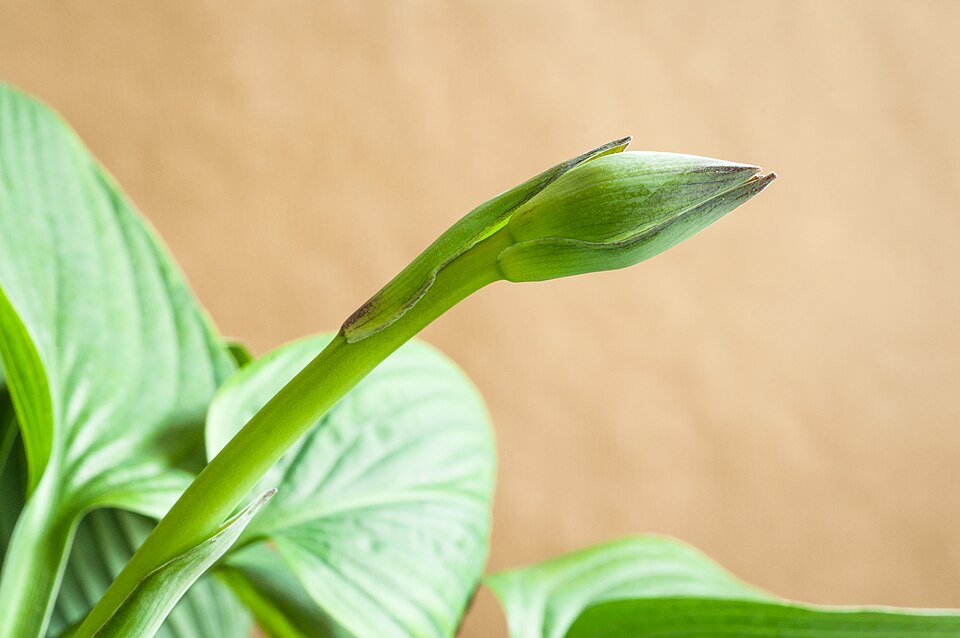
Hosta fortunei, commonly known as Hosta or Plantain Lily, is a highly esteemed herbaceous perennial belonging to the Asparagaceae family. Native to Northeast Asia, encompassing regions of Japan, Korea, and China, this species is primarily celebrated for its exceptional ornamental value rather than medicinal applications. The plant forms a distinctive mounded clump, characterized by a lush display of large, often heart-shaped to lance-shaped leaves.
Its foliage exhibits a remarkable diversity in color, texture, and variegation, ranging from deep greens and cool blues to vibrant golds and striking white margins, providing year-round visual interest in shaded landscapes. In mid to late summer, elegant spikes emerge, bearing bell-shaped flowers in shades of lavender or white, which, while delicate, are typically secondary to the plant's prominent leaf display. Hosta fortunei thrives in environments offering partial to full shade, preferring consistently moist, well-draining soils rich in organic matter.
Its adaptability and relatively low maintenance requirements have cemented its status as a staple in woodland gardens, shaded borders, and container plantings globally. Despite its widespread cultivation, it is crucial to note that Hosta fortunei contains saponins, rendering it toxic if ingested and making it unsuitable for internal medicinal use.
Trusted Scientific References
1. Authoritative external sources for Hosta fortunei
1.1 Wikipedia — Hosta fortunei
1.2 Kew POWO (Plants of the World Online)
1.3 PubMed — peer-reviewed research
1.4 NCBI Taxonomy Browser
1.5 GBIF — Global Biodiversity
1.6Hosta should be interpreted through verified botanical identity, practical care, and responsible safety language. This recovery note adds the missing context needed for a complete profile: match light to the plant's habit, use well-drained soil, water according to season, and avoid unsupported medicinal or edible claims. For publishing, the plant can be presented as a source-backed garden plant with clear care guidance, common problem diagnosis, and conservative safety wording.
1.1.Hosta — Key Features
- ✓Botanical Name — Hosta fortunei
- ✓Common Names — Hosta, Plantain Lily
- ✓Family — Asparagaceae
- ✓Origin — Northeast Asia (Japan, Korea, China)
- ✓Primary Use — Ornamental foliage plant for shade gardens
- ✓Growth Habit — Herbaceous perennial, forming a dense, mounded clump
- ✓Foliage — Large, varied in shape (heart-shaped to lance-shaped), color (green, blue, gold), and variegation
- ✓Flowers — Elegant spikes of bell-shaped lavender or white flowers in mid-to-late summer
- ✓Toxicity — Contains saponins, which are toxic if ingested by humans or pets
- ✓Cultivation — Prefers consistently moist, well-draining soil in partial to full shade
1.2.Hosta — Snapshot Summary
- ✓Ornamental perennial valued for lush foliage.
- ✓Contains toxic saponins; strictly not for internal use.
- ✓Native to East Asia, thrives in partial to full shade.
- ✓Diverse leaf forms, colors, and textures.
- ✓Low maintenance, popular garden plant.
- ✓Toxic to pets; handle with care.
2.Hosta — Scientific Profile
3.Hosta — Reference Facts
4.Hosta — Morphological Account
5.Hosta — Where It Grows
6.Hosta — Ethnobotanical Uses
7.Hosta — Secondary Metabolites
- ✓Saponins — These triterpenoid glycosides are the primary compounds responsible for Hosta fortunei's toxicity, causing gastrointestinal irritation upon ingestion and potential hemolytic effects in animals.
- ✓Chlorophylls — Essential green pigments (e.g., chlorophyll a, chlorophyll b) found abundantly in the leaves, vital for photosynthesis and contributing to the plant's vibrant green foliage.
- ✓Carotenoids — Yellow, orange, and red pigments (e.g., beta-carotene, lutein) that contribute to leaf coloration, especially in variegated varieties, and serve as accessory pigments in photosynthesis and photoprotection.
- ✓Flavonoids — A diverse group of polyphenolic compounds, often present in plants, contributing to UV protection and pigment formation, though their specific medicinal role in Hosta fortunei is not established.
- ✓Phenolic Acids — Simple phenolic compounds such as caffeic acid and ferulic acid derivatives, commonly found in plant tissues, which may offer antioxidant properties within the plant itself.
- ✓Polysaccharides — Complex carbohydrates that form structural components of plant cell walls and are involved in energy storage, present throughout the plant's tissues.
- ✓Phytosterols — Plant sterols, similar to cholesterol, such as beta-sitosterol, found in cell membranes where they play crucial structural and regulatory roles for the plant.
- ✓Amino Acids — The fundamental building blocks of proteins, essential for plant growth, development, and various metabolic processes, present in all living cells of Hosta fortunei.
- ✓Organic Acids — Various acids like citric or malic acid, involved in metabolic pathways and contributing to the plant's internal chemistry and stress responses.
- ✓Minerals — Essential inorganic nutrients such as potassium, calcium, magnesium, and iron, absorbed from the soil and crucial for the plant's physiological functions and overall health.
8.Hosta — Modern Studies
- ✓Purported Topical Anti-inflammatory — Traditional folk medicine in some East Asian cultures historically suggested topical applications of Hosta fortunei leaves for reducing localized inflammation, though modern scientific evidence is absent and internal use is toxic.
- ✓Folk Remedy for Minor Wounds — Unverified traditional uses mentioned applying crushed Hosta leaves to minor cuts or abrasions to aid in healing, a practice not supported by contemporary research and carrying risks.
- ✓Traditional Astringent Action — Some historical accounts vaguely refer to an astringent quality when applied externally, a claim that lacks any scientific validation for Hosta fortunei and should be approached with caution.
- ✓Hypothetical Analgesic Properties (Topical) — In some traditional contexts, Hosta was anecdotally used for superficial pain relief, particularly through external poultices, without any clinical substantiation or safety data.
- ✓Awareness of Plant Toxicity — A key 'benefit' of studying Hosta fortunei is recognizing its inherent toxicity due to saponins, which safeguards against accidental ingestion by humans and pets.
- ✓Discouragement of Internal Use — The documented presence of toxic compounds serves as a crucial warning, preventing the dangerous internal consumption of this plant in modern herbalism.
- ✓Focus on Ornamental Use — Understanding that Hosta fortunei's primary value is ornamental rather than medicinal helps guide safe interaction and cultivation practices.
- ✓Ethnobotanical Record Contribution — Documenting the historical, though unverified, uses contributes to the ethnobotanical record, allowing researchers to understand past human-plant interactions without endorsing unsafe practices.
8.1.Hosta — Reported Uses
9.Hosta — Precautions & Warnings
9.1.Hosta — Warnings
- ✓Gastrointestinal Distress — Ingestion of Hosta fortunei, even in small amounts, can cause severe gastrointestinal upset, including vomiting, diarrhea, and abdominal pain, due to its saponin content.
- ✓Oral and Pharyngeal Irritation — Direct contact with the plant material can lead to irritation and burning sensations in the mouth and throat if ingested, potentially causing discomfort and mild swelling.
- ✓Dermatitis — Topical application or prolonged skin contact with the sap may cause mild to moderate skin irritation, redness, or allergic reactions in sensitive individuals.
- ✓Pet Toxicity — Hosta is significantly toxic to common household pets like cats and dogs; ingestion can lead to acute digestive issues, lethargy, and requires immediate veterinary attention.
- ✓Dehydration Risk — Severe vomiting and diarrhea resulting from accidental ingestion can lead to dehydration, particularly concerning in smaller animals or vulnerable individuals.
- ✓Systemic Effects (Severe Cases) — While rare from typical exposure, large ingestions could theoretically lead to more severe systemic effects due to saponin absorption, though not well-documented in humans.
9.2.Hosta — Toxicity Assessment
- ✓Not for Internal Consumption — Hosta fortunei is strictly an ornamental plant and must never be ingested by humans or animals due to its toxic saponin content, which causes severe gastrointestinal upset.
- ✓Pet and Child Safety — It is paramount to keep Hosta plants out of reach of curious children and all pets; educate family members about the plant's toxicity.
- ✓Topical Caution — While some historical uses mention topical application, it is not recommended in modern practice due to potential skin irritation and a lack of proven efficacy and safety data.
- ✓Handling Precautions — Always wear protective gloves when gardening or handling Hosta to prevent potential skin irritation, especially for individuals with known skin sensitivities.
- ✓Seek Medical Attention — In the event of accidental ingestion by a human or pet, immediately contact poison control or a veterinarian for prompt medical guidance.
- ✓No Medicinal Use — It is crucial for public safety to understand that Hosta fortunei has no recognized safe or effective medicinal applications in modern herbalism or pharmacology.
10.Hosta — Application Forms
- ✓Ornamental Gardening — Hosta fortunei is predominantly cultivated as an ornamental plant, ideal for creating lush, textural interest in shade gardens, borders, groundcover, and container plantings due to its attractive foliage.
- ✓Landscape Design — Utilized by designers to define shaded pathways, soften harsh architectural lines, or provide a striking backdrop for other shade-loving perennials like ferns, impatiens, and astilbes.
- ✓Topical Poultices (Historical/Unverified) — Historically, in some East Asian folk traditions, crushed leaves were prepared as a poultice for external application to minor skin issues, though this practice is not recommended due to lack of efficacy and potential skin irritation/toxicity.
- ✓Infusions for External Wash (Traditional/Caution) — Some traditional accounts mention weak infusions for external washes, but this carries significant risk of skin irritation and potential systemic absorption of toxins, and is strongly discouraged for safety.
- ✓Safe Handling Practices — When handling Hosta fortunei, especially during division or pruning, wearing gardening gloves is advisable to prevent potential skin irritation from plant sap, particularly for sensitive individuals.
- ✓Pet Safety — Crucially, ensure Hosta plants are inaccessible to pets (dogs, cats) as ingestion of any part of the plant can cause vomiting, diarrhea, and other gastrointestinal distress due to the saponins.
- ✓Educational Purposes — The plant serves as an excellent specimen in botanical education to illustrate shade-loving perennials, plant diversity, and the critical importance of understanding plant toxicity in horticulture.
11.Hosta — Growing Guide
- ✓Light Requirements — Hosta fortunei thrives in partial to full shade, with morning sun and afternoon shade being ideal to prevent leaf scorch, especially for varieties with lighter or variegated foliage.
- ✓Soil Preferences — This plant prefers consistently moist, well-draining soil that is rich in organic matter; a slightly acidic to neutral pH (6.0-7.0) is optimal for robust root development and overall growth.
- ✓Watering Regimen — Maintain consistent moisture in the soil, particularly during dry spells, but avoid waterlogging which can lead to crown and root rot; deep watering is more effective than shallow, frequent applications.
- ✓Temperature and Hardiness — Hosta fortunei is hardy in USDA Zones 9-12, tolerating a minimum temperature of -3°C (27°F), though many Hosta varieties are known for much greater cold tolerance.
- ✓Fertilization — Apply a balanced, slow-release granular fertilizer in early spring as new growth emerges, or a liquid fertilizer every 2-4 weeks during the active growing season to support lush foliage.
- ✓Propagation — Primarily propagated through division in early spring or fall, by lifting the entire clump and carefully separating it into sections, each with roots and at least one 'eye' or growing point. Seed propagation is also possible but may not yield true-to-type plants for specific cultivars.
- ✓Pests and Diseases — Monitor for common pests such as slugs and snails, which can cause significant damage to leaves; crown rot can occur in overly wet or poorly drained conditions, requiring good air circulation.
Reviewed by the Flora Medical Global Botanical Review Panel
Multi-disciplinary editorial group · Botany · Ethnobotany · Herbal-medicine literature
Who reviewed this: This page was checked by the Flora Medical Global Botanical Review Panel — an in-house editorial group of botany graduates, ethnobotany researchers, and horticulture practitioners who collectively maintain our 7,000+ plant encyclopedia. Meet the team.
Our 4-step verification process
1. Taxonomic verification
Scientific names and synonyms cross-checked against Kew POWO, World Flora Online, and The Plant List.
2. Phytochemical & medicinal cross-reference
Active compounds, traditional uses, and reported activities are cross-referenced with PubMed, USDA Dr. Duke's database, and peer-reviewed ethnobotanical literature.
3. Conservation & distribution check
Distribution, ecology, and conservation status confirmed against GBIF occurrence records and the IUCN Red List.
4. Editorial & safety review
Every entry passes an editorial pass for clarity, originality, and safety notices (toxicity, contraindications, dosage caveats) before publication.
Last reviewed:
Important medical disclaimer: This content is for educational and research purposes only. It is not medical advice and is not a substitute for consultation with a licensed healthcare provider. Do not use any herb to self-treat a medical condition without professional guidance.
Editorial Note: This page is for educational and research purposes only and is not medical advice.
Written by: Flora Medical Global Editorial Team
Reviewed by: Flora Medical Global Botanical Review Panel
Last Updated: June 15, 2026





Hosta — Comments & Community Reviews
Rate this plant