
Medical Disclaimer: This content is for educational purposes only. It is not medical advice. Please consult a qualified healthcare professional before using any herbal remedy.
Safety Overview
1.Hovenia — Overview
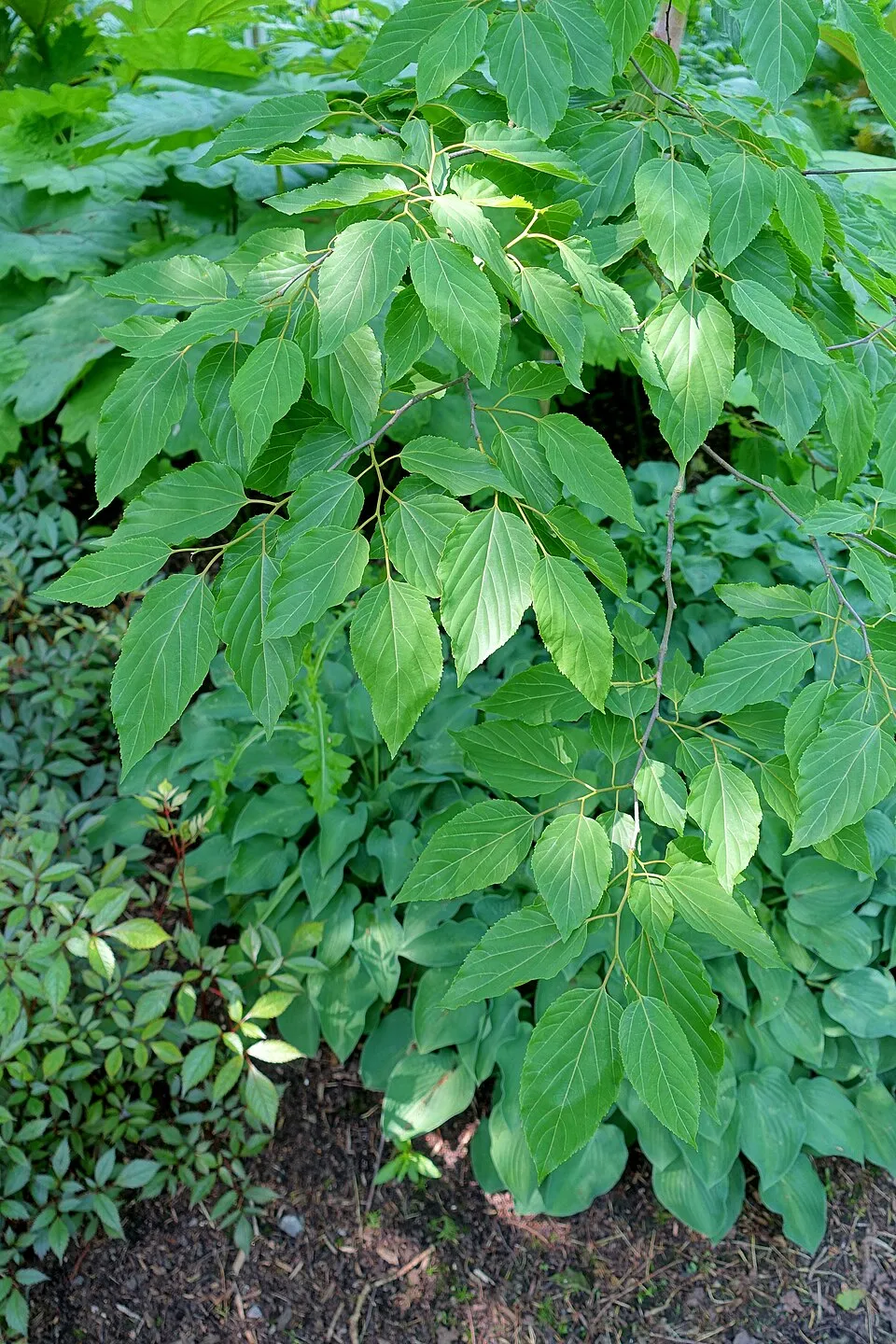
Hovenia dulcis, commonly known as the Chinese Raisin Tree or Japanese Raisin Tree, is a fascinating deciduous tree belonging to the Rhamnaceae family, which also includes diverse genera like buckthorns and jujubes. This resilient species typically attains a height of 10 to 15 meters, though some mature specimens can reach up to 30 meters under optimal conditions. Its botanical grandeur is marked by broad, ovate leaves that are arranged alternately along the stems. Each leaf can measure up to 10 cm in length and 5 cm in width, showcasing a lustrous, dark green adaxial (upper) surface that contrasts beautifully with a paler, often slightly pubescent abaxial (underside). During the spring season, Hovenia dulcis adorns itself with small, inconspicuous white to yellowish-green flowers, which are borne in delicate axillary racemes, contributing a subtle charm rather than overt floral display. The tree’s bark is characteristically smooth and grayish-brown in its youth, gradually developing distinct fissures and furrows as it ages, adding to its mature aesthetic.
Native to the temperate regions of East Asia, its natural habitat spans across China, Japan, and Korea, where it thrives in well-drained, fertile loamy soils. Its adaptability to varying environmental conditions, including urban settings and less-than-ideal soil compositions, has made it a popular choice for reforestation efforts and ornamental landscaping beyond its indigenous range, including parts of the USA, Australia, and New Zealand. The most distinctive feature of Hovenia dulcis is its fleshy, swollen peduncles, which are often mistaken for the fruit itself. These peduncles, which develop after the small, nut-like drupes (the actual fruit) ripen in late summer to early autumn, become remarkably sweet, succulent, and somewhat grape-like in texture and flavor. This unique characteristic is the origin of its common name, 'Raisin Tree,' as the dried peduncles resemble raisins. Taxonomically, it is classified within the genus Hovenia, with closely related species such as H.
acerba and H. dulcis var. tomentella also recognized for their traditional medicinal value. Historically, Hovenia dulcis has held profound significance in traditional East Asian medicine systems, particularly Traditional Chinese Medicine (TCM), where its various parts—especially the fruit and seeds—have been revered for centuries for their purported hepatoprotective, detoxifying, and metabolic-regulating properties. Its ecological re ...[CURRENT TEXT EXISTS: 2836 chars]
1.1.Hovenia — Key Features
- ✓Chinese Raisin Tree, — Chinese Raisin Tree, Japanese Raisin Tree, Oriental Raisin Tree.
- ✓Deciduous tree, typically 10 — 15 meters tall.
- ✓Native to East — Native to East Asia (China, Japan, Korea).
- ✓Fleshy, sweet, edible — Fleshy, sweet, edible peduncles that resemble raisins.
- ✓Renowned for significant — Renowned for significant hepatoprotective benefits.
- ✓Highly effective in — Highly effective in supporting alcohol detoxification.
- ✓Contains high concentrations — Contains high concentrations of Dihydromyricetin (Ampelopsin).
- ✓Powerful natural antioxidant — Powerful natural antioxidant properties.
- ✓Exhibits notable anti — inflammatory actions.
- ✓A cornerstone herb — A cornerstone herb in Traditional Chinese Medicine.
- ✓Demonstrates potential antidiabetic — Demonstrates potential antidiabetic effects.
- ✓Adaptable and resilient, — Adaptable and resilient, used for landscaping.
- ✓Rich source of — Rich source of diverse triterpene saponins.
- ✓Supports overall metabolic — Supports overall metabolic health and energy.
- ✓Traditional remedy for — Traditional remedy for hangovers and liver disorders.
1.2.Hovenia — At-a-Glance Summary
- ✓Hovenia dulcis, or Chinese Raisin Tree, is an East Asian deciduous tree.
- ✓Valued for its significant hepatoprotective and detoxifying properties.
- ✓Rich in potent flavonoids, especially dihydromyricetin, and triterpene saponins.
- ✓Traditionally used in TCM for hangover relief and comprehensive liver support.
- ✓Exhibits strong antioxidant, anti-inflammatory, and potential antidiabetic effects.
- ✓Its unique, sweet peduncles are edible and consumed as a food supplement.
- ✓Caution is advised for pregnant/lactating individuals, children, and those on specific medications.
- ✓Supports overall metabolic balance and general wellness.
2.Hovenia — Taxonomic Classification
3.Hovenia — Botanical Stats
4.Hovenia — Morphological Account
5.Hovenia — Where It Grows
6.Hovenia — Ethnobotanical Uses
7.Hovenia — Bioactive Constituents
- ✓Dammarane-type Triterpene Saponins — Found extensively in the root, bark, and leaves, these compounds are known for their hepatoprotective, anti-inflammatory, and antidiabetic activities, contributing significantly to Hovenia dulcis's medicinal profile.
- ✓Flavonoids — A broad class of compounds including dihydrokaempferol, quercetin, kaempferol, 3,3′,5′,5,7-pentahydroflavone, myricetin, and gallocatechin, primarily isolated from seeds and fruits. They are powerful antioxidants and contribute to anti-inflammatory and hepatoprotective effects.
- ✓Dihydroflavonols — Key examples are dihydromyricetin (ampelopsin) and hovenodulinol, predominantly found in the fruits. These are crucial for the plant's anti-alcohol intoxication and liver-protective properties.
- ✓Flavonols — Myricetin and gallocatechin, present in the fruits, are potent antioxidants that scavenge free radicals and support cellular health.
- ✓Alkaloids — Specific alkaloids like frangulanin (from root and bark) and perlolyrin (from seeds) are identified. These compounds often possess diverse pharmacological activities, although their precise roles in H. dulcis are still under investigation.
- ✓Organic Acids — Vanillic acid and ferulic acid have been identified in hot water extracts from the seeds. These phenolic acids are known for their antioxidant and anti-inflammatory benefits.
- ✓Polysaccharides — Abundant in the fleshy peduncles, these complex carbohydrates are responsible for the peduncles' sweet taste and contribute to their use as a food supplement, potentially offering immunomodulatory effects.
- ✓Phenolic Compounds — A general category encompassing many flavonoids and organic acids, contributing broadly to the plant's antioxidant and protective effects against cellular damage.
- ✓Anthocyanins — Pigments that may contribute to the color of the fruit and peduncles, also possessing antioxidant properties.
- ✓Sterols — Plant sterols are present and can contribute to cholesterol-lowering effects, often found in various plant parts.
- ✓Amino Acids — As an edible fruit, the peduncles contain various amino acids, contributing to its nutritional value and overall health benefits.
- ✓Vitamins and Minerals — The fruit and peduncles are sources of essential vitamins and minerals, supporting general metabolic functions and well-being.
8.Hovenia — Research Insights
- ✓Hepatoprotective Action — Hovenia dulcis is renowned for its profound liver-protecting capabilities. Its active compounds, particularly dihydromyricetin, help shield liver cells from damage caused by toxins, including alcohol, by enhancing detoxification pathways and reducing oxidative stress.
- ✓Alcohol Detoxification — The plant's extracts, especially from its fruit and peduncles, are traditionally and scientifically recognized for accelerating the metabolism and clearance of alcohol from the body. This action significantly reduces blood alcohol concentration and mitigates alcohol-induced liver injury.
- ✓Hangover Alleviation — By aiding in alcohol detoxification and protecting liver function, Hovenia dulcis effectively reduces the severity and duration of hangover symptoms. It helps combat headaches, nausea, and fatigue associated with excessive alcohol consumption.
- ✓Antioxidant Properties — Rich in flavonoids like quercetin, kaempferol, and myricetin, Hovenia dulcis exhibits potent antioxidant activity. These compounds neutralize harmful free radicals, protecting cellular integrity and preventing oxidative damage throughout the body.
- ✓Anti-inflammatory Effects — The various phytochemicals present in Hovenia dulcis, including saponins and phenolic acids, demonstrate significant anti-inflammatory actions. They can modulate inflammatory pathways, potentially reducing chronic inflammation and related conditions.
- ✓Antidiabetic Potential — Emerging research suggests that Hovenia dulcis may play a role in blood sugar regulation. Compounds within the plant could help improve insulin sensitivity and lower elevated glucose levels, offering benefits for metabolic health.
- ✓Anticancer Activity — Preliminary in vitro studies indicate potential anticancer properties, with extracts showing the ability to inhibit the proliferation of certain cancer cells. This area requires further extensive research to understand its full therapeutic scope.
- ✓Diuretic Effects — The seeds of Hovenia dulcis are traditionally used for their diuretic properties. They assist the body in eliminating excess fluids, which can be beneficial in conditions involving fluid retention or edema.
- ✓Antimicrobial Activity — Extracts from the fruits and peduncles have demonstrated mild antimicrobial effects against certain pathogens. This contributes to the plant's traditional use in maintaining overall wellness and fighting minor infections.
- ✓Digestive Support — In traditional systems like Ayurveda, Hovenia dulcis is employed to enhance digestive function. It is believed to stimulate appetite and improve the efficiency of nutrient absorption, contributing to gastrointestinal health.
- ✓Neuroprotective Effects — Given its antioxidant and anti-inflammatory properties, Hovenia dulcis may offer neuroprotective benefits, particularly in mitigating alcohol-induced cognitive impairment and protecting brain cells from oxidative damage.
- ✓Cardiovascular Health — The plant's ability to reduce oxidative stress, inflammation, and potentially regulate blood lipids contributes to overall cardiovascular well-being. It helps maintain healthy blood vessel function and supports heart health.
- ✓Immune System Modulation — Polysaccharides found in the peduncles, along with other active compounds, may help modulate the immune system. This can enhance the body's natural defense mechanisms and resilience against various illnesses.
- ✓Metabolic Syndrome Management — Through its combined effects on liver health, blood sugar regulation, and antioxidant capacity, Hovenia dulcis shows promise in supporting the management of metabolic syndrome and its associated risk factors.
- ✓Anti-fatigue Properties — Traditional uses suggest that Hovenia dulcis can help combat general fatigue, especially that linked to liver strain or metabolic imbalances, promoting increased energy and vitality.
8.1.Hovenia — Indications & Uses
9.Hovenia — Precautions & Warnings
9.1.Hovenia — Side Effects & Warnings
- ✓Gastrointestinal Upset — High doses or sensitive individuals may experience mild stomach discomfort, nausea, or diarrhea.
- ✓Allergic Reactions — Though rare, some individuals might develop allergic responses, such as skin rashes or itching, upon consumption or contact.
- ✓Hypoglycemia Risk — Due to its potential to lower blood sugar, Hovenia dulcis may interact with antidiabetic medications, leading to hypoglycemia.
- ✓Hypotension Potential — It could potentially lower blood pressure, posing a risk for individuals on antihypertensive medications or those with naturally low blood pressure.
- ✓Drug Interactions — May interact with medications metabolized by the liver, including certain sedatives, anticoagulants, or other drugs, due to its influence on liver enzymes.
- ✓Excessive Diuretic Effect — Overconsumption of seed extracts with diuretic properties could lead to dehydration and electrolyte imbalances.
- ✓Sedative Interactions — Caution is advised when combining with other central nervous system depressants due to potential additive sedative effects.
- ✓Liver Enzyme Changes — While generally hepatoprotective, in very rare or sensitive cases, paradoxical liver enzyme elevations might occur, requiring medical evaluation.
- ✓Headache — Some individuals might report headaches, particularly at higher doses, though this is not a common side effect.
- ✓Unknown Long-Term Effects — Long-term safety data in humans is still limited, so prolonged use should be approached with caution.
9.2.Hovenia — Toxicity Assessment
- ✓Pregnancy and Lactation — Avoid use during pregnancy and breastfeeding due to insufficient safety data to confirm its harmlessness to the fetus or infant.
- ✓Children — Not recommended for use in children without explicit medical advice and supervision from a qualified healthcare practitioner.
- ✓Pre-existing Medical Conditions — Individuals with liver disease, diabetes, cardiovascular conditions, or kidney disorders should consult a healthcare professional before use.
- ✓Medication Interactions — Exercise extreme caution and consult a doctor if taking antidiabetic drugs, antihypertensives, anticoagulants, or any medications metabolized by the liver.
- ✓Recommended Dosage — Adhere strictly to recommended dosages provided by reputable sources or healthcare professionals to minimize the risk of adverse effects.
- ✓Product Quality — Always source Hovenia dulcis products from reputable manufacturers to ensure purity, potency, and freedom from contaminants or adulterants.
- ✓Discontinue Use — Discontinue consumption immediately if any adverse reactions or allergic symptoms, such as rash, difficulty breathing, or severe gastrointestinal upset, occur.
- ✓Prior to Surgery — It is advisable to discontinue Hovenia dulcis at least two weeks before any scheduled surgery due to its potential effects on blood sugar and blood pressure.
- ✓Monitoring — Individuals with underlying health conditions using Hovenia dulcis should monitor their blood sugar and blood pressure regularly.
- ✓Professional Guidance — For any chronic conditions or concurrent medication use, professional medical and herbalist guidance is strongly recommended before initiating Hovenia dulcis supplementation.
10.Hovenia — Preparation & Dosage
- ✓Decoction — Dried fruit, seeds, or bark are simmered in water for an extended period to extract therapeutic compounds, commonly used in traditional medicine for liver support.
- ✓Infusion — Dried leaves or flowers can be steeped in hot water for a shorter duration to create a herbal tea, often consumed for general wellness or mild digestive aid.
- ✓Tincture — An alcohol-based extract prepared by soaking fresh or dried plant material (typically fruit or bark) in ethanol, allowing for concentrated and long-lasting preparations.
- ✓Powder — Dried fruit or seeds are ground into a fine powder, which can then be encapsulated, mixed into beverages, or added to foods as a supplement.
- ✓Syrups and Extracts — Concentrated liquid extracts of the fruit or peduncles are often prepared, particularly for commercial hangover relief products due to their high dihydromyricetin content.
- ✓Culinary Use — The fresh, sweet, fleshy peduncles are edible and can be consumed raw as a snack, added to fruit salads, or used in desserts.
- ✓Food Supplement — Dried peduncles are sometimes used as a natural sweetener or a dietary fiber supplement in various food products.
- ✓Juices and Smoothies — Fresh or rehydrated peduncles can be blended into juices or smoothies for a nutritious and tasty beverage.
- ✓Topical Application — While less common, extracts might be incorporated into poultices or compresses for external application to address localized inflammation, though this use is not widely documented.
- ✓Standardized Extracts — Commercial preparations often utilize standardized extracts to ensure consistent levels of key active compounds, such as dihydromyricetin, for reliable therapeutic effects.
- ✓Traditional Wine Additive — In some East Asian cultures, the fruit or peduncles are added to alcoholic beverages during fermentation, purportedly to enhance taste and mitigate adverse effects.
11.Hovenia — Growth Requirements
- ✓Climate — Hovenia dulcis thrives in temperate climates, tolerating a wide range of temperatures and is hardy in USDA zones 5-9.
- ✓Soil Requirements — Prefers well-drained, fertile soils with a slightly acidic to neutral pH (6.0-7.0), but shows adaptability to various soil types.
- ✓Sunlight Exposure — Requires full sun to partial shade for optimal growth and fruit production, with more sun leading to better yields.
- ✓Propagation — Can be propagated from seeds, which often require stratification for successful germination, or from hardwood cuttings taken in late winter.
- ✓Watering — Requires consistent moisture, especially during its establishment phase and dry periods, but is relatively drought-tolerant once mature.
- ✓Fertilization — Benefits from a balanced, slow-release fertilizer application in early spring to support vigorous growth and fruit development.
- ✓Pest and Disease Management — Generally resistant to most common pests and diseases, though occasional issues with aphids or scale insects may occur, managed with organic horticultural oils.
- ✓Pruning — Minimal pruning is needed, primarily for shaping the canopy, removing dead or diseased branches, and improving air circulation within the tree.
- ✓Harvesting — The fleshy peduncles and actual fruits ripen in late summer to early autumn, typically harvested when they become sweet and slightly wrinkled.
- ✓Spacing — Allow ample space, at least 6-9 meters (20-30 feet) between trees, to accommodate their mature size and root spread.
- ✓Cold Hardiness — Exhibiting good cold hardiness, it can withstand winter temperatures down to approximately -20°C (-4°F).
- ✓Urban Tolerance — Highly adaptable to urban environments, tolerating pollution and varying soil conditions, making it suitable for city landscaping.
Reviewed by the Flora Medical Global Botanical Review Panel
Multi-disciplinary editorial group · Botany · Ethnobotany · Herbal-medicine literature
Who reviewed this: This page was checked by the Flora Medical Global Botanical Review Panel — an in-house editorial group of botany graduates, ethnobotany researchers, and horticulture practitioners who collectively maintain our 7,000+ plant encyclopedia. Meet the team.
Our 4-step verification process
1. Taxonomic verification
Scientific names and synonyms cross-checked against Kew POWO, World Flora Online, and The Plant List.
2. Phytochemical & medicinal cross-reference
Active compounds, traditional uses, and reported activities are cross-referenced with PubMed, USDA Dr. Duke's database, and peer-reviewed ethnobotanical literature.
3. Conservation & distribution check
Distribution, ecology, and conservation status confirmed against GBIF occurrence records and the IUCN Red List.
4. Editorial & safety review
Every entry passes an editorial pass for clarity, originality, and safety notices (toxicity, contraindications, dosage caveats) before publication.
Last reviewed:
Important medical disclaimer: This content is for educational and research purposes only. It is not medical advice and is not a substitute for consultation with a licensed healthcare provider. Do not use any herb to self-treat a medical condition without professional guidance.
Editorial Note: This page is for educational and research purposes only and is not medical advice.
Written by: Flora Medical Global Editorial Team
Reviewed by: Flora Medical Global Botanical Review Panel
Last Updated: June 15, 2026





Hovenia — Comments & Community Reviews
Rate this plant