
Medical Disclaimer: This content is for educational purposes only. It is not medical advice. Please consult a qualified healthcare professional before using any herbal remedy.
Safety Overview
1.Hoya Krohniana — Essential Profile
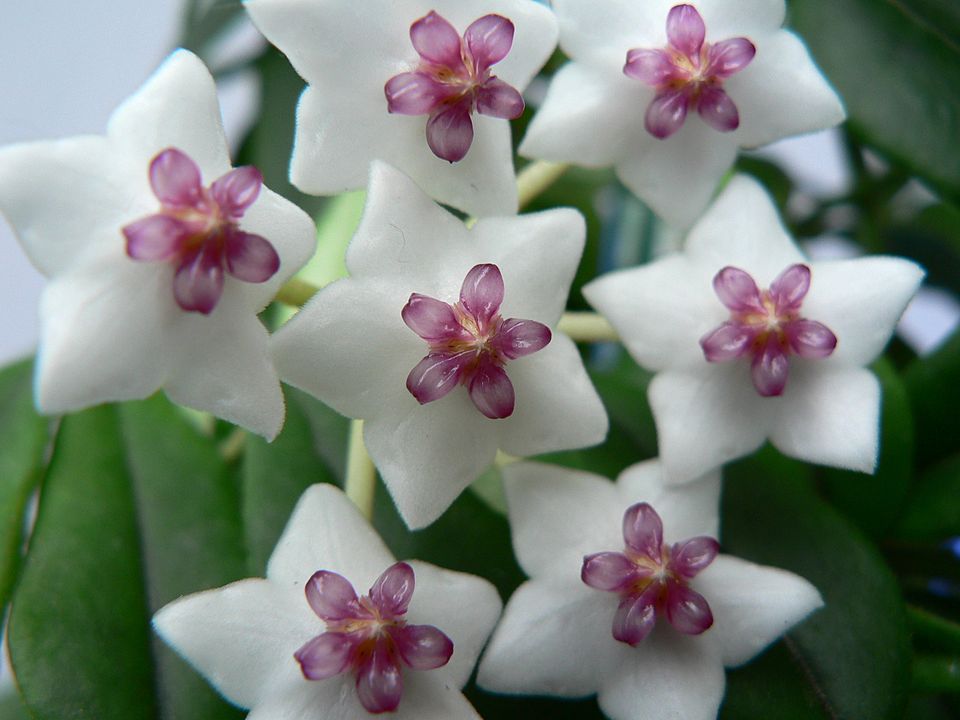
Hoya krohniana, affectionately known as the 'Heart-Leaf Lacunosa' before its distinct taxonomic recognition, is an enchanting species of wax plant native to the lush tropical rainforests of the Philippines. This vining epiphyte naturally clings to trees, showcasing a graceful trailing habit that also lends itself well to trellising in cultivation. Its most distinguishing feature lies in its small, thick, and fleshy leaves, typically measuring 2-4 cm in length, which are distinctly ovate to cordate, giving them a charming heart-shaped appearance.
The foliage is usually a deep, dark green, often adorned with attractive splashes or flecks of silver or white, notably prominent in the 'Eskimo' cultivar. These thick leaves serve as water storage, allowing the plant to endure brief dry spells, a characteristic often indicative of its lowland rainforest origins rather than constantly damp montane environments. Hoya krohniana produces delicate clusters (umbels) of small, star-shaped flowers, predominantly white or cream-colored, with a characteristic waxy texture that gives the genus its common name.
These blooms are particularly prized for their delightful fragrance, which intensifies during the evenings, adding a sensory dimension to its ornamental appeal. As a popular choice for indoor cultivation, its manageable size, attractive foliage, and relatively quick blooming make it a favored specimen among plant enthusiasts.
Trusted Scientific References
1. Authoritative external sources for Hoya krohniana
1.1 Wikipedia — Hoya krohniana
1.2 Kew POWO (Plants of the World Online)
1.3 PubMed — peer-reviewed research
1.4 NCBI Taxonomy Browser
1.5 GBIF — Global Biodiversity
1.6Hoya Krohniana should be interpreted through verified botanical identity, practical care, and responsible safety language. This recovery note adds the missing context needed for a complete profile: match light to the plant's habit, use well-drained soil, water according to season, and avoid unsupported medicinal or edible claims. For publishing, the plant can be presented as a source-backed indoor plant with clear care guidance, common problem diagnosis, and conservative safety wording.
1.1.Hoya Krohniana — Distinguishing Points
- ✓Heart — shaped Leaves — Distinctive small, thick, ovate to cordate foliage, often with silver flecks.
- ✓Epiphytic Vine — Naturally grows on other plants in its native Philippine habitat.
- ✓Waxy Flowers — Star-shaped, white to cream blooms with a characteristic waxy texture.
- ✓Evening Fragrance — Flowers emit a delightful scent, particularly pronounced after dusk.
- ✓Easy Indoor Cultivation — Popular choice for houseplant enthusiasts due to its manageable care requirements.
- ✓Fast Growing — Known for relatively quick growth and early blooming compared to some Hoya species.
- ✓Adaptable Foliage — Thick leaves indicate water storage capacity, aiding drought tolerance.
- ✓Native to the Philippines — Endemic to the tropical islands, thriving in warm, humid conditions.
- ✓Apocynaceae Family Member — Part of a diverse botanical family known for unique phytochemicals.
- ✓'Eskimo' Variety — A popular cultivar featuring heavily silver-splashed leaves.
1.2.Hoya Krohniana — Snapshot Summary
- ✓Ornamental Wax Plant — Popular houseplant known for its vining habit and attractive, heart-shaped foliage.
- ✓Native to Philippines — Thrives as an epiphyte in tropical rainforest environments.
- ✓Fragrant White Flowers — Produces small, star-shaped, waxy blooms with a delightful evening scent.
- ✓Requires Bright Indirect Light — Prefers well-draining soil and consistent humidity for optimal growth.
- ✓No Documented Medicinal Use — Primarily cultivated for aesthetic appeal; potential toxicity if ingested.
- ✓Belongs to Apocynaceae Family — Known for diverse phytochemicals, including cardiac glycosides.
2.Hoya Krohniana — Scientific Identity
3.Hoya Krohniana — Vital Statistics
4.Hoya Krohniana — Botanical Description
5.Hoya Krohniana — Origin & Spread
6.Hoya Krohniana — Folk Medicine Applications
7.Hoya Krohniana — Phytochemistry
- ✓Specific detailed phytochemical studies on Hoya krohniana are limited. However, like many plants in the Apocynaceae family, it is hypothesized to contain a diverse array of secondary metabolites. Based on general botanical knowledge and the family's known compounds, its chemical constituents may include:
- ✓Cardiac Glycosides — Potent compounds characteristic of Apocynaceae, such as digitoxin-like substances, influencing heart muscle contraction; their presence in Hoya krohniana would be significant for both toxicity and potential pharmacological interest, requiring careful study.
- ✓Flavonoids — A diverse group of polyphenolic compounds, including quercetin and kaempferol derivatives, known for antioxidant, anti-inflammatory, and neuroprotective activities, likely present in Hoya krohniana foliage.
- ✓Sterols — Including phytosterols like beta-sitosterol, which are crucial for plant cell membrane structure and may possess anti-inflammatory and cholesterol-lowering properties in biological systems.
- ✓Triterpenoids — Pentacyclic compounds often associated with anti-inflammatory, hepatoprotective, and adaptogenic effects, frequently found across various plant families, including Apocynaceae.
- ✓Saponins — Glycosides that form a soapy lather, potentially contributing to antimicrobial and cholesterol-modulating effects, though specific types in Hoya krohniana are currently uncharacterized.
- ✓Alkaloids — Nitrogen-containing organic compounds, often with significant pharmacological activity (e.g., reserpine in related Apocynaceae species), warranting investigation in Hoya krohniana for potential bioactivity.
- ✓Phenolic Acids — Simple phenolic compounds like gallic acid and caffeic acid, contributing to antioxidant capacity and plant defense mechanisms, are expected to be present in its tissues.
- ✓Volatile Organic Compounds (VOCs) — Responsible for the plant's characteristic evening fragrance, potentially including various terpenes and benzenoids, which can have insecticidal or aromatic properties.
- ✓Polysaccharides — Complex carbohydrates that can possess immunomodulatory and prebiotic properties, forming part of the plant's structural and energy storage components.
- ✓Waxes and Lipids — Contributing to the characteristic waxy appearance and texture of the leaves and flowers, providing protective barriers against water loss and pathogens.
8.Hoya Krohniana — Evidence-Based Benefits
- ✓Hoya krohniana is primarily valued as an ornamental plant, and there is no established traditional use or scientific evidence directly supporting specific medicinal benefits for this species. However, drawing parallels from the broader Apocynaceae family and general plant phytochemistry, potential areas of interest for future research could hypothetically include:
- ✓Antioxidant Support — Due to the common presence of flavonoids in many plants, Hoya krohniana might hypothetically possess antioxidant properties, although specific research is currently absent.
- ✓Anti-inflammatory Potential — If plant sterols and triterpenoids, common in the Apocynaceae family, are present in Hoya krohniana, they could theoretically offer anti-inflammatory effects.
- ✓Antimicrobial Activity — Some members of the Apocynaceae family contain compounds with antimicrobial properties, suggesting a possible, yet unstudied, defense mechanism in Hoya krohniana that could be explored.
- ✓Cardiotonic Effects — The Apocynaceae family is renowned for producing cardiac glycosides; while these are potent and require precise study due to their toxicity, their presence in Hoya krohniana would warrant investigation into their specific biological impact.
- ✓Wound Healing Properties — Plants rich in flavonoids and saponins often contribute to tissue regeneration; Hoya krohniana's phytochemical profile, if similar to related species, could be an area for future exploration.
- ✓Analgesic Potential — Certain plant extracts are known for pain-relieving effects; future studies on Hoya krohniana might explore such properties if specific active compounds are identified.
- ✓Immunomodulatory Interest — Plant-derived polysaccharides or specific alkaloids can influence immune responses, making this a speculative area for Hoya krohniana research, pending phytochemical analysis.
- ✓Hypotensive Investigations — Some Apocynaceae species contain compounds that can affect blood pressure; this could be a highly speculative research direction for Hoya krohniana, requiring rigorous scientific validation.
- ✓Hepatoprotective Explorations — Flavonoids and other phenolic compounds are often linked to liver protection, a potential, though entirely unverified, attribute for Hoya krohniana if such compounds are found.
- ✓Neuroprotective Speculation — The presence of certain alkaloids or antioxidants in other plants suggests a basis for exploring neuroprotective effects in Hoya krohniana, should relevant compounds be identified through dedicated research.
8.1.Hoya Krohniana — Therapeutic Indications
9.Hoya Krohniana — Safety Considerations
9.1.Hoya Krohniana — Caution Notes
- ✓While primarily an ornamental plant, potential side effects and risks associated with Hoya krohniana, especially given its family, include:
- ✓Skin Irritation — Contact with the milky sap from broken stems or leaves may cause mild skin irritation or dermatitis in sensitive individuals, a common reaction to many Apocynaceae plants.
- ✓Ingestion Toxicity — Although not extensively studied for Hoya krohniana, other Hoya species and many plants in the Apocynaceae family contain cardiac glycosides and other compounds that can be toxic if ingested, potentially causing gastrointestinal upset, vomiting, or more severe cardiac effects.
- ✓Pet Poisoning Risk — Keep Hoya krohniana out of reach of pets, as ingestion could lead to symptoms such as vomiting, diarrhea, lethargy, or more serious cardiac issues, necessitating immediate veterinary attention.
- ✓Allergic Reactions — Airborne pollen or plant residues might theoretically trigger allergic reactions in highly susceptible individuals, though this is generally uncommon for indoor Hoyas.
- ✓Gastrointestinal Discomfort — Accidental ingestion, even in small amounts, might lead to nausea, stomach cramps, or other digestive disturbances due to unknown compounds.
- ✓Systemic Effects (Hypothetical) — Given its family, systemic toxicity from ingestion, particularly affecting the heart, must be considered a potential, though unproven, risk, especially with larger quantities.
9.2.Hoya Krohniana — Clinical Safety Notes
- ✓Hoya krohniana should be handled with general plant safety precautions, especially considering its botanical family:
- ✓Handle with Care — Wear gloves when handling broken stems or sap to prevent potential skin irritation, particularly for individuals with known sensitivities to plant saps.
- ✓Keep Out of Reach — Ensure Hoya krohniana is placed in locations inaccessible to children and pets to prevent accidental ingestion of any part of the plant.
- ✓Avoid Ingestion — Emphasize that Hoya krohniana is strictly for ornamental purposes and not for consumption, as its safety profile for internal use is unknown and potentially harmful.
- ✓Observe for Sensitivity — Individuals with a history of plant allergies or sensitivities should exercise caution when handling the plant and monitor for any adverse reactions.
- ✓Veterinary Consultation — In the event of suspected ingestion by a pet, contact a veterinarian immediately, providing the plant's common and scientific names for proper guidance.
- ✓No Medicinal Use — Reiterate that Hoya krohniana has no documented traditional or scientific medicinal applications and should never be used for self-medication.
- ✓Wash Hands — Always wash hands thoroughly after handling the plant, especially before eating or touching the face.
10.Hoya Krohniana — Preparations & Uses
- ✓As Hoya krohniana is primarily cultivated as an ornamental plant with no established medicinal uses, its 'usage method' pertains to horticultural applications and aesthetic appreciation:
- ✓Ornamental Display — Best grown as a decorative houseplant, often placed in hanging baskets or on shelves where its trailing vines and attractive foliage can be admired.
- ✓Trellising & Support — Can be trained to climb small trellises, moss poles, or other supports, allowing its delicate vines and heart-shaped leaves to grow vertically and fill space.
- ✓Indoor Ambiance — Utilized for its aesthetic appeal to enhance indoor environments, adding natural beauty and a touch of the tropics to living spaces.
- ✓Fragrance Appreciation — Positioned in areas where its mild, sweet fragrance, particularly noticeable in the evenings, can be enjoyed by residents and visitors.
- ✓Botanical Collection — Valued by plant enthusiasts and collectors for its unique leaf variations (e.g., 'Eskimo') and delicate, star-shaped blooms, often a prized specimen in Hoya collections.
- ✓Gifting — A popular choice as a thoughtful gift for plant lovers due to its manageable care requirements and charming appearance.
- ✓Educational Specimen — May be used in educational settings or botanical displays to illustrate epiphytic growth habits and diverse plant morphology within the Apocynaceae family.
11.Hoya Krohniana — Cultivation & Care
- ✓Hoya krohniana is a relatively easy-to-grow houseplant, thriving with consistent care:
- ✓Potting Medium — Use a well-draining, airy substrate, such as a peat-based mix, an orchid mix with added perlite, or a specialized epiphytic potting blend to prevent root rot.
- ✓Light Requirements — Prefers bright, indirect light. An east or west-facing window is ideal, providing a few hours of gentle morning or late afternoon sun, which can encourage blooming.
- ✓Watering Schedule — Water thoroughly when the top 1-2 inches of soil feel dry, or when the thick leaves begin to soften or show slight wrinkling, indicating water storage depletion.
- ✓Humidity Levels — Appreciates higher humidity, typically above 60%. Use a humidifier or pebble tray to prevent crispy vine tips and maintain overall plant vigor.
- ✓Temperature Range — Thrives in average household temperatures, ideally between 68-75°F (20-24°C). Avoid prolonged exposure to temperatures below 60°F (15°C).
- ✓Fertilization — Fertilize lightly once a month during the active growing season (spring and summer) with a balanced liquid fertilizer, flushing with plain water periodically to prevent salt buildup.
- ✓Support & Training — As a vining plant, it can be grown in hanging baskets to trail or trained on a small trellis for vertical growth.
- ✓Propagation — Easily propagated from stem cuttings, which can be rooted in water or a moist, well-draining substrate.
Reviewed by the Flora Medical Global Botanical Review Panel
Multi-disciplinary editorial group · Botany · Ethnobotany · Herbal-medicine literature
Who reviewed this: This page was checked by the Flora Medical Global Botanical Review Panel — an in-house editorial group of botany graduates, ethnobotany researchers, and horticulture practitioners who collectively maintain our 7,000+ plant encyclopedia. Meet the team.
Our 4-step verification process
1. Taxonomic verification
Scientific names and synonyms cross-checked against Kew POWO, World Flora Online, and The Plant List.
2. Phytochemical & medicinal cross-reference
Active compounds, traditional uses, and reported activities are cross-referenced with PubMed, USDA Dr. Duke's database, and peer-reviewed ethnobotanical literature.
3. Conservation & distribution check
Distribution, ecology, and conservation status confirmed against GBIF occurrence records and the IUCN Red List.
4. Editorial & safety review
Every entry passes an editorial pass for clarity, originality, and safety notices (toxicity, contraindications, dosage caveats) before publication.
Last reviewed:
Important medical disclaimer: This content is for educational and research purposes only. It is not medical advice and is not a substitute for consultation with a licensed healthcare provider. Do not use any herb to self-treat a medical condition without professional guidance.
Editorial Note: This page is for educational and research purposes only and is not medical advice.
Written by: Flora Medical Global Editorial Team
Reviewed by: Flora Medical Global Botanical Review Panel
Last Updated: June 15, 2026





Hoya Krohniana — Comments & Community Reviews
Rate this plant