
Medical Disclaimer: This content is for educational purposes only. It is not medical advice. Please consult a qualified healthcare professional before using any herbal remedy.
Safety Overview
1.Hoya Lacunosa — Plant Snapshot
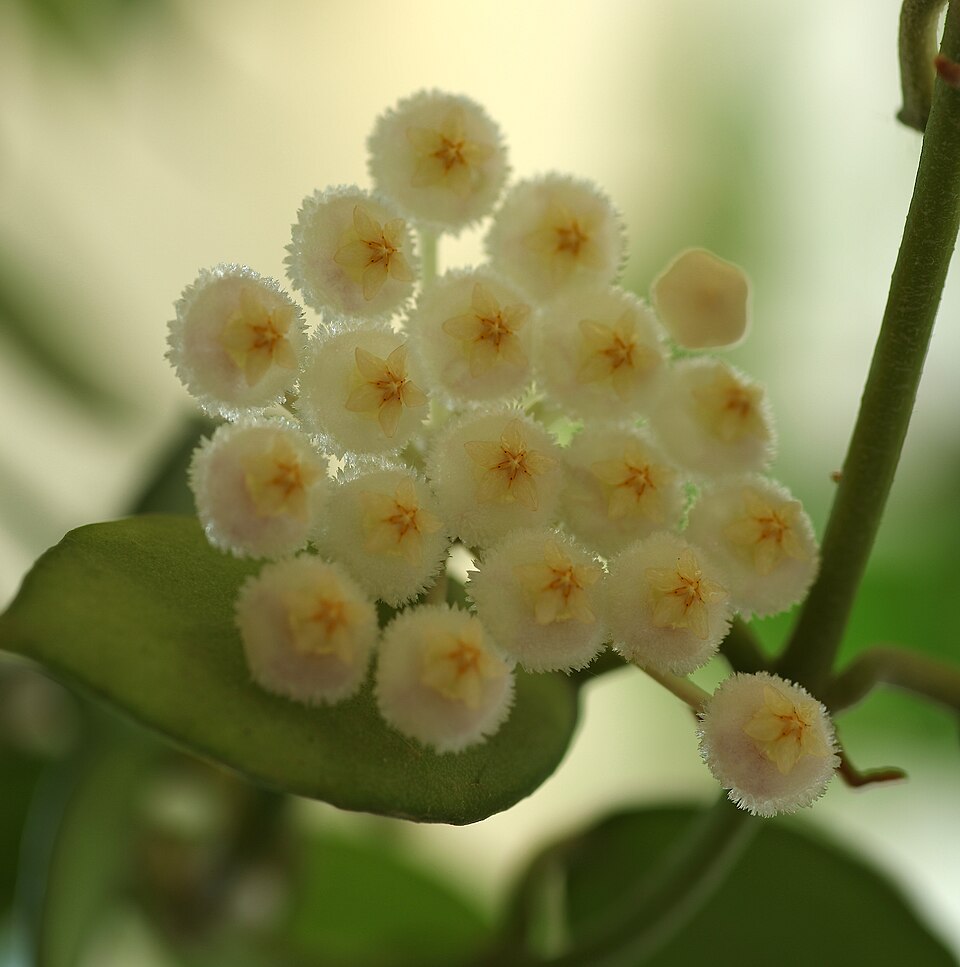
Hoya lacunosa, commonly known as the Cinnamon Hoya or Wax Plant, is a captivating epiphytic or lithophytic species within the diverse Apocynaceae family. Native to the humid, shaded understories of Southeast Asian rainforests, including regions like Thailand, Malaysia, Indonesia, and the Philippines, this plant thrives in environments characterized by consistent moisture and indirect light. It exhibits a graceful vining growth habit, making it an ideal candidate for hanging baskets or training on supports.
The plant's trailing stems are adorned with relatively small, succulent, oval-shaped leaves, typically measuring 2-4 inches in length. These leaves present a glossy, dark green upper surface and a subtly fuzzy underside, arranged oppositely along the stems. Hoya lacunosa is particularly celebrated for its exquisite clusters of star-shaped flowers.
These diminutive blooms, usually white or cream-colored with a waxy texture, emit a distinctively sweet and spicy fragrance, often likened to cinnamon, especially pronounced during evening hours. This enchanting aroma contributes significantly to its appeal as an ornamental plant. Its adaptation to growing on trees or rocks underscores its resilience and unique ecological niche within its native tropical habitats, relying on aerial moisture and organic debris for sustenance.
Trusted Scientific References
1. Authoritative external sources for Hoya lacunosa
1.1 Wikipedia — Hoya lacunosa
1.2 Kew POWO (Plants of the World Online)
1.3 PubMed — peer-reviewed research
1.4 NCBI Taxonomy Browser
1.5 GBIF — Global Biodiversity
1.6Hoya Lacunosa should be interpreted through verified botanical identity, practical care, and responsible safety language. This recovery note adds the missing context needed for a complete profile: match light to the plant's habit, use well-drained soil, water according to season, and avoid unsupported medicinal or edible claims. For publishing, the plant can be presented as a source-backed indoor plant with clear care guidance, common problem diagnosis, and conservative safety wording.
1.1.Hoya Lacunosa — Standout Qualities
- ✓Common Name — Cinnamon Hoya, Wax Plant.
- ✓Botanical Classification — Species within the Apocynaceae family.
- ✓Native Habitat — Tropical rainforests of Southeast Asia, growing as an epiphyte or lithophyte.
- ✓Foliage — Small, succulent, oval-shaped dark green leaves with a glossy appearance.
- ✓Flowers — Clusters of small, star-shaped, white or cream-colored, waxy blooms.
- ✓Fragrance — Emits a strong, sweet, cinnamon-like scent, especially at night.
- ✓Growth Habit — Vining and trailing, suitable for hanging baskets or climbing.
- ✓Ornamental Value — Highly prized as a houseplant for its aesthetic appeal and fragrant flowers.
- ✓Chemical Profile — Rich in triterpenoids, flavonoids, and phenolic compounds.
- ✓Medicinal Status — Limited scientific evidence for specific medicinal benefits, primarily ornamental.
1.2.Hoya Lacunosa — In Brief
- ✓Hoya lacunosa is an ornamental, epiphytic wax plant from Southeast Asia.
- ✓Renowned for its small, star-shaped, cinnamon-scented flowers.
- ✓Primarily cultivated for its beauty; limited robust medicinal evidence for this specific species.
- ✓Contains triterpenoids, flavonoids, and phenolic compounds with potential bioactivities.
- ✓Requires bright, indirect light, high humidity, and well-draining soil for optimal growth.
- ✓Generally considered low toxicity, but sap may cause mild skin irritation.
2.Hoya Lacunosa — Scientific Profile
3.Hoya Lacunosa — Quick Facts
4.Hoya Lacunosa — Structural Profile
5.Hoya Lacunosa — Habitat & Distribution
6.Hoya Lacunosa — Historical Applications
7.Hoya Lacunosa — Secondary Metabolites
- ✓Triterpenoids — Compounds like lupeol have been identified in related Hoya species, known for their potential anti-inflammatory, antioxidant, and anti-cancer activities in preclinical studies.
- ✓Flavonoids — A diverse group of polyphenolic compounds, including quercetin and kaempferol derivatives, which contribute to antioxidant, anti-inflammatory, and potentially antimicrobial effects.
- ✓Phenolic Compounds — Broad category encompassing phenolic acids and other derivatives, crucial for the plant's defense mechanisms and offering significant antioxidant capacity.
- ✓Glycosides — Various types of glycosides, including cardiac glycosides and triterpenoid glycosides, are present in Hoya species, influencing diverse biological activities depending on their structure.
- ✓Volatile Organic Compounds (VOCs) — Responsible for the distinct cinnamon-like fragrance of Hoya lacunosa flowers, potentially including cinnamates or similar aromatic esters, though specific identification is ongoing.
- ✓Saponins — Steroidal or triterpenoid saponins are common in Apocynaceae, potentially contributing to anti-inflammatory and cholesterol-lowering properties, though also associated with toxicity in high doses.
- ✓Alkaloids — While less prominent than in some other Apocynaceae, some Hoya species may contain trace amounts of alkaloids, warranting further investigation into their pharmacological profile.
- ✓Sterols — Plant sterols such as beta-sitosterol are generally present, contributing to cell membrane stability and potentially offering anti-inflammatory benefits.
- ✓Fatty Acids — Essential fatty acids and their derivatives can be found in plant tissues, playing roles in structural integrity and signaling pathways.
- ✓Waxes — The characteristic waxy coating on the leaves and flowers consists of various long-chain hydrocarbons and esters, providing protection against desiccation and pests.
8.Hoya Lacunosa — Modern Studies
- ✓Anti-inflammatory Potential — Triterpenoids and flavonoids identified in Hoya species are frequently investigated for their capacity to modulate inflammatory pathways, potentially offering mild relief from inflammatory responses.
- ✓Antioxidant Activity — Phenolic compounds, prominent in many Hoya species, are recognized for their potent antioxidant properties, which may help combat oxidative stress and safeguard cellular integrity.
- ✓Antimicrobial Properties — Certain flavonoids and other secondary metabolites found across the Hoya genus have demonstrated in vitro antimicrobial activity against various pathogens.
- ✓Wound Healing Support — Anecdotal reports for some Hoya species suggest traditional topical application for minor skin ailments, possibly linked to their anti-inflammatory and antiseptic qualities.
- ✓Analgesic Effects — Compounds with anti-inflammatory actions can indirectly contribute to pain reduction, though specific Hoya lacunosa studies are lacking.
- ✓Dermatological Applications — The sap of some Hoya plants has been traditionally used for skin irritations, hinting at potential soothing or protective effects, requiring further scientific validation.
- ✓Immune System Modulation — General plant compounds like polysaccharides and some triterpenoids found in botanicals can interact with the immune system, an area for future Hoya research.
- ✓Hepatoprotective Research — Some plant glycosides are studied for their potential to support liver health, which could be an avenue for investigation in Hoya species containing similar compounds.
- ✓Cardiovascular Support — Certain flavonoids are known to support cardiovascular health through antioxidant and anti-inflammatory mechanisms, presenting a theoretical research interest for Hoya.
- ✓Neuroprotective Interest — Phenolic compounds and triterpenoids are also explored for their neuroprotective potential, offering another hypothetical research direction for Hoya lacunosa.
8.1.Hoya Lacunosa — Indications & Uses
9.Hoya Lacunosa — Risk Profile
9.1.Hoya Lacunosa — Side Effects & Warnings
- ✓Skin Irritation — The milky sap, common in Apocynaceae, may cause mild skin irritation or allergic reactions in sensitive individuals upon contact.
- ✓Gastrointestinal Upset — Ingesting plant parts, especially in large quantities, could lead to mild gastrointestinal discomfort, nausea, or vomiting.
- ✓Allergic Reactions — Individuals with sensitivities to plants in the Apocynaceae family may experience allergic responses, such as skin rashes or respiratory issues.
- ✓Pet Toxicity — While generally considered low toxicity, ingestion by pets may cause mild digestive upset; it's best to keep plants out of reach.
- ✓Phototoxicity — Some plant compounds can increase skin sensitivity to sunlight, though this is not a common report for Hoya lacunosa.
- ✓Herb-Drug Interactions — Theoretical risk with concentrated extracts if consumed, as plant compounds could interact with medications, though no specific data for Hoya lacunosa exists.
9.2.Hoya Lacunosa — Toxicity Assessment
- ✓Keep Out of Reach of Children and Pets — While generally low toxicity, ingestion can cause mild stomach upset; prevent accidental consumption.
- ✓Handle Sap with Care — Wear gloves when pruning or handling damaged parts to avoid potential skin irritation from the milky latex.
- ✓Not for Internal Medicinal Use — Due to limited scientific evidence and potential unknown compounds, Hoya lacunosa is not recommended for internal medicinal consumption.
- ✓Pregnancy and Lactation — Avoid use during pregnancy and breastfeeding due to insufficient safety data.
- ✓Allergic Individuals — Persons with known allergies to Apocynaceae plants should exercise caution or avoid contact.
- ✓Monitor for Reactions — If using any part of the plant topically, perform a patch test first and discontinue use if irritation occurs.
- ✓Consult a Healthcare Professional — Always consult with a doctor or qualified herbalist before considering any plant for medicinal purposes, especially with existing health conditions or medications.
10.Hoya Lacunosa — How to Use
- ✓Ornamental Cultivation — Primarily grown as a highly prized houseplant or greenhouse specimen for its attractive foliage and fragrant, unique flowers.
- ✓Aromatic Enhancement — The cinnamon-scented flowers can be enjoyed for their natural fragrance, particularly in living spaces during the evening when the scent intensifies.
- ✓Botanical Display — Ideal for hanging baskets where its trailing stems can cascade gracefully, or trained as a climbing plant on a small trellis or support.
- ✓Air Purification (General Hoya) — While not specifically studied for Hoya lacunosa, some common houseplants, including related Hoya species, contribute to indoor air quality.
- ✓Hypothetical Topical Application — Based on anecdotal use of related species, a prepared extract might theoretically be explored for minor skin irritations, though not recommended without scientific validation.
- ✓Phytochemical Extraction — Research purposes could involve extracting specific compounds (e.g., triterpenoids, flavonoids) for further pharmacological study and analysis.
- ✓Educational Specimen — Used in botanical gardens and educational settings to showcase epiphytic growth, unique floral morphology, and fragrant plant diversity.
- ✓Traditional Folk Use (Limited) — While not part of major systems, some indigenous communities in its native range might have traditional, localized uses for Hoya species, often involving sap for minor ailments.
11.Hoya Lacunosa — Growth Requirements
- ✓Light — Provide bright, indirect light; avoid harsh direct sun to prevent leaf scorch, especially afternoon sun.
- ✓Water — Allow the top several inches of soil to dry out between waterings; water thoroughly until drainage occurs, reducing frequency in cooler months.
- ✓Soil — Use a well-draining, airy substrate, such as an orchid mix blend with perlite, coco coir, or peat moss to prevent root rot.
- ✓Humidity — Prefers high humidity (60-80%); supplement with a humidifier or pebble tray for optimal growth and flowering.
- ✓Temperature — Maintain consistent temperatures between 65-80°F (18-27°C); protect from cold drafts and temperatures below 50°F (10°C).
- ✓Fertilization — Feed sparingly during the growing season (spring/summer) with a balanced, diluted liquid fertilizer; reduce or cease in fall and winter.
- ✓Potting — Best grown in hanging baskets or trained to climb on a trellis or moss pole due to its vining habit; repot only when significantly root-bound.
- ✓Pruning — Light pruning can encourage bushier growth, but avoid cutting off flower peduncles as new blooms can emerge from the same site.
Reviewed by the Flora Medical Global Botanical Review Panel
Multi-disciplinary editorial group · Botany · Ethnobotany · Herbal-medicine literature
Who reviewed this: This page was checked by the Flora Medical Global Botanical Review Panel — an in-house editorial group of botany graduates, ethnobotany researchers, and horticulture practitioners who collectively maintain our 7,000+ plant encyclopedia. Meet the team.
Our 4-step verification process
1. Taxonomic verification
Scientific names and synonyms cross-checked against Kew POWO, World Flora Online, and The Plant List.
2. Phytochemical & medicinal cross-reference
Active compounds, traditional uses, and reported activities are cross-referenced with PubMed, USDA Dr. Duke's database, and peer-reviewed ethnobotanical literature.
3. Conservation & distribution check
Distribution, ecology, and conservation status confirmed against GBIF occurrence records and the IUCN Red List.
4. Editorial & safety review
Every entry passes an editorial pass for clarity, originality, and safety notices (toxicity, contraindications, dosage caveats) before publication.
Last reviewed:
Important medical disclaimer: This content is for educational and research purposes only. It is not medical advice and is not a substitute for consultation with a licensed healthcare provider. Do not use any herb to self-treat a medical condition without professional guidance.
Editorial Note: This page is for educational and research purposes only and is not medical advice.
Written by: Flora Medical Global Editorial Team
Reviewed by: Flora Medical Global Botanical Review Panel
Last Updated: June 15, 2026





Hoya Lacunosa — Comments & Community Reviews
Rate this plant