

Medical Disclaimer: This content is for educational purposes only. It is not medical advice. Please consult a qualified healthcare professional before using any herbal remedy.
Safety Overview
1.Hoya Linearis — At a Glance
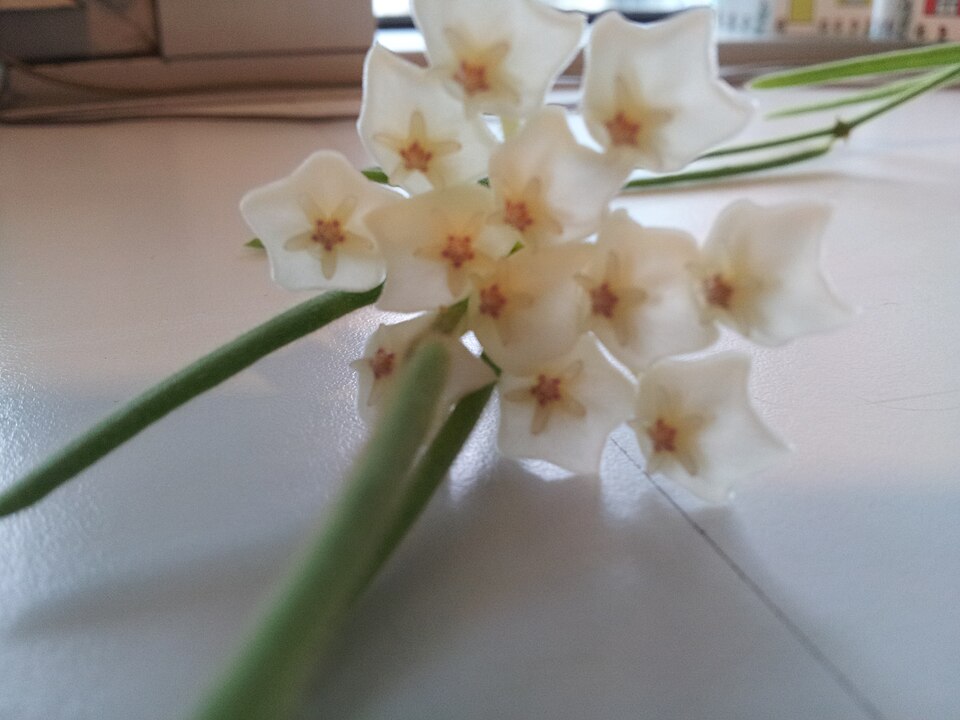
Hoya linearis, commonly known as the cascading needle-like hoya or string bean hoya, is an enchanting epiphytic climbing plant belonging to the extensive Apocynaceae family, a diverse group that also encompasses well-recognized genera such as Plumeria and Nerium. This species is indigenous to the high-altitude regions of the Himalayas, with its natural distribution spanning parts of Southeast Asia, notably found across Nepal, Bhutan, and India. It flourishes in cool, consistently humid, and shaded forest environments, where it is frequently observed gracefully draping over tree branches or clinging to rocky outcrops. Its distinctive morphology makes it a highly prized ornamental specimen.
The plant's most striking feature comprises its long, slender, almost needle-like succulent leaves, typically ranging from 5 to 10 centimeters in length and approximately 0.5 to 1 centimeter in width. These vibrant, soft green leaves are arranged in a characteristic whorled or opposite pattern along delicate, pendulous stems, creating an elegant cascading effect that can extend up to 2 meters. The stems themselves are relatively thin, supple, and somewhat succulent, covered in a smooth, subtly waxy bark texture, providing a flexible yet durable structure for its epiphytic growth. Hoya linearis produces exquisite star-shaped flowers, each typically 1 to 2 centimeters across, which emerge in dense, umbellate clusters containing usually 5 to 15 individual blooms.
The petals are often a creamy white to pale pink, sometimes adorned with a subtle darker center, and emit a delicate, sweet fragrance, particularly pronounced in the evening, attracting various nocturnal pollinators. While relatively short-lived, the flowers are produced abundantly under optimal conditions, offering a spectacular visual display. As an epiphyte, Hoya linearis develops an aerial root system specifically adapted to anchor onto host substrates and absorb moisture and nutrients directly from the air and rain, rather than relying on a deep terrestrial root system. Its natural adaptation to high humidity and indirect light renders it an ideal candidate for indoor cultivation, where it contributes significant aesthetic value.
Trusted Scientific References
1. Authoritative external sources for Hoya linearis
1.1 Wikipedia — Hoya linearis
1.2 Kew POWO (Plants of the World Online)
1.3 PubMed — peer-reviewed research
1.4 NCBI Taxonomy Browser
1.5 GBIF — Global Biodiversity
1.1.Hoya Linearis — Notable Characteristics
- ✓Cascading Growth Habit — Features long, pendulous stems that can trail up to 2 meters, creating a graceful, curtain-like effect.
- ✓Needle — like Succulent Leaves — Distinctive slender, soft green leaves, typically 5-10 cm long and 0.5-1 cm wide, arranged in whorls.
- ✓Epiphytic Nature — Naturally grows on other plants or rocks, developing aerial roots to absorb moisture and nutrients from the air.
- ✓Fragrant Star — shaped Flowers — Produces clusters of delicate, creamy white to pale pink star-shaped blooms with a sweet evening fragrance.
- ✓Native to the Himalayas — Thrives in cool, humid, and shaded forest environments of its natural mountainous habitat.
- ✓Low Maintenance Ornamental — Considered relatively easy to care for indoors, making it suitable for various skill levels.
- ✓Unique Aesthetic Appeal — Highly sought after for its unusual foliage and elegant presentation, enhancing interior decor.
- ✓Apocynaceae Family Member — Part of a large and diverse plant family known for its ornamental and sometimes medicinal species.
- ✓Adaptable to Indoor Conditions — Well-suited for indoor cultivation due to its preference for indirect light and moderate temperatures.
- ✓Air Purification Potential — Contributes to indoor air quality, a common benefit associated with many houseplants.
1.2.Hoya Linearis — Quick Summary
- ✓Hoya linearis is a unique epiphytic plant native to the Himalayas, known for its cascading, needle-like foliage.
- ✓It produces delicate, fragrant, star-shaped flowers in clusters, adding to its ornamental appeal.
- ✓Requires bright, indirect light, high humidity, and a well-draining, airy soil mix for optimal growth.
- ✓Primarily cultivated as a decorative houseplant; specific medicinal uses are not well-documented.
- ✓Potential for mild toxicity if ingested, especially by pets and children; handle with care.
- ✓Easily propagated from stem cuttings, making it popular among plant enthusiasts.
2.Hoya Linearis — Botanical Identity
3.Hoya Linearis — Key Data
4.Hoya Linearis — Botanical Description
5.Hoya Linearis — Origin & Spread
6.Hoya Linearis — Folk Medicine Applications
7.Hoya Linearis — Chemical Profile
- ✓Flavonoids — While not specifically characterized for Hoya linearis, flavonoids are common plant pigments in Apocynaceae, potentially offering antioxidant and anti-inflammatory activities.
- ✓Triterpenoids — Compounds like triterpene saponins and pentacyclic triterpenes are often found in the Apocynaceae family, and could contribute to anti-inflammatory or adaptogenic properties if present.
- ✓Alkaloids — Many species within the Apocynaceae family are known to contain various alkaloids, which can exhibit diverse pharmacological activities, from neuroactive to cytotoxic; their presence in Hoya linearis is unconfirmed and requires specific investigation.
- ✓Cardiac Glycosides — Certain members of the Apocynaceae family are known to produce cardiac glycosides, which can be potent and toxic; the specific profile and concentration in Hoya linearis are unknown.
- ✓Phenolic Acids — Common plant secondary metabolites, phenolic acids might be present in Hoya linearis, contributing to general antioxidant and antimicrobial potential.
- ✓Steroids — Plant steroids or phytosterols are ubiquitous in plant kingdom and may be present, playing roles in plant defense mechanisms.
- ✓Volatile Organic Compounds — The delicate, sweet fragrance of Hoya linearis flowers suggests the presence of various volatile organic compounds (VOCs), which contribute to its aromatic profile.
- ✓Waxes and Cuticular Lipids — The waxy texture of its leaves and stems indicates the presence of complex waxes and cuticular lipids, crucial for water retention and protection in its epiphytic habitat.
8.Hoya Linearis — Pharmacological Findings
- ✓Ornamental Value — Primarily cultivated for its unique aesthetic appeal, Hoya linearis enhances indoor environments, contributing to mental well-being and stress reduction through biophilic design.
- ✓Air Purification — Like many houseplants, it may contribute to improved indoor air quality by absorbing certain volatile organic compounds, though specific studies for Hoya linearis are limited.
- ✓Humidifying Properties — As a living plant, it naturally releases moisture into the air through transpiration, potentially aiding in maintaining optimal indoor humidity levels.
- ✓Biophilic Connection — Fosters a connection to nature, which has been shown to reduce anxiety and improve focus in indoor settings.
- ✓Aesthetic Enhancement — Its cascading growth and unique foliage offer significant decorative value, transforming living spaces into serene, green sanctuaries.
- ✓Stress Reduction — Interacting with and caring for plants like Hoya linearis can be a meditative practice, promoting relaxation and reducing psychological stress.
- ✓Environmental Enrichment — Adds biodiversity and a touch of the natural world to urban or indoor environments, enriching the visual and sensory experience.
- ✓No Documented Medicinal Uses — It is important to note that Hoya linearis is not traditionally recognized for specific medicinal benefits in major herbal systems, and scientific research into its therapeutic properties is currently lacking. Its primary value is ornamental.
8.1.Hoya Linearis — Health Applications
9.Hoya Linearis — Safety Considerations
9.1.Hoya Linearis — Possible Adverse Reactions
- ✓Skin Irritation — Contact with the milky sap of Hoya linearis may cause mild dermatitis, redness, or itching in individuals with sensitive skin.
- ✓Oral Toxicity — Ingestion of any part of the plant, especially by children or pets, can lead to gastrointestinal upset, including nausea, vomiting, or diarrhea, due to compounds characteristic of the Apocynaceae family.
- ✓Allergic Reactions — Although rare, susceptible individuals might experience allergic reactions, such as skin rashes or respiratory symptoms, upon exposure to plant material or pollen.
- ✓Gastrointestinal Distress — Accidental consumption may induce abdominal pain or other digestive discomforts; medical or veterinary attention should be sought if symptoms are severe.
- ✓Systemic Effects Risk — While not specifically documented for Hoya linearis, the Apocynaceae family is known for containing cardiac glycosides, which could theoretically pose a risk of more serious systemic effects if large quantities were ingested.
9.2.Hoya Linearis — Risk Assessment
- ✓Keep Out of Reach — Always position Hoya linearis in locations inaccessible to young children and pets to prevent accidental ingestion.
- ✓Handle with Gloves — It is advisable to wear protective gloves when pruning, repotting, or handling the plant to minimize direct skin contact with its sap.
- ✓Wash Hands Thoroughly — After any direct contact with the plant, ensure hands are washed thoroughly with soap and water.
- ✓Avoid Eye Contact — Prevent the plant's sap from coming into contact with eyes, as it may cause irritation or discomfort.
- ✓Not for Internal Use — Explicitly state that Hoya linearis is an ornamental plant and should never be consumed by humans or animals.
- ✓Seek Medical Advice — In the event of ingestion or significant skin/eye exposure, consult a medical professional or veterinarian immediately.
- ✓Monitor for Sensitivity — Individuals with known plant sensitivities or allergies should exercise extra caution when handling Hoya linearis.
10.Hoya Linearis — Preparations & Uses
- ✓Ornamental Display — Primarily used as a decorative houseplant, Hoya linearis is ideal for hanging baskets or elevated planters where its cascading foliage can be fully appreciated.
- ✓Indoor Gardening — Integrates well into indoor plant collections, adding unique texture and form to living spaces, offices, or terrariums.
- ✓Propagation for Expansion — Stem cuttings are commonly taken to propagate new plants, allowing enthusiasts to expand their collection or share with others.
- ✓Aesthetic Accent — Its delicate nature and fragrant blooms make it a perfect accent plant for areas where its beauty and subtle scent can be enjoyed, such as near windows or entryways.
- ✓Not for Internal Consumption — Emphasize that Hoya linearis is cultivated purely for ornamental purposes and is not intended for human or animal consumption due to potential toxicity.
- ✓Horticultural Study — Used by botanists and enthusiasts for its unique epiphytic adaptations and growth habits, offering opportunities for study and appreciation.
- ✓Air Quality Enhancement — As a living plant, it contributes to the general ambiance and potentially the air quality of indoor environments, though not its primary application.
11.Hoya Linearis — Garden Cultivation
- ✓Light Requirements — Provide bright, indirect light; position near a south or east-facing window, using sheer curtains to diffuse direct sunlight.
- ✓Watering Schedule — Allow the top 2 inches of soil to dry completely between waterings; water approximately once a week in spring/summer and every 2-3 weeks in fall/winter, ensuring excellent drainage.
- ✓Soil Composition — Use a well-draining, airy potting mix, ideally one-third houseplant compost, one-third perlite, and one-third orchid bark.
- ✓Humidity and Temperature — Maintain high humidity, often achieved with misting, and stable temperatures above 50°F (10°C); avoid cold drafts.
- ✓Fertilization — During the active growing season (spring and summer), feed every 2-3 weeks with a balanced, water-soluble fertilizer diluted to half strength.
- ✓Repotting Frequency — Repot annually in the spring into a pot only slightly larger than the current one to prevent excess soil moisture.
- ✓Propagation — Easily propagated from stem cuttings taken below a node; root cuttings in water or a moist, well-draining medium until a robust root system develops.
Reviewed by the Flora Medical Global Botanical Review Panel
Multi-disciplinary editorial group · Botany · Ethnobotany · Herbal-medicine literature
Who reviewed this: This page was checked by the Flora Medical Global Botanical Review Panel — an in-house editorial group of botany graduates, ethnobotany researchers, and horticulture practitioners who collectively maintain our 7,000+ plant encyclopedia. Meet the team.
Our 4-step verification process
1. Taxonomic verification
Scientific names and synonyms cross-checked against Kew POWO, World Flora Online, and The Plant List.
2. Phytochemical & medicinal cross-reference
Active compounds, traditional uses, and reported activities are cross-referenced with PubMed, USDA Dr. Duke's database, and peer-reviewed ethnobotanical literature.
3. Conservation & distribution check
Distribution, ecology, and conservation status confirmed against GBIF occurrence records and the IUCN Red List.
4. Editorial & safety review
Every entry passes an editorial pass for clarity, originality, and safety notices (toxicity, contraindications, dosage caveats) before publication.
Last reviewed:
Important medical disclaimer: This content is for educational and research purposes only. It is not medical advice and is not a substitute for consultation with a licensed healthcare provider. Do not use any herb to self-treat a medical condition without professional guidance.
Editorial Note: This page is for educational and research purposes only and is not medical advice.
Written by: Flora Medical Global Editorial Team
Reviewed by: Flora Medical Global Botanical Review Panel
Last Updated: June 15, 2026





Hoya Linearis — Comments & Community Reviews
Rate this plant