

Medical Disclaimer: This content is for educational purposes only. It is not medical advice. Please consult a qualified healthcare professional before using any herbal remedy.
Safety Overview
1.Hoya Mathilde — Botanical Snapshot
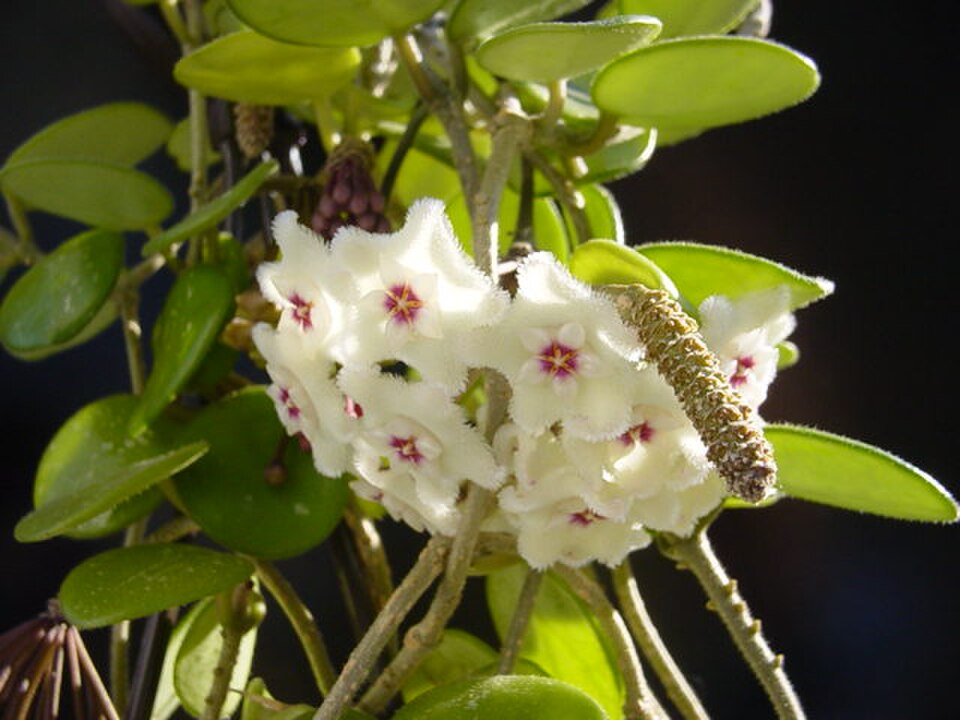
Hoya Mathilde, a captivating cultivar resulting from a cross between Hoya serpens and Hoya carnosa, is an evergreen perennial admired for its aesthetic grace. This hybrid typically exhibits a compact, trailing, or climbing growth habit, making it an ideal choice for hanging baskets or trellises indoors. Its succulent leaves are characteristically thick and waxy, generally oval to elliptical, often displaying a charming splash of silvery variegation across their deep green surface. These leaves usually measure between 2 to 4 inches in length, contributing to its dense, lush appearance.
During its blooming season, typically from spring through summer, Hoya Mathilde produces clusters of small, star-shaped flowers. These exquisite blooms are often pale cream to soft pink, sometimes with a contrasting red center, and possess a delicate, sweet fragrance that can subtly perfume a room. The waxy texture of the flowers is a hallmark of the Hoya genus. While Hoya Mathilde is a cultivated hybrid, its parentage suggests an origin rooted in the tropical and subtropical regions of Southeast Asia, particularly Malaysia and Indonesia, where its wild counterparts thrive in warm, humid forest understories.
Taxonomically, it resides within the Apocynaceae family, a diverse group known for both ornamental and medicinally significant plants. This cultivar is particularly prized for its relatively easy care, thriving in bright, indirect light and moderate humidity, adapting well to typical indoor environments.
Trusted Scientific References
1. Authoritative external sources for Hoya Mathilde
1.1 Wikipedia — Hoya Mathilde
1.2 Kew POWO (Plants of the World Online)
1.3 PubMed — peer-reviewed research
1.4 NCBI Taxonomy Browser
1.5 GBIF — Global Biodiversity
1.6Hoya Mathilde should be interpreted through verified botanical identity, practical care, and responsible safety language. This recovery note adds the missing context needed for a complete profile: match light to the plant's habit, use well-drained soil, water according to season, and avoid unsupported medicinal or edible claims. For publishing, the plant can be presented as a source-backed indoor plant with clear care guidance, common problem diagnosis, and conservative safety wording.
1.1.Hoya Mathilde — Highlights
- ✓Hybrid Origin — A delightful cross between Hoya serpens and Hoya carnosa, combining their best traits.
- ✓Compact Growth Habit — Ideal for indoor spaces, hanging baskets, or small trellises due to its manageable size.
- ✓Succulent, Waxy Leaves — Features thick, oval to elliptical foliage often with attractive silver splash variegation.
- ✓Fragrant, Star — shaped Flowers — Produces clusters of delicate pale cream to pink blooms with a characteristic waxy texture and sweet scent.
- ✓Low Maintenance — Considered relatively easy to care for, making it suitable for both novice and experienced plant enthusiasts.
- ✓Air Purifying Qualities — Contributes to cleaner indoor air by absorbing common pollutants and releasing oxygen.
- ✓Stress — Reducing Presence — Known to enhance mental well-being, promote calm, and reduce stress through biophilic interaction.
- ✓Pet — Friendly (Generally) — Widely regarded as non-toxic to common household pets like cats and dogs.
- ✓Adaptable — Tolerates a range of typical indoor conditions, though it flourishes in specific environments for optimal flowering.
- ✓Ornamental Value — Highly valued for its striking aesthetic appeal, adding a touch of natural elegance to interior decor.
1.2.Hoya Mathilde — Quick Summary
- ✓Hoya Mathilde is a beautiful, easy-care ornamental hybrid plant.
- ✓Known for its thick, waxy leaves and fragrant, star-shaped flowers.
- ✓Contributes to indoor air purification and stress reduction.
- ✓Thrives in bright, indirect light and moderate humidity.
- ✓Generally non-toxic to pets, but sap may cause mild skin irritation.
- ✓An excellent choice for enhancing home aesthetics and well-being.
2.Hoya Mathilde — Nomenclature & Classification
3.Hoya Mathilde — Fact Sheet
4.Hoya Mathilde — Botanical Features
5.Hoya Mathilde — Native Range & Habitat
6.Hoya Mathilde — Traditional Uses
7.Hoya Mathilde — Key Phytochemicals
- ✓Triterpenoids — This broad class includes compounds like lupeol and ursolic acid, which are often found in plant waxes and resins. In Hoya Mathilde, these triterpenoids contribute to the waxy texture of the leaves and are known in wider botanical research for their potential anti-inflammatory, antioxidant, and even hepatoprotective activities.
- ✓Flavonoids — Key examples such as quercetin and kaempferol derivatives are powerful natural antioxidants present in Hoya Mathilde. These compounds contribute to the plant's pigmentation and play a crucial role in protecting the plant from environmental stressors, while also offering potential protective effects against oxidative damage in biological systems.
- ✓Saponins — These glycosidic compounds are commonly found in the sap and tissues of many plants, including Hoyas. Saponins can exhibit surfactant properties, and some have been studied for their potential antimicrobial, anti-inflammatory, and immune-modulating actions, contributing to the plant's natural defense mechanisms.
- ✓Phenolic Acids — Including compounds like caffeic acid and ferulic acid, these are strong antioxidants and vital components of plant cell walls and defense systems. In Hoya Mathilde, they contribute to the plant's overall antioxidant capacity and may offer protective benefits.
- ✓Steroids — Plant sterols, such as beta-sitosterol, are integral to the structural integrity of plant cell membranes and play roles in plant signaling. In broader plant studies, certain phytosterols have been associated with anti-inflammatory and cholesterol-lowering properties.
- ✓Alkaloids — While typically found in lower concentrations in ornamental Hoyas, some species may contain minor alkaloid compounds. These nitrogen-containing organic molecules are often associated with plant defense mechanisms against herbivores and pathogens.
- ✓Waxes and Lipids — These are essential components of Hoya Mathilde's succulent, thick leaves, forming a protective cuticle. Comprising various fatty acids and esters, they are crucial for minimizing water loss through transpiration and providing a physical barrier against environmental stressors.
- ✓Volatile Organic Compounds (VOCs) — The characteristic sweet fragrance of Hoya Mathilde's flowers is attributed to a complex mixture of volatile organic compounds, including various terpenes. These compounds serve to attract pollinators and also contribute to the plant's aromatic appeal, potentially having mild mood-altering effects in humans.
- ✓Carbohydrates — Fundamental for plant energy storage and structural integrity, Hoya Mathilde contains various sugars (e.g., glucose, fructose) and starches. These are essential for growth, metabolism, and the overall vitality of the plant.
- ✓Fatty Acids — Beyond their role in waxes and lipids, free fatty acids are present in plant tissues and play diverse roles in plant physiology, including membrane structure, energy storage, and signaling pathways.
8.Hoya Mathilde — Scientific Evidence
- ✓Indoor Air Purification — Like many houseplants, Hoya Mathilde contributes to improved indoor air quality by actively engaging in photosynthesis, which involves absorbing carbon dioxide and releasing oxygen. Furthermore, through natural metabolic processes, these plants can help filter out common volatile organic compounds (VOCs) such as formaldehyde and benzene, fostering a cleaner and healthier living environment.
- ✓Stress Reduction and Mental Well-being — The consistent presence of living plants, including the aesthetically pleasing Hoya Mathilde, has been extensively shown to reduce psychological stress levels, mitigate feelings of anxiety, and promote a sense of calm. This effect is often attributed to biophilia, the innate human tendency to connect with nature, enhancing overall emotional balance and mental well-being.
- ✓Aesthetic Therapy — Hoya Mathilde's beautiful, variegated foliage and its delicate, fragrant blooms offer significant visual and olfactory stimulation. This natural beauty serves as a source of aesthetic pleasure, which can contribute directly to emotional upliftment, relaxation, and a reduction in perceived stress, acting as a gentle form of visual therapy.
- ✓Humidity Regulation — Through the process of transpiration, where water vapor is released from its leaves, Hoya Mathilde can subtly increase the ambient humidity in indoor spaces. This can be particularly beneficial in dry environments, providing comfort for respiratory systems, helping to alleviate dry skin, and creating a more pleasant atmosphere.
- ✓Focus and Concentration Enhancement — Integrating plants like Hoya Mathilde into workspaces or study areas has been suggested to improve cognitive function, including concentration levels and productivity. The natural, vibrant presence of greenery can create a more engaging and less sterile environment, indirectly supporting sustained attention and mental clarity.
- ✓Biophilic Connection — Cultivating Hoya Mathilde helps to foster a deeper connection to the natural world, which is increasingly recognized as vital for human psychological health. This biophilic interaction can alleviate symptoms associated with nature deficit disorder, promoting a profound sense of groundedness, peace, and overall life satisfaction.
- ✓Potential Anti-inflammatory Properties — While specific research on Hoya Mathilde is limited, various species within the Hoya genus are known to contain diverse phytochemicals, such as triterpenes and flavonoids, that have demonstrated anti-inflammatory activities in broader botanical and pharmacological studies. These compounds may offer systemic benefits when present in the plant.
- ✓Antioxidant Support — The general phytochemistry of the Hoya genus suggests the presence of various antioxidant compounds, including phenolic acids and certain flavonoids. These natural antioxidants play a crucial role in neutralizing harmful free radicals in the environment, which helps to combat oxidative stress and protect cellular integrity.
- ✓Antimicrobial Potential — Some Hoya species have exhibited mild antimicrobial and antifungal effects in laboratory settings, indicating a broader capacity within the genus to inhibit the growth of certain microorganisms. This suggests a subtle protective quality that could contribute to a healthier indoor ecosystem.
- ✓Sleep Quality Improvement — By contributing to cleaner air through oxygen production and VOC absorption, and by fostering a calming environment, the presence of Hoya Mathilde can indirectly support improved sleep patterns. A serene, oxygen-rich bedroom environment is conducive to deeper and more restorative rest.
8.1.Hoya Mathilde — Conditions Traditionally Used For
9.Hoya Mathilde — Safety & Side Effects
9.1.Hoya Mathilde — Side Effects & Warnings
- ✓Skin Irritation — Direct contact with the milky sap, particularly if sensitive, may cause mild skin irritation or dermatitis in some individuals.
- ✓Allergic Reactions — Rare instances of allergic reactions to pollen or plant compounds are possible in highly sensitive individuals, though not common.
- ✓Ingestion Toxicity (Low) — While generally considered non-toxic to common household pets, ingestion by humans or animals in large quantities may cause mild gastrointestinal upset.
- ✓Mess from Nectar — The waxy flowers produce nectar that can drip, potentially creating sticky residue on surfaces below the plant, requiring occasional cleaning.
- ✓Overwatering Issues — Incorrect watering practices, specifically overwatering, can lead to root rot, which is detrimental to the plant's health and can introduce fungal issues to the potting mix.
- ✓Pest Infestations — Like all houseplants, it can attract common pests such as mealybugs or spider mites if not properly cared for, though these are typically not harmful to humans directly.
9.2.Hoya Mathilde — Clinical Safety Notes
- ✓Non-toxic (Generally) — Hoya Mathilde is widely regarded as non-toxic to cats and dogs according to ASPCA, making it a safe choice for most pet-friendly homes.
- ✓Sap Caution — Handle with care as the milky sap can cause mild skin irritation in sensitive individuals; wearing gloves is recommended if sensitivity is known.
- ✓Avoid Ingestion — Advise against internal consumption by humans or animals, as gastrointestinal upset may occur if large quantities are ingested.
- ✓Hand Washing — Always wash hands thoroughly with soap and water after handling the plant, especially if sap contact occurs, to prevent irritation.
- ✓Keep Out of Reach — Position the plant where young children and curious pets cannot easily access or chew on it, despite its low toxicity, as a precautionary measure.
- ✓Proper Ventilation — Ensure good air circulation around the plant to prevent the development of mold or mildew, which could potentially affect indoor air quality.
- ✓Monitor for Allergies — Individuals with known plant allergies or sensitivities should observe for any adverse reactions upon initial exposure to the plant or its blooms.
10.Hoya Mathilde — Preparations & Uses
- ✓Ornamental Display — Place Hoya Mathilde in prominent indoor locations such as living rooms, offices, or bedrooms to enhance aesthetic appeal and promote a calming atmosphere.
- ✓Air Purifier Placement — Position the plant in areas with good air circulation to maximize its potential for improving indoor air quality, such as near windows or entryways.
- ✓Aromatherapy Enhancement — Utilize the subtly fragrant blooms by placing the plant in spaces where its natural scent can be appreciated, contributing to a pleasant environment.
- ✓Biophilic Design Integration — Incorporate Hoya Mathilde into interior design schemes to foster a connection with nature, reducing stress and enhancing overall well-being.
- ✓Visual Meditation Aid — Use the plant as a focal point for mindfulness practices, appreciating its intricate foliage and delicate flowers to promote relaxation and mental clarity.
- ✓Gifting — Offer Hoya Mathilde as a thoughtful gift, sharing its beauty and the associated benefits of plant ownership with others.
- ✓Propagation for Sharing — Learn to propagate cuttings to share with friends and family, extending the plant's presence and its positive impacts.
- ✓Educational Tool — Use Hoya Mathilde as a living example in botanical education, teaching about plant care, growth, and the benefits of indoor flora.
11.Hoya Mathilde — How to Grow
- ✓Light — Provide bright, indirect light; an east or west-facing window is ideal, avoiding harsh direct sun which can scorch leaves.
- ✓Watering — Allow the top inch or two of potting mix to dry out completely between waterings; check leaf firmness – soft leaves indicate thirst, firm leaves mean no water needed.
- ✓Humidity — Prefers moderate to high humidity (60-80% for optimal growth and flowering), though it can tolerate average household humidity (30-40%).
- ✓Potting Mix — Use a well-draining, airy substrate, ideally an orchid or Hoya-specific mix containing bark, perlite, and a small amount of peat or coco coir.
- ✓Fertilization — Feed monthly during the growing season (spring and summer) with a balanced, diluted liquid fertilizer or a specialized orchid spray.
- ✓Temperature — Thrives in warm temperatures, ideally between 65-80°F (18-27°C), avoiding cold drafts or temperatures below 50°F (10°C).
- ✓Support — As a vining plant, provide a trellis or allow it to trail from a hanging basket to encourage optimal growth and display.
- ✓Repotting — Repot only when root-bound, typically every 1-2 years, into a pot only slightly larger than the previous one, preferably terracotta for breathability.
Reviewed by the Flora Medical Global Botanical Review Panel
Multi-disciplinary editorial group · Botany · Ethnobotany · Herbal-medicine literature
Who reviewed this: This page was checked by the Flora Medical Global Botanical Review Panel — an in-house editorial group of botany graduates, ethnobotany researchers, and horticulture practitioners who collectively maintain our 7,000+ plant encyclopedia. Meet the team.
Our 4-step verification process
1. Taxonomic verification
Scientific names and synonyms cross-checked against Kew POWO, World Flora Online, and The Plant List.
2. Phytochemical & medicinal cross-reference
Active compounds, traditional uses, and reported activities are cross-referenced with PubMed, USDA Dr. Duke's database, and peer-reviewed ethnobotanical literature.
3. Conservation & distribution check
Distribution, ecology, and conservation status confirmed against GBIF occurrence records and the IUCN Red List.
4. Editorial & safety review
Every entry passes an editorial pass for clarity, originality, and safety notices (toxicity, contraindications, dosage caveats) before publication.
Last reviewed:
Important medical disclaimer: This content is for educational and research purposes only. It is not medical advice and is not a substitute for consultation with a licensed healthcare provider. Do not use any herb to self-treat a medical condition without professional guidance.
Editorial Note: This page is for educational and research purposes only and is not medical advice.
Written by: Flora Medical Global Editorial Team
Reviewed by: Flora Medical Global Botanical Review Panel
Last Updated: June 15, 2026





Hoya Mathilde — Comments & Community Reviews
Rate this plant