

Medical Disclaimer: This content is for educational purposes only. It is not medical advice. Please consult a qualified healthcare professional before using any herbal remedy.
Safety Overview
1.Hoya Obovata — Botanical Snapshot
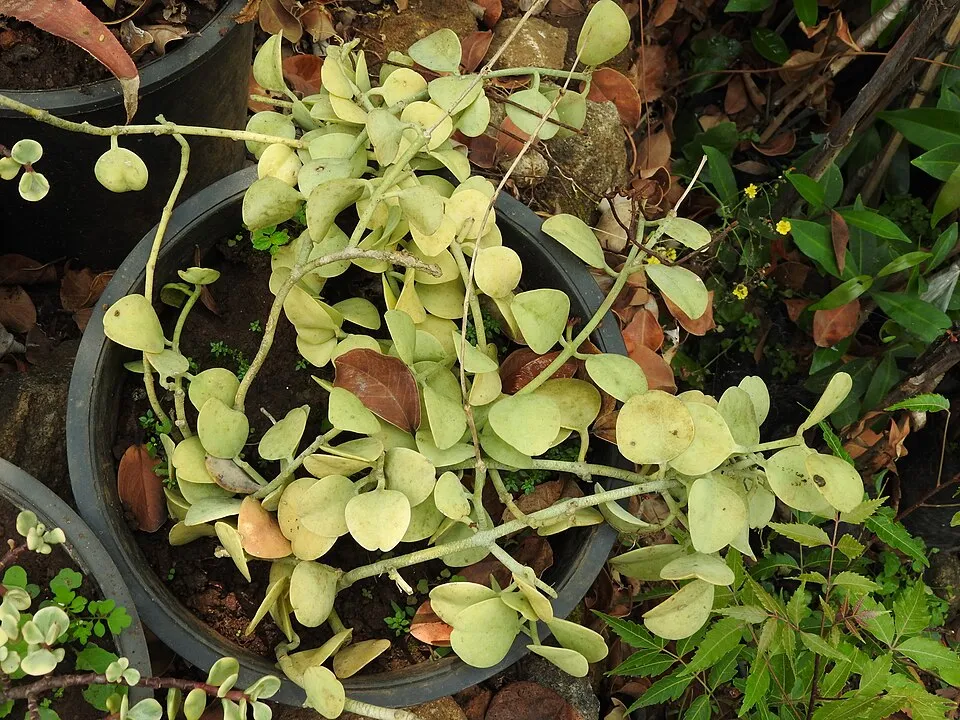
Hoya obovata, often recognized as the round-leaved hoya or wax plant, is an exquisite epiphytic succulent vine thriving within the expansive Apocynaceae family, a diverse botanical group that also encompasses genera like Asclepias and Nerium. This captivating species typically exhibits a graceful trailing or climbing growth habit, extending up to 1-3 feet when cultivated indoors, yet capable of much greater lengths in its native environment by anchoring to host trees. Its distinctive morphology is defined by thick, fleshy, and highly succulent leaves, which are broadly oval to obovate, commonly measuring between 3-5 inches long and 2-4 inches wide. A prominent characteristic of Hoya obovata foliage is the irregular scattering of silvery-white splash markings or flecks across the glossy, waxy lamina, significantly enhancing its ornamental appeal and aiding in moisture retention during drier periods.
The leaf venation, often palmate or subtly pinnate, is recessed into the thick cuticle. Stems are robust and initially green, gradually developing a slightly woody texture with age and frequently exhibiting fine, short hairs. When broken, these stems exude a milky latex sap, a defining feature of the Apocynaceae family. The fibrous root system is expertly adapted for epiphytic existence, developing aerial roots that secure the plant to its support and efficiently absorb atmospheric moisture and nutrients.
Hoya obovata produces stunning star-shaped flowers, typically ranging from a delicate pale pink to pristine white, each adorned with a prominent maroon or deep red corona at its core. These waxy, intensely fragrant blooms are arranged in dense, ball-shaped umbels, with individual flowers approximately 1/2 to 3/4 inch across. Flowering predominantly occurs during the warmer summer months, releasing a sweet, sometimes spicy, fragrance that becomes particularly potent in the evening. This species is native to the tropical and subtropical rainforests of Southeast Asia, with its primary distribution encompassing regions of Indonesia.
Trusted Scientific References
1. Authoritative external sources for Hoya obovata
1.1 Wikipedia — Hoya obovata
1.2 Kew POWO (Plants of the World Online)
1.3 PubMed — peer-reviewed research
1.4 NCBI Taxonomy Browser
1.5 GBIF — Global Biodiversity
1.1.Hoya Obovata — Notable Characteristics
- ✓Epiphytic Growth Habit — Naturally grows on other plants, absorbing moisture and nutrients from the air.
- ✓Succulent Leaves — Thick, fleshy, obovate leaves store water, contributing to its drought tolerance.
- ✓Silver Splash Variegation — Unique silvery-white flecks on glossy green foliage enhance ornamental appeal.
- ✓Fragrant Waxy Flowers — Star-shaped, porcelain-like blooms with a sweet, sometimes spicy scent.
- ✓Milky Latex Sap — Characteristic of the Apocynaceae family, exuded when stems are damaged.
- ✓Trailing or Climbing Vines — Adaptable growth habit suitable for hanging baskets or trellises.
- ✓Low Maintenance — Relatively easy to care for, making it popular for both beginners and collectors.
- ✓Native to Southeast Asia — Thrives in tropical and subtropical rainforest conditions.
- ✓Non — Toxic to Pets — Considered safe for households with cats and dogs.
- ✓Air Purifying Qualities (Potential) — May contribute to improved indoor air quality.
1.2.Hoya Obovata — Quick Summary
- ✓Epiphytic succulent vine with thick, waxy, oval leaves.
- ✓Distinctive silvery-white splash markings on foliage.
- ✓Produces fragrant, star-shaped, pale pink to white flowers in umbels.
- ✓Native to Southeast Asian tropical and subtropical rainforests.
- ✓Primarily an ornamental houseplant, generally considered non-toxic.
- ✓Requires bright indirect light, well-draining soil, and infrequent watering.
2.Hoya Obovata — Nomenclature & Classification
3.Hoya Obovata — Fact Sheet
4.Hoya Obovata — Botanical Description
5.Hoya Obovata — Origin & Spread
6.Hoya Obovata — Traditional Uses
7.Hoya Obovata — Key Phytochemicals
- ✓Cardiac Glycosides — These compounds, while present in some Apocynaceae, require specific analytical confirmation in Hoya obovata, potentially influencing cardiac function.
- ✓Flavonoids — Ubiquitous polyphenolic compounds found in Hoya obovata leaves and stems, offering potential antioxidant and anti-inflammatory benefits.
- ✓Terpenoids — A diverse group of organic compounds contributing to the plant's characteristic fragrance and defense mechanisms, potentially exhibiting antimicrobial or insecticidal properties.
- ✓Saponins — Glycosides that possess emulsifying properties; some saponins from other plant species have demonstrated anti-inflammatory or cholesterol-modulating effects.
- ✓Alkaloids — Nitrogen-containing compounds known for significant pharmacological activities; their precise profile in Hoya obovata warrants investigation, as they are common within the Apocynaceae family.
- ✓Phenolic Acids — Simple phenolic compounds known for their antioxidant and astringent attributes, contributing to plant defense and potentially beneficial human health effects.
- ✓Waxes and Cuticular Lipids — Abundant on the glossy, waxy leaf surface, these primarily consist of long-chain fatty acids and esters, crucial for protecting against desiccation and environmental stressors.
- ✓Latex Components — The milky sap exuded by Hoya obovata contains a complex mixture of proteins, enzymes, and secondary metabolites, which can be irritating and serve as a chemical defense.
8.Hoya Obovata — Evidence-Based Benefits
- ✓Ornamental Value — Hoya obovata is primarily cultivated for its exceptional aesthetic appeal, contributing to psychological well-being and stress reduction through active engagement with horticulture.
- ✓Air Purification Potential — Similar to many indoor plants, it may contribute to improving ambient air quality by assimilating certain volatile organic compounds, although specific research on Hoya obovata is currently limited.
- ✓Moisturizing Properties (Hypothetical) — The plant's inherent succulence and waxy leaf surfaces suggest a theoretical, though unresearched, potential for extracts to possess emollient qualities, akin to other succulent botanicals.
- ✓Antioxidant Activity (Hypothetical) — Many plant species, particularly within the Apocynaceae family, are sources of phenolic compounds and flavonoids, which could hypothetically confer antioxidant effects, safeguarding cells from oxidative stress.
- ✓Anti-inflammatory Support (Hypothetical) — Botanical extracts frequently exhibit anti-inflammatory properties attributable to diverse secondary metabolites; however, this remains speculative for Hoya obovata without dedicated scientific investigation.
- ✓Antimicrobial Potential (Hypothetical) — Certain plant species synthesize compounds with antimicrobial activity as a defense mechanism, which may be present in Hoya obovata, necessitating scientific validation.
- ✓Stress Reduction (Indirect) — The practice of nurturing and appreciating beautiful plants like Hoya obovata is widely acknowledged to alleviate psychological tension and enhance overall mood.
- ✓Traditional Use (Undocumented) — While specific traditional medicinal uses for Hoya obovata are not broadly documented, numerous members of the Apocynaceae family possess rich ethnobotanical histories, indicating a need for further research into this particular species.
8.1.Hoya Obovata — Reported Uses
9.Hoya Obovata — Cautions & Contraindications
9.1.Hoya Obovata — Warnings
- ✓Skin Irritation — The milky latex sap exuded when stems are broken may cause mild skin irritation or allergic reactions in sensitive individuals.
- ✓Overwatering Issues — Excessive watering can lead to root rot, characterized by wilting, yellowing leaves, and a soft stem base, which is detrimental to plant health.
- ✓Sunburn Damage — Direct, harsh sunlight can cause leaf scorch, resulting in discolored, burnt patches on the foliage.
- ✓Pest Infestations — Susceptible to common houseplant pests like mealybugs, aphids, scale, and spider mites, which can weaken the plant.
- ✓Sooty Mold Development — If sap leaks onto leaves, it can attract sooty mold, a fungal growth that impairs photosynthesis.
- ✓Pet Sensitivity (Mild) — While generally considered non-toxic to pets, ingestion of large quantities may still cause mild gastrointestinal upset.
9.2.Hoya Obovata — Toxicity Assessment
- ✓Non-Toxic Classification — Hoya obovata is generally regarded as non-toxic and pet-friendly, making it a safe choice for homes with animals.
- ✓Sap Irritation Precaution — Handle the milky latex sap with care, as it can cause mild skin irritation; wear gloves if you have sensitive skin.
- ✓Ingestion Safety — While non-toxic, ingestion of plant material is not recommended and may cause mild digestive discomfort.
- ✓Horticultural Safety — Ensure proper hygiene after handling the plant, especially if sap contact occurs, to prevent any potential irritation.
- ✓Allergic Reactions — Individuals with known plant allergies, particularly to members of the Apocynaceae family, should exercise caution.
- ✓Child Safety — Keep out of reach of small children to prevent accidental ingestion or contact with the sap, although serious harm is not expected.
10.Hoya Obovata — Preparations & Uses
- ✓Ornamental Houseplant — Primarily cultivated for its striking foliage and fragrant flowers, Hoya obovata is an ideal decorative plant for indoor spaces.
- ✓Hanging Basket Display — Its trailing vines make it an excellent choice for hanging baskets, allowing its long tendrils to cascade gracefully.
- ✓Climbing Specimen — Provide a trellis or moss pole to support its vining habit, encouraging it to climb and create a vertical focal point.
- ✓Propagation via Stem Cuttings — Easily propagated by taking 4-inch stem cuttings with at least two nodes and rooting them in water or a moist potting mix.
- ✓Epiphytic Mounting — Can be mounted on bark or other suitable substrates in high-humidity environments to replicate its natural epiphytic growth.
- ✓Gifting — Due to its unique beauty and relatively manageable care requirements, Hoya obovata is a popular and thoughtful gift for plant enthusiasts.
11.Hoya Obovata — Garden Cultivation
- ✓Provide Bright Indirect Light — Hoya obovata thrives in consistent bright, indirect light, mimicking its natural dappled habitat; avoid harsh, direct sunlight to prevent leaf scorch.
- ✓Use Well-Draining Soil — Plant in an airy, well-draining potting mix, ideally a blend of peat, perlite, and orchid bark, to ensure proper aeration and prevent root rot.
- ✓Water Infrequently — Allow the soil to dry out thoroughly between waterings, as Hoya obovata is sensitive to overwatering; reduce frequency during fall and winter dormancy.
- ✓Maintain Stable Temperatures — Ideal temperatures range between 65-75°F (18-24°C); protect from extreme temperature fluctuations, drafts, and direct heat sources.
- ✓Ensure Adequate Humidity — While adaptable, this epiphytic plant appreciates higher humidity levels and occasional misting, though it can tolerate average household humidity.
- ✓Fertilize During Growing Season — Apply a balanced liquid fertilizer twice monthly during spring and summer; switch to a higher phosphorus formula to encourage blooming.
- ✓Prune for Shape and Health — Trim leggy vines or overgrown sections in spring or after blooming, making cuts above a leaf node; promptly remove any yellow or wilted leaves.
Reviewed by the Flora Medical Global Botanical Review Panel
Multi-disciplinary editorial group · Botany · Ethnobotany · Herbal-medicine literature
Who reviewed this: This page was checked by the Flora Medical Global Botanical Review Panel — an in-house editorial group of botany graduates, ethnobotany researchers, and horticulture practitioners who collectively maintain our 7,000+ plant encyclopedia. Meet the team.
Our 4-step verification process
1. Taxonomic verification
Scientific names and synonyms cross-checked against Kew POWO, World Flora Online, and The Plant List.
2. Phytochemical & medicinal cross-reference
Active compounds, traditional uses, and reported activities are cross-referenced with PubMed, USDA Dr. Duke's database, and peer-reviewed ethnobotanical literature.
3. Conservation & distribution check
Distribution, ecology, and conservation status confirmed against GBIF occurrence records and the IUCN Red List.
4. Editorial & safety review
Every entry passes an editorial pass for clarity, originality, and safety notices (toxicity, contraindications, dosage caveats) before publication.
Last reviewed:
Important medical disclaimer: This content is for educational and research purposes only. It is not medical advice and is not a substitute for consultation with a licensed healthcare provider. Do not use any herb to self-treat a medical condition without professional guidance.
Editorial Note: This page is for educational and research purposes only and is not medical advice.
Written by: Flora Medical Global Editorial Team
Reviewed by: Flora Medical Global Botanical Review Panel
Last Updated: June 15, 2026





Hoya Obovata — Comments & Community Reviews
Rate this plant