
Medical Disclaimer: This content is for educational purposes only. It is not medical advice. Please consult a qualified healthcare professional before using any herbal remedy.
Safety Overview
1.Huanarpo Macho — Botanical Snapshot

Huanarpo Macho, scientifically known as Jatropha macrantha, is a distinctive perennial shrub indigenous to the tropical and subtropical regions of Peru, particularly abundant in the Marañon river valley and the Puno district. This robust member of the Euphorbiaceae family can reach heights of 10 to 12 meters, presenting a striking silhouette in its natural habitat. Its foliage is characterized by dark green, palmate leaves, deeply lobed into five to seven finger-like segments, each potentially growing up to 30 cm in diameter.
From spring through late summer, Jatropha macrantha produces captivating clusters of bright yellow to reddish-orange, cup-shaped flowers that are highly attractive to pollinators. These blossoms eventually develop into fleshy fruit capsules containing several large, oval seeds. The plant's bark is smooth and typically grayish-brown, possessing a slightly resinous texture that has traditionally been utilized in local crafts.
Jatropha macrantha demonstrates a preference for well-drained, slightly acidic soils and thrives in forest margins, disturbed sites, and open grasslands, showcasing its remarkable adaptability to diverse environmental conditions. Notably, the young branch stems of Huanarpo Macho are uniquely shaped, leading to its traditional application based on the 'Doctrine of Signatures' for supporting male sexual function.
Trusted Scientific References
1. Authoritative external sources for Jatropha macrantha
1.1 Wikipedia — Jatropha macrantha
1.2 Kew POWO (Plants of the World Online)
1.3 PubMed — peer-reviewed research
1.4 NCBI Taxonomy Browser
1.5 GBIF — Global Biodiversity
1.6Huanarpo Macho should be interpreted through verified botanical identity, practical care, and responsible safety language. This recovery note adds the missing context needed for a complete profile: match light to the plant's habit, use well-drained soil, water according to season, and avoid unsupported medicinal or edible claims. For publishing, the plant can be presented as a source-backed medicinal plant with clear care guidance, common problem diagnosis, and conservative safety wording.
1.1.Huanarpo Macho — Notable Characteristics
- ✓Native to the — Native to the tropical and subtropical regions of Peru, particularly the Marañon river valley.
- ✓Characterized by striking — Characterized by striking palmate leaves and vibrant reddish-orange flowers.
- ✓Young branch stems — Young branch stems are the primary medicinal part, historically used based on the 'Doctrine of Signatures'.
- ✓Widely regarded as — Widely regarded as a potent natural aphrodisiac and male sexual tonic.
- ✓Rich in bioactive — Rich in bioactive compounds, especially antioxidant proanthocyanidins.
- ✓Research suggests its — Research suggests its potential to support and increase testosterone levels.
- ✓Traditional uses extend — Traditional uses extend to respiratory support, renal function, and blood sugar management.
- ✓A highly adaptable — A highly adaptable species within its native ecological niche.
- ✓Gaining increasing recognition — Gaining increasing recognition in the global natural products industry for male vitality.
- ✓Belongs to the — Belongs to the diverse and often medicinally significant Euphorbiaceae plant family.
1.2.Huanarpo Macho — Concise Overview
- ✓Huanarpo Macho (Jatropha macrantha) is a revered Peruvian shrub.
- ✓Renowned for its traditional use in male sexual health, libido, and erectile function.
- ✓Contains potent proanthocyanidins, alkaloids, and sapogenins.
- ✓Supports healthy testosterone levels and offers significant antioxidant benefits.
- ✓Available as tinctures, capsules, and decoctions for various applications.
- ✓Always consult a healthcare professional before use, especially with existing health conditions.
2.Huanarpo Macho — Nomenclature & Classification
3.Huanarpo Macho — Vital Statistics
4.Huanarpo Macho — Botanical Description
5.Huanarpo Macho — Ecological Habitat
6.Huanarpo Macho — Folk Medicine Applications
7.Huanarpo Macho — Phytochemistry
- ✓Proanthocyanidins — High concentrations, particularly proanthocyanidin B-3, are found in the young branch stems; these are potent antioxidants, exhibit anti-inflammatory activity, and are strongly implicated in the plant's sexual stimulant effects by potentially regulating bradykinin.
- ✓Alkaloids — Present in the plant, some researchers attribute a portion of Huanarpo Macho's aphrodisiac effects to its alkaloid content, influencing physiological responses.
- ✓Flavonoids — These compounds contribute to the plant's overall antioxidant capacity and may offer anti-inflammatory and cardioprotective benefits.
- ✓Terpenoids — A diverse group of organic compounds with various biological activities, contributing to the plant's therapeutic potential.
- ✓Phenolic Acids — These phytochemicals are known for their antioxidant properties and contribute to the plant's protective effects against oxidative damage.
- ✓Sapogenins — These steroidal saponins have been linked to hormonal effects, with research suggesting they may play a role in the increase of testosterone levels observed in animal studies.
- ✓Steroids — Present in the plant, these compounds may contribute to its influence on hormonal pathways and physiological functions.
- ✓Ethereal Oils — These volatile compounds contribute to the plant's characteristic aroma and may possess additional therapeutic properties, though specific actions are less documented.
- ✓Condensed Tannins — High molecular weight proanthocyanidins, crucial for the plant's sexual stimulant activity and potential therapeutic actions in infertility, as noted by researchers.
8.Huanarpo Macho — Pharmacological Findings
- ✓Aphrodisiac Properties — Huanarpo Macho is widely recognized in traditional Peruvian medicine for its potent ability to stimulate libido and enhance sexual desire, often referred to as 'Peruvian Viagra'.
- ✓Erectile Dysfunction Support — It is traditionally used to aid in restoring and maintaining erectile function, with phytochemicals like proanthocyanidins potentially acting to regulate blood flow to penile tissues.
- ✓Testosterone Level Enhancement — Preliminary animal studies suggest that Jatropha macrantha may significantly increase testosterone levels, contributing to improved male vitality and sexual health.
- ✓Antioxidant Protection — Rich in proanthocyanidins, the plant provides robust antioxidant activity, helping to neutralize free radicals and protect cells from oxidative stress.
- ✓Anti-inflammatory Effects — The presence of various bioactive compounds, particularly proanthocyanidins, contributes to its anti-inflammatory properties, potentially alleviating inflammatory conditions.
- ✓Nervine & Calming — Traditional uses include calming the nervous system, suggesting a potential role in reducing stress and supporting overall mental well-being.
- ✓Respiratory Support — In Peruvian herbal medicine, the bark and branches are traditionally decocted to address respiratory ailments such as asthma, bronchitis, and persistent coughs.
- ✓Renal & Adrenal Support — Huanarpo Macho is traditionally employed to support healthy kidney and adrenal gland function, contributing to overall physiological balance.
- ✓Blood Sugar Regulation — It has been historically used in traditional systems for its potential anti-diabetic effects, aiding in the management of blood sugar levels.
- ✓Anti-ulcerous Potential — Traditional applications suggest its use for soothing and healing ulcers, indicating potential gastroprotective properties.
- ✓Energy & Stamina Boost — Beyond sexual health, the plant is valued for its general tonic effects, contributing to increased energy levels and overall physical stamina.
- ✓Immune System Modulation — Its rich phytochemical profile, including antioxidants, may contribute to supporting and modulating the body's immune responses for general wellness.
8.1.Huanarpo Macho — Conditions Traditionally Used For
9.Huanarpo Macho — Safety Considerations
9.1.Huanarpo Macho — Side Effects & Warnings
- ✓Allergic Reactions — Sensitive individuals may experience allergic responses such as skin rashes, itching, or respiratory discomfort.
- ✓Gastrointestinal Upset — Mild digestive disturbances, including stomach discomfort, nausea, or diarrhea, have been reported in some users.
- ✓Hormonal Imbalance — Due to its potential influence on testosterone levels, caution is advised, particularly for individuals with pre-existing hormone-sensitive conditions.
- ✓Hypotension — There is a theoretical potential for blood pressure reduction, especially if combined with hypotensive medications or other herbs.
- ✓Interaction with Medications — May interact with hormone-regulating drugs, blood pressure medications, or blood thinners, necessitating professional consultation.
- ✓Overstimulation — Excessive doses might lead to symptoms of overstimulation, such as restlessness, anxiety, or insomnia in sensitive individuals.
9.2.Huanarpo Macho — Risk Assessment
- ✓Pregnancy and Lactation — Huanarpo Macho is not recommended for use during pregnancy or lactation due to insufficient safety data and potential hormonal influences.
- ✓Children — Avoid administration to children as its effects on developing hormonal systems are not well-studied and thus unknown.
- ✓Pre-existing Conditions — Individuals with hormone-sensitive cancers, cardiovascular diseases, prostate conditions, or diabetes should consult a healthcare professional prior to use.
- ✓Drug Interactions — Exercise caution when combining with prescription medications, especially those affecting hormones, blood pressure, or blood clotting, due to potential interactions.
- ✓Dosage Adherence — Strictly adhere to recommended dosages and preparation methods to mitigate potential adverse effects and ensure safe use.
- ✓Quality Sourcing — Always procure Huanarpo Macho products from reputable suppliers to ensure authenticity, purity, and freedom from contaminants.
- ✓Professional Consultation — It is highly advisable to consult a qualified medical herbalist or healthcare provider before incorporating Huanarpo Macho into any health regimen.
10.Huanarpo Macho — Preparation Methods
- ✓Decoction — The branch stems or bark are commonly prepared as a decoction by simmering in water, traditionally used for respiratory conditions or as a general tonic.
- ✓Tincture — Young branch stems are macerated in alcohol to create a potent tincture, widely favored for its sexual stimulant and aphrodisiac effects.
- ✓Capsules/Powder — Dried and finely ground plant material is encapsulated or consumed as a powder, offering a convenient and standardized dosage form.
- ✓Traditional Infusion — Leaves or small stem pieces can be steeped in hot water to create an herbal infusion, though less common than decoctions for medicinal use.
- ✓Topical Applications — While less prevalent, extracts or infused oils might be prepared for external use, though specific traditional topical uses are limited.
- ✓Combination Formulas — Huanarpo Macho is frequently incorporated into multi-herb formulas alongside other South American botanicals like Maca or Muira Puama to enhance synergistic effects for male sexual health.
- ✓Dosage Guidelines — Traditional dosages suggest 3 ml of tincture twice daily, 2-3 grams of capsules daily, or one cup of decoction three times a day, but individual needs may vary.
11.Huanarpo Macho — Cultivation & Care
- ✓Climate Preference — Huanarpo Macho thrives in warm, humid tropical to subtropical climates, mirroring its native Peruvian environment.
- ✓Soil Requirements — It necessitates well-drained, slightly acidic to neutral soils, ideally rich in organic matter to support vigorous growth.
- ✓Sunlight Exposure — Requires full sun exposure for optimal development and robust flowering, though it can tolerate partial shade.
- ✓Watering Schedule — Consistent and regular watering is crucial, especially during dry periods, but ensure excellent drainage to prevent root rot.
- ✓Propagation — Can be successfully propagated from viable seeds, which germinate best after scarification, or through stem cuttings.
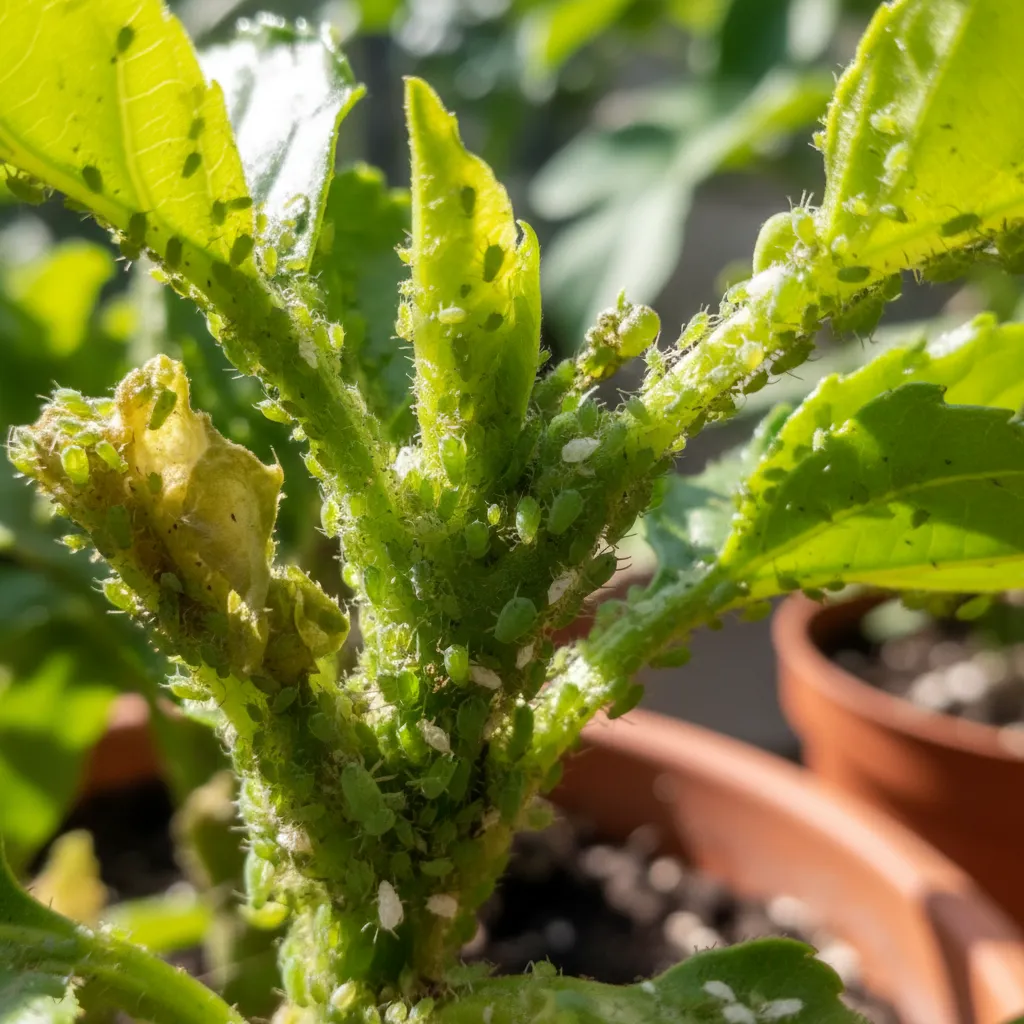
- ✓Pest and Disease Management — Generally resilient, monitor for common pests like spider mites or mealybugs in cultivated settings; ensure good air circulation to prevent fungal issues.
- ✓Harvesting — The young branch stems, which are the primary medicinal part, are typically harvested, ensuring sustainable practices to allow for plant regeneration.
- ✓Pruning — Light pruning can encourage bushier growth and facilitate easier harvesting of medicinal stems.
Reviewed by the Flora Medical Global Botanical Review Panel
Multi-disciplinary editorial group · Botany · Ethnobotany · Herbal-medicine literature
Who reviewed this: This page was checked by the Flora Medical Global Botanical Review Panel — an in-house editorial group of botany graduates, ethnobotany researchers, and horticulture practitioners who collectively maintain our 7,000+ plant encyclopedia. Meet the team.
Our 4-step verification process
1. Taxonomic verification
Scientific names and synonyms cross-checked against Kew POWO, World Flora Online, and The Plant List.
2. Phytochemical & medicinal cross-reference
Active compounds, traditional uses, and reported activities are cross-referenced with PubMed, USDA Dr. Duke's database, and peer-reviewed ethnobotanical literature.
3. Conservation & distribution check
Distribution, ecology, and conservation status confirmed against GBIF occurrence records and the IUCN Red List.
4. Editorial & safety review
Every entry passes an editorial pass for clarity, originality, and safety notices (toxicity, contraindications, dosage caveats) before publication.
Last reviewed:
Important medical disclaimer: This content is for educational and research purposes only. It is not medical advice and is not a substitute for consultation with a licensed healthcare provider. Do not use any herb to self-treat a medical condition without professional guidance.
Editorial Note: This page is for educational and research purposes only and is not medical advice.
Written by: Flora Medical Global Editorial Team
Reviewed by: Flora Medical Global Botanical Review Panel
Last Updated: June 15, 2026




Huanarpo Macho — Comments & Community Reviews
Rate this plant