
Medical Disclaimer: This content is for educational purposes only. It is not medical advice. Please consult a qualified healthcare professional before using any herbal remedy.
Safety Overview
1.Candytuft — Botanical Snapshot
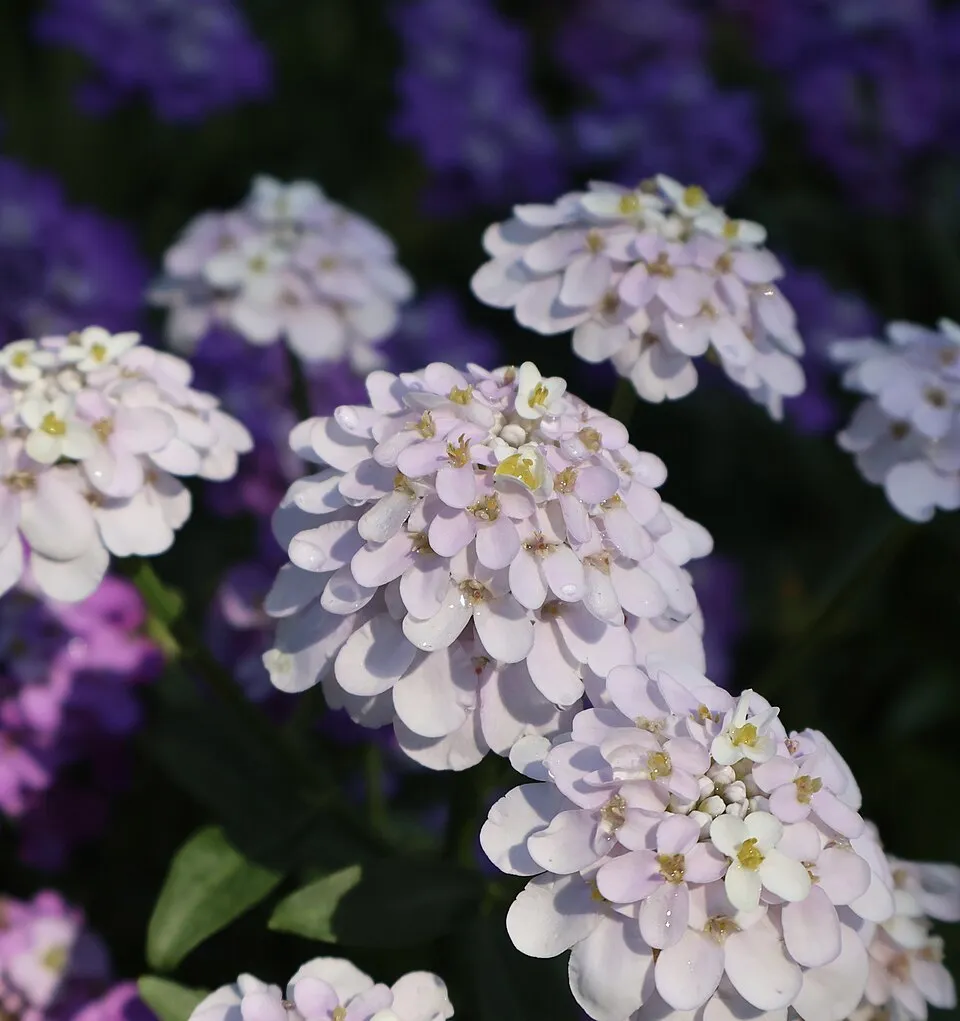
Iberis sempervirens, commonly known as Candytuft, is an exquisite evergreen perennial renowned for its dense, spreading habit and profusion of delicate flowers. Native to the sun-drenched Mediterranean basin, particularly Southern Europe, this hardy member of the Brassicaceae family thrives in rocky, well-drained, and often calcareous soils, enduring full sun to partial shade. The plant forms lush, dark green foliage year-round, creating an attractive backdrop for its spectacular bloom.
From late spring through early summer, and often reblooming into autumn, Candytuft produces a carpet of small, cross-shaped flowers, typically brilliant white, though cultivars may display pink or purple hues. These flowers are arranged in flattened clusters (corymbs or racemes) atop stiff stems, characteristic of its botanical family, which also includes familiar vegetables like cabbage and broccoli. While primarily celebrated for its ornamental value in rock gardens, borders, and as groundcover due to its drought tolerance and low maintenance, Candytuft also possesses a history of traditional medicinal application.
Modern research has begun to unravel its rich phytochemical composition, identifying compounds such as flavonoids, glycosides, and essential oils, which are likely responsible for its purported biological activities, though caution regarding its toxicity is paramount.
Trusted Scientific References
1. Authoritative external sources for Iberis sempervirens
1.1 Wikipedia — Iberis sempervirens
1.2 Kew POWO (Plants of the World Online)
1.3 PubMed — peer-reviewed research
1.4 NCBI Taxonomy Browser
1.5 GBIF — Global Biodiversity
1.6Candytuft should be interpreted through verified botanical identity, practical care, and responsible safety language. This recovery note adds the missing context needed for a complete profile: match light to the plant's habit, use well-drained soil, water according to season, and avoid unsupported medicinal or edible claims. For publishing, the plant can be presented as a source-backed garden plant with clear care guidance, common problem diagnosis, and conservative safety wording.
1.1.Candytuft — Notable Characteristics
- ✓Botanical Name — Iberis sempervirens
- ✓Common Name — Candytuft
- ✓Family — Brassicaceae (Mustard family)
- ✓Native Region — Mediterranean Basin, Southern Europe
- ✓Growth Habit — Low-growing, mounding, evergreen groundcover
- ✓Flower Color — Predominantly pure white, sometimes pink or purple cultivars
- ✓Bloom Time — Late spring to early summer, often with repeat blooms
- ✓Hardiness Zones — USDA 3-9
- ✓Soil Preference — Well-drained, lean, gravelly, adaptable to various pH levels
- ✓Special Feature — Drought-tolerant, attracts pollinators, considered toxic if ingested
1.2.Candytuft — Concise Overview
- ✓Iberis sempervirens, or Candytuft, is a beautiful evergreen perennial known for its profuse white flowers.
- ✓Native to the Mediterranean, it's a hardy, drought-tolerant plant thriving in well-drained soil and full sun.
- ✓Traditionally noted for diuretic and expectorant properties, but it is toxic if ingested and not for internal use.
- ✓Phytochemically rich in flavonoids, glycosides, and essential oils, contributing to its biological activities.
- ✓Primarily cultivated as an ornamental groundcover, border plant, or for rock gardens.
- ✓Essential to observe strict safety protocols, recognizing its ornamental-only recommendation due to toxicity.
2.Candytuft — Botanical Identity
3.Candytuft — Fact Sheet
4.Candytuft — Botanical Description
5.Candytuft — Ecological Habitat
6.Candytuft — Folk Medicine Applications
7.Candytuft — Chemical Profile
- ✓Flavonoids — Key compounds include quercetin, kaempferol, and their various glycosides, known for potent antioxidant, anti-inflammatory, and potentially anticarcinogenic activities.
- ✓Glycosides — A diverse group including saponin glycosides and potentially cardiac glycosides (though specific to other Iberis species), contributing to its traditional diuretic and expectorant effects.
- ✓Essential Oils — Volatile compounds such as various terpenes and sesquiterpenes, which impart characteristic aromas and may possess mild antimicrobial and insecticidal properties.
- ✓Glucosinolates — Precursors to isothiocyanates, commonly found in the Brassicaceae family, known for their potential chemoprotective and detoxification-supporting roles.
- ✓Isothiocyanates — Formed upon hydrolysis of glucosinolates, these compounds are recognized for their pungent flavor and significant anti-cancer and antimicrobial activities.
- ✓Phenolic Acids — Includes compounds like caffeic acid and ferulic acid, which are potent antioxidants that contribute to cellular protection against oxidative stress.
- ✓Sterols — Plant sterols such as beta-sitosterol, which may contribute to anti-inflammatory effects and have been studied for their role in cholesterol management.
- ✓Coumarins — Simple phenolic compounds that may exhibit anti-inflammatory, anticoagulant, and antimicrobial activities, though their presence in Iberis sempervirens requires further investigation.
- ✓Alkaloids — While less dominant in the Brassicaceae family, minor alkaloid compounds might be present, potentially contributing to various subtle biological activities.
8.Candytuft — Evidence-Based Benefits
- ✓Diuretic Support — Traditionally, Candytuft has been employed to promote increased urine output, aiding in the body's natural fluid balance and supporting kidney function.
- ✓Expectorant Properties — Historical uses suggest its ability to help loosen and expel mucus from the respiratory tract, potentially offering relief from coughs and congestion.
- ✓Antioxidant Activity — The presence of flavonoids and other phenolic compounds in Iberis sempervirens indicates potential for scavenging free radicals, thereby protecting cells from oxidative damage.
- ✓Anti-inflammatory Potential — Glycosides and various phytochemicals found in the plant may possess properties that modulate inflammatory pathways, which could be beneficial for mild inflammatory conditions.
- ✓Antimicrobial Effects — Essential oils and other constituents might exhibit mild inhibitory effects against certain bacteria or fungi, contributing to traditional antiseptic uses.
- ✓Cardioprotective Potential — Flavonoids, commonly found in many plants, are often associated with supporting cardiovascular health through their antioxidant and vascular protective actions.
- ✓Skin Health Support — Antioxidant and anti-inflammatory compounds could theoretically contribute to maintaining healthy skin and soothing minor topical irritations, when applied externally with caution.
- ✓Immune System Modulation — Certain plant compounds are known to interact with immune cells, potentially offering a subtle supportive role for overall immune function.
- ✓Respiratory Comfort — Beyond its expectorant action, specific compounds may help to soothe and calm irritated tissues within the respiratory system.
- ✓Traditional Tonic — Historically, some plant species were valued as general tonics, believed to contribute to overall vitality and well-being, a concept that might have extended to Candytuft.
8.1.Candytuft — Indications & Uses
9.Candytuft — Cautions & Contraindications
9.1.Candytuft — Reported Side Effects
- ✓Gastrointestinal Distress — Ingestion of Candytuft can cause significant gastrointestinal symptoms including nausea, vomiting, abdominal cramps, and diarrhea due to its toxic compounds.
- ✓Systemic Toxicity — Consumption of larger quantities can lead to more severe systemic poisoning, potentially affecting cardiac function or other organ systems, given its chemical composition.
- ✓Allergic Contact Dermatitis — Sensitive individuals may experience skin irritation, redness, itching, or rash upon direct contact with the plant's foliage or sap.
- ✓Oral and Pharyngeal Irritation — Direct contact with plant material in the mouth or throat can cause irritation, burning sensations, and discomfort.
- ✓Unknown Adverse Reactions — Due to limited scientific research on human consumption, other uncharacterized adverse effects and long-term toxicity are possible with ingestion.
- ✓Potential Drug Interactions — If ingested, its purported diuretic or cardiac-affecting compounds could theoretically interact with prescription medications, though this is not well-studied.
9.2.Candytuft — Clinical Safety Notes
- ✓Not for Internal Consumption — Iberis sempervirens is classified as toxic if ingested; it should never be consumed internally by humans or animals in any form.
- ✓Keep Away from Children and Pets — Ensure the plant is grown in areas inaccessible to young children and household pets to prevent accidental ingestion and subsequent poisoning.
- ✓Topical Application Caution — While generally safe to handle, individuals with known skin sensitivities should perform a small patch test before extensive topical contact to avoid allergic reactions.
- ✓Pregnancy and Lactation — Avoid all forms of exposure during pregnancy and breastfeeding due to insufficient safety data and the plant's inherent toxicity.
- ✓Pre-existing Conditions — Individuals with kidney disease, heart conditions, gastrointestinal disorders, or any chronic health issue should strictly avoid internal exposure.
- ✓Professional Consultation — Always consult a qualified healthcare professional or medical herbalist for guidance, especially given its toxicity and limited safe medicinal applications.
- ✓Ornamental Use Only — The safest and most recommended application of Iberis sempervirens is purely as an ornamental garden plant, valued for its beauty rather than therapeutic properties.
10.Candytuft — Preparation Methods
- ✓Traditional Decoctions — Historically, aerial parts of Candytuft were simmered in water to create a decoction, traditionally used for its purported diuretic and expectorant properties (use with extreme caution, see safety warnings).
- ✓Herbal Tinctures — Extracts made by macerating fresh or dried plant material in an alcohol solution were historically prepared, though internal use is strongly discouraged due to toxicity.
- ✓Poultices and Compresses — Crushed leaves or flowers were traditionally applied externally as a poultice or compress for minor skin irritations or localized swelling (always perform a patch test first).
- ✓Infused Topical Oils — Flowers and leaves could be steeped in a carrier oil (e.g., olive oil) to create an infused oil for external application, potentially for soothing properties (for external use only, with caution).
- ✓Aromatic Sachets — Dried flowers can be incorporated into aromatic sachets or potpourri for their subtle fragrance, providing an ornamental rather than medicinal application.
- ✓Garden Ornamental — The primary and safest contemporary use of Candytuft is as an attractive evergreen groundcover, border plant, or in rock gardens for its aesthetic value and ability to attract pollinators.
- ✓Landscape Design — Utilized effectively in xeriscaping projects due to its drought tolerance, and in moon gardens where its white blooms stand out beautifully in the evening light.
11.Candytuft — Garden Cultivation
- ✓Climate and Hardiness — Thrives in USDA Hardiness Zones 3-9, exhibiting excellent cold tolerance but generally not suited for highly humid climates where it may suffer.
- ✓Light Requirements — Prefers full sun, receiving at least 6-8 hours of unfiltered light daily, but can tolerate light afternoon shade in exceptionally hot regions.
- ✓Soil Preference — Requires very well-drained, lean, gravelly, or sandy soil; it is adaptable to a wide pH range from acidic to neutral to alkaline, but heavy clay soils should be avoided.
- ✓Planting and Spacing — Plant nursery stock in early spring after the last frost, or sow seeds indoors 6-8 weeks prior; space plants 12-18 inches apart to allow for spreading groundcover formation.
- ✓Watering and Fertilization — Water regularly until established, then it becomes highly drought-tolerant, requiring minimal supplemental water. Fertilization is generally not needed, though an annual spring application of compost can enhance growth.
- ✓Pruning and Maintenance — Shear back by approximately one-third after the first flush of blooms to encourage a second flowering and maintain a dense, bushy habit; prune to 3-4 inches above ground in early spring to prevent legginess.
- ✓Propagation — Best propagated by root division every 3-5 years in the autumn, as seeds from hybrid cultivars may not grow true to the parent plant's characteristics.
- ✓Pest and Disease Management — Generally resistant to most pests and diseases; however, ensure good air circulation to mitigate the risk of powdery mildew in persistently humid conditions.
Reviewed by the Flora Medical Global Botanical Review Panel
Multi-disciplinary editorial group · Botany · Ethnobotany · Herbal-medicine literature
Who reviewed this: This page was checked by the Flora Medical Global Botanical Review Panel — an in-house editorial group of botany graduates, ethnobotany researchers, and horticulture practitioners who collectively maintain our 7,000+ plant encyclopedia. Meet the team.
Our 4-step verification process
1. Taxonomic verification
Scientific names and synonyms cross-checked against Kew POWO, World Flora Online, and The Plant List.
2. Phytochemical & medicinal cross-reference
Active compounds, traditional uses, and reported activities are cross-referenced with PubMed, USDA Dr. Duke's database, and peer-reviewed ethnobotanical literature.
3. Conservation & distribution check
Distribution, ecology, and conservation status confirmed against GBIF occurrence records and the IUCN Red List.
4. Editorial & safety review
Every entry passes an editorial pass for clarity, originality, and safety notices (toxicity, contraindications, dosage caveats) before publication.
Last reviewed:
Important medical disclaimer: This content is for educational and research purposes only. It is not medical advice and is not a substitute for consultation with a licensed healthcare provider. Do not use any herb to self-treat a medical condition without professional guidance.
Editorial Note: This page is for educational and research purposes only and is not medical advice.
Written by: Flora Medical Global Editorial Team
Reviewed by: Flora Medical Global Botanical Review Panel
Last Updated: June 15, 2026





Candytuft — Comments & Community Reviews
Rate this plant