

Medical Disclaimer: This content is for educational purposes only. It is not medical advice. Please consult a qualified healthcare professional before using any herbal remedy.
Safety Overview
1.Iboga — Essential Profile
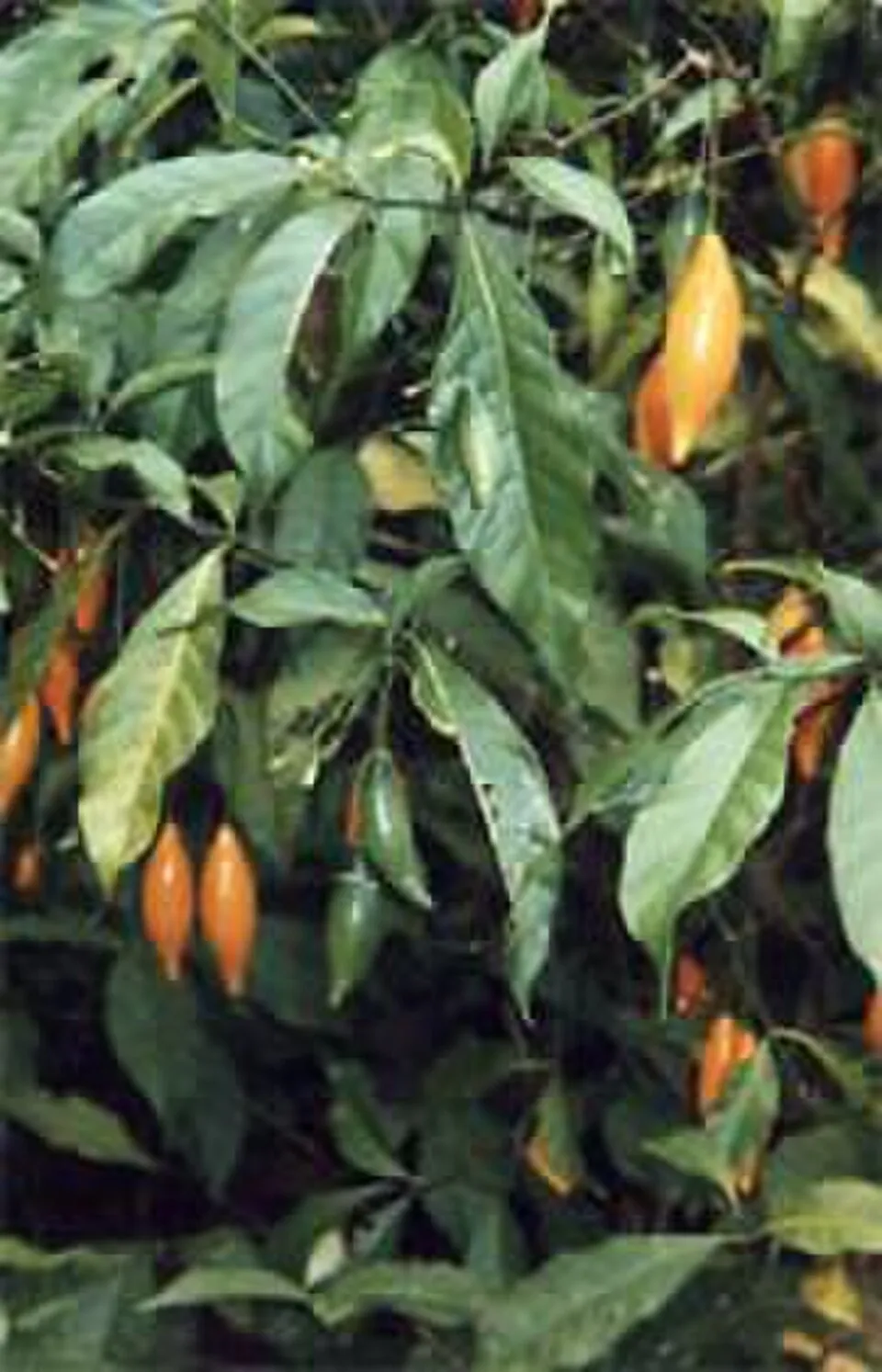
Iboga, scientifically known as Tabernanthe iboga, is an evergreen perennial shrub native to the dense rainforests of West Central Africa, specifically flourishing in regions of Gabon, Cameroon, and the Republic of Congo. As a member of the Apocynaceae family, renowned for its diverse array of alkaloid-rich plants, Iboga typically grows to a height of 1 to 4 meters, thriving in the humid, shaded understories of its native habitat. Its botanical structure is characterized by lanceolate to elliptical leaves, measuring between 5 to 15 centimeters in length and 2 to 5 centimeters in width, presenting a glossy dark green surface and a smooth texture. The plant produces small, tubular flowers that are typically pale yellow to white, blooming in delicate clusters.
Each flower features five distinct lobes and emits a rich, attracting fragrance, crucial for pollination within its ecosystem. The bark of the Iboga plant is notably thin and smooth, exhibiting a light brown to greyish coloration, often peeling away in narrow strips. Taxonomically, Tabernanthe iboga is the most prominent species within the genus Tabernanthe, which comprises only a few known species. Historically, this plant has held profound cultural and spiritual significance, particularly among the Bwiti people of Gabon, where its potent psychoactive properties are central to spiritual initiation ceremonies and rites of passage.
The plant’s deep roots in traditional African medicine extend beyond spiritual enlightenment, with indigenous communities utilizing it for various healing practices. The primary psychoactive compound, ibogaine, an indole alkaloid, was first isolated in 1900 and has since garnered significant scientific interest for its unique pharmacological profile, which includes its potential in treating substance use disorders, pain management, and its complex interactions with the human nervous system. This rich history and potent chemistry underscore Iboga’s enduring importance in both ethnobotany and modern pharmacological research.
Trusted Scientific References
1. Authoritative external sources for Tabernanthe iboga
1.1 Wikipedia — Tabernanthe iboga
1.2 Kew POWO (Plants of the World Online)
1.3 PubMed — peer-reviewed research
1.4 NCBI Taxonomy Browser
1.5 GBIF — Global Biodiversity
1.1.Iboga — Notable Characteristics
- ✓Indigenous to the — Indigenous to the rainforests of West Central Africa, primarily Gabon, Cameroon, and Congo.
- ✓Evergreen perennial shrub, — Evergreen perennial shrub, typically growing 1 to 4 meters tall.
- ✓Primary active compound — Primary active compound is ibogaine, a complex indole alkaloid.
- ✓Belongs to the Apocynaceae family, known for alkaloid — rich species.
- ✓Central to the — Central to the Bwiti spiritual and healing traditions of indigenous African communities.
- ✓Exhibits powerful anti — addictive properties, particularly for opioid dependence.
- ✓Induces profound hallucinogenic, — Induces profound hallucinogenic, introspective, and visionary psychoactive states.
- ✓The root bark — The root bark is the most commonly utilized part of the plant for its medicinal and spiritual properties.
- ✓Metabolized in the — Metabolized in the body to noribogaine, an active metabolite with a longer half-life.
- ✓Modulates multiple neurotransmitter — Modulates multiple neurotransmitter systems, including NMDA, kappa-opioid, and serotonin receptors.
- ✓Investigated for potential — Investigated for potential applications in chronic pain management and reducing fatigue.
- ✓Requires highly controlled — Requires highly controlled and medically supervised administration due to severe side effect profile.
- ✓Known for its long — lasting therapeutic window, with effects potentially spanning days.
- ✓Features small, fragrant, — Features small, fragrant, pale yellow to white tubular flowers blooming in clusters.
- ✓Subject of ongoing — Subject of ongoing scientific and clinical research into its neuropharmacological effects and therapeutic potential.
1.2.Iboga — Quick Summary
- ✓Iboga (Tabernanthe iboga) is a potent psychoactive shrub native to West Central Africa.
- ✓Its root bark contains ibogaine, an indole alkaloid with profound effects on the central nervous system.
- ✓Traditionally used in Bwiti spiritual initiation ceremonies for introspection and healing.
- ✓Modern research investigates ibogaine for treating substance use disorders, particularly opioid addiction, by reducing withdrawal and cravings.
- ✓Known for inducing visionary states and promoting long-term psychological insights.
- ✓Poses significant cardiac and neurological risks, requiring strict medical supervision for therapeutic use.
- ✓Metabolized into noribogaine, which also contributes to its prolonged pharmacological effects.
- ✓Legal status is highly restricted or illegal in many regions worldwide.
2.Iboga — Botanical Identity
3.Iboga — Key Data
4.Iboga — Physical Description
5.Iboga — Origin & Spread
6.Iboga — Heritage Uses
7.Iboga — Chemical Profile
- ✓Indole Alkaloids — The most significant class of compounds in Tabernanthe iboga, predominantly including Ibogaine (C20H26N2O), Noribogaine (O-desmethylibogaine or 12-hydroxyibogamine), Ibogaline, Ibogamine, and Tabernanthine. Ibogaine is the primary psychoactive compound, acting as an NMDA receptor antagonist, kappa-opioid receptor agonist, and weak serotonin 5HT2A receptor agonist. Noribogaine, its main metabolite, is a potent serotonin reuptake inhibitor and a moderate kappa-opioid agonist, contributing significantly to the prolonged effects.
- ✓Terpenoids — A diverse group of organic compounds often found in plants, potentially contributing to the plant’s aroma and protective mechanisms, though specific active terpenoids in Iboga are less studied than its alkaloids.
- ✓Flavonoids — Known for their antioxidant and anti-inflammatory properties, these compounds may offer general health benefits and contribute to the plant's overall therapeutic profile.
- ✓Saponins — These glycosides can have various biological activities, including hemolytic, anti-inflammatory, and immune-modulating effects, though their specific role in Iboga’s medicinal action is not a primary focus.
- ✓Glycosides — A broad category of compounds where a sugar molecule is bonded to a non-sugar component; specific glycosides in Iboga beyond the alkaloids may exist but are not well-characterized for their primary medicinal effects.
- ✓Tannins — Astringent compounds that can exhibit antioxidant and antimicrobial properties, contributing to the plant's defense mechanisms and potentially offering mild therapeutic effects.
- ✓Resins — Complex mixtures of organic compounds, often with protective functions, that may be present in the root bark and contribute to its physical properties and overall chemical matrix.
- ✓Essential Oils — Volatile aromatic compounds that may be present in trace amounts, contributing to the plant's fragrance and potentially offering mild antimicrobial or calming effects.
- ✓Steroids — Plant sterols, such as beta-sitosterol, are commonly found in botanical species and contribute to general plant health, with potential minor biological activities in humans.
- ✓Fatty Acids — Essential components of plant cell membranes and energy storage, providing nutritional value but not directly associated with Iboga’s psychoactive or anti-addictive properties.
- ✓Carbohydrates — Including starches and fibers, these provide structural support and energy for the plant, and contribute to the bulk of the root bark material.
8.Iboga — Pharmacological Findings
- ✓Opioid Use Disorder Treatment — Ibogaine, the primary alkaloid in Iboga, has shown significant potential in mitigating opioid withdrawal symptoms and reducing cravings, by resetting neural pathways and modulating neurotransmitter systems affected by chronic opioid use.
- ✓Alcohol Use Disorder Support — Traditional and anecdotal accounts suggest Iboga can help reduce alcohol cravings and withdrawal severity, with research indicating its influence on dopaminergic pathways potentially aiding in alcohol cessation.
- ✓Cocaine and Stimulant Addiction Recovery — Ibogaine's complex action on dopamine and other receptors may interrupt the reward pathways associated with stimulant abuse, helping to diminish cravings and prevent relapse.
- ✓Spiritual and Introspective Healing — In Bwiti ceremonies, large doses of Iboga are consumed to induce profound visionary and introspective states, facilitating self-discovery, emotional processing, and spiritual cleansing.
- ✓Anti-Fatigue and Stimulant Properties — Historically, lower doses of Iboga root bark were used as a stimulant to combat fatigue, increase stamina, and enhance alertness without impairing cognitive function.
- ✓Mood Elevation and Well-being — Post-ibogaine treatment, many individuals report a prolonged sense of well-being, reduced anxiety, and improved mood, possibly due to its long-lasting metabolite noribogaine and its effects on serotonin reuptake.
- ✓Chronic Pain Management Potential — Ibogaine’s interaction with kappa-opioid receptors suggests a potential role in modulating pain perception, which is currently under investigation for chronic pain conditions.
- ✓Neurological Regulation (Neurasthenia) — Early medical discussions in the early 20th century suggested Iboga as a neurasthenic, aiming to restore nervous system balance and reduce symptoms of nervous exhaustion.
- ✓Metabolism and Nutritional Stimulation — Historically, Iboga was considered to stimulate nutrition, potentially aiding in metabolic processes and general vitality, though specific mechanisms are not fully elucidated.
- ✓Female Sterility (Traditional Use) — In some traditional African practices, Iboga has been used to address female sterility, though scientific evidence for this application is currently lacking.
- ✓Reduction of Post-Acute Withdrawal Syndrome (PAWS) — The prolonged action of noribogaine may help alleviate the protracted and often debilitating symptoms of PAWS that can follow acute opioid withdrawal.
- ✓Neuroplasticity Enhancement — Research suggests ibogaine may reverse the effects of opiates on gene expression, promoting neuroplastic changes that help return brain function to a pre-addiction state.
- ✓Detoxification Support — While not a direct detox agent, Iboga's ability to interrupt addictive patterns can support the body's natural detoxification processes by reducing the intake of harmful substances.
- ✓Enhanced Self-Reflection and Insight — The visionary states induced by Iboga often lead to deep psychological insights, aiding individuals in understanding the root causes of their behaviors and developing coping strategies.
- ✓Cardiac Regulation (Historical) — Early medical interest explored Iboga's potential as a cardiac regulator, though modern research highlights significant cardiac risks at therapeutic doses, making this application highly controversial and unsafe without strict medical oversight.
8.1.Iboga — Conditions Traditionally Used For
9.Iboga — Safety & Side Effects
9.1.Iboga — Possible Adverse Reactions
- ✓Nausea and Vomiting — Very common initial reactions to Iboga ingestion, often intense and prolonged, as the body processes the alkaloids.
- ✓Ataxia and Motor Impairment — Significant loss of coordination, difficulty walking, and muscular weakness, which can last for several hours to days.
- ✓Cardiac Arrhythmias — A critical and potentially fatal side effect, including bradycardia, tachycardia, and prolonged QTc interval, posing a severe risk to individuals with pre-existing heart conditions.
- ✓Seizures and Convulsions — High doses, particularly in susceptible individuals, can induce neurological disturbances leading to seizures or convulsions.
- ✓Hallucinations and Delirium — Intense and vivid psychoactive experiences are central to Iboga’s effects, but can be disorienting, frightening, and lead to temporary delirium.
- ✓Anxiety and Paranoia — While often leading to introspection, the profound psychological effects can sometimes manifest as severe anxiety, paranoia, or psychological distress.
- ✓Gastrointestinal Upset — Beyond nausea and vomiting, users may experience abdominal cramping, diarrhea, and general digestive discomfort.
- ✓Hypertension or Hypotension — Fluctuations in blood pressure, ranging from dangerously high to critically low, can occur during the Iboga experience.
- ✓Respiratory Depression — In cases of overdose or heightened sensitivity, Iboga can depress the respiratory system, leading to shallow breathing.
- ✓Insomnia — The stimulating effects of Iboga and its prolonged action can lead to significant difficulty sleeping for several days post-ingestion.
9.2.Iboga — Safety Profile
- ✓Medical Supervision Essential — Due to the significant cardiac and neurological risks, Iboga and ibogaine must only be administered under strict medical supervision in a clinical setting.
- ✓Contraindicated in Cardiac Conditions — Absolutely contraindicated for individuals with pre-existing heart disease, arrhythmias, prolonged QT syndrome, or other cardiovascular issues.
- ✓Severe Drug Interactions — Avoid concurrent use with other psychoactive substances, opioids, stimulants, cardiac medications, antidepressants, or drugs metabolized by CYP2D6, which can exacerbate risks.
- ✓Pregnancy and Lactation — Iboga is strongly contraindicated during pregnancy and lactation due to unknown teratogenic effects and potential harm to the developing fetus or infant.
- ✓Mental Health Contraindications — Extreme caution is advised, or contraindication, for individuals with severe psychiatric disorders like schizophrenia, bipolar disorder, or a history of psychosis, due to potent psychoactive effects.
- ✓Dose-Dependent Toxicity — The risk and severity of adverse effects are highly dose-dependent; higher doses significantly increase the risk of life-threatening complications.
- ✓Liver and Kidney Impairment — Individuals with compromised liver or kidney function may have altered metabolism and excretion of ibogaine, increasing toxicity risk.
- ✓Legal Status Varies — Iboga and ibogaine are illegal or highly restricted in many countries; users must be aware of and comply with local laws.
- ✓Avoid Self-Administration — Self-administering Iboga or ibogaine is extremely dangerous and strongly discouraged due to the high potential for severe adverse events and fatality.
- ✓Genetic Metabolic Variation — Individuals with polymorphic CYP2D6 enzyme activity may metabolize ibogaine differently, leading to unpredictable drug levels and increased risk.
10.Iboga — Preparation Methods
- ✓Root Bark Powder Ingestion — Traditionally, the dried root bark is ground into a powder and ingested directly, often chewed or mixed with water, for its psychoactive and medicinal effects.
- ✓Decoction Preparation — A decoction involves boiling the root bark in water for an extended period to extract the active alkaloids, resulting in a potent liquid for consumption.
- ✓Tincture Extraction — Iboga root bark can be macerated in alcohol to create a tincture, offering a concentrated liquid extract that allows for more precise dosing.
- ✓Encapsulated Powder — For convenience and standardized dosing, powdered Iboga root bark or purified ibogaine extract can be encapsulated for oral administration.
- ✓Spiritual Ceremony Consumption — In Bwiti rites, large quantities of raw or powdered root bark are consumed over several hours to induce profound visionary and introspective states for initiation.
- ✓Ibogaine Hydrochloride Administration — Purified ibogaine HCl is used in clinical settings, typically under strict medical supervision, for addiction treatment due to its concentrated and potent nature.
- ✓Microdosing Protocol — Some individuals explore sub-perceptual doses of Iboga powder or tincture, aiming for subtle cognitive or mood-enhancing effects without intense psychoactivity.
- ✓Ritual Chewing of Root Bark — Fresh or dried pieces of Iboga root bark are traditionally chewed directly, allowing for gradual absorption of alkaloids through the oral mucosa.
- ✓Paste Application (Traditional) — In some traditional contexts, ground root bark might be mixed with water to form a paste, though internal consumption is more common for its primary effects.
11.Iboga — Garden Cultivation
- ✓Climate — Requires a tropical, humid climate with consistent warmth, ideally mimicking its native West Central African rainforest environment.
- ✓Light — Thrives in shaded understory conditions, preferring indirect or filtered light; direct, harsh sunlight can scorch its leaves.
- ✓Soil — Needs well-draining, organically rich, and slightly acidic soil to flourish, similar to typical rainforest floor compositions.
- ✓Propagation — Can be propagated from seeds, though germination can be challenging and slow, or more reliably from stem cuttings.
- ✓Watering — Requires consistent moisture, especially during dry periods, but absolutely no waterlogging, which can lead to root rot.
- ✓Fertilization — Benefits from regular application of organic compost or a balanced, slow-release fertilizer during its active growing seasons.
- ✓Pests/Diseases — Generally robust, but young plants can be susceptible to common tropical pests like aphids or fungal infections in overly damp conditions.
- ✓Harvesting — Primarily the root bark is harvested; sustainable practices are crucial to prevent over-exploitation and ensure species longevity.
- ✓Pruning — Minimal pruning is typically required, primarily for shaping, removing dead branches, or encouraging bushier growth.
- ✓Temperature — Optimal growth occurs in temperatures between 20-30°C (68-86°F); it is highly sensitive to frost and cold.
- ✓Humidity — Prefers high atmospheric humidity, which is characteristic of its natural rainforest habitat.
- ✓Seed Germination — Seeds often require specific conditions, such as scarification or stratification, and can have low and erratic germination rates.
Reviewed by the Flora Medical Global Botanical Review Panel
Multi-disciplinary editorial group · Botany · Ethnobotany · Herbal-medicine literature
Who reviewed this: This page was checked by the Flora Medical Global Botanical Review Panel — an in-house editorial group of botany graduates, ethnobotany researchers, and horticulture practitioners who collectively maintain our 7,000+ plant encyclopedia. Meet the team.
Our 4-step verification process
1. Taxonomic verification
Scientific names and synonyms cross-checked against Kew POWO, World Flora Online, and The Plant List.
2. Phytochemical & medicinal cross-reference
Active compounds, traditional uses, and reported activities are cross-referenced with PubMed, USDA Dr. Duke's database, and peer-reviewed ethnobotanical literature.
3. Conservation & distribution check
Distribution, ecology, and conservation status confirmed against GBIF occurrence records and the IUCN Red List.
4. Editorial & safety review
Every entry passes an editorial pass for clarity, originality, and safety notices (toxicity, contraindications, dosage caveats) before publication.
Last reviewed:
Important medical disclaimer: This content is for educational and research purposes only. It is not medical advice and is not a substitute for consultation with a licensed healthcare provider. Do not use any herb to self-treat a medical condition without professional guidance.
Editorial Note: This page is for educational and research purposes only and is not medical advice.
Written by: Flora Medical Global Editorial Team
Reviewed by: Flora Medical Global Botanical Review Panel
Last Updated: June 15, 2026





Iboga — Comments & Community Reviews
Rate this plant