
Medical Disclaimer: This content is for educational purposes only. It is not medical advice. Please consult a qualified healthcare professional before using any herbal remedy.
Safety Overview
1.Ichnocarpus — Essential Profile
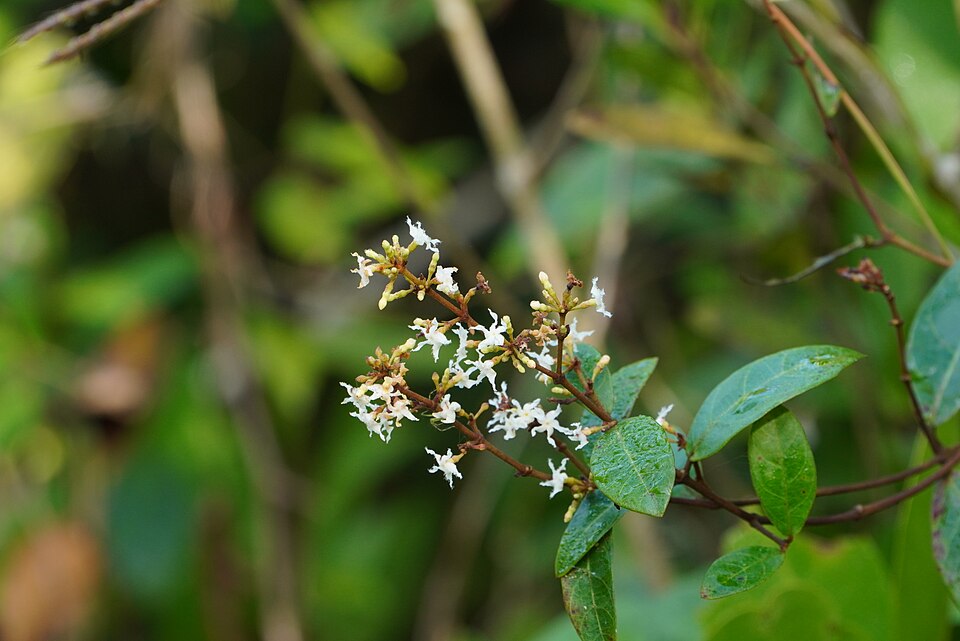
Ichnocarpus frutescens, commonly known as Black Sariva, Black Creeper, or Dudhilata, is a distinctive perennial climbing shrub belonging to the Apocynaceae family. This resilient plant typically attains a height of 1.5 to 3 meters, gracefully twining its way through its environment. It is predominantly found thriving in the tropical and subtropical regions of India, where it has been an integral part of local ecosystems and traditional medicine systems for centuries. The plant's stems are characteristically slender and smooth, and when incised, they exude a milky white sap, a common feature among many species in the Apocynaceae family. The leaves of Ichnocarpus frutescens are simple, lanceolate in shape, measuring approximately 10-20 cm in length and 3-5 cm in width. They possess a glossy upper surface and exhibit prominent venation, contributing to their attractive appearance.
During the late summer to early fall, the plant adorns itself with small, delicately fragrant flowers, typically pale green to yellow in color, which are arranged in charming umbel-like clusters. Following successful pollination, these flowers give way to slender, elongated fruits, commonly referred to as pods. These pods, about 8-12 cm long, house numerous seeds, each equipped with a tuft of silky hairs, an adaptation that facilitates efficient wind dispersal across its varied habitats. Ichnocarpus frutescens demonstrates considerable adaptability, flourishing in well-drained, sandy soils and showing a preference for areas offering partial shade, although it can tolerate more direct sunlight. Its natural distribution includes open grasslands, forest edges, and even waste areas, underscoring its robust nature and ability to colonize diverse ecological niches. Taxonomically, it is a prominent member of the genus Ichnocarpus, which encompasses several species.
However, Ichnocarpus frutescens stands out due to its well-documented and extensive medicinal applications, particularly within the traditional Indian medicine systems of Ayurveda, Unani, and Siddha. Historically, it has been revered by tribal communities and practitioners of these ancient healing arts for its wide array of therapeutic properties, ranging from immune support to anti-inflammatory effects and its potential role in metabolic health. Its significance is deeply rooted in the cultural and medicinal heritage of the Indian subcontinent. Trusted Scientific References Authoritative external sources for Ichnocarpus frutesc ...[CURRENT TEXT EXISTS: 2659 chars]
1.1.Ichnocarpus — Highlights
- ✓Botanical Identity — Perennial climbing shrub, Ichnocarpus frutescens, belonging to the Apocynaceae family.
- ✓Geographic Origin — Native to tropical and subtropical regions of India.
- ✓Distinctive Sap — Exudes a milky white latex from cut stems.
- ✓Traditional Names — Known as Black Sariva, Black Creeper, and Dudhilata.
- ✓Antidiabetic Efficacy — Scientifically investigated for its potent blood glucose-lowering effects and pancreatic beta-cell regeneration.
- ✓Anti — inflammatory Action — Traditionally and anecdotally used for reducing inflammation.
- ✓Immunomodulatory Potential — Believed to support and enhance immune function.
- ✓Rich Phytochemistry — Contains a broad spectrum of compounds including flavonoids, phenolic acids, sterols, and diverse triterpenoids.
- ✓Adaptable Growth — Thrives in various habitats, from forest edges to open grasslands, preferring partial shade.
- ✓Versatile Traditional Use — Employed in Ayurveda, Unani, and by tribal communities for a wide range of conditions.
- ✓Ornamental Value — Fragrant pale green to yellow flowers add aesthetic appeal.
- ✓Seed Dispersal — Seeds equipped with silky hairs for efficient wind dispersal.
- ✓Whole Plant Utility — All parts, including roots, stems, and leaves, are utilized for medicinal purposes.
- ✓Cardiovascular Benefits — Potential to improve serum lipid profiles, supporting heart health.
1.2.Ichnocarpus — Snapshot Summary
- ✓Ichnocarpus frutescens, or Black Sariva, is a perennial climbing shrub from the Apocynaceae family.
- ✓Traditionally used in Ayurveda and Unani medicine for diverse ailments.
- ✓Modern research highlights its significant antidiabetic potential, including blood glucose reduction and pancreatic beta-cell regeneration.
- ✓Rich in bioactive compounds like flavonoids, phenolic acids, sterols, and pentacyclic triterpenoids.
- ✓Also recognized for anti-inflammatory, immune-modulating, and hepatoprotective properties.
- ✓Requires well-drained soil and partial shade for cultivation.
- ✓Available in various forms — decoctions, infusions, powders, and topical applications.
- ✓Caution advised for diabetics, pregnant/lactating women, and those on medication due to potential interactions.
2.Ichnocarpus — Botanical Identity
3.Ichnocarpus — Fact Sheet
4.Ichnocarpus — Physical Description
5.Ichnocarpus — Ecological Habitat
6.Ichnocarpus — Traditional Uses
7.Ichnocarpus — Chemical Profile
- ✓Phenolic Acids — These compounds, including various derivatives, are strong antioxidants and possess anti-inflammatory properties. They contribute to the plant's protective effects against oxidative stress and cellular damage.
- ✓Phenylpropanoids — A diverse group of organic compounds derived from phenylalanine, often contributing to the plant's aromatic properties and exhibiting various biological activities, including antioxidant and antimicrobial effects.
- ✓Flavonoids — Known for their potent antioxidant, anti-inflammatory, and immunomodulatory activities. Specific flavonoids present may contribute to the plant's cardiovascular and antidiabetic benefits by protecting cells and modulating enzyme activity.
- ✓Coumarins — These compounds are known for their anticoagulant, anti-inflammatory, and antimicrobial properties. They may play a role in cardiovascular health and defense against pathogens.
- ✓Sterols — Including compounds like sitosterol and its palmitate, these are plant-derived steroids that can influence cholesterol metabolism and possess anti-inflammatory actions. Sitosterol dotriacontanoic acid is also identified.
- ✓Pentacyclic Triterpenoids — This significant group includes Δ12-dehydrolupanyl-3 β-palmitate, Δ12-dehydrolupeol, lupeol acetate, friedelin, oleanolic acid, and friedelinol. These compounds are widely studied for their anti-inflammatory, anticancer, hepatoprotective, and antidiabetic activities, contributing substantially to the plant's therapeutic profile.
- ✓Alkaloids — Although specific alkaloids are not detailed, their presence typically suggests a range of pharmacological activities, including analgesic, antimalarial, or neuroactive effects, depending on their structure.
- ✓Nonane — A saturated hydrocarbon, typically found in plant waxes and essential oils, potentially contributing to the plant's aroma or acting as a solvent for other active compounds.
- ✓Fatty Acids and Esters — Such as palmitate esters (e.g., sitosterol palmitate), these contribute to the plant's overall lipid profile and may have roles in cell membrane integrity and signaling.
- ✓Saponins — While not explicitly listed in the source, saponins are common in Apocynaceae and are known for their foaming properties and potential to influence cholesterol absorption and immune function.
- ✓Glycosides — Often present alongside flavonoids and sterols, glycosides can enhance the bioavailability and modify the activity of their aglycone parts, contributing to diverse pharmacological effects.
8.Ichnocarpus — Evidence-Based Benefits
- ✓Antidiabetic Activity — Research indicates that Ichnocarpus frutescens possesses significant antihyperglycemic potential. Active fractions from its methanolic extract have shown to reduce blood glucose levels and improve serum lipid profiles in diabetic models, suggesting a role in managing diabetes mellitus.
- ✓Pancreatic Beta-Cell Regeneration — Studies have pointed towards the ability of Ichnocarpus frutescens extracts to promote the regeneration of pancreatic beta-cells. This mechanism is crucial for enhancing insulin production and improving glycemic control, offering a promising avenue for diabetes treatment.
- ✓Anti-inflammatory Properties — Traditionally, the plant has been utilized to alleviate various inflammatory conditions. Its phytoconstituents, such as flavonoids and triterpenoids, are believed to modulate inflammatory pathways, reducing pain and swelling.
- ✓Immune System Support — Ichnocarpus frutescens is recognized in folk medicine for its immune-boosting capabilities. It is thought to enhance the body's natural defense mechanisms, helping to ward off infections and promote general wellness.
- ✓Liver Disorder Management — In traditional systems like Ayurveda, the plant is employed to support liver health and address various hepatic disorders. Its potential hepatoprotective effects are attributed to its antioxidant compounds, which may protect liver cells from damage.
- ✓Digestive Health Improvement — The plant has been traditionally used to treat gastrointestinal issues such as dysentery. Its antimicrobial and anti-inflammatory actions might contribute to soothing the digestive tract and restoring gut balance.
- ✓Respiratory Ailment Relief — Traditional remedies incorporate Ichnocarpus frutescens for alleviating coughs and other respiratory complaints. Its expectorant or bronchodilatory properties may help clear airways and ease breathing.
- ✓Skin Condition Treatment — Topically or internally, the plant is applied for various skin-related ailments. Its antiseptic and anti-inflammatory compounds may aid in healing wounds, reducing irritation, and combating skin infections.
- ✓Blood Purification — In traditional Indian medicine, Ichnocarpus frutescens is considered a 'blood purifier.' This often implies its role in detoxifying the body, improving circulation, and supporting overall blood health.
- ✓Antipyretic Effects — The plant has been traditionally used to manage simple fevers. Its compounds may help regulate body temperature, providing relief during febrile conditions.
- ✓Anticonvulsant Activity — Folk medicine has historically used Ichnocarpus frutescens for conditions involving convulsions. While mechanisms are not fully elucidated, certain phytochemicals might exert neuroprotective or sedative effects.
- ✓Oral Health Support — Traditional uses include treating bleeding gums, suggesting potential astringent or anti-inflammatory properties beneficial for gum health and preventing oral infections.
- ✓Antioxidant Activity — The presence of flavonoids and phenolic acids contributes to the plant's significant antioxidant capacity. These compounds help neutralize free radicals, protecting cells from oxidative stress and supporting cellular health.
- ✓Lipid Profile Improvement — Beyond glucose regulation, the plant's active fractions have demonstrated an ability to improve serum lipid profiles. This includes reducing harmful cholesterol levels, which is beneficial for cardiovascular health and diabetes management.
- ✓General Wellness Tonic — Across various traditional systems, Ichnocarpus frutescens is valued as a general health tonic. Its broad spectrum of bioactive compounds contributes to overall vitality and disease prevention.
8.1.Ichnocarpus — Health Applications
9.Ichnocarpus — Safety & Side Effects
9.1.Ichnocarpus — Possible Adverse Reactions
- ✓Hypoglycemia Risk — Individuals with diabetes, especially those on antidiabetic medication, should monitor blood glucose levels closely as Ichnocarpus frutescens may potentiate the effects of blood sugar-lowering drugs, leading to hypoglycemia.
- ✓Allergic Reactions — Sensitive individuals may experience allergic reactions such as skin rashes, itching, or digestive upset. Discontinue use if any adverse reactions occur.
- ✓Gastrointestinal Discomfort — High doses may lead to mild gastrointestinal symptoms like nausea, stomach upset, or diarrhea in some individuals.
- ✓Drug Interactions — Potential interactions with conventional medications, particularly those for diabetes, blood pressure, or blood thinners, due to its diverse phytochemical profile. Consult a healthcare professional.
- ✓Pregnancy and Lactation Concerns — Insufficient safety data exists for use during pregnancy and lactation. It is generally advised to avoid use in these periods.
- ✓Milky Sap Irritation — The milky white sap exuded from cut stems can cause skin irritation or allergic contact dermatitis in sensitive individuals upon direct contact.
9.2.Ichnocarpus — Safety Overview
- ✓Consultation Recommended — Always consult a qualified healthcare professional or medical herbalist before using Ichnocarpus frutescens, especially if you have pre-existing medical conditions or are on medication.
- ✓Pregnancy and Breastfeeding — Contraindicated during pregnancy and lactation due to a lack of sufficient safety data. The potential effects on fetal development or infant health are unknown.
- ✓Children — Not recommended for use in children without expert medical supervision, as safety and appropriate dosages have not been established.
- ✓Diabetic Patients — Use with extreme caution in diabetic patients, particularly those on conventional antidiabetic drugs, due to the risk of additive hypoglycemic effects. Regular blood glucose monitoring is essential.
- ✓Surgery — Discontinue use at least two weeks before any scheduled surgery due to potential effects on blood sugar and coagulation.
- ✓Allergic History — Individuals with known allergies to plants in the Apocynaceae family should exercise caution or avoid use.
- ✓Dosage Adherence — Adhere strictly to recommended dosages. Excessive consumption may lead to adverse effects.
- ✓Quality Sourcing — Ensure the plant material or product is sourced from reputable suppliers to guarantee purity and absence of contaminants.
- ✓Long-Term Use — Long-term use should be monitored by a healthcare professional, as potential cumulative effects or nutrient interactions are not fully understood.
10.Ichnocarpus — Preparation Methods
- ✓Decoction for Internal Use — Prepare a decoction by simmering crushed roots or stem pieces of Ichnocarpus frutescens in water for 15-20 minutes. This is traditionally used for fevers, dysentery, and as a blood purifier.
- ✓Leaf Infusion — Fresh or dried leaves can be steeped in hot water to create an infusion, often consumed for general wellness, immune support, or to alleviate coughs.
- ✓Topical Paste for Skin Conditions — Grind fresh leaves or roots with a small amount of water to form a paste. This can be applied externally to treat skin ailments, wounds, or inflammation.
- ✓Powdered Form — Dried roots or entire plant material can be pulverized into a fine powder. This powder can be mixed with honey or water and ingested for systemic benefits, such as antidiabetic support or liver health.
- ✓Medicated Oil — Infuse the plant material (leaves, roots) in a carrier oil (e.g., sesame oil) by gentle heating. This medicated oil can be used for massage to relieve pain, inflammation, or for skin care.
- ✓Herbal Syrups — Extracts from Ichnocarpus frutescens can be incorporated into herbal syrups, often combined with other ingredients, to enhance palatability and efficacy, especially for respiratory conditions.
- ✓Poultice for Swellings — A warm poultice made from crushed leaves can be applied directly to inflamed areas or swellings to reduce discomfort and promote healing.
- ✓Gargarism for Oral Health — A diluted decoction can be used as a mouthwash or gargle to address bleeding gums and maintain oral hygiene.
- ✓Traditional Ayurvedic Formulations — Ichnocarpus frutescens is often a component in complex polyherbal Ayurvedic preparations, where its properties are synergized with other herbs for specific therapeutic outcomes, such as for diabetes or inflammatory conditions.
- ✓Standardized Extracts — Modern applications may involve standardized extracts, ensuring a consistent concentration of active compounds for more precise dosing and efficacy in therapeutic settings.
11.Ichnocarpus — Cultivation & Care
- ✓Climate Preference — Ichnocarpus frutescens thrives best in tropical and subtropical climates, requiring warm temperatures and high humidity for optimal growth.
- ✓Soil Requirements — It prefers well-drained, sandy loamy soils rich in organic matter. A slightly acidic to neutral pH (6.0-7.0) is ideal for its development.
- ✓Light Exposure — This climbing shrub performs well in partial shade, mimicking its natural habitat in forest edges, but can tolerate full sun if provided with adequate moisture.
- ✓Propagation — Primarily propagated through seeds, which can be scarified to improve germination rates. Stem cuttings can also be used for vegetative propagation, especially from semi-hardwood stems.
- ✓Watering — Requires consistent moisture, especially during dry periods and its establishment phase. Ensure the soil remains moist but not waterlogged to prevent root rot.
- ✓Support Structure — As a climbing vine, Ichnocarpus frutescens benefits greatly from a trellis, fence, or other support structures to facilitate its upward growth.
- ✓Fertilization — A balanced organic fertilizer can be applied during the growing season (spring and summer) to promote vigorous growth and foliage development.
- ✓Pruning — Regular pruning helps manage its size, encourages bushier growth, and removes dead or diseased branches, maintaining plant health.
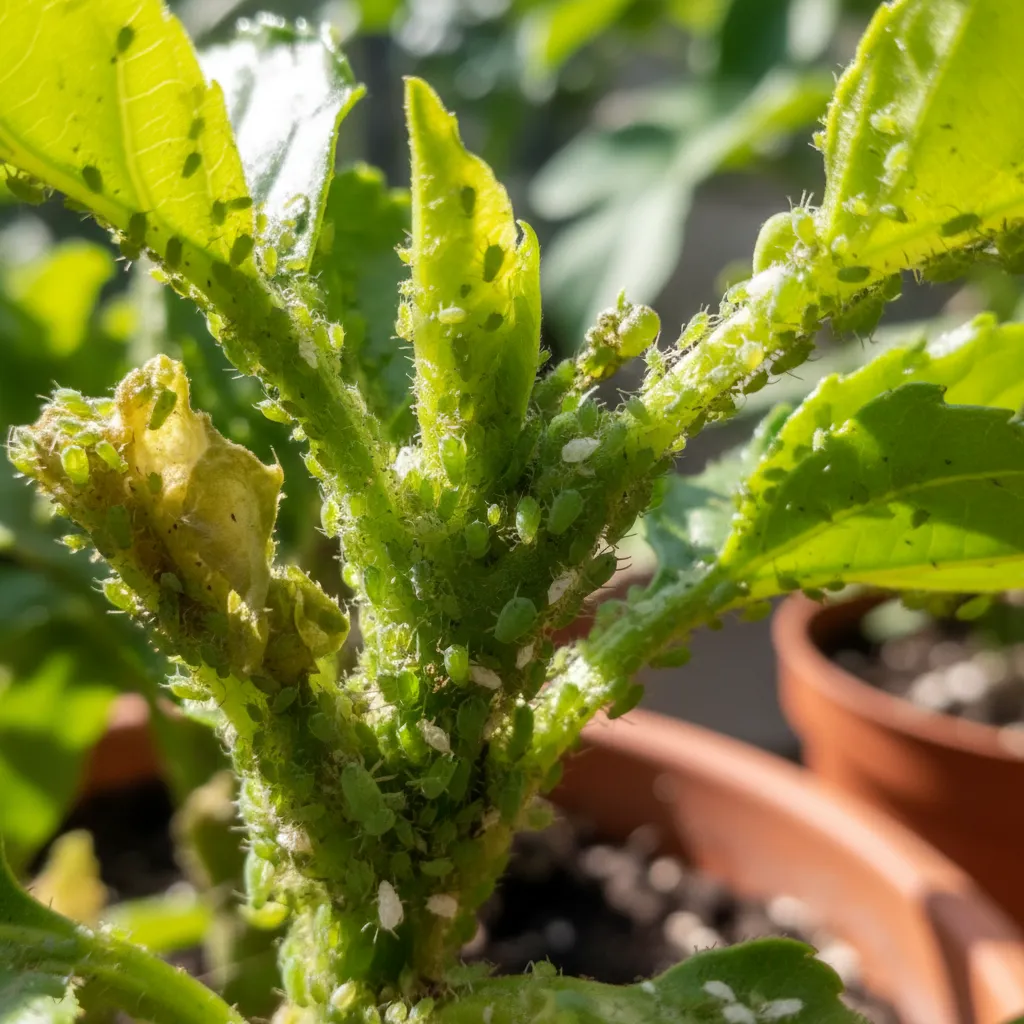
- ✓Pest and Disease Control — Generally robust, it can occasionally be affected by common garden pests like aphids or mealybugs. Organic pest control methods are recommended.
- ✓Harvesting — Various parts, including leaves, stems, and roots, can be harvested once the plant is mature, typically after 1-2 years of growth, for medicinal use.
Reviewed by the Flora Medical Global Botanical Review Panel
Multi-disciplinary editorial group · Botany · Ethnobotany · Herbal-medicine literature
Who reviewed this: This page was checked by the Flora Medical Global Botanical Review Panel — an in-house editorial group of botany graduates, ethnobotany researchers, and horticulture practitioners who collectively maintain our 7,000+ plant encyclopedia. Meet the team.
Our 4-step verification process
1. Taxonomic verification
Scientific names and synonyms cross-checked against Kew POWO, World Flora Online, and The Plant List.
2. Phytochemical & medicinal cross-reference
Active compounds, traditional uses, and reported activities are cross-referenced with PubMed, USDA Dr. Duke's database, and peer-reviewed ethnobotanical literature.
3. Conservation & distribution check
Distribution, ecology, and conservation status confirmed against GBIF occurrence records and the IUCN Red List.
4. Editorial & safety review
Every entry passes an editorial pass for clarity, originality, and safety notices (toxicity, contraindications, dosage caveats) before publication.
Last reviewed:
Important medical disclaimer: This content is for educational and research purposes only. It is not medical advice and is not a substitute for consultation with a licensed healthcare provider. Do not use any herb to self-treat a medical condition without professional guidance.
Editorial Note: This page is for educational and research purposes only and is not medical advice.
Written by: Flora Medical Global Editorial Team
Reviewed by: Flora Medical Global Botanical Review Panel
Last Updated: June 15, 2026




Ichnocarpus — Comments & Community Reviews
Rate this plant