


Medical Disclaimer: This content is for educational purposes only. It is not medical advice. Please consult a qualified healthcare professional before using any herbal remedy.
Safety Overview
1.Idesia Polycarpa — Overview
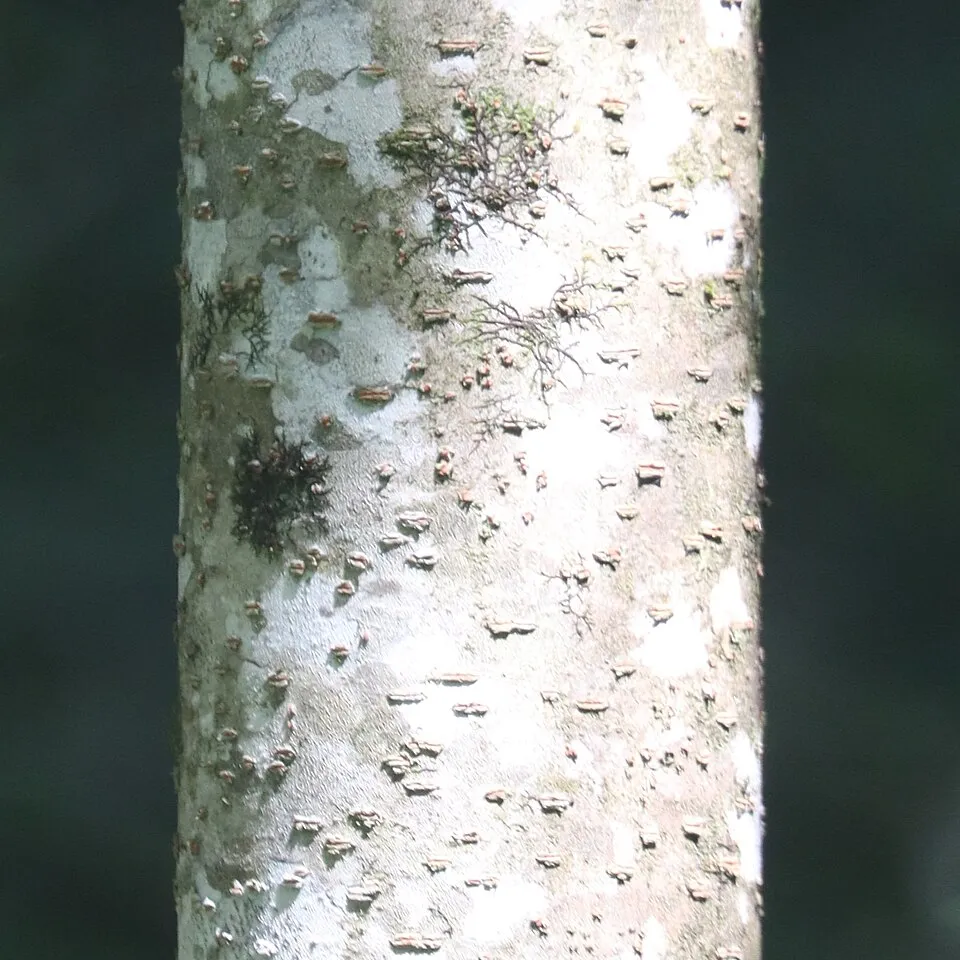
Idesia polycarpa, often celebrated as the Chinese Wonder Tree or simply Idesia, stands as a captivating deciduous tree native to the temperate regions of East Asia, encompassing China, Japan, Korea, and Taiwan. As the sole species within its genus, Idesia, it holds a unique position within the Salicaceae family, which otherwise includes familiar genera like Salix (willows) and Populus (poplars). This magnificent arbor is highly esteemed for its striking ornamental attributes, particularly its prolific clusters of vibrant berries and its expansive, heart-shaped foliage that transforms into brilliant autumnal hues. Typically attaining heights of 10-20 meters (30-65 feet), Idesia polycarpa develops a somewhat irregular yet generally rounded canopy. Its bark is characteristically smooth and grayish in its younger stages, gradually developing fissures and darkening with age.
The large, broadly ovate to cordate leaves measure between 10-30 cm (4-12 inches) in both length and width, featuring a distinctively acuminate tip and margins that are either toothed or undulate. These leaves are alternately arranged along the branches, presenting a deep green color on their upper surface, often glaucous or pale green beneath, before their spectacular transition to yellow or bronze in autumn. The tree's reproductive display is equally enchanting; large, pendulous panicles of small, greenish-yellow flowers appear in early summer. Idesia polycarpa is dioecious, meaning individual trees are either male or female. For the development of its signature fruit, a female specimen must be pollinated by a nearby male tree.
Following successful pollination, female trees produce abundant clusters of fleshy, globose berries, typically 5-10 mm (0.2-0.4 inches) in diameter. These berries mature in autumn, transitioning from green to a glossy, deep red or purplish-red. They persist on the branches in dramatic, drooping clusters, providing a spectacular visual spectacle that often lasts well into winter, long after the leaves have fallen, and serve as a vital food source for avian populations and other wildlife. While the wood of Idesia polycarpa is relatively soft and holds no significant commercial timber value, the tree's exceptional aesthetic appeal ensures its popularity in temperate landscaping. Trusted Scientific References Authoritative external sources for Idesia polycarpa : Wikipedia — Idesia polycarpa Kew POWO (Plants of the World Online) PubMed — peer-reviewed research NCBI Taxo ...[CURRENT TEXT EXISTS: 2539 chars]
1.1.Idesia Polycarpa — Defining Traits
- ✓Deciduous tree native — Deciduous tree native to East Asia (China, Japan, Korea, Taiwan).
- ✓Distinctive large, heart — shaped leaves that turn brilliant yellow or bronze in autumn.
- ✓Produces abundant clusters — Produces abundant clusters of glossy, deep red berries that persist through winter.
- ✓Dioecious flowering, requiring — Dioecious flowering, requiring separate male and female trees for fruit set.
- ✓Belongs to the — Belongs to the Salicaceae family but is the sole species of its genus, Idesia.
- ✓Grows to an impressive height of 10 — 20 meters (30-65 feet) with a rounded crown.
- ✓Berries are a — Berries are a valuable and attractive food source for various bird species and wildlife.
- ✓Generally hardy, low — maintenance, and exhibits resistance to common pests and diseases.
- ✓Primarily cultivated for — Primarily cultivated for its significant ornamental value in temperate landscapes.
- ✓Wood is relatively — Wood is relatively soft and lacks commercial timber significance.
1.2.Idesia Polycarpa — Concise Overview
- ✓Idesia polycarpa is an ornamental deciduous tree native to East Asia, known as the Chinese Wonder Tree.
- ✓It is the sole species in its genus within the Salicaceae family, celebrated for its large leaves and vibrant red berries that persist into winter.
- ✓The tree is dioecious, requiring both male and female plants for fruit production, and serves as a significant food source for wildlife.
- ✓While highly valued for its aesthetic and ecological contributions, there are no established traditional or modern medicinal uses for humans.
- ✓Potential benefits, such as antioxidant activity from its berries, are purely speculative and require rigorous scientific validation.
- ✓It is a hardy, relatively low-maintenance tree resistant to most pests and diseases, thriving in temperate climates.
2.Idesia Polycarpa — Taxonomic Classification
3.Idesia Polycarpa — Quick Facts
4.Idesia Polycarpa — Morphological Account
5.Idesia Polycarpa — Where It Grows
6.Idesia Polycarpa — Historical Applications
7.Idesia Polycarpa — Bioactive Constituents
- ✓Research specifically on the chemical constituents of Idesia polycarpa is not extensive in widely accessible literature. However, based on its botanical characteristics, particularly the vibrant red berries, and its family (Salicaceae), several classes of phytochemicals are likely present and warrant further investigation.
- ✓Anthocyanins — These water-soluble pigments are responsible for the deep red to purplish-red color of Idesia polycarpa berries. They are a type of flavonoid known for potent antioxidant and potential anti-inflammatory activities.
- ✓Phenolic Acids — Likely present in leaves and fruits, these compounds (e.g., gallic acid, caffeic acid derivatives) contribute to antioxidant capacity and may possess antimicrobial and anti-inflammatory properties.
- ✓Flavonoids (other than anthocyanins) — Quercetin, kaempferol, and their glycosides are commonly found in plants and contribute to antioxidant, anti-inflammatory, and potentially anticarcinogenic effects. Their presence in Idesia is probable.
- ✓Triterpenoids — These compounds, often found in bark and leaves, can have diverse biological activities, including anti-inflammatory, hepatoprotective, and adaptogenic properties, though specific examples in Idesia are unconfirmed.
- ✓Fatty Acids — The seeds of Idesia polycarpa are recognized for their potential in biodiesel production, indicating a significant content of various fatty acids, potentially including unsaturated types beneficial for nutrition or industrial use.
- ✓Carotenoids — While anthocyanins dominate the red hue, other pigments like carotenoids (e.g., beta-carotene) may also be present, contributing to antioxidant activity and potentially serving as precursors for Vitamin A.
- ✓Volatile Organic Compounds (VOCs) — The "fragrant yellow flowers" mentioned in some descriptions suggest the presence of essential oil components or other VOCs, which could contribute to aroma and potentially possess insect deterrent or antimicrobial properties.
- ✓Salicylates (Hypothetical) — As a member of the Salicaceae family, there is a theoretical possibility of salicylate derivatives, although their presence and concentration in Idesia polycarpa are not documented and would require specific analysis to confirm.
8.Idesia Polycarpa — Modern Studies
- ✓As a plant primarily recognized for its significant ornamental value and ecological role, Idesia polycarpa — the Chinese Wonder Tree — currently lacks extensive documentation regarding established traditional or modern medicinal uses for humans. While its botanical family, Salicaceae, includes species like willow known for salicylate compounds, specific research validating similar therapeutic properties in Idesia polycarpa is limited. Therefore, the following are potential benefits inferred from its phytochemical profile (especially its vibrant berries) and general plant science, rather than clinically proven medicinal applications. Further scientific investigation is crucial to substantiate these hypotheses.
- ✓Antioxidant Support — The bright red berries of Idesia polycarpa likely contain anthocyanins and other phenolic compounds, which are potent antioxidants that may help neutralize free radicals and reduce oxidative stress in the body.
- ✓Anti-inflammatory Potential — Hypothetically, compounds found in the plant, possibly including some phenolics, could exert mild anti-inflammatory effects, similar to other plants rich in these phytochemicals, though not yet confirmed for Idesia.
- ✓Cardiovascular Health (Exploratory) — Antioxidants and certain flavonoids are often associated with supporting cardiovascular health by improving blood vessel function and reducing lipid peroxidation, an area ripe for future research on Idesia fruit extracts.
- ✓Immune System Modulation (Speculative) — A diet rich in plant-derived antioxidants can contribute to overall immune system health, suggesting a potential, albeit unproven, role for Idesia polycarpa's fruit in supporting immune function.
- ✓Digestive Health (Preliminary) — Some plant fibers and compounds can aid in maintaining healthy gut flora and regularity; the fruit of Idesia may offer similar, though unstudied, benefits.
- ✓Ocular Health (Hypothetical) — Anthocyanins are well-known for their potential benefits to eye health, including improving night vision and reducing eye strain, making Idesia berries a candidate for such exploration.
- ✓Skin Health (Topical Research) — Antioxidant-rich plant extracts are often explored for their potential to protect skin from environmental damage and promote a healthy complexion; topical applications of Idesia extracts could be investigated.
- ✓Nutritional Contribution (Wildlife) — While not directly medicinal for humans, the berries are a valuable food source for birds, indicating a nutritional profile that could be explored for other applications.
- ✓Biofuel Potential — The seeds of Idesia polycarpa have been noted for their potential as a source of biodiesel, pointing to a rich fatty acid composition that could have industrial applications.
8.1.Idesia Polycarpa — Conditions Traditionally Used For
9.Idesia Polycarpa — Adverse Effects
9.1.Idesia Polycarpa — Side Effects & Warnings
- ✓Current knowledge indicates that Idesia polycarpa is generally considered safe, with no widely reported side effects for humans or pets. However, as with any plant, individual sensitivities or reactions are always possible.
- ✓Allergic Reactions — While rare, individuals sensitive to plants in the Salicaceae family or other plant allergens might experience mild skin irritation or respiratory symptoms upon contact or inhalation of pollen.
- ✓Digestive Upset — Ingesting large quantities of any plant material, including Idesia berries, by humans or pets without proper preparation could potentially lead to mild gastrointestinal discomfort due to fiber content or unstudied compounds.
- ✓Lack of Data — Due to the absence of extensive medicinal use and clinical trials, a comprehensive list of potential side effects is not available, underscoring the need for caution.
- ✓Interactions with Medication — If any active compounds were to be discovered and consumed, there could be theoretical interactions with medications, though this is purely speculative at present.
- ✓Not for Internal Medicinal Use — Given the lack of proven efficacy and safety data, Idesia polycarpa should not be consumed for medicinal purposes without expert guidance and further research.
9.2.Idesia Polycarpa — Safety Profile
- ✓The safety profile of Idesia polycarpa is largely based on anecdotal observations and its primary use as an ornamental plant, rather than extensive toxicological studies for medicinal applications.
- ✓Non-Toxic (General Observation) — Idesia polycarpa is not known to be toxic to humans or common household pets according to available horticultural information.
- ✓Limited Research — Due to the lack of established medicinal uses, comprehensive safety and toxicological data, including specific contraindications or drug interactions, are not available.
- ✓Pregnant and Nursing Individuals — As a precautionary measure, pregnant or nursing women should avoid internal consumption due to insufficient safety data.
- ✓Children and Pets — While considered non-toxic, it is advisable to prevent children and pets from ingesting any part of the plant to avoid potential mild digestive upset or choking hazards from berries.
- ✓Allergic Sensitivity — Individuals with known plant allergies should exercise caution when handling the plant, though severe allergic reactions are not commonly reported.
- ✓Consult a Professional — Always consult a healthcare professional or qualified herbalist before considering any internal use of plant materials, especially for a species with limited safety research.
- ✓Proper Identification — Ensure correct plant identification to avoid confusion with potentially toxic species, although Idesia polycarpa has distinctive features.
10.Idesia Polycarpa — Application Forms
- ✓Given the primary recognition of Idesia polycarpa as an ornamental tree rather than a traditional medicinal plant, its current "usage methods" are predominantly horticultural and ecological. Should future research uncover specific medicinal properties, preparation methods would likely mirror those for other botanical extracts.
- ✓Eco-Ornamental Cultivation — Primarily used in landscaping for its aesthetic appeal, providing vibrant autumn foliage and persistent red berries that offer visual interest through winter.
- ✓Wildlife Forage Enhancement — Planted to attract and provide a crucial food source for various bird species and other wildlife, especially during colder months when other food sources are scarce.
- ✓Seed Oil Extraction (Research Focus) — Investigated for its potential as a source of fatty acids for biodiesel production, involving mechanical pressing or solvent extraction of the seeds.
- ✓Fruit Extract Preparation (Exploratory) — If antioxidant properties are confirmed, fruit extracts could be prepared via maceration, percolation, or solvent extraction for cosmetic or nutritional supplement research.
- ✓Leaf Infusion/Decoction (Hypothetical) — Should active compounds be identified in the leaves, traditional methods like infusions (steeping fresh or dried leaves in hot water) or decoctions (simmering tougher plant parts) could be explored for topical or internal use under strict research conditions.
- ✓Bark Preparations (Speculative) — Similar to other Salicaceae members, if bark compounds prove active, it might hypothetically be used in decoctions or tinctures, though this is currently without evidence for Idesia.
- ✓Garden Specimen Planting — Utilized as a standalone specimen tree in parks and large gardens, or as part of mixed borders, to capitalize on its striking seasonal displays.
11.Idesia Polycarpa — Propagation & Care
- ✓Cultivating Idesia polycarpa, the Chinese Wonder Tree, is relatively straightforward once established, making it a resilient choice for temperate gardens.
- ✓Light Requirements — Thrives best in bright, direct sunlight for at least 6 hours daily to ensure robust growth and optimal fruit production.
- ✓Soil Preferences — Prefers well-draining, loamy soil that is rich in organic matter. It tolerates a range of soil pH levels but performs optimally in slightly acidic to neutral conditions (around pH 6.5).
- ✓Watering Schedule — Requires regular watering, especially when young, to maintain moist soil. However, allow the soil surface to dry out partially between waterings to prevent root rot.
- ✓Temperature and Humidity — Best suited for temperate climates, tolerating average temperatures around 20°C. It is hardy and can withstand cooler temperatures during its dormancy period. A humidity level of 60% is preferred, but it adapts to a range.
- ✓Fertilization — Apply a balanced fertilizer with an N-P-K ratio of 10-10-10 in early spring and again in mid-summer to support vigorous growth and flowering. Avoid excessive fertilization.
- ✓Propagation Techniques — Can be propagated by seeds, which require cold stratification and should be sown in the fall, or by cuttings taken in late spring or early summer, treated with rooting hormone for better success.
- ✓Pruning Practices — Pruning is recommended in late winter or early spring before new growth commences to maintain the tree's desired shape, remove any dead or diseased branches, and improve air circulation within the canopy.
- ✓Container Growing — While typically a landscape tree, if grown in a pot, repotting should occur in early spring into a slightly larger container with excellent drainage.
Reviewed by the Flora Medical Global Botanical Review Panel
Multi-disciplinary editorial group · Botany · Ethnobotany · Herbal-medicine literature
Who reviewed this: This page was checked by the Flora Medical Global Botanical Review Panel — an in-house editorial group of botany graduates, ethnobotany researchers, and horticulture practitioners who collectively maintain our 7,000+ plant encyclopedia. Meet the team.
Our 4-step verification process
1. Taxonomic verification
Scientific names and synonyms cross-checked against Kew POWO, World Flora Online, and The Plant List.
2. Phytochemical & medicinal cross-reference
Active compounds, traditional uses, and reported activities are cross-referenced with PubMed, USDA Dr. Duke's database, and peer-reviewed ethnobotanical literature.
3. Conservation & distribution check
Distribution, ecology, and conservation status confirmed against GBIF occurrence records and the IUCN Red List.
4. Editorial & safety review
Every entry passes an editorial pass for clarity, originality, and safety notices (toxicity, contraindications, dosage caveats) before publication.
Last reviewed:
Important medical disclaimer: This content is for educational and research purposes only. It is not medical advice and is not a substitute for consultation with a licensed healthcare provider. Do not use any herb to self-treat a medical condition without professional guidance.
Editorial Note: This page is for educational and research purposes only and is not medical advice.
Written by: Flora Medical Global Editorial Team
Reviewed by: Flora Medical Global Botanical Review Panel
Last Updated: June 15, 2026





Idesia Polycarpa — Comments & Community Reviews
Rate this plant