
Medical Disclaimer: This content is for educational purposes only. It is not medical advice. Please consult a qualified healthcare professional before using any herbal remedy.
Safety Overview
1.Ilex Crenata — At a Glance
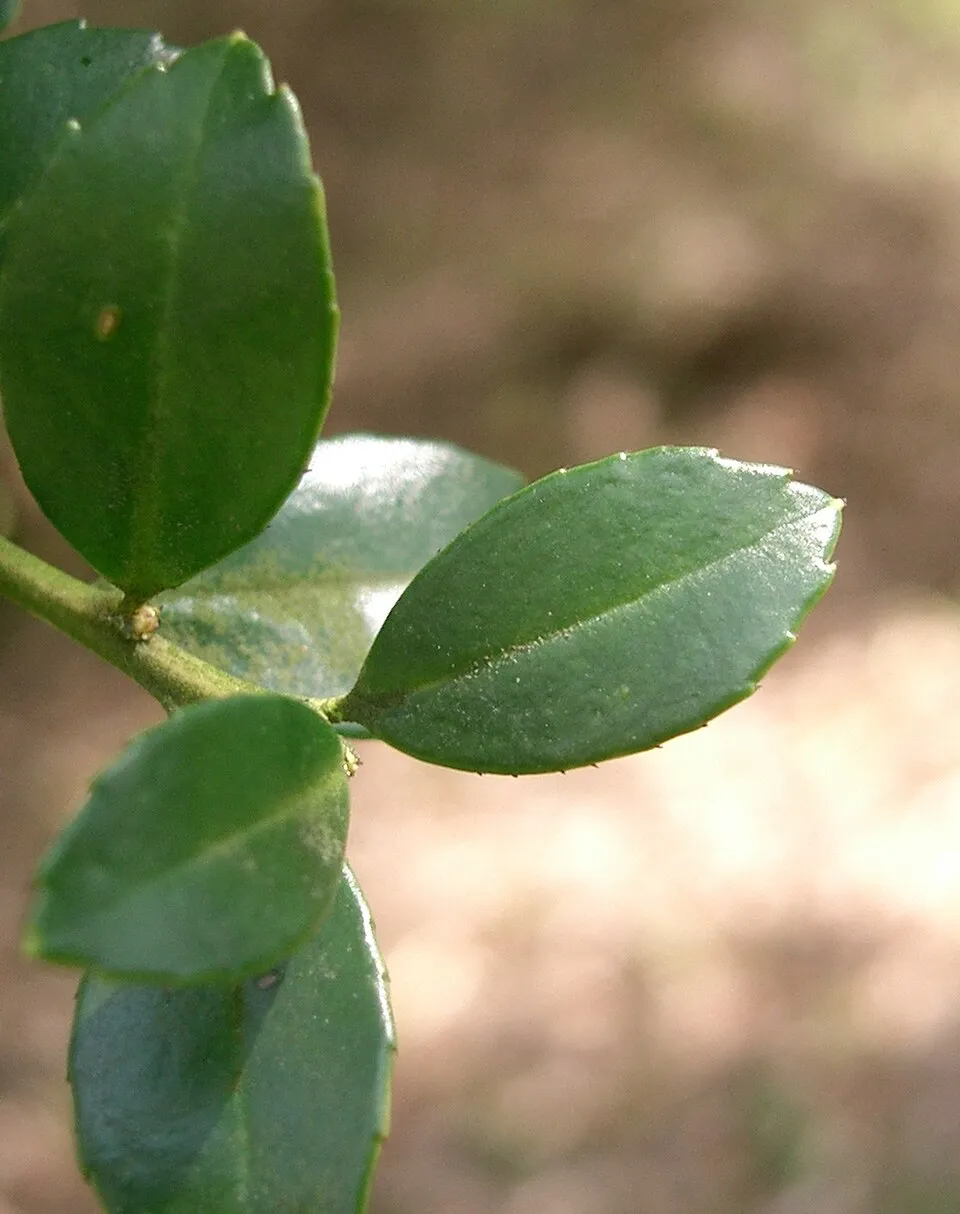
Ilex crenata, commonly known as Japanese holly or box-leaf holly, is a sophisticated evergreen shrub or small tree belonging to the Aquifoliaceae family. Native to the temperate and subtropical regions of East Asia, including China, Japan, Korea, and Taiwan, this species thrives in diverse environments. Its growth habit is typically dense and compact, reaching a mature height of 1 to 4 meters (3 to 13 feet) with a similar spread, though some cultivars can grow taller. The foliage is a key ornamental feature, characterized by small, alternate leaves that are typically ovate to obovate, measuring 1 to 3 cm in length. These leaves possess finely crenated or scalloped margins, which gives rise to its specific epithet 'crenata'.
The upper surface is a lustrous dark green, while the underside is paler. In late spring to early summer, Ilex crenata produces inconspicuous, small white flowers. These flowers are dioecious, meaning male and female flowers are borne on separate plants. Successful pollination on female plants leads to the development of small, spherical, black drupes (berries) in autumn, which persist through winter, offering a subtle contrast against the dark green leaves. While visually appealing, these fruits are not typically consumed.
Japanese holly demonstrates remarkable adaptability, flourishing in a range of soil types, preferably moist, well-drained, and acidic, and tolerating both full sun and partial shade. Its resilience to urban pollution and ability to withstand heavy pruning make it an exceptional choice for formal hedges, topiary, and intricate landscape designs, cementing its role as a versatile and enduring garden staple. Various cultivars further expand its utility, offering different sizes, leaf forms, and growth rates, such as 'Convexa' with its distinctive convex leaves and 'Helleri' known for its dwarf, compact habit.
Trusted Scientific References
1. Authoritative external sources for Ilex crenata
1.1 Wikipedia — Ilex crenata
1.2 Kew POWO (Plants of the World Online)
1.3 PubMed — peer-reviewed research
1.4 NCBI Taxonomy Browser
1.5 GBIF — Global Biodiversity
1.1.Ilex Crenata — Notable Characteristics
- ✓Evergreen Foliage — Dense, glossy, dark green leaves provide year-round visual appeal.
- ✓Ornamental Value — Highly prized for hedges, topiary, and formal garden designs.
- ✓Adaptability — Tolerates a wide range of soil conditions and light exposures.
- ✓Pruning Tolerance — Responds exceptionally well to heavy pruning and shaping.
- ✓Dioecious Flowers — Separate male and female plants; female plants produce small black berries.
- ✓Native to East Asia — Indigenous to China, Japan, Korea, and Taiwan.
- ✓Traditional Medicinal Use — Historically used in folk medicine for various ailments in its native regions.
- ✓Resilient Species — Known for its hardiness and tolerance to urban pollution.
- ✓Compact Growth Habit — Typically forms a dense, rounded to pyramidal shape.
- ✓Diverse Cultivars — Numerous varieties available offering different sizes and leaf forms.
1.2.Ilex Crenata — Concise Overview
- ✓Japanese Holly — Evergreen shrub, ornamental, native to East Asia.
- ✓Traditional Uses — Anti-inflammatory, antioxidant, diuretic, fever reduction.
- ✓Key Compounds — Flavonoids, triterpenoids, phenolic acids.
- ✓Cultivation — Prefers moist, acidic soil, tolerates sun to partial shade, excellent for pruning.
- ✓Safety — Mildly toxic berries, potential GI upset with high doses, consult healthcare professional.
- ✓SEO — "Ilex crenata benefits," "Japanese holly uses," "box-leaf holly care."
2.Ilex Crenata — Nomenclature & Classification
3.Ilex Crenata — Key Data
4.Ilex Crenata — Botanical Features
5.Ilex Crenata — Native Range & Habitat
6.Ilex Crenata — Heritage Uses
7.Ilex Crenata — Key Phytochemicals
- ✓Flavonoids — Quercetin, kaempferol, and their glycosides are present, known for their potent antioxidant, anti-inflammatory, and cardioprotective properties.
- ✓Triterpenoids — Ursolic acid and oleanolic acid derivatives are found, contributing to anti-inflammatory, hepatoprotective, and potential anti-cancer activities.
- ✓Phenolic Acids — Chlorogenic acid and caffeic acid are notable, possessing strong antioxidant and anti-diabetic effects.
- ✓Saponins — These glycosides contribute to the plant's potential immunomodulatory and cholesterol-lowering properties, though specific Ilex crenata saponins require detailed study.
- ✓Alkaloids — While less prominent than in some other Ilex species (e.g., caffeine in Ilex paraguariensis), certain minor alkaloids may be present, influencing various physiological functions.
- ✓Coumarins — Simple coumarins or their derivatives might be present, potentially offering anticoagulant or anti-inflammatory effects.
- ✓Tannins — Hydrolyzable and condensed tannins contribute to the plant's astringent properties and antioxidant capacity.
- ✓Volatile Oils — Trace amounts of essential oils may contribute to the plant's aroma and minor antimicrobial activities.
- ✓Polysaccharides — Complex carbohydrates that can have immunomodulatory effects, though specific to Ilex crenata, they are less characterized.
- ✓Sterols — Beta-sitosterol and other plant sterols are typically found in plant tissues, contributing to anti-inflammatory and cholesterol-modulating effects.
8.Ilex Crenata — Scientific Evidence
- ✓Anti-inflammatory Properties — Traditional uses suggest that compounds within Ilex crenata may help reduce inflammation, potentially by modulating cytokine production pathways.
- ✓Antioxidant Activity — Rich in polyphenols and other bioactive compounds, Japanese holly exhibits antioxidant effects, helping to neutralize free radicals and protect cellular integrity against oxidative stress.
- ✓Diuretic Effects — In some folk medicine practices, infusions of Ilex crenata leaves are used to promote urine flow, aiding in the detoxification process and supporting kidney function.
- ✓Fever Reduction (Antipyretic) — Traditionally, decoctions were employed to help alleviate fevers, possibly by influencing thermoregulatory centers or reducing inflammatory responses contributing to elevated body temperature.
- ✓Digestive Support — Certain preparations are believed to aid digestion and alleviate mild gastrointestinal discomfort, though specific mechanisms require further investigation.
- ✓Immunomodulatory Potential — Preliminary research on related Ilex species suggests a potential to modulate immune responses, which could contribute to overall health and resistance.
- ✓Cardiovascular Health — Some traditional applications hint at benefits for circulatory health, possibly due to compounds that support vascular integrity or lipid metabolism.
- ✓Skin Health — Extracts have been explored for topical applications in traditional settings, suggesting potential benefits for skin conditions due to their anti-inflammatory or antioxidant actions.
- ✓Detoxification Support — Through its traditional diuretic and antioxidant actions, Ilex crenata is thought to support the body's natural detoxification pathways.
- ✓General Tonic — In East Asian traditional medicine, it is sometimes used as a general tonic to enhance vitality and overall well-being, reflecting a holistic approach to health.
8.1.Ilex Crenata — Reported Uses
9.Ilex Crenata — Safety & Side Effects
9.1.Ilex Crenata — Possible Adverse Reactions
- ✓Gastrointestinal Upset — Ingesting large quantities may cause nausea, vomiting, or diarrhea due to saponin content.
- ✓Allergic Reactions — Sensitive individuals may experience skin irritation upon contact or allergic symptoms if ingested.
- ✓Hypotension Risk — Caution for individuals with low blood pressure or those on anti-hypertensive medication due to potential diuretic effects.
- ✓Pregnancy and Lactation — Not recommended for use during pregnancy or breastfeeding due to insufficient safety data.
- ✓Drug Interactions — May interact with diuretic medications, blood thinners, or drugs metabolized by the liver; consult a healthcare professional.
- ✓Berry Toxicity — The black berries are generally considered mildly toxic if consumed in significant amounts, potentially causing digestive upset.
- ✓Photosensitivity — Rare reports suggest potential photosensitivity in highly sensitive individuals, though not widely documented for Ilex crenata.
9.2.Ilex Crenata — Safety Profile
- ✓Consultation Recommended — Always consult a qualified healthcare professional or medical herbalist before using Ilex crenata, especially if pregnant, nursing, or on medication.
- ✓Dosage Adherence — Strictly follow recommended dosages; excessive intake can increase the risk of adverse effects.
- ✓Children and Pets — Keep out of reach of children and pets, particularly the berries, which are mildly toxic if ingested.
- ✓Allergic History — Individuals with known allergies to plants in the Aquifoliaceae family should exercise caution.
- ✓Quality Sourcing — Ensure the plant material is sourced from reputable suppliers to guarantee purity and prevent contamination.
- ✓Monitor for Reactions — Discontinue use immediately if any adverse reactions or unusual symptoms occur.
- ✓Not for Prolonged Use — Avoid prolonged, continuous use without professional guidance, especially for internal applications.
- ✓External Use Caution — Perform a patch test before extensive topical application to check for skin sensitivity.
10.Ilex Crenata — Preparations & Uses
- ✓Herbal Infusion — Dried leaves can be steeped in hot water to create an herbal tea, traditionally used for its diuretic and general tonic properties.
- ✓Decoction — For more potent extraction, leaves and smaller stems can be simmered in water for a longer period, often used in traditional medicine for fever or inflammation.
- ✓Topical Poultice — Crushed fresh leaves, sometimes mixed with a carrier, can be applied externally as a poultice for skin irritations or minor inflammatory conditions.
- ✓Tincture — A concentrated alcoholic extract of the leaves and twigs can be prepared for internal use, offering a more potent and shelf-stable form.
- ✓Extract Powder — Dried and finely ground plant material can be encapsulated or mixed into beverages, providing a standardized dose of the herb.
- ✓External Wash — A diluted decoction can be used as a wash for minor cuts, scrapes, or skin conditions, leveraging its astringent properties.
- ✓Culinary (Limited) — While not a culinary herb, some related Ilex species leaves are used for specific traditional beverages, but Ilex crenata is primarily ornamental and medicinal.
- ✓Essential Oil (Trace) — Although not a primary source of essential oil, trace volatile compounds could be extracted for specific aromatic applications, though not common.
11.Ilex Crenata — Garden Cultivation
- ✓Site Selection — Choose a location with full sun to partial shade; Japanese holly tolerates a range but prefers some sun for denser growth.
- ✓Soil Requirements — Plant in moist, well-drained, acidic soil (pH 5.0-6.5). Amend heavy clay or sandy soils with organic matter.
- ✓Watering — Keep the soil consistently moist, especially during establishment and dry periods. Avoid waterlogging.
- ✓Fertilization — Apply a balanced, slow-release fertilizer formulated for acid-loving evergreens in early spring as new growth emerges.
- ✓Pruning — Prune in late winter or early spring to shape, remove dead/damaged branches, or maintain desired size and form. It tolerates heavy pruning well.
- ✓Mulching — Apply a 2-3 inch layer of organic mulch around the base to conserve moisture, regulate soil temperature, and suppress weeds.
- ✓Pest and Disease Management — Monitor for common issues like spider mites, scale, or leaf spot. Ensure good air circulation to prevent fungal problems.
- ✓Winter Protection — In colder zones, protect young plants from harsh winter winds and extreme cold with mulch or burlap.
Reviewed by the Flora Medical Global Botanical Review Panel
Multi-disciplinary editorial group · Botany · Ethnobotany · Herbal-medicine literature
Who reviewed this: This page was checked by the Flora Medical Global Botanical Review Panel — an in-house editorial group of botany graduates, ethnobotany researchers, and horticulture practitioners who collectively maintain our 7,000+ plant encyclopedia. Meet the team.
Our 4-step verification process
1. Taxonomic verification
Scientific names and synonyms cross-checked against Kew POWO, World Flora Online, and The Plant List.
2. Phytochemical & medicinal cross-reference
Active compounds, traditional uses, and reported activities are cross-referenced with PubMed, USDA Dr. Duke's database, and peer-reviewed ethnobotanical literature.
3. Conservation & distribution check
Distribution, ecology, and conservation status confirmed against GBIF occurrence records and the IUCN Red List.
4. Editorial & safety review
Every entry passes an editorial pass for clarity, originality, and safety notices (toxicity, contraindications, dosage caveats) before publication.
Last reviewed:
Important medical disclaimer: This content is for educational and research purposes only. It is not medical advice and is not a substitute for consultation with a licensed healthcare provider. Do not use any herb to self-treat a medical condition without professional guidance.
Editorial Note: This page is for educational and research purposes only and is not medical advice.
Written by: Flora Medical Global Editorial Team
Reviewed by: Flora Medical Global Botanical Review Panel
Last Updated: June 15, 2026





Ilex Crenata — Comments & Community Reviews
Rate this plant