

Medical Disclaimer: This content is for educational purposes only. It is not medical advice. Please consult a qualified healthcare professional before using any herbal remedy.
Safety Overview
1.Indian Elm — Introduction & Highlights
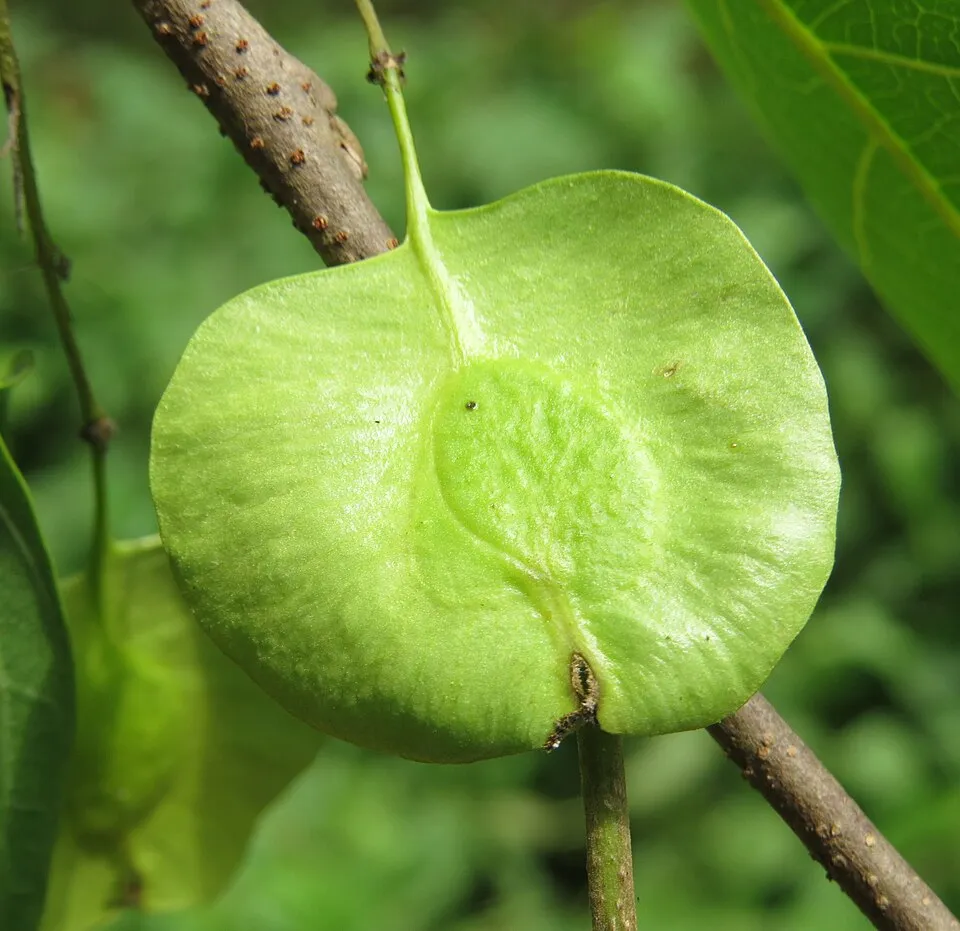
Indian Elm, scientifically known as Holoptelea integrifolia (Roxb.) Planch., is a prominent medium to large deciduous tree belonging to the Ulmaceae family, commonly reaching heights of up to 25 meters. Its robust trunk is cloaked in a greyish, rough bark that often develops distinct fissures with age, contributing to its characteristic appearance. The foliage is a defining feature, with simple, alternate leaves that are long-petioled and ovate to elliptic-oblong, typically measuring 10 to 15 centimeters in length and 6 to 8 centimeters in width. The upper surface of the leaves presents a glossy dark green hue, while the underside is notably paler and often covered in fine hairs, giving it a somewhat velvety texture. The leaf margins are typically smooth or subtly serrated, and the venation is pinnate, clearly visible on both surfaces. From March to May, before or with the new leaves, Indian Elm produces small, inconspicuous greenish-yellow flowers.
These flowers are often clustered in short racemes or fascicles, and while individually small, their abundance can be quite striking. They are typically perfect (bisexual) but can also be unisexual, contributing to a somewhat complex reproductive strategy. Following successful pollination, the tree develops characteristic orbicular or broadly ovate samaras, which are winged fruits, aiding in wind dispersal. These fruits are thin, flat, and light green when young, maturing to a papery brown. Holoptelea integrifolia is indigenous to the Indian subcontinent and extends its natural range into various parts of Southeast Asia. It thrives in a diverse array of habitats, predominantly found in tropical and subtropical deciduous forests, along riverbanks, and in open plains.
The tree exhibits remarkable adaptability to different soil types, though it shows a preference for rich loamy soils with excellent drainage. Its ecological role includes providing shade and contributing to local biodiversity. Taxonomically, its placement within the Ulmaceae family links it to other well-known elm species, sharing certain botanical characteristics while possessing unique traits that distinguish it. Historically, Indian Elm has held significant cultural and medicinal importance in traditional systems of medicine across its native range, where various parts of the tree have been utilized for their therapeutic properties, cementing its status as a valuable botanical resource. Trusted Scientific References Authoritative external sources ...[CURRENT TEXT EXISTS: 2685 chars]
1.1.Indian Elm — Defining Traits
- ✓Deciduous Tree — Sheds leaves seasonally, typically growing up to 25 meters tall.
- ✓Ulmaceae Family — Member of the Elm family, sharing characteristics with other elm species.
- ✓Native to India & Southeast Asia — Indigenous to tropical and subtropical regions.
- ✓Rough Grey Bark — Distinctive bark texture with fissures.
- ✓Ovate, Glossy Leaves — Simple, alternate leaves, dark green above, pale and hairy beneath.
- ✓Inconspicuous Greenish — Yellow Flowers — Small, clustered flowers appearing in spring.
- ✓Samara Fruits — Produces characteristic winged, papery fruits for wind dispersal.
- ✓Adaptable to Soils — Thrives in well-drained loamy soils but tolerates various types.
- ✓Rich Phytochemistry — Contains diverse compounds including flavonoids, terpenoids, and alkaloids.
- ✓Traditional Medicinal Use — Long history of use in Ayurvedic and Unani medicine.
- ✓Anti — inflammatory Properties — Proven to reduce inflammation and pain.
- ✓Antioxidant Activity — Protects cells from oxidative stress.
- ✓Antimicrobial Action — Effective against various bacteria and fungi.
- ✓Wound Healing Efficacy — Promotes faster healing of skin injuries.
- ✓Potential Antidiabetic Effects — May help regulate blood sugar levels.
1.2.Indian Elm — At-a-Glance Summary
- ✓Indian Elm (Holoptelea integrifolia) is a deciduous tree native to India and Southeast Asia, belonging to the Ulmaceae family.
- ✓Traditionally used in Ayurveda and Unani for a wide range of ailments, including skin diseases, inflammation, and digestive issues.
- ✓Rich in bioactive compounds like flavonoids, terpenoids, alkaloids, and phenolic acids.
- ✓Exhibits scientifically validated properties such as anti-inflammatory, antioxidant, antimicrobial, and wound-healing effects.
- ✓Used topically for skin conditions and wounds, and internally for digestive health and immune support.
- ✓Cultivated in tropical to subtropical climates, preferring well-drained loamy soils.
- ✓Requires caution due to potential drug interactions and contraindications, especially for pregnant or nursing individuals.
- ✓A valuable botanical resource with ongoing research into its therapeutic potential.
2.Indian Elm — Taxonomic Classification
3.Indian Elm — Quick Facts
4.Indian Elm — Plant Morphology
5.Indian Elm — Geographic Distribution
6.Indian Elm — Ethnobotanical Uses
7.Indian Elm — Active Compounds
- ✓Alkaloids — These nitrogen-containing compounds, while not predominant, contribute to various pharmacological activities, often exhibiting analgesic and anti-inflammatory effects by interacting with neurotransmitter systems.
- ✓Flavonoids — A significant class of polyphenolic compounds, including quercetin and kaempferol derivatives, are responsible for potent antioxidant, anti-inflammatory, and hepatoprotective actions, protecting cells from oxidative damage.
- ✓Terpenoids — This diverse group includes triterpenoids like friedlin, epifriedlin, β-amyrin, betulin, and betulinic acid, which are noted for their anti-inflammatory, anticancer, and hepatoprotective properties, influencing cellular signaling pathways.
- ✓Phenolic Acids — Compounds such as gallic acid and caffeic acid contribute substantially to the plant's antioxidant capacity, neutralizing free radicals and supporting cellular integrity.
- ✓Saponins — These glycosides are known for their detergent-like properties and have been linked to hypolipidemic effects, assisting in cholesterol metabolism, and potentially possessing immunomodulatory actions.
- ✓Tannins — Present in significant amounts, tannins provide astringent properties, contributing to wound healing, antimicrobial activity, and antidiarrhoeal effects by precipitating proteins and forming protective layers.
- ✓Sterols — Phytosterols like stigmasterol and β-sitosterol are found in Holoptelea integrifolia, known for their anti-inflammatory and cholesterol-lowering properties, impacting membrane fluidity and hormone precursors.
- ✓Glycosides — Various glycosides, where a sugar molecule is attached to a non-sugar component, contribute to a range of therapeutic actions, often enhancing bioavailability or specific receptor binding.
- ✓Quinones — Including compounds like 1,4-napthalenedione, quinones can exhibit antimicrobial and antioxidant activities, playing roles in electron transport and redox reactions.
- ✓Proteins and Carbohydrates — While not primarily medicinal, these macronutrients are essential for the plant's structural integrity and metabolic processes, and are present in varying concentrations.
- ✓Fatty Acids — Long-chain alcohols such as hexacosanol and octacosanol are present, which can have emollient properties and contribute to the overall lipid profile of the plant extracts.
- ✓Lignans — Although not explicitly listed in the source, lignans are often found in woody plants and can contribute to antioxidant and phytoestrogenic activities, supporting hormone balance and cellular protection.
8.Indian Elm — Modern Studies
- ✓Anti-inflammatory — Compounds such as flavonoids and triterpenoids within Indian Elm modulate inflammatory pathways by inhibiting pro-inflammatory mediators like cytokines and prostaglandins, thereby reducing swelling, pain, and tissue damage in conditions like rheumatism and arthritis.
- ✓Antioxidant Protection — Rich in phenolic acids and flavonoids, Holoptelea integrifolia scavenges free radicals and reactive oxygen species, protecting cells from oxidative stress and supporting overall cellular health and longevity.
- ✓Antimicrobial Activity — Extracts from the bark and leaves exhibit broad-spectrum antibacterial and antifungal properties against various pathogens, making it useful in treating skin infections, wounds, and internal microbial imbalances.
- ✓Wound Healing — The plant's rich tannin content and anti-inflammatory compounds promote faster wound contraction, tissue regeneration, and epithelialization, aiding in the healing of chronic wounds, cuts, and abrasions.
- ✓Analgesic Effects — Certain phytochemicals in Indian Elm demonstrate pain-relieving properties, acting on neural pathways to alleviate discomfort associated with inflammation, injuries, and headaches.
- ✓Hepatoprotective Action — Studies suggest that components of Holoptelea integrifolia protect liver cells from damage induced by toxins and oxidative stress, supporting liver function and aiding in detoxification processes.
- ✓Antidiabetic Potential — Active constituents may help regulate blood glucose levels by improving insulin sensitivity, reducing glucose absorption, or stimulating insulin secretion, offering benefits for managing diabetes.
- ✓Anthelmintic Properties — Traditional uses and some studies indicate that Indian Elm can effectively expel parasitic worms from the gastrointestinal tract, providing a natural remedy for helminth infections.
- ✓Immunomodulatory Support — The plant's bioactive compounds can modulate immune responses, potentially enhancing the body's natural defense mechanisms against infections and supporting overall immune health.
- ✓Digestive Health — Traditionally used to alleviate digestive issues, Indian Elm may help improve gut motility, reduce inflammation in the digestive tract, and provide relief from conditions like diarrhea.
- ✓Skin Health — Its antiseptic, anti-inflammatory, and wound-healing properties make it valuable for treating various skin conditions such as eczema, scabies, ringworm, leucoderma, and boils.
- ✓Anti-cancer Properties — Preliminary research suggests certain compounds, like betulinic acid, may exhibit cytotoxic effects against various cancer cell lines, inhibiting tumor growth and promoting apoptosis.
- ✓Antimalarial Activity — Traditional practices involve using the bark for malaria, suggesting compounds might interfere with the life cycle of the malaria parasite or alleviate associated symptoms.
- ✓Adaptogenic Effects — While not extensively studied, some traditional uses imply adaptogenic qualities, helping the body cope with stress and maintain homeostasis.
- ✓Hypolipidemic Effects — Constituents may help reduce elevated lipid levels in the blood, contributing to cardiovascular health by potentially lowering cholesterol and triglycerides.
- ✓CNS Depressant Activity — Extracts have shown mild central nervous system depressant effects in some animal models, suggesting potential for anxiolytic or sedative properties.
- ✓Anti-emetic Properties — Traditional applications hint at its use in alleviating nausea and vomiting, although the specific mechanisms require further investigation.
- ✓Bone Health (Rickets) — Traditional application of young leaves for rickets suggests a historical belief in its role in bone development, possibly through mineral absorption or anti-inflammatory actions.
8.1.Indian Elm — Health Applications
9.Indian Elm — Precautions & Warnings
9.1.Indian Elm — Caution Notes
- ✓Allergic Reactions — Individuals sensitive to plants in the Ulmaceae family may experience skin rashes, itching, or respiratory symptoms upon contact or ingestion.
- ✓Gastrointestinal Upset — High doses or sensitive individuals might experience mild digestive disturbances such as nausea, vomiting, or diarrhea.
- ✓Hypotension — Certain compounds could potentially lower blood pressure, which might be a concern for individuals already on antihypertensive medication or with low blood pressure.
- ✓Hypoglycemia — For individuals with diabetes, especially those on medication, there's a theoretical risk of blood sugar dropping too low if combined with antidiabetic agents.
- ✓Drug Interactions — Indian Elm may interact with certain medications, including anticoagulants, antidiabetics, and blood pressure medications, altering their efficacy or increasing side effects.
- ✓Liver Enzyme Alterations — While generally hepatoprotective, very high doses or prolonged use might theoretically impact liver enzyme levels in susceptible individuals.
- ✓Photosensitivity — Some plant compounds can increase sensitivity to sunlight, potentially leading to skin reactions in susceptible individuals.
- ✓Pregnancy and Lactation Concerns — Due to insufficient safety data, use is generally advised against during pregnancy and breastfeeding.
- ✓Kidney Function — In individuals with pre-existing kidney conditions, caution is advised as some compounds could potentially affect kidney function.
9.2.Indian Elm — Risk Assessment
- ✓Professional Consultation — Always consult a qualified healthcare professional or medical herbalist before using Indian Elm, especially if pregnant, nursing, or on medication.
- ✓Pregnancy and Lactation — Contraindicated during pregnancy and lactation due to a lack of sufficient safety data regarding its effects on fetal development or infant health.
- ✓Children — Use in children should be approached with extreme caution and only under the guidance of a healthcare provider due to limited safety research.
- ✓Pre-existing Conditions — Individuals with chronic health conditions, particularly diabetes, cardiovascular diseases, or liver/kidney impairments, should exercise caution and seek medical advice.
- ✓Medication Interactions — Potential interactions with blood thinners, antidiabetic drugs, and antihypertensive medications necessitate careful monitoring and medical supervision.
- ✓Allergic History — Individuals with known allergies to plants in the Ulmaceae family or other botanical allergens should avoid use.
- ✓Dosage Adherence — Strictly follow recommended dosages from a qualified practitioner; excessive intake may lead to adverse effects.
- ✓Quality Sourcing — Ensure that any Indian Elm product is sourced from reputable suppliers to guarantee purity, potency, and absence of contaminants.
- ✓Topical Use — Perform a patch test on a small skin area before extensive topical application to check for allergic reactions or skin irritation.
- ✓Discontinue if Adverse Reactions Occur — Cease use immediately if any adverse reactions or unusual symptoms are experienced and seek medical attention.
10.Indian Elm — How to Use
- ✓Decoction of Bark — Boil bark pieces in water for 15-20 minutes to extract active compounds, traditionally used for internal conditions like intestinal issues or fever.
- ✓Leaf Poultice — Crush fresh leaves and apply directly as a poultice to boils, chronic wounds, or skin inflammations to promote healing and reduce swelling.
- ✓Bark Paste for Headache — Grind dried bark into a fine powder, mix with a small amount of water to form a paste, and apply externally to the forehead for headache relief.
- ✓Topical Oil Infusion — Infuse bark or leaf extracts into coconut oil by gentle heating, then apply topically for eczema, ringworm, and other cutaneous diseases.
- ✓Seed Poultice for Bleeding — Pulverize Indian Elm seeds and apply externally as a poultice to fresh wounds to help control uncontrolled bleeding.
- ✓Oral Powder — Dry and powder the bark or leaves for internal consumption, mixed with honey or water, for conditions like digestive issues or general wellness support.
- ✓Herbal Bath — Boil a quantity of leaves in water and use the strained liquid for a warm bath, particularly for widespread skin conditions such as leprosy, scabies, or generalized inflammation.
- ✓Rheumatism Compress — Boil mucilaginous bark, extract the juice or apply the warm, pulpy bark as a compress to swollen joints to alleviate rheumatic pain.
- ✓Leaf Bud with Lime Juice — Crush young leaf buds and mix with lime juice for external application to areas affected by herpes infection.
- ✓Bark for Malaria — Historically, a piece of bark was cut and tied on the arm, believed to deter malaria. While not a direct treatment, it reflects traditional belief in protective properties.
- ✓Gargle Solution — A diluted decoction of the bark or leaves can be used as a gargle for throat irritations or oral infections due to its antimicrobial properties.
- ✓Hair Rinse — An infusion of the leaves can be used as a hair rinse to promote scalp health and potentially address issues like dandruff.
11.Indian Elm — Propagation & Care
- ✓Site Selection — Choose a location with ample sunlight, ideally full sun to partial shade, and sufficient space for the tree to grow to its mature size.
- ✓Soil Requirements — Indian Elm thrives in a variety of soils but prefers well-drained, rich loamy soil. It can tolerate some clay content but avoids waterlogged conditions.
- ✓PH Level — A soil pH ranging from slightly acidic to neutral (6.0-7.5) is generally suitable for optimal growth.
- ✓Watering — Requires regular watering, especially during its establishment phase and prolonged dry periods, to maintain consistent soil moisture. Mature trees are more drought-tolerant.
- ✓Propagation — Can be propagated by seeds, which should be sown in well-prepared seedbeds, or by stem cuttings, particularly semi-hardwood cuttings taken during the growing season.
- ✓Planting — Dig a hole twice as wide as the root ball and just as deep. Place the tree, backfill with soil, and water thoroughly to settle the soil around the roots.
- ✓Fertilization — Young trees benefit from balanced organic fertilizers during their active growth phase. Mature trees typically require less fertilization once established.
- ✓Pest and Disease Management — Generally robust, but monitor for common tree pests like aphids or scale insects and fungal diseases, treating with organic solutions if necessary.
- ✓Pruning — Prune to remove dead, diseased, or crossing branches, and to shape the canopy, typically performed during the dormant season to minimize stress.
- ✓Climate — Best suited for tropical to subtropical climates, as it is a deciduous tree that flourishes in warm, humid conditions.
Reviewed by the Flora Medical Global Botanical Review Panel
Multi-disciplinary editorial group · Botany · Ethnobotany · Herbal-medicine literature
Who reviewed this: This page was checked by the Flora Medical Global Botanical Review Panel — an in-house editorial group of botany graduates, ethnobotany researchers, and horticulture practitioners who collectively maintain our 7,000+ plant encyclopedia. Meet the team.
Our 4-step verification process
1. Taxonomic verification
Scientific names and synonyms cross-checked against Kew POWO, World Flora Online, and The Plant List.
2. Phytochemical & medicinal cross-reference
Active compounds, traditional uses, and reported activities are cross-referenced with PubMed, USDA Dr. Duke's database, and peer-reviewed ethnobotanical literature.
3. Conservation & distribution check
Distribution, ecology, and conservation status confirmed against GBIF occurrence records and the IUCN Red List.
4. Editorial & safety review
Every entry passes an editorial pass for clarity, originality, and safety notices (toxicity, contraindications, dosage caveats) before publication.
Last reviewed:
Important medical disclaimer: This content is for educational and research purposes only. It is not medical advice and is not a substitute for consultation with a licensed healthcare provider. Do not use any herb to self-treat a medical condition without professional guidance.
Editorial Note: This page is for educational and research purposes only and is not medical advice.
Written by: Flora Medical Global Editorial Team
Reviewed by: Flora Medical Global Botanical Review Panel
Last Updated: June 15, 2026




Indian Elm — Comments & Community Reviews
Rate this plant