
Medical Disclaimer: This content is for educational purposes only. It is not medical advice. Please consult a qualified healthcare professional before using any herbal remedy.
Safety Overview
1.Indian Privet — At a Glance
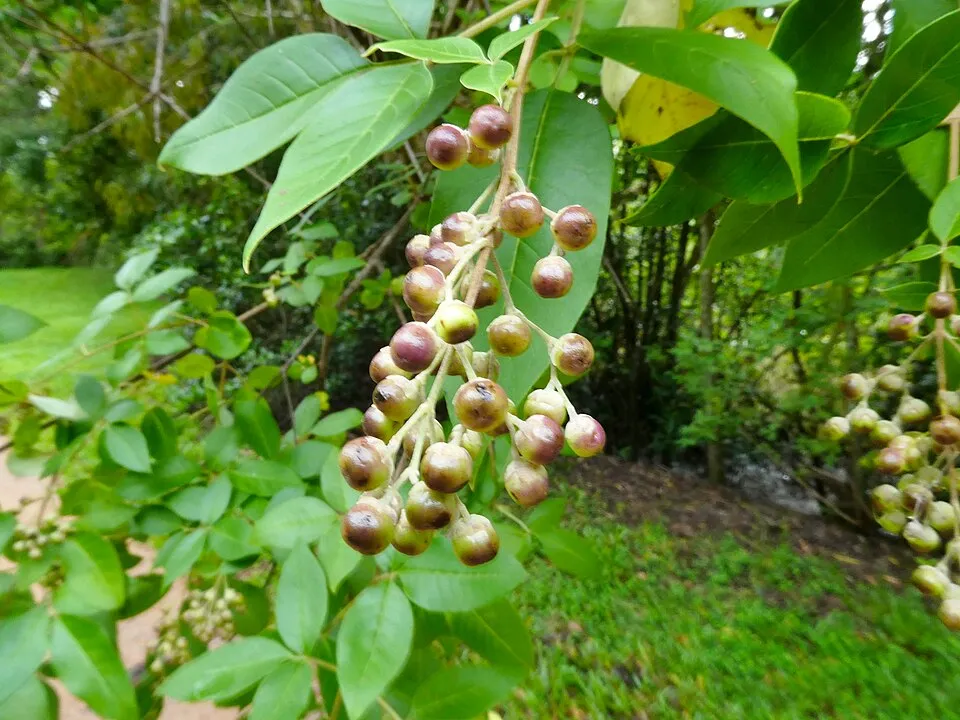
Indian Privet, scientifically known as Vitex trifolia, is a resilient and aesthetically pleasing small shrub or tree, typically reaching heights of 1.5 to 5 meters. Its robust structure and dense foliage make it a notable presence in its native habitats. The leaves are a key identifying feature, arranged oppositely along the stems, simple in form, and growing up to 10 cm in length. They exhibit an elegant ovate to elliptical shape, characterized by a smooth, entire margin and a distinctively glossy, dark green surface that contributes to the plant's lush appearance. When crushed, these aromatic leaves release a pleasant, characteristic scent, a trait common among members of its botanical family. Flowering occurs predominantly during the warmer summer months, presenting small, tubular blossoms clustered in inflorescences.
These delicate flowers range in color from vibrant violet to subtle pale purple, creating a visually appealing display that also serves to attract a diverse array of pollinators, including bees and butterflies. The bark of Vitex trifolia is generally smooth and exhibits a gray-brown hue. As the plant matures, this thin bark may develop a tendency to peel off in narrow strips, adding to its textural interest. Indigenous to the tropical and subtropical regions of Asia, Indian Privet has a wide natural distribution across various countries, often thriving in coastal environments. It demonstrates a preference for well-drained soils that are rich in organic matter, a characteristic that allows it to flourish in diverse settings, from sandy shores to fertile inland areas. Taxonomically, Vitex trifolia is classified under the family Lamiaceae, commonly known as the mint family.
This family is renowned for its many aromatic species, including numerous herbs valued for their culinary and medicinal properties, a lineage that Vitex trifolia proudly upholds with its fragrant leaves. Beyond its ornamental value and aromatic qualities, Indian Privet plays a practical role in certain ecosystems. Its adaptability and robust root system make it an excellent candidate for soil conservation efforts, particularly in regions prone to erosion. Historically, various parts of the plant have been utilized in traditional medicine systems across Asia, highlighting its long-standing cultural and practical significance. This versatility underscores Indian Privet's dual identity as both a beautiful garden specimen and a plant with utilitarian applications. Trusted Scie ...[CURRENT TEXT EXISTS: 2715 chars]
1.1.Indian Privet — Distinguishing Points
- ✓Botanical Name — Vitex trifolia, commonly known as Indian Privet.
- ✓Family — Lamiaceae (Mint Family), known for aromatic plants.
- ✓Morphology — Small shrub or tree, typically 1.5-5 meters tall.
- ✓Leaves — Simple, opposite, ovate to elliptical, glossy, and aromatic when crushed.
- ✓Flowers — Small, tubular, violet to pale purple, blooming in summer clusters.
- ✓Habitat — Native to tropical and subtropical Asia, often found in coastal areas.
- ✓Soil Preference — Thrives in well-drained, organic-rich soils.
- ✓Traditional Uses — Immune support, anti-inflammatory, antioxidant, digestive aid.
- ✓Phytochemistry — Rich in flavonoids, terpenoids, iridoids, and phenolic acids.
- ✓Medicinal Properties — Antimicrobial, analgesic, antipyretic, hepatoprotective.
- ✓Environmental Role — Used for soil conservation due to its adaptability.
- ✓Ornamental Value — Prized for its dense canopy and attractive blooms.
- ✓Adaptability — Tolerates various conditions, including salt spray in coastal zones.
- ✓Pollinator Attractor — Flowers attract diverse insect pollinators.
1.2.Indian Privet — In Brief
- ✓Indian Privet (Vitex trifolia) is an aromatic shrub native to tropical Asia, prized for its ornamental beauty and traditional medicinal uses.
- ✓It belongs to the Lamiaceae family and is rich in flavonoids, terpenoids, and phenolic acids.
- ✓Traditionally used for anti-inflammatory, antioxidant, and antimicrobial support, as well as digestive and immune health.
- ✓Modern research validates many of its traditional applications, focusing on its diverse phytochemical profile.
- ✓Cultivation requires well-drained soil and ample sunlight, thriving in warm climates.
- ✓Common preparations include decoctions, infusions, tinctures, and topical applications.
- ✓Safety precautions include avoiding use during pregnancy, breastfeeding, and with hormone-sensitive conditions or certain medications.
2.Indian Privet — Botanical Identity
3.Indian Privet — Vital Statistics
4.Indian Privet — Physical Description
5.Indian Privet — Native Range & Habitat
6.Indian Privet — Traditional Uses
7.Indian Privet — Key Phytochemicals
- ✓Flavonoids — Key compounds like vitexin, casticin, and orientin exhibit strong antioxidant, anti-inflammatory, and neuroprotective activities.
- ✓Terpenoids — Includes diterpenoids (e.g., vitexilactone) and triterpenoids (e.g., ursolic acid), known for their anti-inflammatory, antimicrobial, and potential anticancer properties.
- ✓Iridoids — Compounds such as agnuside and aucubin contribute to the plant's anti-inflammatory and analgesic effects.
- ✓Alkaloids — Various nitrogen-containing compounds are present, which may contribute to its diverse pharmacological actions, including antimicrobial effects.
- ✓Phenolic Acids — Gallic acid, caffeic acid, and ferulic acid are examples that provide significant antioxidant and anti-inflammatory benefits.
- ✓Essential Oils — Volatile compounds, primarily monoterpenes and sesquiterpenes, are responsible for the plant's characteristic aroma and possess antimicrobial and insect-repellent properties.
- ✓Ecdysteroids — These steroidal compounds, such as 20-hydroxyecdysone, have demonstrated adaptogenic and anabolic properties in some studies.
- ✓Lignans — Compounds like vitexin-2''-O-glucoside are present, often associated with antioxidant and anti-estrogenic activities in other Vitex species.
- ✓Steroids — Beyond ecdysteroids, other plant steroids may contribute to various biological activities, including hormonal modulation.
- ✓Saponins — These glycosides can have expectorant and immune-modulating effects, contributing to respiratory and immune support.
- ✓Glycosides — A broad category of compounds where a sugar molecule is attached to another functional group, often influencing bioavailability and activity.
- ✓Tannins — Astringent compounds that contribute to antimicrobial and wound-healing properties, often found in bark and leaves.
- ✓Fatty Acids — Essential fatty acids and their derivatives can play roles in anti-inflammatory processes and membrane health.
8.Indian Privet — Scientific Evidence
- ✓Anti-inflammatory Support — Vitex trifolia contains compounds like flavonoids and terpenoids that inhibit pro-inflammatory mediators, helping to reduce swelling and pain associated with various inflammatory conditions.
- ✓Antioxidant Protection — Rich in phenolic acids and other antioxidants, Indian Privet helps neutralize harmful free radicals, thereby protecting cells from oxidative damage and supporting overall cellular health.
- ✓Antimicrobial Activity — Extracts of Vitex trifolia have demonstrated efficacy against a range of bacteria and fungi, offering potential benefits in combating infections and promoting microbial balance.
- ✓Immune System Modulation — Certain phytochemicals in the plant can help regulate immune responses, enhancing the body's natural defense mechanisms and supporting immune health.
- ✓Digestive Health Aid — Traditionally used to alleviate digestive discomfort, Vitex trifolia may help soothe the gastrointestinal tract and support healthy digestive function, potentially due to its anti-spasmodic properties.
- ✓Analgesic Properties — The plant's ability to reduce inflammation and modulate pain pathways contributes to its traditional use as a natural pain reliever for minor aches and discomforts.
- ✓Antipyretic Effects — Indian Privet has been traditionally employed to help reduce fever, possibly by influencing thermoregulatory mechanisms within the body.
- ✓Hepatoprotective Action — Some constituents may offer protective effects to the liver, supporting its detoxification processes and overall health against various stressors.
- ✓Neuroprotective Potential — Early research suggests that certain compounds in Vitex trifolia may help protect neuronal cells from damage, indicating potential benefits for cognitive health.
- ✓Wound Healing Acceleration — Topical applications of Indian Privet have been traditionally used to promote the healing of minor cuts and wounds, likely due to its antimicrobial and anti-inflammatory properties.
- ✓Respiratory System Support — In traditional practices, it has been used to alleviate symptoms of respiratory ailments, such as coughs and colds, by helping to reduce inflammation and clear airways.
- ✓Dermatological Benefits — The plant's anti-inflammatory and antiseptic qualities make it beneficial for addressing various skin conditions, including minor irritations and blemishes.
- ✓Antihistaminic Effects — Some research indicates potential in modulating histamine responses, which could be beneficial in managing allergic reactions.
- ✓Insect Repellent Properties — The aromatic compounds in Vitex trifolia leaves are known to deter insects, making it a natural choice for pest management in some regions.
- ✓General Tonic and Wellness — Across traditional systems, Indian Privet is valued as a general tonic, believed to enhance vitality and promote overall well-being.
8.1.Indian Privet — Health Applications
9.Indian Privet — Safety Considerations
9.1.Indian Privet — Side Effects & Warnings
- ✓Mild Gastrointestinal Upset — Some individuals may experience nausea, stomach discomfort, or diarrhea, particularly with higher doses.
- ✓Allergic Reactions — Skin rashes, itching, or hives can occur in sensitive individuals, especially with topical application.
- ✓Headache and Dizziness — Infrequent reports of headaches or mild dizziness have been noted.
- ✓Skin Irritation — Topical application of concentrated extracts or essential oil may cause local irritation in some users.
- ✓Hormonal Effects — While less studied than Vitex agnus-castus, other Vitex species can potentially influence hormone levels, warranting caution.
- ✓Fatigue or Insomnia — Paradoxical effects on sleep patterns, ranging from drowsiness to mild insomnia, have been reported in rare cases.
- ✓Drug Interactions — May potentially interact with medications that affect hormone levels, sedatives, or drugs metabolized by the liver.
- ✓Photosensitivity — Very rarely, increased sensitivity to sunlight has been reported with certain herbal remedies.
9.2.Indian Privet — Clinical Safety Notes
- ✓Pregnancy and Breastfeeding — Avoid use during pregnancy and breastfeeding due to potential hormonal effects and lack of sufficient safety data.
- ✓Hormone-Sensitive Conditions — Contraindicated in individuals with hormone-sensitive cancers (e.g., breast, uterine, ovarian cancer), endometriosis, or uterine fibroids.
- ✓Medications — Consult a healthcare professional if taking oral contraceptives, hormone replacement therapy, or dopamine agonists/antagonists.
- ✓Children — Not recommended for use in infants or young children due to insufficient safety data.
- ✓Allergic History — Individuals with known allergies to plants in the Lamiaceae family should exercise caution.
- ✓Dosage — Adhere to recommended dosages; excessive intake may increase the risk of adverse effects.
- ✓Professional Consultation — Always consult a qualified healthcare practitioner before starting any new herbal supplement, especially if you have underlying health conditions.
- ✓Topical Use — Perform a patch test on a small skin area before widespread topical application to check for sensitivity.
- ✓Long-Term Use — Long-term safety data for Vitex trifolia is limited; periodic breaks from use may be advisable.
10.Indian Privet — Preparation Methods
- ✓Decoction of Leaves and Bark — Boil dried leaves or bark in water for 15-20 minutes to extract active compounds, traditionally used for fevers or digestive issues.
- ✓Herbal Infusion (Tea) — Steep fresh or dried leaves in hot water for 5-10 minutes, commonly consumed for general wellness and mild inflammatory conditions.
- ✓Tincture Preparation — Macerate fresh or dried plant material in alcohol to create a concentrated liquid extract, used for systemic benefits.
- ✓Topical Poultice — Crush fresh leaves and apply directly to the skin for minor wounds, insect bites, or localized inflammation.
- ✓Essential Oil Extraction — Steam distillation of leaves yields an essential oil used in aromatherapy or diluted for topical application, often for its antimicrobial properties.
- ✓Standardized Extracts — Available in capsule or tablet form, these provide consistent dosages of key active compounds for specific health concerns.
- ✓Herbal Paste — Ground dried leaves mixed with a small amount of water or carrier oil to form a paste, applied externally for skin conditions.
- ✓Incense or Fumigation — Dried leaves can be burned as a traditional method to repel insects or purify the air in some cultures.
- ✓Bath Additive — Infusions of leaves can be added to bathwater for a relaxing and skin-soothing experience.
- ✓Oral Consumption of Berries — In some traditional systems, the small fruits may be consumed, though less common for Vitex trifolia than other Vitex species.
- ✓Gargle or Mouthwash — A cooled decoction can be used as a gargle for sore throats or as a natural mouthwash for oral hygiene.
- ✓Culinary Use (Limited) — While aromatic, direct culinary use is less common than for other Lamiaceae members; primarily medicinal.
11.Indian Privet — Cultivation & Care
- ✓Site Selection — Choose a location with full sun to partial shade; full sun promotes denser growth and more abundant flowering.
- ✓Soil Requirements — Indian Privet thrives in well-drained soil rich in organic matter; a pH range of 6.0 to 7.5 is ideal.
- ✓Watering — Provide regular watering, especially during dry periods and for young plants, but avoid waterlogging.
- ✓Propagation from Seeds — Seeds can be sown directly after scarification or stratification; germination may be slow and irregular.
- ✓Propagation from Cuttings — Semi-hardwood cuttings taken in summer root readily, offering a faster propagation method.
- ✓Fertilization — Apply a balanced, slow-release fertilizer in spring, particularly in nutrient-poor soils.
- ✓Pruning — Prune to shape the plant, remove dead or diseased branches, and encourage bushier growth, ideally after flowering.
- ✓Pest and Disease Management — Generally resistant, but monitor for common pests like aphids or fungal diseases in humid conditions.
- ✓Temperature and Humidity — Prefers tropical to subtropical climates and can tolerate some humidity, but not extreme cold or frost.
- ✓Container Growing — Can be grown in large containers with adequate drainage, requiring more frequent watering and feeding.
- ✓Coastal Adaptability — Exhibits good salt tolerance, making it suitable for landscaping in coastal areas.
- ✓Mulching — Apply a layer of organic mulch around the base to retain soil moisture, regulate temperature, and suppress weeds.
Reviewed by the Flora Medical Global Botanical Review Panel
Multi-disciplinary editorial group · Botany · Ethnobotany · Herbal-medicine literature
Who reviewed this: This page was checked by the Flora Medical Global Botanical Review Panel — an in-house editorial group of botany graduates, ethnobotany researchers, and horticulture practitioners who collectively maintain our 7,000+ plant encyclopedia. Meet the team.
Our 4-step verification process
1. Taxonomic verification
Scientific names and synonyms cross-checked against Kew POWO, World Flora Online, and The Plant List.
2. Phytochemical & medicinal cross-reference
Active compounds, traditional uses, and reported activities are cross-referenced with PubMed, USDA Dr. Duke's database, and peer-reviewed ethnobotanical literature.
3. Conservation & distribution check
Distribution, ecology, and conservation status confirmed against GBIF occurrence records and the IUCN Red List.
4. Editorial & safety review
Every entry passes an editorial pass for clarity, originality, and safety notices (toxicity, contraindications, dosage caveats) before publication.
Last reviewed:
Important medical disclaimer: This content is for educational and research purposes only. It is not medical advice and is not a substitute for consultation with a licensed healthcare provider. Do not use any herb to self-treat a medical condition without professional guidance.
Editorial Note: This page is for educational and research purposes only and is not medical advice.
Written by: Flora Medical Global Editorial Team
Reviewed by: Flora Medical Global Botanical Review Panel
Last Updated: June 15, 2026




Indian Privet — Comments & Community Reviews
Rate this plant