
Medical Disclaimer: This content is for educational purposes only. It is not medical advice. Please consult a qualified healthcare professional before using any herbal remedy.
Safety Overview
1.Indigo Naturalis — Plant Snapshot
Indigo Naturalis, known scientifically as Baphicacanthus cusia, is a remarkable perennial herbaceous plant belonging to the Acanthaceae family. This species typically attains a height of 1 to 1.5 meters, presenting a robust and leafy appearance. Its foliage is particularly striking, featuring large, ovate to elliptical leaves that measure approximately 7 to 15 cm in length. These leaves are characterized by a smooth, glossy green surface, contributing significantly to the plant's aesthetic and botanical appeal. The plant's reproductive structures include tubular flowers, which emerge in clusters of 2 to 5, displaying a distinctive blue to violet hue that not only captivates the eye but also serves to attract a diverse array of pollinators. The stem and bark, initially greenish and smooth in younger plants, gradually develop a rougher texture with age, providing a protective adaptation against environmental stressors.
Baphicacanthus cusia thrives predominantly in subtropical and tropical climates, with its primary indigenous range spanning across China. It flourishes in well-drained soils and exhibits adaptability to varying light conditions, preferring full sun to partial shade. Taxonomically, Baphicacanthus cusia is one of several species whose processed pigment is referred to as 'Indigo Naturalis' or 'Qing Dai' in traditional medicine. While our focus here is on B. cusia, it's important to acknowledge that other plants like Isatis indigotica, Polygonum tinctorium, and various Indigofera species also contribute to the broader 'Indigo Naturalis' complex. Historically, indigo has been one of the oldest known natural dyes, with its name deriving from the Greek 'indikón,' signifying its Indian origin.
Beyond its dyeing capabilities, Indigo Naturalis has been revered for centuries in Traditional Chinese Medicine (TCM) as Qing Dai. Its documented historical uses span a wide range of ailments, including its application as an antipyretic, anti-inflammatory, antiviral, antimicrobial, and even antitumor agent. It has been widely employed for treating various infections, inflammatory diseases, and notably, dermatological conditions such as psoriasis in China and Taiwan, underscoring its profound cultural and medicinal significance throughout history. Trusted Scientific References Authoritative external sources for Baphicacanthus cusia : Wikipedia — Baphicacanthus cusia Kew POWO (Plants of the World Online) PubMed — peer-reviewed research NCBI Taxonomy Browser GBIF — ...[CURRENT TEXT EXISTS: 2520 chars]
1.1.Indigo Naturalis — Defining Traits
- ✓Botanical Name — Baphicacanthus cusia, a key source of Indigo Naturalis.
- ✓Common Name — Indigo Naturalis, Qing Dai (TCM).
- ✓Family — Acanthaceae, known for various medicinal species.
- ✓Primary Source of Natural Blue Dye — Historically and economically significant.
- ✓Traditional Chinese Medicine Staple — Used for centuries for 'clearing heat and toxins'.
- ✓Key Active Compounds — Contains indigo, indirubin, tryptanthrin, and isatin.
- ✓Potent Anti — inflammatory Actions — A core therapeutic benefit for diverse conditions.
- ✓Proven Antipsoriatic Efficacy — Effective in treating chronic skin conditions like psoriasis.
- ✓Gastrointestinal Therapeutic Potential — Emerging evidence for ulcerative colitis treatment.
- ✓Subtropical/Tropical Native — Thrives in warm, humid environments.
- ✓Perennial Herbaceous Plant — Exhibits robust, continuous growth.
- ✓Distinctive Blue — Violet Flowers — Characteristic botanical feature.
- ✓Diverse Traditional Uses — From fevers and infections to inflammatory diseases.
- ✓Requires Significant Caution in Use — Due to documented serious side effects.
- ✓Complex Medicinal Profile — Balancing therapeutic benefits with safety considerations.
1.2.Indigo Naturalis — In Brief
- ✓Indigo Naturalis (Baphicacanthus cusia), known as Qing Dai, is a potent traditional Chinese medicine.
- ✓Historically used as a natural dye and for diverse medicinal applications, particularly anti-inflammatory.
- ✓Rich in indigoid compounds like indigo and indirubin, which drive its pharmacological effects.
- ✓Primarily recognized for its significant anti-inflammatory, antipsoriatic, and antimicrobial properties.
- ✓Successfully employed in treating dermatological conditions such as psoriasis and inflammatory bowel diseases like ulcerative colitis.
- ✓Requires careful usage due to potential side effects, including liver dysfunction, abdominal pain, and serious GI issues.
- ✓Always consult a qualified healthcare professional before use, especially during pregnancy or with pre-existing conditions.
- ✓Cultivation thrives in subtropical/tropical regions, preferring well-drained soil and consistent moisture.
2.Indigo Naturalis — Scientific Profile
3.Indigo Naturalis — Reference Facts
4.Indigo Naturalis — Plant Morphology
5.Indigo Naturalis — Where It Grows
6.Indigo Naturalis — Ethnobotanical Uses
7.Indigo Naturalis — Active Compounds
- ✓Indigoids — This primary group includes Indigo (C16H10N2O2), the characteristic blue pigment, and its red isomer, Indirubin. Indirubin is particularly significant for its anti-inflammatory, antipsoriatic, and antitumor pharmacological actions, acting as a potent aryl hydrocarbon receptor (AhR) agonist. Other related compounds like Isatin and Tryptanthrin are also present, contributing to the plant's diverse therapeutic profile.
- ✓Alkaloids — Indigo Naturalis contains various nitrogen-containing organic compounds, classified as alkaloids, which contribute to its bioactive properties. While specific alkaloids are numerous, they collectively exert diverse pharmacological effects including antimicrobial and anti-inflammatory activities.
- ✓Flavonoids — A class of polyphenolic compounds, flavonoids such as kaempferol and quercetin derivatives are present in Indigo Naturalis. These compounds are well-known for their potent antioxidant, anti-inflammatory, and potentially anticarcinogenic activities, protecting cellular integrity.
- ✓Terpenoids — These diverse organic compounds, including various mono-, sesqui-, and triterpenoids, are found in the plant. Terpenoids often contribute to the plant's aromatic profile and possess a range of biological activities, including anti-inflammatory and antimicrobial effects.
- ✓Phenolic Acids — Compounds like gallic acid and caffeic acid derivatives are present, contributing significantly to the plant's antioxidant capacity. Phenolic acids play a crucial role in scavenging free radicals and mitigating oxidative stress.
- ✓Indican — This glucoside is a precursor to indigo dye, especially abundant in the fresh plant material. During fermentation, indican is hydrolyzed to indoxyl, which then oxidizes to form indigo, highlighting its importance in the traditional processing of Indigo Naturalis.
- ✓Glucosides — Beyond indican, other glycosides may be present, where sugar molecules are bound to a non-sugar compound. These can contribute to various pharmacological effects, including antioxidant and anti-inflammatory actions.
- ✓Polysaccharides — Complex carbohydrates found in plants, polysaccharides often exhibit immunomodulatory properties. They can stimulate or regulate immune responses, contributing to the overall immune support attributed to Indigo Naturalis.
- ✓Sterols — Plant sterols, such as beta-sitosterol, are common constituents in many plants. They can have anti-inflammatory and cholesterol-lowering effects, contributing to the plant's broader health benefits.
- ✓Saponins — These natural detergents found in plants can have various biological activities, including immune-stimulating and anti-inflammatory properties. They are often present in many medicinal herbs, potentially contributing to the plant's therapeutic profile.
8.Indigo Naturalis — What Research Suggests
- ✓Anti-inflammatory Action — Indigo Naturalis is highly valued for its potent anti-inflammatory properties, largely attributed to compounds like indirubin. It works by modulating inflammatory pathways, making it effective in alleviating symptoms associated with chronic inflammatory conditions.
- ✓Antipsoriatic Efficacy — Clinically, Indigo Naturalis, particularly its topical formulations, has demonstrated significant efficacy in treating psoriasis. Its active constituents help to reduce hyperproliferation of skin cells and inflammation characteristic of psoriatic plaques.
- ✓Ulcerative Colitis Treatment — Oral preparations of Indigo Naturalis have shown promise in managing inflammatory bowel diseases such as ulcerative colitis. It aids in reducing gut inflammation and promoting mucosal healing, thereby improving gastrointestinal symptoms.
- ✓Antimicrobial Properties — Traditional uses and preliminary research suggest that Indigo Naturalis possesses broad-spectrum antimicrobial activity. This includes efficacy against various bacteria and viruses, contributing to its use in treating infectious conditions.
- ✓Antipyretic Effects — Historically, Indigo Naturalis has been employed in Traditional Chinese Medicine to reduce fevers. Its cooling properties are believed to help dissipate 'heat' from the body, aligning with its traditional classification as a 'cold' herb.
- ✓Immunomodulatory Support — The plant's complex array of bioactive compounds can help modulate the immune system. This contributes to general wellness and assists the body in responding appropriately to various internal and external challenges.
- ✓Detoxifying Agent — In traditional systems, Indigo Naturalis is considered a detoxifying herb, believed to clear toxins and 'heat' from the blood and organs. This aligns with its traditional use for conditions involving 'toxic heat' syndromes.
- ✓Antitumor Potential — Compounds such as indirubin and tryptanthrin found in Indigo Naturalis have been investigated for their antiproliferative and pro-apoptotic effects on various cancer cell lines. This indicates a potential role in adjunctive cancer therapies.
- ✓Pain Relief (Analgesic) — Due to its anti-inflammatory effects, Indigo Naturalis can contribute to pain reduction, particularly in conditions where pain is driven by inflammation. Traditional texts often cite its use for alleviating various aches.
- ✓Dermatological Healing — Beyond psoriasis, Indigo Naturalis is applied topically for a range of skin conditions, including eczema, boils, and other inflammatory dermatoses. It promotes healing and reduces irritation.
- ✓Wound Healing Acceleration — The combination of anti-inflammatory and antimicrobial properties makes Indigo Naturalis beneficial for wound care. It helps to prevent infection and reduce inflammation, facilitating faster tissue repair.
- ✓Antioxidant Activity — The presence of flavonoids and phenolic acids contributes to the plant's antioxidant capacity. These compounds help to neutralize free radicals, protecting cells from oxidative damage and supporting overall cellular health.
- ✓Liver Support — While caution is advised due to potential adverse effects, some traditional applications suggest a role in liver detoxification. This aspect requires careful consideration and professional guidance due to its complex safety profile.
- ✓Gastrointestinal Anti-inflammatory — Specifically targeting inflammation within the digestive tract, Indigo Naturalis can soothe irritated gut linings and reduce inflammatory markers, beneficial for conditions beyond just ulcerative colitis.
- ✓Blood Purification — Traditional medicine often attributes 'blood-cooling' and 'blood-purifying' properties to Indigo Naturalis. This concept is linked to its ability to clear heat and toxins, contributing to overall systemic health.
8.1.Indigo Naturalis — Indications & Uses
9.Indigo Naturalis — Adverse Effects
9.1.Indigo Naturalis — Caution Notes
- ✓Liver Dysfunction — Mild liver dysfunction, characterized by elevated liver enzymes, has been reported with oral use of Indigo Naturalis. Regular monitoring is advisable.
- ✓Abdominal Pain — Gastrointestinal upset, including abdominal pain, discomfort, and bloating, can occur, particularly with initial or higher dosages.
- ✓Headache — Some individuals may experience headaches as an adverse reaction to Indigo Naturalis, which can range from mild to moderate in intensity.
- ✓Colitis — There have been case reports of drug-induced colitis, including ischemic colitis, associated with oral supplements containing Qing Dai, necessitating careful monitoring.
- ✓Pulmonary Arterial Hypertension — A serious but rare adverse effect reported with long-term or high-dose oral use of Indigo Naturalis, warranting immediate medical attention.
- ✓Pancreatitis — A single case report describes the development of pancreatitis following the use of oral Indigo Naturalis, highlighting a potential severe adverse reaction.
- ✓Pruritus (Itching) — Topical application of Indigo Naturalis preparations can sometimes lead to localized itching or irritation on the skin.
- ✓Rash and Erythema — Skin redness (erythema) and the development of a rash are possible allergic or irritant reactions to topical Indigo Naturalis.
- ✓Nasopharyngitis — Inflammation of the nasal passages and pharynx has been reported as an adverse effect, particularly with topical applications around the face.
- ✓Allergic Reactions — Hypersensitivity reactions, including skin eruptions, difficulty breathing, or swelling, are possible in susceptible individuals.
9.2.Indigo Naturalis — Toxicity Assessment
- ✓Pregnancy and Lactation — Avoid use during pregnancy and lactation due to the lack of sufficient safety data. The potential risks to fetal development or infant health are not well-established.
- ✓Liver Conditions — Individuals with pre-existing liver disease or impaired liver function should use Indigo Naturalis with extreme caution or avoid it entirely, given the reported risk of liver dysfunction.
- ✓Gastrointestinal Disorders — Patients with a history of inflammatory bowel disease, beyond the targeted conditions, or other gastrointestinal sensitivities should exercise caution due to the risk of colitis and abdominal discomfort.
- ✓Drug Interactions — While specific well-documented interactions are limited, caution is advised when co-administering with immunosuppressants, hepatotoxic drugs, or medications metabolized by the liver, due to potential additive effects or altered metabolism.
- ✓Long-term Use — The safety of long-term, continuous use of Indigo Naturalis is not fully established. Periodic medical evaluations, including liver function tests, are recommended if used for extended periods.
- ✓Quality and Purity — Sourcing high-quality, unadulterated Indigo Naturalis is crucial. Contamination with heavy metals, pesticides, or microbial agents can significantly increase health risks. Always choose reputable suppliers.
- ✓Professional Consultation — It is imperative to consult a qualified healthcare professional or medical herbalist before using Indigo Naturalis, especially for chronic conditions, to ensure appropriate dosage and monitor for adverse effects.
- ✓Dosage Adherence — Strictly adhere to prescribed dosages. Overdosing can increase the likelihood and severity of adverse reactions, including potentially serious systemic effects.
- ✓Children and Elderly — Use in pediatric and geriatric populations should be approached with extreme caution, reduced dosages, and under strict medical supervision due to their potentially increased sensitivity and different metabolic profiles.
10.Indigo Naturalis — How to Use
- ✓Traditional Chinese Medicine (TCM) Preparations — In TCM, Indigo Naturalis (Qing Dai) is often used as a powdered pigment, typically incorporated into complex herbal formulas for internal administration or mixed with liquids for topical application.
- ✓Oral Administration — For internal conditions like ulcerative colitis or systemic inflammation, Indigo Naturalis is often consumed in capsule form containing standardized extracts or as part of a decoction with other herbs. Dosage must be strictly controlled.
- ✓Topical Application — For dermatological conditions such as psoriasis or eczema, Indigo Naturalis is commonly prepared as an ointment, cream, or paste. It is applied directly to affected skin areas to reduce inflammation and promote healing.
- ✓Decoctions — A traditional method involves boiling the dried plant material, often the processed pigment, in water for an extended period to extract its active compounds. The resulting liquid is then consumed or used as a wash.
- ✓Infusions — While less common for the processed pigment, fresh leaves of other indigo-producing plants might be steeped in hot water to create an infusion for milder applications or as a general tonic.
- ✓Standardized Extracts — Modern formulations often utilize standardized extracts to ensure consistent potency and dosage. These are available in various forms, including tablets, capsules, and liquid extracts.
- ✓External Washes and Compresses — For localized skin irritations, wounds, or inflammatory conditions, a dilute solution of Indigo Naturalis can be used as an external wash or applied as a compress.
- ✓Dosage Guidance — Due to its potent nature and potential side effects, the dosage of Indigo Naturalis must always be determined by a qualified healthcare practitioner. Self-medication is strongly discouraged.
- ✓Combination Therapies — In TCM, it is rarely used alone but rather combined with other herbs to enhance efficacy, mitigate potential side effects, and address the specific energetic patterns of the patient.
- ✓Cosmetic Applications — Historically, the indigo pigment has been used in traditional cosmetics, though its medicinal applications are now more prominent. It can offer natural coloring properties.
11.Indigo Naturalis — Propagation & Care
- ✓Climate Preference — Indigo Naturalis thrives in subtropical and tropical climates, requiring consistent warmth and humidity. It is sensitive to frost and performs best in USDA hardiness zones 9-11.
- ✓Soil Requirements — The plant prefers well-drained, fertile soil rich in organic matter. A slightly acidic to neutral pH (6.0-7.0) is ideal for optimal growth and indigo production.
- ✓Light Exposure — Full sun to partial shade conditions are suitable. In intensely hot climates, some afternoon shade can prevent leaf scorching, while ample sunlight is crucial for robust growth and compound synthesis.
- ✓Watering — Consistent moisture is essential, especially during dry periods. The soil should be kept evenly moist but never waterlogged, as this can lead to root rot.
- ✓Propagation — Indigo Naturalis can be propagated effectively from seeds or stem cuttings. Seeds should be sown in warm, moist conditions, while semi-hardwood cuttings root readily in a suitable medium.
- ✓Planting Depth/Spacing — For seeds, sow thinly at a depth of about 0.5 cm. For seedlings or cuttings, space plants 60-90 cm apart to allow for mature growth and good air circulation.
- ✓Fertilization — Regular feeding with a balanced organic fertilizer or compost tea during the growing season supports vigorous growth and enhances the production of active constituents.
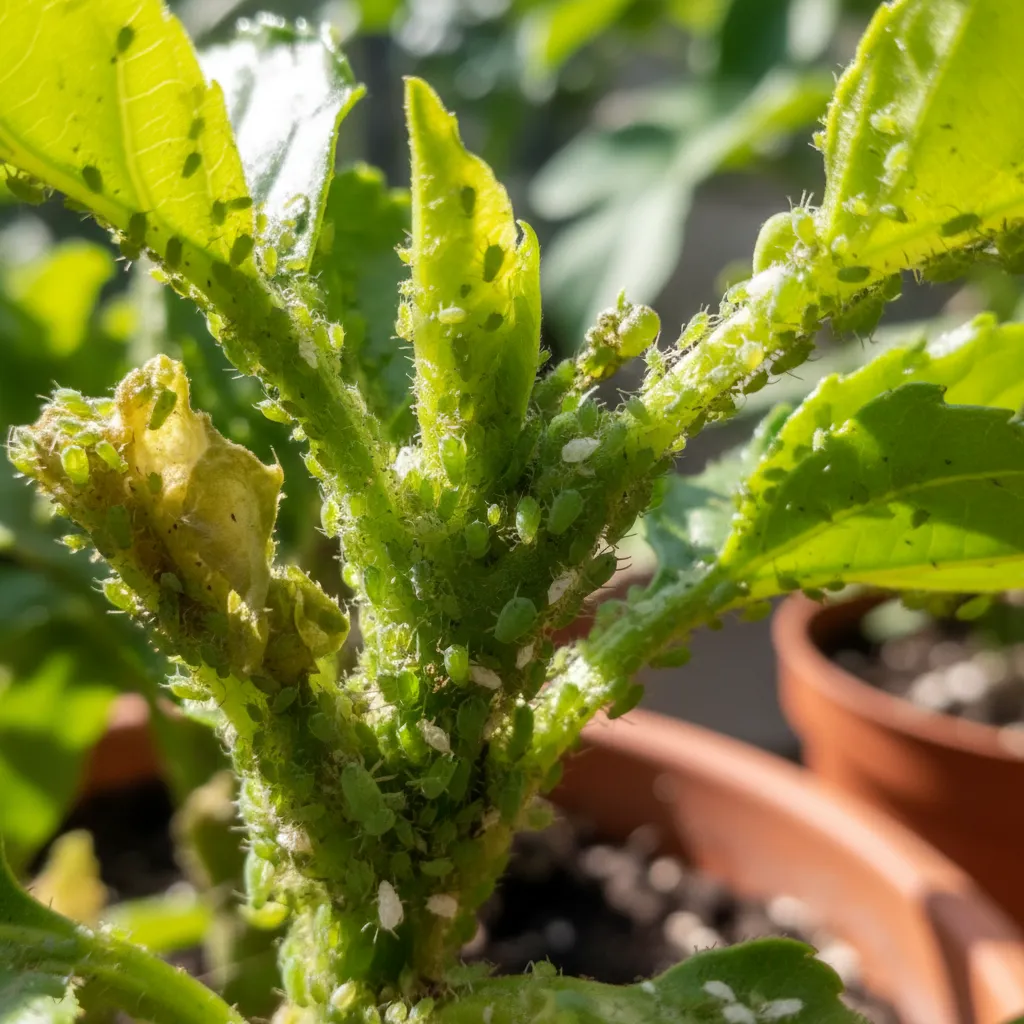
- ✓Pest and Disease Management — Generally robust, but monitor for common pests like aphids or spider mites, and fungal diseases in overly humid conditions. Employ organic pest control methods and ensure good air circulation.
- ✓Harvesting — Leaves and young branches are typically harvested when the plant is actively growing, often before flowering, to maximize the content of indigo precursors. Multiple harvests can be achieved in a single season.
- ✓Post-harvest Processing — Freshly harvested material undergoes a crucial fermentation process to extract the blue pigment. This traditional method involves soaking the plant material in water, allowing for the hydrolysis of indican and subsequent oxidation to indigo.
Reviewed by the Flora Medical Global Botanical Review Panel
Multi-disciplinary editorial group · Botany · Ethnobotany · Herbal-medicine literature
Who reviewed this: This page was checked by the Flora Medical Global Botanical Review Panel — an in-house editorial group of botany graduates, ethnobotany researchers, and horticulture practitioners who collectively maintain our 7,000+ plant encyclopedia. Meet the team.
Our 4-step verification process
1. Taxonomic verification
Scientific names and synonyms cross-checked against Kew POWO, World Flora Online, and The Plant List.
2. Phytochemical & medicinal cross-reference
Active compounds, traditional uses, and reported activities are cross-referenced with PubMed, USDA Dr. Duke's database, and peer-reviewed ethnobotanical literature.
3. Conservation & distribution check
Distribution, ecology, and conservation status confirmed against GBIF occurrence records and the IUCN Red List.
4. Editorial & safety review
Every entry passes an editorial pass for clarity, originality, and safety notices (toxicity, contraindications, dosage caveats) before publication.
Last reviewed:
Important medical disclaimer: This content is for educational and research purposes only. It is not medical advice and is not a substitute for consultation with a licensed healthcare provider. Do not use any herb to self-treat a medical condition without professional guidance.
Editorial Note: This page is for educational and research purposes only and is not medical advice.
Written by: Flora Medical Global Editorial Team
Reviewed by: Flora Medical Global Botanical Review Panel
Last Updated: June 15, 2026




Indigo Naturalis — Comments & Community Reviews
Rate this plant