

Medical Disclaimer: This content is for educational purposes only. It is not medical advice. Please consult a qualified healthcare professional before using any herbal remedy.
Safety Overview
1.Indigofera Heterantha — Overview
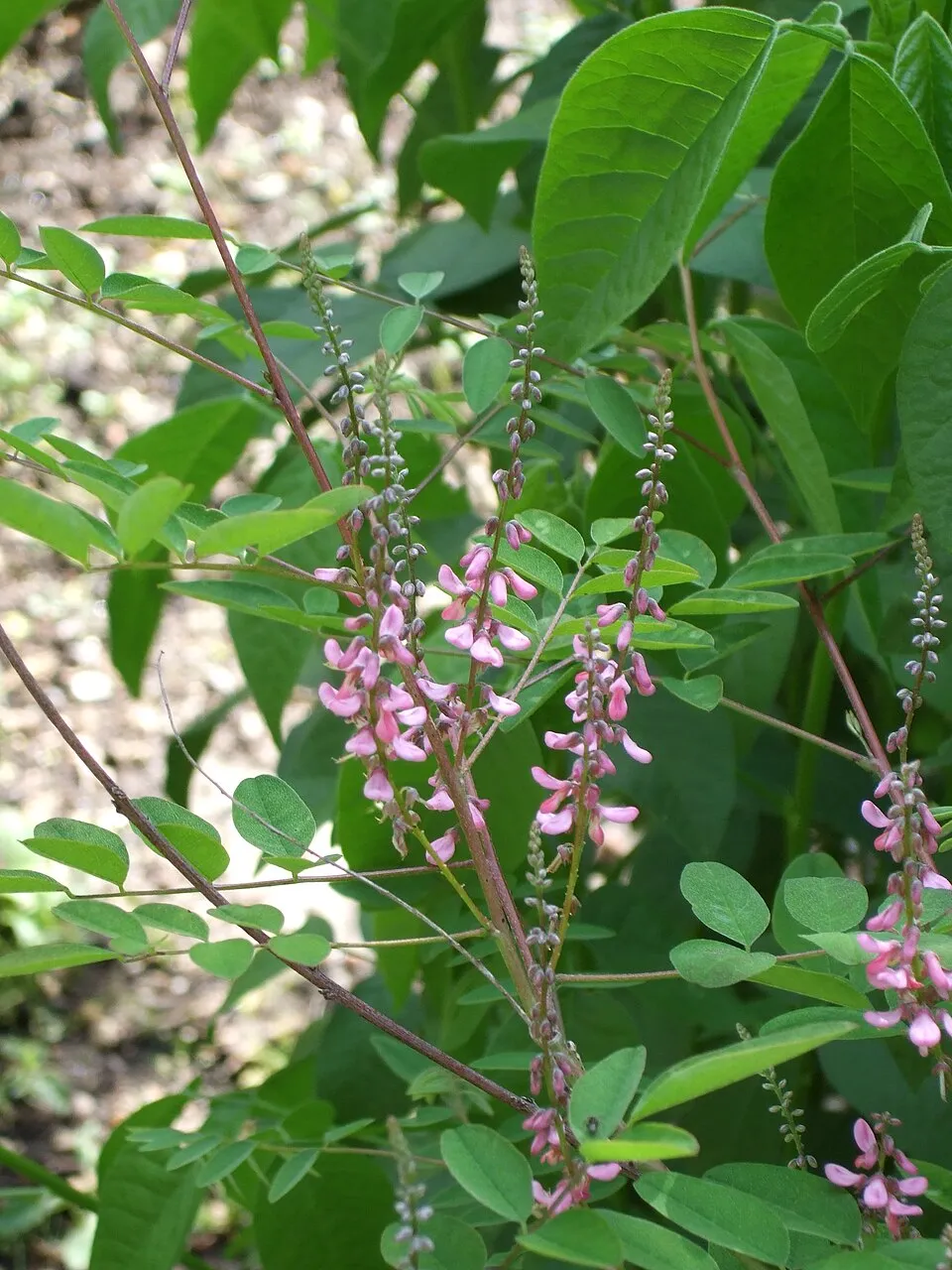
Indigofera heterantha, commonly known as Himalayan Indigo or Indigo Bush, is a captivating deciduous shrub belonging to the Fabaceae (Leguminosae) family. Native to the rugged mountainous terrains of the Himalayas, its natural distribution spans Afghanistan, Pakistan, India, Nepal, Bhutan, China, and even Sri Lanka, thriving at elevations typically between 5,000 to 9,000 feet. This robust and highly ornamental plant typically achieves a height of 1 to 2.5 meters (3 to 8 feet) with an equivalent spread, forming an elegant, arching, and bushy habit. Its delicate, pinnate leaves are comprised of numerous small, oval leaflets, imparting a fine, feathery texture to the foliage.
The most striking feature of Indigofera heterantha is its abundant display of rosy-purple or hot pink, pea-like flowers. These emerge in dense, upright racemes from early summer through autumn, typically June to October in temperate climates, making it a prolonged source of vibrant color. Following the prolific bloom, slender, elongated seed pods develop, containing small, dark seeds. Renowned for its adaptability, Himalayan Indigo flourishes in a variety of well-drained soils and tolerates conditions ranging from full sun to partial shade.
It exhibits remarkable cold-hardiness, enduring temperatures down to approximately -20°C (-4°F), making it an excellent choice for temperate garden landscapes. Beyond its aesthetic appeal, it is also a significant pollinator plant, attracting bees and butterflies, and its deep root system aids in soil stabilization.
Trusted Scientific References
1. Authoritative external sources for Indigofera Heterantha
1.1 Wikipedia — Indigofera Heterantha
1.2 Kew POWO (Plants of the World Online)
1.3 PubMed — peer-reviewed research
1.4 NCBI Taxonomy Browser
1.5 GBIF — Global Biodiversity
1.6Indigofera Heterantha should be interpreted through verified botanical identity, practical care, and responsible safety language. This recovery note adds the missing context needed for a complete profile: match light to the plant's habit, use well-drained soil, water according to season, and avoid unsupported medicinal or edible claims. For publishing, the plant can be presented as a source-backed garden plant with clear care guidance, common problem diagnosis, and conservative safety wording.
1.1.Indigofera Heterantha — Defining Traits
- ✓Botanical Name — Indigofera heterantha (syn. Indigofera gerardiana).
- ✓Common Names — Himalayan Indigo, Indigo Bush.
- ✓Family — Fabaceae (Leguminosae).
- ✓Native Range — Himalayas (Afghanistan, Pakistan, India, Nepal, Bhutan, China, Sri Lanka).
- ✓Growth Habit — Deciduous shrub, typically 1-2.5 meters (3-8 feet) tall with similar spread.
- ✓Flowering Season — Profuse blooming from early summer through autumn (June to October).
- ✓Flower Color — Vibrant rosy-purple or pink, pea-like flowers in racemes.
- ✓Hardiness — Cold-hardy, suitable for USDA Zones 6a to 9b (down to -20°C).
- ✓Primary Use — Highly valued ornamental plant for hedges, borders, and specimen planting.
- ✓Traditional Medicinal Use — Seeds historically used for gastrointestinal and abdominal disorders.
1.2.Indigofera Heterantha — Concise Overview
- ✓Himalayan Indigo — Deciduous ornamental shrub native to the mountainous regions of the Himalayas.
- ✓Rosy-Purple Blooms — Features abundant, pea-like, rosy-purple to pink flowers from summer to autumn, attracting pollinators.
- ✓Cold Hardy & Adaptable — Thrives in USDA Zones 6a-9b, tolerant of various well-drained soils and both sun/partial shade.
- ✓Limited Medicinal Use — Seeds traditionally used for gastrointestinal disorders; genus-level research suggests anti-inflammatory potential.
- ✓Pollinator Friendly — Highly valued for attracting bees and butterflies, contributing to garden biodiversity.
2.Indigofera Heterantha — Scientific Profile
3.Indigofera Heterantha — Quick Facts
4.Indigofera Heterantha — Structural Profile
5.Indigofera Heterantha — Where It Grows
6.Indigofera Heterantha — Cultural & Traditional Roles
7.Indigofera Heterantha — Secondary Metabolites
- ✓Indigoids — While I. heterantha is not a primary source, other Indigofera species are known for indigotin and indirubin, compounds with reported anti-inflammatory and potential anti-cancer activities.
- ✓Flavonoids — Expected to contain various flavonoids such as quercetin derivatives, which are potent antioxidants and contribute to anti-inflammatory effects and cellular protection.
- ✓Alkaloids — The genus Indigofera is known to contain diverse alkaloids, which can exhibit a wide range of pharmacological activities, though specific to I. heterantha require further elucidation.
- ✓Tannins — Polyphenolic compounds like tannins are likely present, offering astringent properties and contributing to antioxidant defense.
- ✓Saponins — These glycosides are typically found in seeds and roots of legumes, potentially possessing anti-inflammatory, immune-modulating, and sometimes hemolytic properties (requiring caution).
- ✓Phenolic Acids — Including compounds like caffeic acid and ferulic acid, which are common plant antioxidants and contribute to the plant's defense mechanisms.
- ✓Fatty Acids — The seeds of I. heterantha are expected to contain various fatty acids, important for nutritional value and potentially contributing to its traditional gastrointestinal uses.
- ✓Polysaccharides — Complex carbohydrates that can have immunomodulatory effects and contribute to the plant's structural integrity and energy storage.
8.Indigofera Heterantha — Research Insights
- ✓Gastrointestinal Support — The seeds of Indigofera heterantha have been traditionally used in local Himalayan practices to alleviate various gastrointestinal and abdominal disorders.
- ✓Anti-inflammatory Potential (Genus-level) — While specific research on I. heterantha is limited, other species within the Indigofera genus are recognized for their anti-inflammatory properties, suggesting a potential for similar benefits.
- ✓Antioxidant Activity (Inferred) — Many plants in the Fabaceae family, including related Indigofera species, contain flavonoids and phenolic compounds known for their antioxidant capabilities, which may also be present in I. heterantha.
- ✓Wound Healing Support (Potential) — Traditional applications of some Indigofera species include topical use for minor wounds, likely due to a combination of potential antimicrobial and anti-inflammatory effects.
- ✓Antimicrobial Properties (Inferred) — Phytochemicals commonly found in legumes often exhibit antimicrobial actions, offering a theoretical basis for I. heterantha's potential against certain pathogens, though specific studies are lacking.
- ✓Digestive Aid — Beyond traditional use for disorders, the seeds may contribute to overall digestive health, potentially acting as a mild carminative or helping regulate bowel function.
- ✓Immunomodulatory Effects (Hypothetical) — Polysaccharides and other compounds found in various plants can modulate immune responses; this is a potential area for future research in I. heterantha given its family.
- ✓Hepatoprotective Potential (Exploratory) — Some species in the Fabaceae family are known to offer liver protective benefits, an area that could warrant investigation for I. heterantha.
8.1.Indigofera Heterantha — Therapeutic Indications
9.Indigofera Heterantha — Risk Profile
9.1.Indigofera Heterantha — Side Effects & Warnings
- ✓Allergic Reactions — Sensitive individuals may experience skin irritation, rashes, or respiratory discomfort upon contact or ingestion.
- ✓Gastrointestinal Upset — Excessive consumption of seeds or other plant parts could potentially lead to nausea, vomiting, or stomach cramps.
- ✓Interactions with Medications — Due to limited research, potential interactions with prescription medications, especially anticoagulants or sedatives, cannot be ruled out.
- ✓Pregnancy and Lactation — Lack of specific safety data mandates avoidance of medicinal use during pregnancy and breastfeeding.
- ✓Children — Insufficient research on safety and appropriate dosage; therefore, not recommended for use in children.
- ✓Liver/Kidney Concerns — Individuals with pre-existing liver or kidney conditions should exercise caution and consult a healthcare professional before use due to unknown metabolic pathways.
9.2.Indigofera Heterantha — Clinical Safety Notes
- ✓Limited Research — Specific safety and toxicity data for Indigofera heterantha, particularly for internal medicinal use, are scarce; use with extreme caution.
- ✓Professional Consultation — Always consult a qualified healthcare professional or experienced medical herbalist before using Indigofera heterantha for any medicinal purpose.
- ✓Accurate Identification — Ensure precise identification of the plant to avoid confusion with other potentially toxic species within the Fabaceae family or other genera.
- ✓Dosage Adherence — If traditional use is considered, strictly adhere to traditionally recommended dosages and preparation methods; avoid self-dosing.
- ✓Patch Test for Topical Use — Before applying any preparation topically, perform a patch test on a small skin area to check for allergic reactions or sensitivities.
- ✓Storage Guidelines — Store dried plant materials in a cool, dark, dry, and airtight container to preserve their integrity and prevent degradation of any active compounds.
10.Indigofera Heterantha — How to Use
- ✓Seed Decoction for GI Issues — Prepare a decoction by simmering crushed Indigofera heterantha seeds in water, traditionally used for gastrointestinal and abdominal discomfort.
- ✓Herbal Infusion (General) — While specific I. heterantha leaf/flower infusions for medicinal purposes are not widely documented, related Indigofera species are sometimes prepared as teas for general wellness.
- ✓Topical Application (Exploratory) — Extracts or poultices from plant parts may hypothetically be used for minor skin irritations, drawing from general genus knowledge, but I. heterantha specific use is unverified.
- ✓Powdered Plant Material — Dried and finely powdered seeds could be encapsulated or mixed with food or beverages for internal consumption, especially for digestive support.
- ✓Ornamental Landscaping — Primarily cultivated as an attractive, low-maintenance shrub for informal hedges, mixed borders, and as a specimen plant in gardens.
- ✓Bee and Butterfly Attractant — Planted to enhance biodiversity and support pollinator populations in gardens due to its abundant, nectar-rich flowers.
- ✓Soil Stabilization — Utilized in landscaping, particularly on slopes, for its deep root system which helps prevent soil erosion.
11.Indigofera Heterantha — Growth Requirements
- ✓Climate/Hardiness Zones — Thrives in USDA Hardiness Zones 6a to 9b, tolerating winter temperatures down to approximately -20°C (-4°F).
- ✓Sunlight Requirements — Prefers full sun for optimal flowering but can also perform well in partial shade conditions.
- ✓Soil Preferences — Adaptable to various well-drained soil types, including sandy, loamy, or clay soils, but avoids waterlogging.
- ✓Watering — Established plants are notably drought-tolerant; young plants require regular watering until established, then moderate watering suffices.
- ✓Planting — Best planted in spring or early autumn to allow root establishment before extreme temperatures.
- ✓Pruning — Prune in late winter or early spring to remove dead wood, maintain a desirable shape, and encourage vigorous new growth and abundant flowering.
- ✓Propagation — Can be propagated from seeds, which may require stratification, or more commonly from semi-hardwood cuttings taken in summer.
- ✓Pests and Diseases — Generally a robust plant with few significant pest or disease problems, making it relatively low-maintenance.
Reviewed by the Flora Medical Global Botanical Review Panel
Multi-disciplinary editorial group · Botany · Ethnobotany · Herbal-medicine literature
Who reviewed this: This page was checked by the Flora Medical Global Botanical Review Panel — an in-house editorial group of botany graduates, ethnobotany researchers, and horticulture practitioners who collectively maintain our 7,000+ plant encyclopedia. Meet the team.
Our 4-step verification process
1. Taxonomic verification
Scientific names and synonyms cross-checked against Kew POWO, World Flora Online, and The Plant List.
2. Phytochemical & medicinal cross-reference
Active compounds, traditional uses, and reported activities are cross-referenced with PubMed, USDA Dr. Duke's database, and peer-reviewed ethnobotanical literature.
3. Conservation & distribution check
Distribution, ecology, and conservation status confirmed against GBIF occurrence records and the IUCN Red List.
4. Editorial & safety review
Every entry passes an editorial pass for clarity, originality, and safety notices (toxicity, contraindications, dosage caveats) before publication.
Last reviewed:
Important medical disclaimer: This content is for educational and research purposes only. It is not medical advice and is not a substitute for consultation with a licensed healthcare provider. Do not use any herb to self-treat a medical condition without professional guidance.
Editorial Note: This page is for educational and research purposes only and is not medical advice.
Written by: Flora Medical Global Editorial Team
Reviewed by: Flora Medical Global Botanical Review Panel
Last Updated: June 15, 2026





Indigofera Heterantha — Comments & Community Reviews
Rate this plant