

Medical Disclaimer: This content is for educational purposes only. It is not medical advice. Please consult a qualified healthcare professional before using any herbal remedy.
Safety Overview
1.Ipomoea Tricolor — Introduction & Highlights
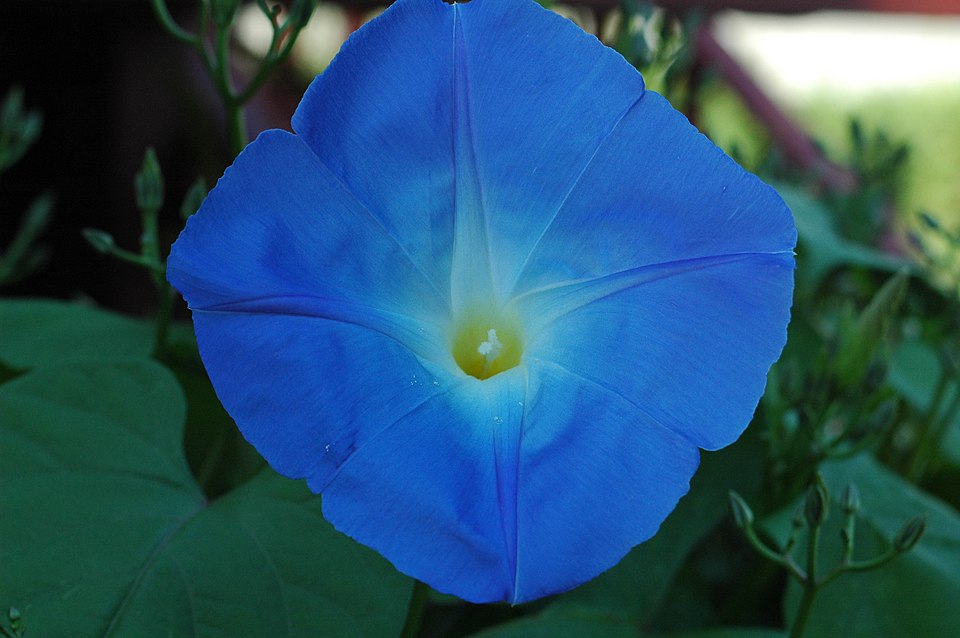
Ipomoea tricolor, commonly known as Morning Glory, is a captivating annual vine belonging to the Convolvulaceae family, renowned for its rapid growth and striking floral displays. This herbaceous climber typically reaches lengths of 6 to 12 feet, or even more in ideal conditions, twining vigorously around any available support structure.
Its foliage consists of lush, heart-shaped leaves, providing a verdant backdrop to the vibrant, trumpet-shaped flowers. These iconic blooms unfurl with the morning light, revealing a spectrum of colors including brilliant blues ('Heavenly Blue' cultivar), purples, and whites, often with contrasting throats, and gracefully close by afternoon.
Native to the tropical and subtropical regions of Mesoamerica, particularly Mexico and Central America, Ipomoea tricolor thrives in warm climates. While it is cultivated as an annual in temperate zones, succumbing to frost, it can become a perennial in warmer, more tropical environments (USDA Zones 9-11+), sometimes aggressively self-seeding. Its naturalized distribution now extends to various parts of the world where conditions are favorable.
Taxonomically, it is crucial to distinguish Ipomoea tricolor from its aggressive cousin, field bindweed (Convolvulus arvensis), which, despite a similar appearance, belongs to a different genus and exhibits a far more invasive root system. The plant's aesthetic appeal makes it a popular choice for covering fences, trellises, pergolas, and arbors, adding a splash of old-fashioned charm to gardens worldwide.
Trusted Scientific References
1. Authoritative external sources for Ipomoea tricolor
1.1 Wikipedia — Ipomoea tricolor
1.2 Kew POWO (Plants of the World Online)
1.3 PubMed — peer-reviewed research
1.4 NCBI Taxonomy Browser
1.5 GBIF — Global Biodiversity
1.6Ipomoea Tricolor should be interpreted through verified botanical identity, practical care, and responsible safety language. This recovery note adds the missing context needed for a complete profile: match light to the plant's habit, use well-drained soil, water according to season, and avoid unsupported medicinal or edible claims. For publishing, the plant can be presented as a source-backed garden plant with clear care guidance, common problem diagnosis, and conservative safety wording.
1.1.Ipomoea Tricolor — Key Features
- ✓Scientific Name — Ipomoea tricolor.
- ✓Common Name — Morning Glory.
- ✓Plant Family — Convolvulaceae.
- ✓Flower Color — Blue, purple, white, and bi-colored varieties.
- ✓Bloom Time — Typically from June to October, with flowers opening in the morning and closing in the afternoon.
- ✓Growth Habit — Vigorous annual climbing vine.
- ✓Key Compounds — Lysergic Acid Amides (LSAs) such as ergine, isoergine, elymoclavine, and chanoclavine.
- ✓Traditional Use — Sacred entheogen in Mesoamerican indigenous spiritual and divinatory rituals.
- ✓Toxicity Level — Seeds are considered highly toxic if ingested.
- ✓Cultivation Requirements — Prefers full sun, well-drained soil, and requires a vertical support structure for climbing.
1.2.Ipomoea Tricolor — At-a-Glance Summary
- ✓Ornamental Vine — Cherished for its vibrant, trumpet-shaped flowers in shades of blue, purple, and white.
- ✓Psychoactive Seeds — Contains Lysergic Acid Amides (LSAs), including ergine, isoergine, and elymoclavine.
- ✓Traditional Ritual Use — Historically utilized by indigenous Mesoamerican cultures for spiritual and divinatory ceremonies.
- ✓High Toxicity Warning — The seeds are poisonous and should not be ingested; not recommended for self-medication or recreational use.
- ✓Easy to Grow Climber — A fast-growing annual vine that requires full sun, well-drained soil, and a support structure.
- ✓Contraindicated in Pregnancy — Ergoline alkaloids can induce uterine contractions, posing a significant risk.
2.Ipomoea Tricolor — Systematic Position
3.Ipomoea Tricolor — Reference Facts
4.Ipomoea Tricolor — Structural Profile
5.Ipomoea Tricolor — Habitat & Distribution
6.Ipomoea Tricolor — Cultural & Traditional Roles
7.Ipomoea Tricolor — Bioactive Constituents
- ✓Lysergic Acid Amides (LSAs) — These are the primary psychoactive compounds found predominantly in the seeds of Ipomoea tricolor, responsible for its entheogenic effects; key examples include ergine (LSA), isoergine, elymoclavine, and chanoclavine.
- ✓Ergine (LSA) — A potent indole alkaloid, it acts as a partial agonist at serotonin receptors in the brain, inducing hallucinogenic and mind-altering experiences akin to other psychedelics.
- ✓Isoergine — An isomer of ergine, also an indole alkaloid, contributing to the overall psychoactive profile of the seeds.
- ✓Elymoclavine — Another significant lysergic acid amide present, which contributes to the complex effects profile of the plant's seeds.
- ✓Chanoclavine — This indole alkaloid serves as a precursor in the biosynthetic pathway of other LSAs, adding to the spectrum of active compounds.
- ✓Alkaloids — Beyond LSAs, other minor alkaloids may be present, contributing to the plant's diverse biochemical makeup, though their specific activities are less understood.
- ✓Glycosides — Various glycosides, particularly resin glycosides, are found in the seeds and other parts of the plant, often associated with purgative or laxative effects.
- ✓Resins — Present in the seeds, these complex mixtures contribute to the physical side effects like nausea and gastrointestinal distress, as well as the historical purgative actions.
- ✓Flavonoids — Found in the leaves and flowers, these compounds are known for their antioxidant and anti-inflammatory properties, common in many plant species.
- ✓Phenolic Acids — Such as chlorogenic acid, these are also present and contribute to the plant's general antioxidant capacity.
8.Ipomoea Tricolor — Modern Studies
- ✓Psychoactive and Entheogenic Effects — Historically, the seeds of Ipomoea tricolor were revered by indigenous cultures in Mesoamerica, such as the Aztecs and Mayans, for their potent psychoactive properties, facilitating spiritual and divinatory rituals through altered states of consciousness.
- ✓Traditional Spiritual Guidance — Within ceremonial contexts, the plant was believed to connect individuals with the divine, offering insights, visions, and guidance, acting as a sacred tool rather than a recreational substance.
- ✓Sedative Properties (Historical Context) — Some traditional accounts suggest a calming or sedative effect in specific preparations, though this is secondary to its primary psychoactive action and not a recommended modern application.
- ✓Purgative Action (General Ipomoea) — Seeds of various Ipomoea species, including Ipomoea tricolor due to its resin content, have been traditionally associated with purgative or laxative effects, used to cleanse the digestive system, although this carries significant risk with I. tricolor.
- ✓Anthelmintic Potential (General Ipomoea) — In some traditional systems, certain Ipomoea species have been used to expel intestinal parasites, a property potentially linked to compounds found across the genus, but not specifically studied or recommended for I. tricolor seeds.
- ✓Antioxidant Support (Phytochemical Potential) — Like many plants, Ipomoea tricolor contains flavonoids and phenolic compounds, which possess antioxidant properties that can help combat oxidative stress, though this is a general plant benefit, not a primary medicinal use for this specific plant.
- ✓Anti-inflammatory Properties (Phytochemical Potential) — The presence of various phytochemicals in the plant may contribute to anti-inflammatory effects, a common attribute of many botanical species, but not a reason to consume the seeds.
- ✓Mood Enhancement (Contextual) — Within traditional ceremonial settings, the psychoactive compounds could induce states of euphoria or altered mood, perceived as spiritual upliftment, which is distinct from therapeutic antidepressant use.
8.1.Ipomoea Tricolor — Indications & Uses
9.Ipomoea Tricolor — Risk Profile
9.1.Ipomoea Tricolor — Reported Side Effects
- ✓Potent Psychoactive Reactions — Ingestion of Ipomoea tricolor seeds can lead to intense hallucinations, altered perceptions, disorientation, profound anxiety, paranoia, and even panic attacks or psychosis, especially in susceptible individuals.
- ✓Severe Nausea and Vomiting — A very common and often debilitating physical side effect immediately following seed ingestion, attributed to the raw seed material and certain compounds.
- ✓Gastrointestinal Distress — Can include abdominal cramps, severe stomach upset, diarrhea, and general discomfort.
- ✓Cardiovascular Effects — Potential for increased heart rate (tachycardia), blood pressure fluctuations, and other cardiac irregularities.
- ✓Uterine Contractions — The ergoline alkaloids present can induce uterine contractions, posing a significant risk of miscarriage or premature labor if consumed during pregnancy.
- ✓Psychological Distress — Prolonged or severe psychological disturbance, including derealization, depersonalization, and exacerbation of underlying mental health conditions, can occur.
- ✓Toxicity to Pets — The seeds are highly toxic if ingested by animals, potentially leading to severe illness or death.
9.2.Ipomoea Tricolor — Safety Overview
- ✓Strictly Not for Self-Medication or Recreational Use — Due to the potent psychoactive compounds and documented toxicity, Ipomoea tricolor seeds are not recommended for any form of self-treatment or recreational consumption.
- ✓Contraindicated in Pregnancy and Lactation — The presence of ergoline alkaloids poses a severe risk of uterine contractions and abortifacient effects, making it absolutely unsafe for pregnant or breastfeeding individuals.
- ✓Avoid with Mental Health Conditions — Individuals with a history of psychosis, schizophrenia, bipolar disorder, severe anxiety, or other mental health issues should strictly avoid this plant, as it can exacerbate symptoms.
- ✓Potential Drug Interactions — May interact dangerously with central nervous system depressants, stimulants, psychiatric medications, or other substances affecting serotonin pathways.
- ✓Keep Away from Children and Pets — The seeds are poisonous; ensure the plant, especially its seeds, is inaccessible to children and all domestic animals.
- ✓Legal Status Varies — The cultivation, possession, and use of Ipomoea tricolor seeds are regulated and restricted in many jurisdictions due to their psychoactive content; check local laws.
- ✓Seek Professional Guidance — Any historical or traditional use was within highly controlled ceremonial contexts; modern use should only be under strict, expert medical or ethnobotanical supervision, which is generally not advised for the public.
10.Ipomoea Tricolor — How to Use
- ✓Traditional Ritual Preparation — Historically, the seeds of Ipomoea tricolor were meticulously prepared by indigenous Mesoamerican cultures, often by grinding them and mixing with water or other ceremonial substances, consumed under strict ritualistic guidance for spiritual purposes.
- ✓Seed Ingestion (Historical Context) — In specific ancient ceremonies, whole or crushed seeds were ingested to induce psychoactive states for divination, healing, or communion with deities, always within a sacred and controlled environment.
- ✓Cultivation for Ornamental Value — The primary and recommended modern usage of Ipomoea tricolor is purely for its aesthetic appeal in gardens, where its vibrant flowers and climbing habit enhance landscapes, providing beauty without consumption.
- ✓Seed Collection for Propagation — Gardeners may collect mature seeds in the fall from spent flowers to save for planting in subsequent seasons, ensuring the continuation of the ornamental display.
- ✓Infusion of Foliage (Non-Psychoactive) — While not a primary use for I. tricolor, some related Ipomoea species have had leaves or flowers steeped to create infusions for general wellness, but this approach is not applicable to the psychoactive seeds of I. tricolor.
- ✓Topical Applications (Related Species) — Certain Ipomoea species have been traditionally used in poultices or washes for skin conditions; however, this specific application is not documented or recommended for Ipomoea tricolor seeds.
- ✓Research Extraction — In controlled scientific research settings, specific compounds from the seeds may be extracted using tinctures or other methods for phytochemical analysis and study, not for public consumption.
11.Ipomoea Tricolor — Propagation & Care
- ✓Seed Scarification — To significantly improve germination rates, gently nick the hard seed coat with a small file or a piece of sandpaper, or alternatively, soak the seeds in warm water for 12 to 24 hours prior to planting.
- ✓Planting Time — Sow Ipomoea tricolor seeds directly outdoors after all danger of frost has passed and the soil temperature has consistently reached at least 64°F (18°C), or start them indoors 4 to 6 weeks before the last expected frost date for earlier blooms.
- ✓Soil Requirements — This vine prefers moderately fertile, well-drained soil with a slightly acidic to neutral pH ranging from 6.0 to 7.0; avoid overly rich soil, as it tends to promote excessive leafy growth at the expense of flowering.
- ✓Light Exposure — For optimal growth and an abundance of vibrant flowers, Ipomoea tricolor requires a location with full sun, meaning at least 6 to 8 hours of direct sunlight daily, though it can tolerate very light partial shade.
- ✓Watering — Maintain consistently moist soil, especially during the active growing season and dry spells; however, ensure good drainage to prevent waterlogging, as mature plants exhibit some drought tolerance.
- ✓Support Structure — As a vigorous climbing vine, provide a sturdy trellis, fence, arbor, or other vertical structure for the plant to twine around and climb, which is essential for its healthy development.
- ✓Fertilization — Fertilize sparingly, if at all, using a balanced, slow-release granular fertilizer or a diluted liquid feed monthly during the growing season; excessive nitrogen can lead to lush foliage but fewer flowers.
- ✓Pest and Disease Management — Ipomoea tricolor is generally robust, but monitor for common garden pests such as spider mites, aphids, and leaf miners, and be aware of potential fungal issues like white blister, rust, leaf spot, stem rot, or wilt in humid conditions.
Reviewed by the Flora Medical Global Botanical Review Panel
Multi-disciplinary editorial group · Botany · Ethnobotany · Herbal-medicine literature
Who reviewed this: This page was checked by the Flora Medical Global Botanical Review Panel — an in-house editorial group of botany graduates, ethnobotany researchers, and horticulture practitioners who collectively maintain our 7,000+ plant encyclopedia. Meet the team.
Our 4-step verification process
1. Taxonomic verification
Scientific names and synonyms cross-checked against Kew POWO, World Flora Online, and The Plant List.
2. Phytochemical & medicinal cross-reference
Active compounds, traditional uses, and reported activities are cross-referenced with PubMed, USDA Dr. Duke's database, and peer-reviewed ethnobotanical literature.
3. Conservation & distribution check
Distribution, ecology, and conservation status confirmed against GBIF occurrence records and the IUCN Red List.
4. Editorial & safety review
Every entry passes an editorial pass for clarity, originality, and safety notices (toxicity, contraindications, dosage caveats) before publication.
Last reviewed:
Important medical disclaimer: This content is for educational and research purposes only. It is not medical advice and is not a substitute for consultation with a licensed healthcare provider. Do not use any herb to self-treat a medical condition without professional guidance.
Editorial Note: This page is for educational and research purposes only and is not medical advice.
Written by: Flora Medical Global Editorial Team
Reviewed by: Flora Medical Global Botanical Review Panel
Last Updated: June 15, 2026





Ipomoea Tricolor — Comments & Community Reviews
Rate this plant