
Medical Disclaimer: This content is for educational purposes only. It is not medical advice. Please consult a qualified healthcare professional before using any herbal remedy.
Safety Overview
1.Iresine Herbstii — At a Glance
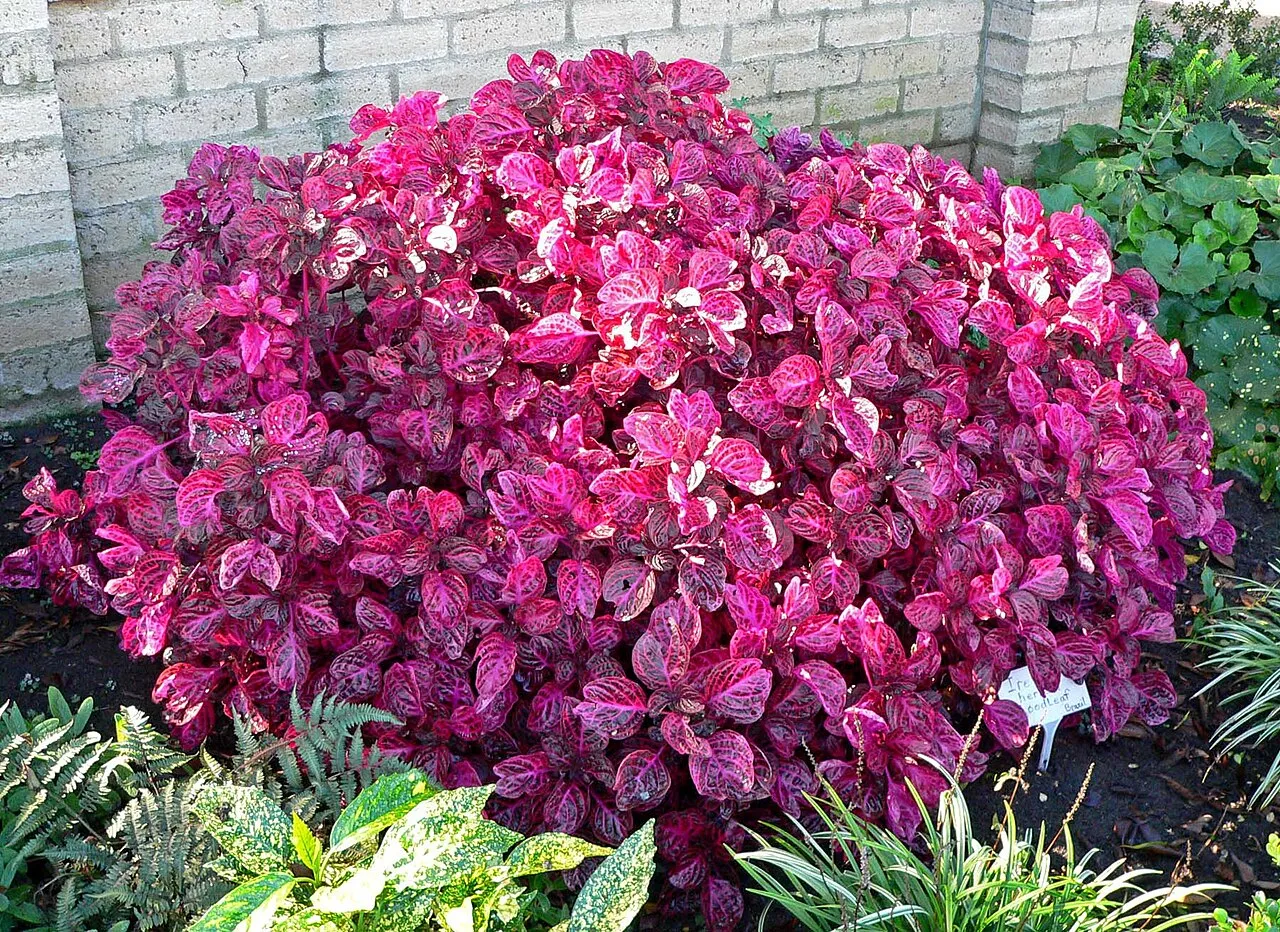
Iresine herbstii, commonly known as Bloodleaf, Chicken Gizzard Plant, or Beefsteak Plant, is a striking herbaceous perennial belonging to the Amaranthaceae family. Native to the tropical rainforests of Brazil, this species is primarily cultivated for its vibrant foliage rather than its inconspicuous greenish-white flowers.
The plant typically features ovate to cordate leaves, often reaching 4 inches in length, with a rich, deep crimson or purple coloration often accentuated by prominent, contrasting neon pink or bright red venation. Some cultivars exhibit shades of green, yellow, or lime with similar vivid veins.
In its natural habitat, Iresine herbstii can grow as a bushy shrub, reaching up to 5 feet tall with a 3-foot spread. However, when grown indoors or in cooler climates, it typically remains more compact, usually between 12 to 18 inches in height, making it a popular choice for houseplants, bedding plants, and terrariums. Its vigorous growth habit and ease of propagation contribute to its widespread ornamental appeal.
The taxonomy places it within the genus Iresine, which encompasses approximately 30 species, all predominantly from South America. The brilliant coloration is attributed to a high concentration of betacyanin pigments within its leaves, distinguishing it as a visually captivating addition to any botanical collection.
Trusted Scientific References
1. Authoritative external sources for Iresine herbstii
1.1 Wikipedia — Iresine herbstii
1.2 Kew POWO (Plants of the World Online)
1.3 PubMed — peer-reviewed research
1.4 NCBI Taxonomy Browser
1.5 GBIF — Global Biodiversity
1.6Iresine Herbstii should be interpreted through verified botanical identity, practical care, and responsible safety language. This recovery note adds the missing context needed for a complete profile: match light to the plant's habit, use well-drained soil, water according to season, and avoid unsupported medicinal or edible claims. For publishing, the plant can be presented as a source-backed indoor plant with clear care guidance, common problem diagnosis, and conservative safety wording.
1.1.Iresine Herbstii — Notable Characteristics
- ✓Striking Foliage — Deep crimson, purple, or green leaves with prominent neon pink/red venation.
- ✓Ornamental Value — Highly prized for its decorative appeal in gardens and indoor settings.
- ✓Tropical Origin — Native to the rainforests of Brazil, thriving in warm, humid conditions.
- ✓Fast Grower — Exhibits rapid growth, quickly filling out spaces in terrariums or pots.
- ✓Easy Propagation — Readily roots from stem cuttings, making it simple to multiply.
- ✓Low — Growing Shrub — Maintains a manageable size, especially indoors (12-18 inches).
- ✓Betacyanin Rich — Contains betacyanin pigments responsible for its vibrant coloration.
- ✓Adaptable Lighting — Tolerates a range from partial shade to bright, indirect light.
- ✓High Humidity Lover — Flourishes in environments with elevated atmospheric moisture.
- ✓Amaranthaceae Family — Belongs to a family known for diverse ornamental and food plants.
1.2.Iresine Herbstii — Quick Summary
- ✓Iresine herbstii, or Bloodleaf, is a vibrant ornamental plant.
- ✓Known for its striking red, pink, or purple foliage with contrasting veins.
- ✓Primarily grown as a houseplant, bedding plant, or in terrariums.
- ✓Contains betacyanins, contributing to its color and potential antioxidant activity.
- ✓Anecdotal reports suggest mild anti-inflammatory properties, but scientific research is needed.
- ✓Easy to cultivate and propagate via stem cuttings, preferring bright, indirect light and high humidity.
2.Iresine Herbstii — Scientific Identity
3.Iresine Herbstii — Key Data
4.Iresine Herbstii — Physical Description
5.Iresine Herbstii — Native Range & Habitat
6.Iresine Herbstii — Folk Medicine Applications
7.Iresine Herbstii — Chemical Profile
- ✓Betacyanins — These are the primary red-violet pigments responsible for the plant's striking leaf coloration, known for their strong antioxidant and potential anti-inflammatory activities.
- ✓Flavonoids — A diverse group of polyphenolic compounds often found in plants, contributing to antioxidant capacity and potentially offering anti-inflammatory and cardioprotective effects.
- ✓Saponins — Glycosides that can have a range of biological activities, including hemolytic, anti-inflammatory, and immune-stimulating properties, often present in various plant species.
- ✓Alkaloids — Nitrogen-containing organic compounds, some of which are pharmacologically active, though specific types and their concentrations in Iresine herbstii require further investigation.
- ✓Phenolic Acids — Simple phenolic compounds with antioxidant properties, contributing to the plant's defense mechanisms and potential health benefits.
- ✓Terpenoids — A large and diverse class of organic chemicals derived from five-carbon isoprene units, often contributing to plant aroma, flavor, and possessing various biological activities.
- ✓Amino Acids — The fundamental building blocks of proteins, essential for plant growth and metabolism, present in all living plant tissues.
- ✓Organic Acids — Compounds like malic acid or citric acid, involved in plant metabolism and sometimes contributing to taste or preservative properties.
- ✓Glycosides — Compounds in which a sugar molecule is bonded to a non-sugar component, often influencing solubility and bioavailability of active plant principles.
- ✓Minerals and Vitamins — Essential micronutrients and vitamins crucial for plant physiological processes, and potentially present in trace amounts if consumed, though not a primary source.
8.Iresine Herbstii — Pharmacological Findings
- ✓Potential Antioxidant Activity — The presence of betacyanins, vibrant pigments found in Iresine herbstii, suggests potential antioxidant properties, which help neutralize free radicals and protect cellular health.
- ✓Mild Anti-inflammatory Properties (Anecdotal) — Traditional anecdotal reports suggest Iresine herbstii may possess mild anti-inflammatory effects, potentially aiding in reducing localized swelling and irritation, though scientific validation is required.
- ✓Cellular Protection — The phytochemicals, particularly betacyanins, are hypothesized to contribute to cellular integrity and protection against oxidative stress, a factor in various chronic conditions.
- ✓Detoxification Support (Theoretical) — As with many plants rich in pigments and secondary metabolites, there's a theoretical basis for general detoxification support, assisting the body's natural cleansing processes, but this is not clinically proven for Bloodleaf.
- ✓Immunomodulatory Potential (Exploratory) — Some plant-derived betacyanins have shown immunomodulatory effects in other species; thus, Iresine herbstii might hold similar, yet unexplored, potential to influence immune responses.
- ✓Skin Soothing (Topical, Unverified) — Hypothetically, due to its anecdotal anti-inflammatory suggestion, a topical application (if found safe) might offer soothing benefits for minor skin irritations, pending rigorous research.
- ✓Vascular Health Support (Theoretical) — Pigments like betacyanins are often associated with supporting vascular health in other plant foods, suggesting a theoretical, unresearched benefit for blood vessel integrity in Iresine herbstii.
- ✓Antimicrobial Potential (Undetermined) — Many plants produce compounds with antimicrobial activity; while not specifically studied for Iresine herbstii, this remains an area for future phytochemical investigation.
8.1.Iresine Herbstii — Conditions Traditionally Used For
9.Iresine Herbstii — Cautions & Contraindications
9.1.Iresine Herbstii — Caution Notes
- ✓Skin Irritation — Direct contact with plant sap may cause mild skin irritation or allergic reactions in sensitive individuals.
- ✓Gastrointestinal Upset — Ingestion of plant parts is not recommended and may lead to mild gastrointestinal discomfort, nausea, or vomiting, especially in pets or young children.
- ✓Allergic Reactions — Individuals with sensitivities to plants in the Amaranthaceae family might experience allergic responses upon exposure.
- ✓Limited Research — Due to its primary ornamental status, comprehensive studies on potential adverse effects from ingestion or prolonged contact are limited.
- ✓Not for Internal Consumption — Iresine herbstii is not considered a food plant or a widely recognized medicinal herb for internal use, thus internal consumption carries unknown risks.
- ✓Pet Toxicity (Potential) — While not definitively listed as highly toxic, it's prudent to keep Bloodleaf out of reach of pets to prevent accidental ingestion and potential digestive issues.
9.2.Iresine Herbstii — Safety Profile
- ✓Ornamental Use Only — Iresine herbstii is primarily cultivated as an ornamental plant; its medicinal and edible safety profiles are largely unestablished.
- ✓Avoid Ingestion — Due to lack of comprehensive safety data, internal consumption of any part of the plant is strongly discouraged for humans and animals.
- ✓Skin Contact Caution — Handle with care; individuals with sensitive skin should wear gloves to prevent potential contact dermatitis or irritation from sap.
- ✓Keep Away From Children and Pets — Position plants out of reach of curious children and pets to avoid accidental ingestion, which could lead to mild adverse effects.
- ✓Limited Research Data — Extensive clinical trials or traditional medicinal safety assessments for Iresine herbstii are not available.
- ✓Consult a Professional — Before considering any non-ornamental use of Iresine herbstii, consult a qualified healthcare provider or toxicologist.
- ✓Allergic Sensitivities — People with known allergies to plants in the Amaranthaceae family should exercise caution when handling.
10.Iresine Herbstii — Preparations & Uses
- ✓Ornamental Houseplant — Grown indoors for its stunning, colorful foliage, adding a vibrant accent to living spaces and offices.
- ✓Outdoor Bedding Plant — Used in warmer climates (USDA Zones 10-12) as an annual or perennial bedding plant to create colorful displays in gardens.
- ✓Terrarium Inclusion — Its love for high humidity and striking appearance makes it an excellent choice for tropical closed terrarium environments.
- ✓Foliage Accent — Utilized in mixed container plantings to provide a strong color contrast against green-leaved plants.
- ✓Propagation for Gifting — Stem cuttings are frequently taken and rooted to create new plants for sharing with other plant enthusiasts.
- ✓Educational Display — Employed in botanical gardens or educational settings to demonstrate plant pigmentation and tropical plant diversity.
- ✓Natural Dye Extraction (Exploratory) — The betacyanin pigments could theoretically be extracted for natural dye purposes, although this is not a common or established use.
11.Iresine Herbstii — Garden Cultivation
- ✓Lighting — Prefers bright, indirect light for optimal color, but can tolerate partial shade or some direct morning sun; too little light leads to legginess.
- ✓Watering — Requires regular, even moisture; water when the topsoil feels slightly dry, ensuring excellent drainage to prevent root rot.
- ✓Soil — Thrives in a light, well-draining, fertile potting mix rich in organic matter, such as coco coir blended with perlite, orchid bark, or vermiculite.
- ✓Humidity — Benefits greatly from medium to high humidity (50-80%), making it ideal for terrariums or grouped with other plants.
- ✓Temperature — Prefers warm temperatures between 18-27°C (65-80°F); can tolerate lows of 10°C (50°F) but avoids prolonged cold.
- ✓Propagation — Easily propagated by stem cuttings (4-6 inches, remove lower leaves, root in water or moist soil) or by dividing the root ball.
- ✓Fertilization — Feed monthly during the growing season with a balanced liquid fertilizer, especially for potted plants, to support its vigorous growth.
- ✓Pruning — Regular pinching of growing tips promotes bushier growth and enhances foliage coloration, preventing the plant from becoming leggy.
Reviewed by the Flora Medical Global Botanical Review Panel
Multi-disciplinary editorial group · Botany · Ethnobotany · Herbal-medicine literature
Who reviewed this: This page was checked by the Flora Medical Global Botanical Review Panel — an in-house editorial group of botany graduates, ethnobotany researchers, and horticulture practitioners who collectively maintain our 7,000+ plant encyclopedia. Meet the team.
Our 4-step verification process
1. Taxonomic verification
Scientific names and synonyms cross-checked against Kew POWO, World Flora Online, and The Plant List.
2. Phytochemical & medicinal cross-reference
Active compounds, traditional uses, and reported activities are cross-referenced with PubMed, USDA Dr. Duke's database, and peer-reviewed ethnobotanical literature.
3. Conservation & distribution check
Distribution, ecology, and conservation status confirmed against GBIF occurrence records and the IUCN Red List.
4. Editorial & safety review
Every entry passes an editorial pass for clarity, originality, and safety notices (toxicity, contraindications, dosage caveats) before publication.
Last reviewed:
Important medical disclaimer: This content is for educational and research purposes only. It is not medical advice and is not a substitute for consultation with a licensed healthcare provider. Do not use any herb to self-treat a medical condition without professional guidance.
Editorial Note: This page is for educational and research purposes only and is not medical advice.
Written by: Flora Medical Global Editorial Team
Reviewed by: Flora Medical Global Botanical Review Panel
Last Updated: June 15, 2026





Iresine Herbstii — Comments & Community Reviews
Rate this plant