
Medical Disclaimer: This content is for educational purposes only. It is not medical advice. Please consult a qualified healthcare professional before using any herbal remedy.
Safety Overview
1.Irish Moss — Botanical Snapshot
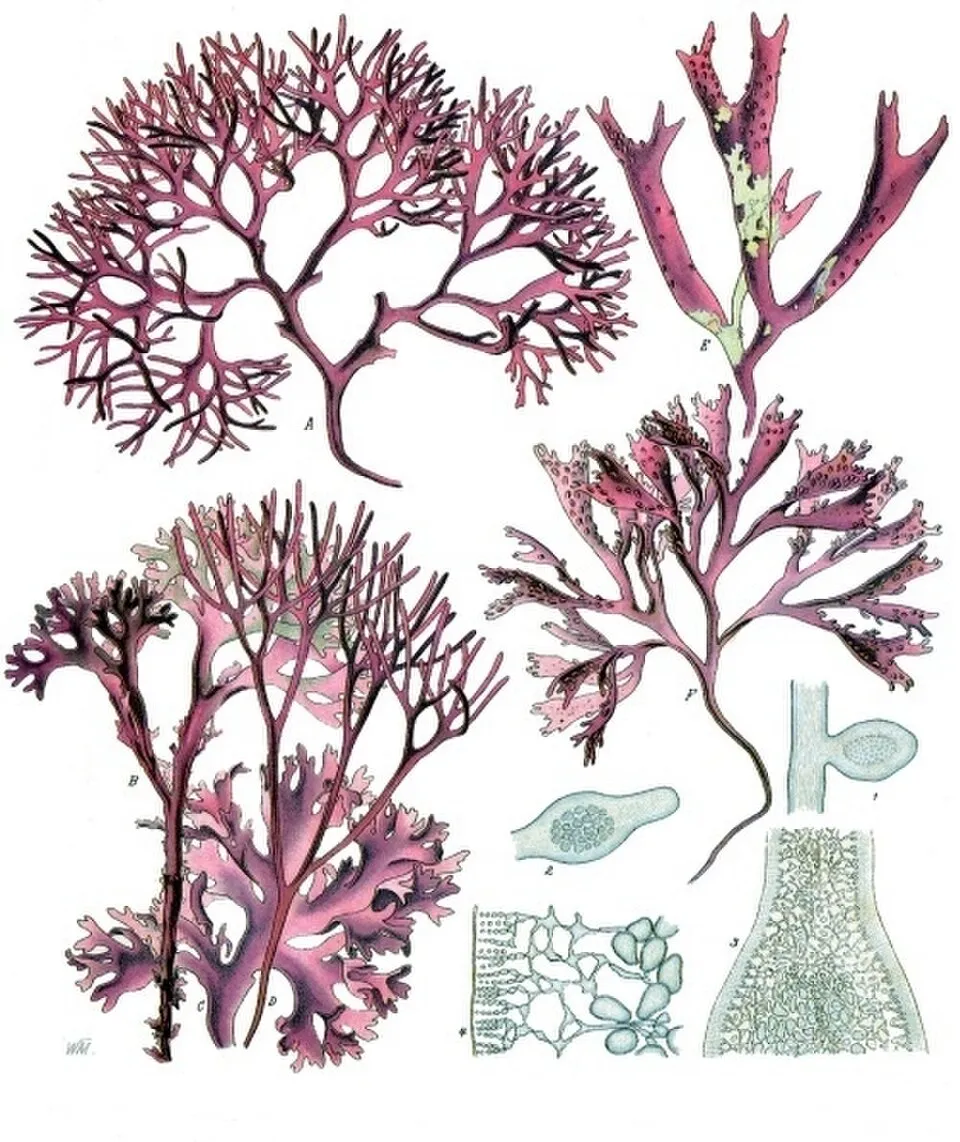
Irish Moss, scientifically known as Chondrus crispus, is a distinctive red alga belonging to the Gigartinaceae family. This marine macroalga is characterized by its cartilaginous, fan-like fronds that exhibit dichotomous branching, typically growing up to 20 centimeters in length.
Its coloration varies from a deep purplish-red to a greenish-brown, depending on its exposure to light and environmental conditions. The thallus, or body, of Irish Moss is tough and flexible, allowing it to withstand the strong currents and wave action of its native habitat.
Chondrus crispus thrives in the cold, nutrient-rich waters of the North Atlantic Ocean. It is commonly found attached to rocks and other solid substrates in the intertidal and subtidal zones, from the low tide mark down to depths of about 20 meters.
Its geographic distribution spans the coasts of Ireland, Scotland, Britain, continental Europe, and eastern North America, particularly abundant along the Canadian Maritimes and New England coastlines. This widespread presence has made it a readily accessible resource for coastal communities for centuries.
Taxonomically, Irish Moss is classified within the Phylum Rhodophyta (red algae), Class Florideophyceae, Order Gigartinales. Its robust structure and ability to form extensive beds contribute significantly to marine biodiversity, providing habitat and food for various marine organisms. Historically, Chondrus crispus has held immense cultural and economic importance.
For centuries, it has been a staple food source in coastal regions, particularly in Ireland during times of famine, where it was consumed for its nutritional value and thickening properties. Beyond its culinary applications, Irish Moss has been a cornerstone of traditional folk medicine across Atlantic communities, revered for its therapeutic properties, especially in addressing respiratory ailments, digestive issues, and providing general nutritional support. Modern scientific inquiry continues to unravel the complex biochemistry of this ancient organism, validating many of its traditional applications and revealing new potential health benefits.
Trusted Scientific References
1. Authoritative external sources for Chondrus crispus
1.1 Wikipedia — Chondrus crispus
1.2 Kew POWO (Plants of the World Online)
1.3 PubMed — peer-reviewed research
1.4 NCBI Taxonomy Browser
1.5 GBIF — Global Biodiversity
1.1.Irish Moss — Distinguishing Points
- ✓Scientific Name — Chondrus crispus.
- ✓Common Name — Irish Moss.
- ✓Family — Gigartinaceae.
- ✓Type — Red Marine Alga (Rhodophyta).
- ✓Habitat — Cold, temperate North Atlantic intertidal and subtidal zones.
- ✓Appearance — Cartilaginous, dichotomously branched fronds, purplish-red to greenish-brown.
- ✓Key Compound — Carrageenan (sulfated polysaccharides).
- ✓Nutritional Value — Rich in vitamins (A, B, C, D, E, K), minerals (iodine, iron, calcium, magnesium).
- ✓Traditional Uses — Respiratory relief, digestive aid, immune booster, food thickener.
- ✓Pharmacological Actions — Anti-inflammatory, antioxidant, immunomodulatory, antiviral, antimicrobial.
- ✓Culinary Use — Natural gelling agent for foods and beverages.
- ✓Cosmetic Use — Hydrating and soothing ingredient in skincare.
- ✓Sustainable Harvesting — Important for ecological balance.
- ✓Eco — Friendly — A natural, renewable marine resource.
- ✓Iodine Source — Crucial for thyroid health and metabolic regulation.
1.2.Irish Moss — Concise Overview
- ✓North Atlantic red alga, Chondrus crispus, known as Irish Moss.
- ✓Rich in carrageenans, vitamins, minerals, and antioxidants.
- ✓Traditionally used for respiratory, digestive, and immune support.
- ✓Possesses anti-inflammatory, antioxidant, and antiviral properties.
- ✓Excellent natural thickening agent for culinary and cosmetic uses.
- ✓Important source of iodine for thyroid health.
- ✓Requires careful sourcing to avoid heavy metal contamination.
- ✓Generally safe, but moderation and medical consultation for specific conditions are advised.
2.Irish Moss — Botanical Identity
3.Irish Moss — Vital Statistics
4.Irish Moss — Botanical Features
5.Irish Moss — Origin & Spread
6.Irish Moss — Heritage Uses
7.Irish Moss — Phytochemistry
- ✓Sulfated Polysaccharides — Predominantly carrageenans (kappa, iota, and lambda forms) which are linear sulfated galactans. These are responsible for its gelling properties and exhibit significant anti-inflammatory, immunomodulatory, antiviral, and digestive health benefits.
- ✓Dietary Fiber — A high proportion of soluble and insoluble fibers, including carrageenan, contributes to digestive regularity, satiety, and the modulation of gut microbiota. It acts as a prebiotic, supporting a healthy gut microbiome.
- ✓Proteins and Amino Acids — Contains a notable amount of protein, including essential amino acids. These are vital for tissue repair, enzyme production, and overall cellular function, making it a valuable protein source, especially for vegetarian and vegan diets.
- ✓Vitamins — Rich in various vitamins, including Vitamin A (beta-carotene), B-vitamins (B1, B2, B9, B12), Vitamin C, Vitamin E, Vitamin D, and Vitamin K. These are crucial cofactors for numerous metabolic processes and possess antioxidant properties.
- ✓Minerals — An excellent source of essential minerals such as iodine (critical for thyroid function), iron (for oxygen transport), calcium (for bone health), magnesium (for muscle and nerve function), zinc, potassium, phosphorus, and copper. These minerals are vital for maintaining physiological balance.
- ✓Polyphenols and Flavonoids — A diverse group of phenolic compounds, including phlorotannins and other flavonoids, which are potent antioxidants. They scavenge free radicals, reduce oxidative stress, and contribute to anti-inflammatory and cytoprotective effects.
- ✓Carotenoids — Includes pigments like beta-carotene and fucoxanthin, which are powerful antioxidants and precursors to Vitamin A. They protect cells from oxidative damage and support vision health.
- ✓Fatty Acids — Contains a spectrum of fatty acids, including polyunsaturated fatty acids (PUFAs), although in smaller quantities compared to some other seaweeds. These contribute to cellular membrane integrity and various physiological functions.
- ✓Sterols — Presence of phytosterols, which have been studied for their potential role in cholesterol management and anti-inflammatory effects.
- ✓Phycobiliproteins — Pigments like phycocyanin and phycoerythrin, unique to red algae, act as accessory photosynthetic pigments and also possess antioxidant and immunomodulatory activities.
8.Irish Moss — Pharmacological Findings
- ✓Anti-inflammatory Properties — Irish Moss contains sulfated polysaccharides, primarily carrageenans, which have demonstrated potent anti-inflammatory effects by modulating immune responses and inhibiting pro-inflammatory mediators. This makes Chondrus crispus beneficial for conditions characterized by inflammation.
- ✓Antioxidant Activity — Rich in polyphenols, carotenoids, and other antioxidant compounds, Irish Moss helps neutralize harmful free radicals in the body. This protective action mitigates oxidative stress, contributing to cellular health and reducing the risk of chronic diseases.
- ✓Immunomodulatory Effects — The complex polysaccharides in Chondrus crispus can interact with immune cells, enhancing both innate and adaptive immune responses. This helps to strengthen the body's natural defenses against pathogens and supports overall immune system balance.
- ✓Digestive Health Support — The high mucilaginous content, particularly carrageenan, acts as a soluble fiber that soothes and protects the mucous membranes of the digestive tract. It promotes healthy bowel function, aids in nutrient absorption, and can alleviate symptoms of indigestion and constipation.
- ✓Respiratory System Relief — Traditionally used as an expectorant, Irish Moss helps to loosen and expel phlegm from the respiratory passages. Its demulcent properties can soothe irritated mucous membranes in the throat and lungs, offering relief from coughs, bronchitis, and sore throats.
- ✓Antiviral Potential — Certain compounds within Irish Moss have shown promise in inhibiting the replication of various viruses in preclinical studies. This suggests a potential role in supporting the body's defense against viral infections.
- ✓Antimicrobial Action — Extracts of Chondrus crispus have exhibited antimicrobial properties against a range of bacteria and fungi. This natural defense mechanism contributes to its traditional use in preventing and treating minor infections.
- ✓Neuroprotective Benefits — Research indicates that specific components of Irish Moss may offer protection to neuronal cells, potentially supporting cognitive function and mitigating neurodegenerative processes. This area requires further investigation but shows promising avenues.
- ✓Anti-diabetic Properties — Studies suggest that Irish Moss may help regulate blood sugar levels by improving insulin sensitivity and reducing glucose absorption. This potential makes it a valuable complementary agent in managing metabolic health.
- ✓Cytoprotective Effects — The bioactive compounds in Irish Moss can protect cells from damage induced by various stressors, including toxins and oxidative agents. This cytoprotective activity contributes to overall tissue integrity and function.
- ✓Anticoagulant Activity — Some sulfated polysaccharides in red algae, including Chondrus crispus, have been observed to possess mild anticoagulant properties. This effect can contribute to cardiovascular health by supporting healthy blood flow.
- ✓Nephroprotective Potential — Emerging research points to the ability of Irish Moss components to protect kidney cells from injury. This could be beneficial in supporting kidney function and mitigating damage from certain conditions.
- ✓Anti-tumor Properties — Preliminary studies have indicated that certain extracts from Chondrus crispus may exhibit anti-proliferative effects against various cancer cell lines. This complex area of research highlights its potential in oncology.
- ✓Skin Health Enhancement — Due to its hydrating, soothing, and antioxidant properties, Irish Moss is increasingly used in topical applications. It helps to moisturize the skin, reduce inflammation, and protect against environmental damage, promoting a healthy complexion.
- ✓Thyroid Function Support — As a marine alga, Irish Moss is a natural source of iodine, an essential mineral for thyroid hormone production. Adequate iodine intake is crucial for maintaining proper metabolic function and thyroid health.
- ✓Nutritional Fortification — Irish Moss is a rich source of vitamins (A, C, E, K, B vitamins), minerals (iron, calcium, magnesium, zinc, potassium, phosphorus), essential amino acids, and dietary fiber. It serves as a comprehensive nutritional supplement, supporting overall vitality and well-being.
8.1.Irish Moss — Indications & Uses
9.Irish Moss — Safety & Side Effects
9.1.Irish Moss — Reported Side Effects
- ✓Digestive Upset — Excessive consumption of Irish Moss, particularly due to its high fiber content, can lead to bloating, gas, stomach cramps, or a laxative effect in sensitive individuals.
- ✓Iodine Overload — As a rich source of iodine, very high intake can lead to iodine-induced hyperthyroidism or hypothyroidism, especially in individuals with pre-existing thyroid conditions.
- ✓Heavy Metal Accumulation — If harvested from polluted waters, Irish Moss can accumulate heavy metals (e.g., lead, cadmium, arsenic, mercury), posing a health risk upon consumption.
- ✓Allergic Reactions — Although rare, some individuals may experience allergic reactions to seaweeds, manifesting as skin rashes, itching, or digestive discomfort.
- ✓Anticoagulant Interactions — Due to its mild anticoagulant properties, Irish Moss might theoretically interact with blood-thinning medications, increasing the risk of bleeding. Consultation with a healthcare provider is advised.
- ✓Drug Absorption Interference — The high fiber and mucilaginous content could potentially interfere with the absorption of certain medications if consumed concurrently.
- ✓Gastrointestinal Blockage — In rare cases, insufficient hydration with high fiber intake could theoretically contribute to gastrointestinal blockage.
9.2.Irish Moss — Safety Overview
- ✓Generally Recognized As Safe (GRAS) — Irish Moss is widely considered safe for consumption in moderate amounts as a food ingredient.
- ✓Moderate Consumption — It is advisable to consume Irish Moss in moderation, adhering to recommended serving sizes to avoid potential side effects, particularly iodine overload.
- ✓Source Verification — Always ensure Irish Moss is sourced from clean, unpolluted waters to minimize the risk of heavy metal or contaminant exposure.
- ✓Pregnancy and Lactation — Pregnant or breastfeeding individuals should consult a healthcare professional before using Irish Moss, especially in medicinal quantities, due to its iodine content.
- ✓Thyroid Conditions — Individuals with thyroid disorders (hypothyroidism, hyperthyroidism, Hashimoto's, Grave's disease) should exercise caution and consult a doctor due to the high iodine content.
- ✓Medication Interactions — Consult a healthcare provider if taking medications, especially blood thinners or thyroid medications, to assess potential interactions.
- ✓Allergic Sensitivity — Individuals with known allergies to seafood or other seaweeds should approach Irish Moss with caution.
- ✓Children — Use in children should be approached with caution and under professional guidance due to their smaller body mass and iodine sensitivity.
- ✓Hydration — When consuming Irish Moss, particularly in dried or powdered form, ensure adequate fluid intake to prevent digestive discomfort.
10.Irish Moss — Preparations & Uses
- ✓Gel Preparation — Soak dried Irish Moss in water for several hours, then rinse thoroughly. Blend with fresh water until a smooth gel forms, which can be stored in the refrigerator for up to two weeks. This gel is versatile for culinary and topical uses.
- ✓Culinary Thickener — The prepared Irish Moss gel can be added to smoothies, soups, sauces, desserts, and raw food recipes as a natural, nutrient-rich thickener and emulsifier. It imparts a subtle marine flavor that blends well.
- ✓Decoction for Respiratory Support — Boil dried Irish Moss in water for 15-20 minutes, then strain. The resulting liquid can be consumed warm with honey and lemon to soothe coughs, sore throats, and bronchitis.
- ✓Topical Skin Mask — Mix Irish Moss gel with other natural ingredients like aloe vera or essential oils to create a hydrating and soothing face or body mask. Apply to clean skin, leave for 15-20 minutes, then rinse.
- ✓Nutritional Supplement Powder — Dried Irish Moss can be ground into a fine powder and encapsulated or added to drinks and foods for a convenient way to consume its minerals and vitamins.
- ✓Infused Oils — Gently heat dried Irish Moss in a carrier oil (e.g., olive, jojoba) for several hours to extract beneficial compounds, then strain. This oil can be used for massage or as a base for skincare products.
- ✓Tincture Preparation — Macerate dried Irish Moss in a mixture of alcohol and water for several weeks, then strain. Tinctures offer a concentrated form for internal medicinal use, typically taken in small diluted doses.
- ✓Raw Consumption (Moderation) — Small amounts of thoroughly rinsed fresh or rehydrated dried Irish Moss can be added to salads or eaten directly, offering a chewy texture and direct nutrient intake.
- ✓Broths and Stocks — Incorporate a small amount of dried Irish Moss into vegetable or bone broths during cooking. It will dissolve, enriching the stock with minerals and a slight thickening effect without a strong taste.
- ✓Hair Conditioner — Blend Irish Moss gel with water and apply to hair after shampooing. Leave for a few minutes before rinsing for added shine, strength, and scalp health.
11.Irish Moss — Cultivation & Care
- ✓Marine Environment — Irish Moss naturally thrives in cold, temperate North Atlantic waters, requiring a stable marine environment for cultivation.
- ✓Substrate Attachment — Cultivation typically involves attaching small pieces of Chondrus crispus thalli to ropes or nets, which are then suspended in the ocean or in tanks.
- ✓Water Temperature — Optimal growth occurs in temperatures ranging from 5°C to 15°C; warmer waters can stress the alga.
- ✓Salinity Levels — Requires stable salinity levels, typically mimicking natural seawater concentrations of 30-35 parts per thousand.
- ✓Light Requirements — Prefers moderate light levels, adapted to lower light intensities found in deeper intertidal or subtidal zones. Excessively strong light can cause bleaching.
- ✓Nutrient Availability — Needs a consistent supply of dissolved inorganic nutrients, particularly nitrates, phosphates, and trace elements naturally present in seawater or supplemented in aquaculture systems.
- ✓Water Movement — Requires adequate water circulation to ensure nutrient delivery and prevent sedimentation, mimicking its natural wave-swept habitat.
- ✓Harvesting Techniques — Harvested manually by hand-picking or using rakes, ensuring that the holdfast (base) remains intact for regeneration, promoting sustainable practices.
- ✓Aquaculture Systems — Can be cultivated in open-sea rope cultures, pond systems, or land-based tanks, with tank culture offering more controlled environmental parameters.
- ✓Reproductive Cycle Management — Understanding its complex life cycle involving alternation of generations (gametophyte and sporophyte) is crucial for optimizing propagation through spores or vegetative fragmentation.
Reviewed by the Flora Medical Global Botanical Review Panel
Multi-disciplinary editorial group · Botany · Ethnobotany · Herbal-medicine literature
Who reviewed this: This page was checked by the Flora Medical Global Botanical Review Panel — an in-house editorial group of botany graduates, ethnobotany researchers, and horticulture practitioners who collectively maintain our 7,000+ plant encyclopedia. Meet the team.
Our 4-step verification process
1. Taxonomic verification
Scientific names and synonyms cross-checked against Kew POWO, World Flora Online, and The Plant List.
2. Phytochemical & medicinal cross-reference
Active compounds, traditional uses, and reported activities are cross-referenced with PubMed, USDA Dr. Duke's database, and peer-reviewed ethnobotanical literature.
3. Conservation & distribution check
Distribution, ecology, and conservation status confirmed against GBIF occurrence records and the IUCN Red List.
4. Editorial & safety review
Every entry passes an editorial pass for clarity, originality, and safety notices (toxicity, contraindications, dosage caveats) before publication.
Last reviewed:
Important medical disclaimer: This content is for educational and research purposes only. It is not medical advice and is not a substitute for consultation with a licensed healthcare provider. Do not use any herb to self-treat a medical condition without professional guidance.
Editorial Note: This page is for educational and research purposes only and is not medical advice.
Written by: Flora Medical Global Editorial Team
Reviewed by: Flora Medical Global Botanical Review Panel
Last Updated: June 15, 2026





Irish Moss — Comments & Community Reviews
Rate this plant