
Medical Disclaimer: This content is for educational purposes only. It is not medical advice. Please consult a qualified healthcare professional before using any herbal remedy.
Safety Overview
1.Isatis — Plant Snapshot
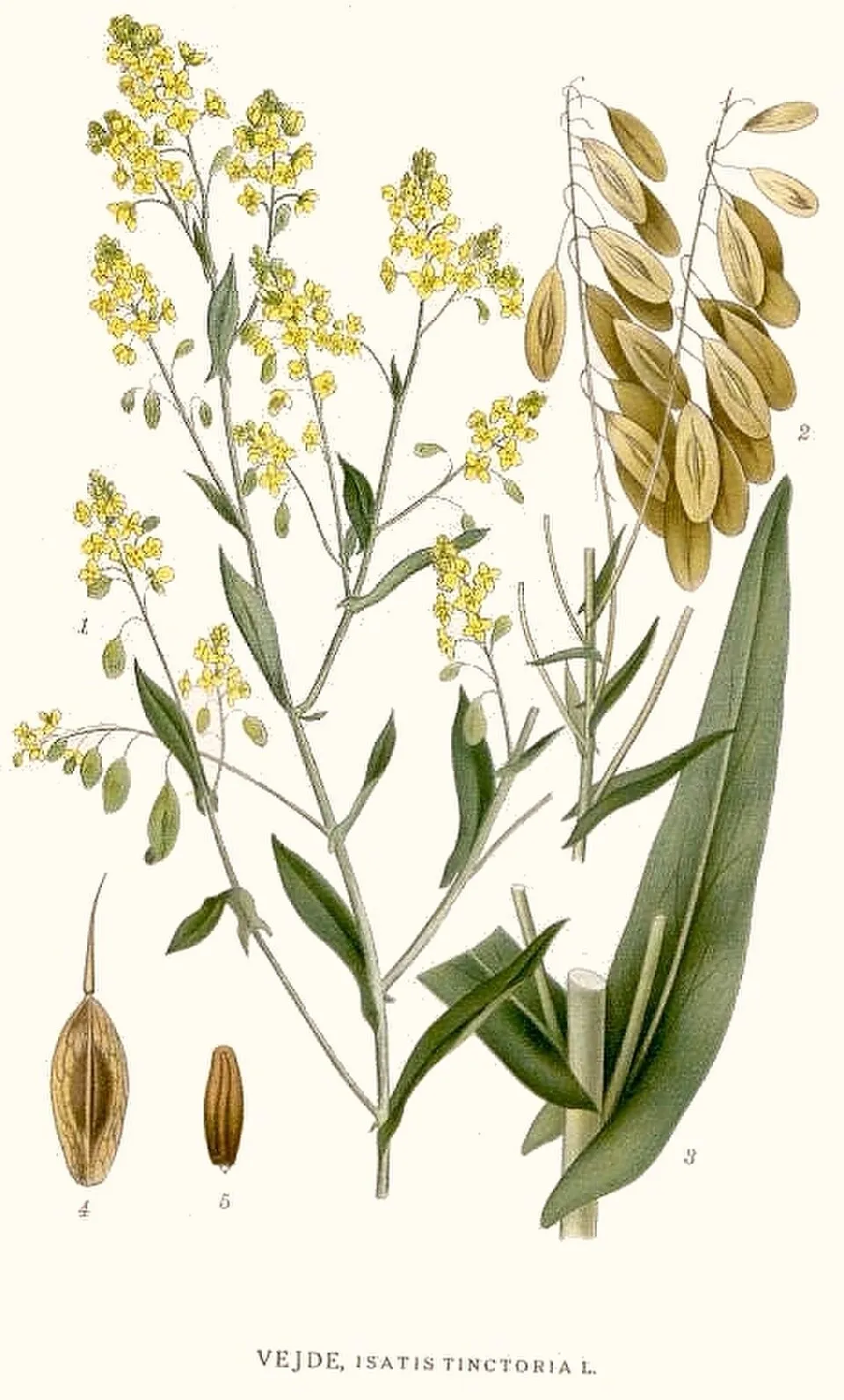
Isatis tinctoria, commonly known as Woad, is a historically significant biennial or short-lived perennial herbaceous plant belonging to the Brassicaceae family. Its robust morphology includes a basal rosette of large, oblong-lanceolate leaves in the first year, from which an erect, branched stem emerges in the second year, reaching heights of 30 to 150 cm. The stem leaves are smaller, sessile, and clasping. Bright yellow, cruciform flowers arranged in dense terminal racemes appear in late spring to early summer, giving way to distinctive pendulous, obovate to pear-shaped, blackish-purple silicles (seed pods) containing a single seed. The plant develops a strong, deep taproot, which is the primary part used medicinally in many traditions. Native to Central Asia, Isatis tinctoria has a vast natural range extending from South-eastern Russia to South-west Asia and into parts of South-eastern Europe.
It was introduced to Europe in late prehistory and became widely cultivated for its indigo dye. Today, it is found as a common ruderal plant, thriving in dry, sunny locations such as rocky substrates, abandoned fields, open woodlands, clearings, and along roadsides. It shows a preference for hot spots and nitrogen-rich, often limestone, soils. While valued in many parts of the world, it is considered an invasive or noxious weed in certain regions, particularly in the Western United States. Taxonomically, Isatis tinctoria is part of the genus Isatis within the large and diverse Brassicaceae family, which also includes familiar plants like cabbage and mustard. Its historical significance is multifaceted; the genus name 'Isatis' is believed to derive from ancient Greek and Latin terms related to its use in treating wounds, reflecting its early medicinal application.
The species epithet 'tinctoria' explicitly refers to its renowned historical use as a source of blue indigo dye, a practice dating back thousands of years. Beyond its dyeing capabilities, Isatis has been a cornerstone in traditional medicine systems, notably Traditional Chinese Medicine (TCM), where its root (Ban Lan Gen) and leaves (Da Qing Ye) are highly valued. Its medicinal importance was formally recognized in European phytotherapy with the inclusion of its monograph in the European Pharmacopoeia in 2011, solidifying its status as a significant therapeutic agent. Trusted Scientific References Authoritative external sources for Isatis tinctoria : Wikipedia — Isatis tinctoria Kew POWO (Plants of the Wor ...[CURRENT TEXT EXISTS: 2591 chars]
1.1.Isatis — Defining Traits
- ✓Ancient Medicinal Herb — Ancient Medicinal Herb
- ✓Traditional Chinese Medicine — Traditional Chinese Medicine Staple (Ban Lan Gen, Da Qing Ye)
- ✓Potent Antiviral Agent — Potent Antiviral Agent
- ✓Strong Anti — inflammatory Properties
- ✓Immunomodulatory Benefits — Immunomodulatory Benefits
- ✓Rich in Indole — Rich in Indole Alkaloids (Indirubin, Tryptanthrin)
- ✓Natural Indigo Dye — Natural Indigo Dye Source
- ✓Biennial Growth Habit — Biennial Growth Habit
- ✓Brassicaceae Family Member — Brassicaceae Family Member
- ✓Supports Respiratory Health — Supports Respiratory Health
- ✓Historically Used for — Historically Used for Wounds
- ✓Antimicrobial Activity — Antimicrobial Activity
- ✓Antioxidant Powerhouse — Antioxidant Powerhouse
- ✓European Pharmacopoeia Monograph — European Pharmacopoeia Monograph
- ✓Requires Well — Drained Soil and Full Sun
1.2.Isatis — Quick Summary
- ✓Isatis tinctoria (Woad) is a historically significant medicinal and dye plant.
- ✓Known for potent antiviral, anti-inflammatory, and immunomodulatory properties.
- ✓Rich in indole alkaloids (indirubin, tryptanthrin), glucosinolates, and flavonoids.
- ✓Used extensively in Traditional Chinese Medicine (Ban Lan Gen, Da Qing Ye).
- ✓Supports immune health, respiratory function, and detoxification.
- ✓Requires caution in pregnancy, liver conditions, and with certain medications.
- ✓Cultivated for both its medicinal roots and leaves, and historically for indigo dye.
2.Isatis — Scientific Profile
3.Isatis — Reference Facts
4.Isatis — Structural Profile
5.Isatis — Where It Grows
6.Isatis — Ethnobotanical Uses
7.Isatis — Secondary Metabolites
- ✓Indole Alkaloids — Key compounds include Indirubin (C16H10N2O2), Tryptanthrin (C15H8N2O2), and Isatin (C8H5NO2). These are largely responsible for Isatis's potent antiviral, anti-inflammatory, antimicrobial, and antiproliferative activities.
- ✓Glucosinolates — Such as Isatisin, Isatin B, and Sinigrin. These sulfur-containing compounds are precursors to isothiocyanates, known for their strong antimicrobial, antioxidant, and potential chemopreventive effects against certain cancers.
- ✓Flavonoids — Including Kaempferol, Quercetin, Isorhamnetin, and their glycosides. These are powerful antioxidants that scavenge free radicals, contribute to anti-inflammatory actions, and support cardiovascular health.
- ✓Phenolic Compounds — Examples include Caffeic acid, Ferulic acid, and Chlorogenic acid. These compounds possess significant antioxidant, anti-inflammatory, and antimicrobial properties, contributing to the plant's overall therapeutic efficacy.
- ✓Polysaccharides — High molecular weight carbohydrates that are recognized for their immunomodulatory effects, enhancing host defense mechanisms and supporting immune system balance.
- ✓Triterpenoids/Saponins — A diverse group of compounds that contribute to the plant's anti-inflammatory, adaptogenic, and potential hepatoprotective properties, often by modulating immune responses.
- ✓Tannins — Astringent compounds that contribute to the plant's antimicrobial, anti-inflammatory, and wound-healing properties, particularly useful in topical applications and for digestive issues.
- ✓Carotenoids — Such as Beta-carotene, a precursor to Vitamin A. These are potent antioxidants that protect cells from oxidative damage and support vision and immune health.
- ✓Volatile Constituents — Essential oils and other aromatic compounds, though in smaller quantities, contribute to the plant's characteristic aroma and may possess mild antimicrobial or insecticidal properties.
- ✓Fatty Acids — Including Linoleic acid (omega-6) and Oleic acid (omega-9). These essential fatty acids are crucial for cellular membrane integrity, hormone production, and may exert anti-inflammatory effects.
- ✓Lignans — Phenolic compounds with antioxidant and potential phytoestrogenic activities, contributing to overall cellular protection and hormonal balance.
- ✓Coumarins — Compounds known for their anti-inflammatory, anticoagulant, and antimicrobial properties, further diversifying the plant's therapeutic spectrum.
8.Isatis — What Research Suggests
- ✓Antiviral Activity — Isatis tinctoria exhibits potent antiviral properties, primarily attributed to compounds like indirubin and tryptanthrin, which have been shown to inhibit the replication of various viruses, including influenza and enteroviruses, by interfering with viral enzymes and pathways.
- ✓Anti-inflammatory Effects — The plant's rich phytochemical profile, including indole alkaloids and flavonoids, contributes to significant anti-inflammatory actions. These compounds modulate inflammatory mediators and pathways, reducing the production of pro-inflammatory cytokines and enzymes.
- ✓Immunomodulatory Support — Isatis has been traditionally used to enhance and balance immune function. Modern research suggests it can stimulate lymphocyte proliferation and antibody production, bolstering the body's natural defense mechanisms against pathogens.
- ✓Antimicrobial Properties — Extracts from Isatis tinctoria demonstrate broad-spectrum antimicrobial activity against various bacteria and fungi. This includes effectiveness against certain drug-resistant strains, making it valuable in addressing microbial infections.
- ✓Antioxidant Defense — Flavonoids and phenolic compounds in Isatis act as powerful antioxidants, scavenging free radicals and reducing oxidative stress. This helps protect cellular integrity and prevents damage associated with chronic diseases.
- ✓Analgesic Relief — Through its anti-inflammatory mechanisms, Isatis tinctoria may offer relief from pain. By reducing inflammation, it can alleviate discomfort associated with various conditions, providing a natural analgesic effect.
- ✓Detoxification Support — In Traditional Chinese Medicine, Isatis is revered for its ability to 'clear heat and resolve toxicity.' This refers to its traditional use in supporting the body's natural detoxification processes and purifying the blood.
- ✓Antipyretic Action — Traditionally, Isatis has been employed to reduce fever. Its compounds are believed to help regulate body temperature by addressing underlying inflammatory responses and clearing pathogenic heat.
- ✓Respiratory Support — Isatis tinctoria is frequently used in traditional systems for respiratory ailments such as sore throats, coughs, and tonsillitis. Its anti-inflammatory and antiviral properties help soothe irritated mucous membranes and combat respiratory infections.
- ✓Skin Health — Historically, woad was applied topically to treat wounds, boils, and skin infections. Its antimicrobial and anti-inflammatory properties can aid in wound healing and alleviate various dermatological conditions.
- ✓Anti-tumor/Antiproliferative Potential — Indirubin, a key alkaloid, has shown significant antiproliferative activity against various cancer cell lines in preclinical studies. It is being investigated for its potential in inhibiting tumor growth and inducing apoptosis.
- ✓Digestive Health — Traditional uses include addressing conditions like dysentery and other gastrointestinal disturbances. Its antimicrobial and anti-inflammatory actions may help restore balance to the digestive system.
- ✓Blood Purifier — The concept of 'clearing heat from the blood' in TCM relates to Isatis's ability to reduce systemic inflammation and help eliminate toxins, contributing to overall circulatory and systemic health.
- ✓Throat and Mouth Soothing — Due to its anti-inflammatory and antimicrobial effects, Isatis preparations are often used as gargles or mouthwashes to alleviate symptoms of pharyngitis, laryngitis, and oral infections.
- ✓General Wellness Promotion — By supporting immune function, reducing inflammation, and offering antioxidant protection, Isatis tinctoria contributes to overall vitality and resilience, promoting general well-being.
8.1.Isatis — Conditions Traditionally Used For
9.Isatis — Precautions & Warnings
9.1.Isatis — Reported Side Effects
- ✓Gastrointestinal Upset — Some individuals may experience mild nausea, stomach discomfort, vomiting, or diarrhea, especially with high doses or prolonged use of Isatis preparations.
- ✓Allergic Reactions — Sensitive individuals may develop allergic reactions, manifesting as skin rashes, itching, hives, or, in rare cases, more severe systemic reactions.
- ✓Liver Enzyme Elevation — Prolonged use or excessive dosages, particularly of the root (Ban Lan Gen), have been anecdotally associated with elevated liver enzymes, suggesting potential hepatotoxicity in susceptible individuals.
- ✓Kidney Discomfort — There are occasional reports of kidney discomfort or mild renal irritation with very high or chronic consumption of Isatis.
- ✓Dizziness/Headache — Some users might experience mild and transient dizziness or headaches, particularly during the initial phases of consumption.
- ✓Hypoglycemia — Isatis may have a blood sugar-lowering effect, necessitating caution for individuals with diabetes or those taking anti-diabetic medications.
- ✓Hypotension — Due to its potential to influence blood pressure, individuals with low blood pressure or those on hypotensive medications should use Isatis cautiously.
- ✓Discoloration of Urine — High doses of Isatis, especially the leaves, can lead to a harmless blue-green discoloration of urine due which is due to the presence of indigo compounds.
- ✓Drug Interactions — Potential interactions exist with immunosuppressants (due to its immunomodulatory effects), anticoagulants, and medications metabolized by the liver (due to potential liver enzyme induction or inhibition).
- ✓Overdose Symptoms — Extremely high doses can lead to more pronounced gastrointestinal distress, weakness, and other systemic effects, necessitating immediate medical attention.
9.2.Isatis — Safety Profile
- ✓Pregnancy and Lactation — Isatis tinctoria is generally contraindicated during pregnancy and lactation due to insufficient safety data and traditional warnings against its use, which may suggest potential abortifacient effects.
- ✓Pre-existing Liver Conditions — Individuals with a history of liver disease or impaired liver function should use Isatis with extreme caution or avoid it entirely, given the potential for hepatotoxicity at high doses.
- ✓Autoimmune Diseases — As Isatis can have immunomodulatory effects, individuals with autoimmune conditions (e.g., lupus, rheumatoid arthritis, multiple sclerosis) should consult a healthcare professional before use, as it may theoretically exacerbate symptoms.
- ✓Blood Disorders — Caution is advised for individuals with bleeding disorders or those taking anticoagulant or antiplatelet medications, as some compounds in Isatis may affect blood clotting.
- ✓Diabetes Mellitus — Diabetics should monitor blood glucose levels closely if using Isatis, as it may lower blood sugar, potentially interacting with anti-diabetic medications.
- ✓Hypotension — Individuals with naturally low blood pressure or those on medication for hypertension should use Isatis cautiously, as it may further reduce blood pressure.
- ✓Children — Use in infants and young children is generally not recommended without the explicit guidance and supervision of a qualified medical herbalist or physician.
- ✓Drug Interactions — Always consult a healthcare professional before combining Isatis with prescription medications, especially immunosuppressants, anticoagulants, or any drugs metabolized by the liver.
- ✓Allergic Individuals — Individuals with known allergies to plants in the Brassicaceae family (e.g., cabbage, mustard) should avoid Isatis due to potential cross-reactivity.
- ✓Dosage Adherence — Strict adherence to recommended dosages and duration of use, preferably under professional guidance, is crucial to minimize the risk of adverse effects.
10.Isatis — Application Forms
- ✓Decoction — The dried root (Ban Lan Gen) is most commonly prepared as a decoction, where it is simmered in water for a specified period (e.g., 20-30 minutes) to extract its active compounds. This is a primary method in TCM.
- ✓Infusion — The dried leaves (Da Qing Ye) can be prepared as an infusion by steeping them in hot water for 5-10 minutes, similar to making tea, often used for milder conditions or as a gargle.
- ✓Tincture — Alcoholic extracts of either the root or leaves offer a concentrated form of Isatis, allowing for precise dosing and extended shelf life. Tinctures are typically taken diluted in water.
- ✓Powdered Herb — Dried and finely ground Isatis root or leaf can be encapsulated or mixed into beverages, smoothies, or food, providing a convenient way to consume the herb.
- ✓Topical Application — Preparations such as poultices, compresses, or washes made from decoctions or infusions of the leaves can be applied externally to skin infections, wounds, or inflammatory conditions.
- ✓Gargle/Mouthwash — Decoctions or strong infusions of Isatis are effectively used as gargles or mouthwashes to soothe sore throats, alleviate tonsillitis, or address oral infections.
- ✓Syrups — Isatis extracts can be incorporated into herbal syrups, often combined with honey or other soothing ingredients, for easier administration, especially for coughs and respiratory discomfort.
- ✓Herbal Formulas — In Traditional Chinese Medicine, Isatis is rarely used alone but is a common ingredient in complex herbal formulas, such as Yin Qiao San, where its actions are synergized with other herbs.
- ✓Standardized Extracts — Available in supplement form, these extracts are concentrated to contain a specific percentage of active compounds, providing consistent potency and targeted therapeutic effects.
- ✓External Compress — Soaked cloths with a warm Isatis decoction can be applied as compresses to localized areas of inflammation, swelling, or skin eruptions.
- ✓Culinary Use — While not its primary medicinal application, young leaves of Isatis tinctoria can be consumed as a leafy green, offering a slightly bitter, peppery flavor, though in moderation.
11.Isatis — Propagation & Care
- ✓Climate Preference — Isatis tinctoria thrives in temperate climates, demonstrating good tolerance to both cold and heat, making it adaptable to a wide range of geographical zones.
- ✓Soil Requirements — It prefers well-drained, fertile soil, often with a preference for nitrogen-rich and calcareous (limestone) conditions, though it can tolerate poorer soils.
- ✓Sunlight Exposure — Requires full sun exposure for optimal growth, flowering, and the development of its characteristic medicinal compounds and dye precursors.
- ✓Propagation — Primarily propagated from seeds. Seeds can be sown directly in the garden either in early spring after the last frost or in late autumn for germination the following spring.
- ✓Sowing Depth and Spacing — Sow seeds approximately 1-2 cm deep, spacing them about 15-30 cm apart to allow for mature plant development. Thin seedlings if necessary.
- ✓Watering — Requires moderate watering, especially during dry spells, but is relatively drought-tolerant once established. Avoid waterlogging, which can lead to root rot.
- ✓Fertilization — Benefits from the incorporation of organic matter into the soil prior to planting, or a balanced, slow-release fertilizer if soil fertility is low.
- ✓Pest and Disease Management — Generally robust, but can be susceptible to common brassica pests like flea beetles and cabbage worms. Integrated pest management strategies are recommended.
- ✓Harvesting Leaves — For indigo dye or medicinal use (Da Qing Ye), leaves are typically harvested in the first year before the plant bolts and flowers, when their active compound content is highest.
- ✓Harvesting Roots — The medicinal root (Ban Lan Gen) is usually harvested in the autumn of the first growing season or the spring of the second year before flowering, when it is most potent.
- ✓Lifecycle Management — As a biennial, it typically grows vegetatively in the first year and flowers, sets seed, and dies in the second. Allow some plants to go to seed for self-propagation or seed collection.
- ✓Weed Control — Essential, particularly for young plants, to minimize competition for nutrients and light, ensuring vigorous growth and optimal yield.
Reviewed by the Flora Medical Global Botanical Review Panel
Multi-disciplinary editorial group · Botany · Ethnobotany · Herbal-medicine literature
Who reviewed this: This page was checked by the Flora Medical Global Botanical Review Panel — an in-house editorial group of botany graduates, ethnobotany researchers, and horticulture practitioners who collectively maintain our 7,000+ plant encyclopedia. Meet the team.
Our 4-step verification process
1. Taxonomic verification
Scientific names and synonyms cross-checked against Kew POWO, World Flora Online, and The Plant List.
2. Phytochemical & medicinal cross-reference
Active compounds, traditional uses, and reported activities are cross-referenced with PubMed, USDA Dr. Duke's database, and peer-reviewed ethnobotanical literature.
3. Conservation & distribution check
Distribution, ecology, and conservation status confirmed against GBIF occurrence records and the IUCN Red List.
4. Editorial & safety review
Every entry passes an editorial pass for clarity, originality, and safety notices (toxicity, contraindications, dosage caveats) before publication.
Last reviewed:
Important medical disclaimer: This content is for educational and research purposes only. It is not medical advice and is not a substitute for consultation with a licensed healthcare provider. Do not use any herb to self-treat a medical condition without professional guidance.
Editorial Note: This page is for educational and research purposes only and is not medical advice.
Written by: Flora Medical Global Editorial Team
Reviewed by: Flora Medical Global Botanical Review Panel
Last Updated: June 15, 2026





Isatis — Comments & Community Reviews
Rate this plant