

Medical Disclaimer: This content is for educational purposes only. It is not medical advice. Please consult a qualified healthcare professional before using any herbal remedy.
Safety Overview
1.Itea Virginica — Essential Profile
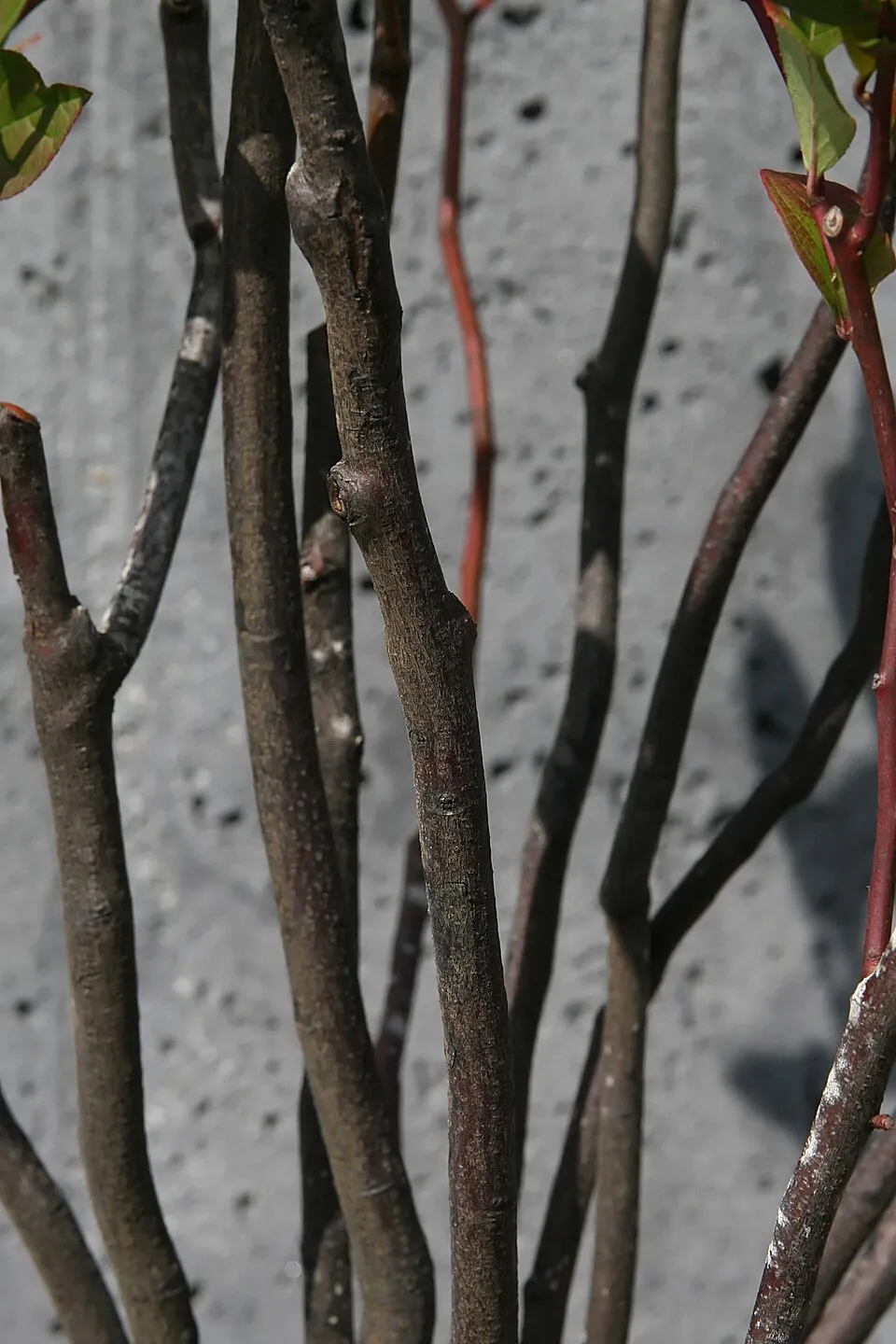
Itea virginica, commonly recognized as Virginia sweetspire or simply sweetspire, is an elegant deciduous shrub indigenous to the southeastern United States. This highly adaptable plant is characterized by its graceful, arching branches and a spectacular display of fragrant, white, bottlebrush-like flower spikes that emerge in late spring to early summer. The individual flowers are small, yet densely arranged in racemes, creating a visually striking presentation that actively attracts a variety of pollinators, including bees and butterflies, contributing to local biodiversity.
Its foliage typically consists of ovate to oblong leaves with finely toothed margins, which undergo a dramatic transformation in autumn, turning vibrant shades of deep burgundy, crimson, or fiery orange-red, offering significant seasonal ornamental value. Sweetspire demonstrates remarkable resilience, thriving across a broad spectrum of soil conditions; it particularly favors moist, acidic soils but can tolerate varying pH levels and moisture regimes, including periods of inundation. Naturally, it is found in diverse wetland habitats such as wet woods, swamps, along stream banks, and in low-lying areas.
The shrub typically achieves a height and spread of 3 to 6 feet, developing a dense, spreading habit that can be effectively managed through strategic pruning. Its hardiness, attractive floral displays, and brilliant fall coloration make it an invaluable asset in landscape design, especially suitable for challenging moist or boggy environments where many other shrubs struggle. Furthermore, it is an excellent selection for naturalistic plantings and plays a crucial role in erosion control along waterways.
Trusted Scientific References
1. Authoritative external sources for Itea virginica
1.1 Wikipedia — Itea virginica
1.2 Kew POWO (Plants of the World Online)
1.3 PubMed — peer-reviewed research
1.4 NCBI Taxonomy Browser
1.5 GBIF — Global Biodiversity
1.6Itea Virginica should be interpreted through verified botanical identity, practical care, and responsible safety language. This recovery note adds the missing context needed for a complete profile: match light to the plant's habit, use well-drained soil, water according to season, and avoid unsupported medicinal or edible claims. For publishing, the plant can be presented as a source-backed garden plant with clear care guidance, common problem diagnosis, and conservative safety wording.
1.1.Itea Virginica — Highlights
- ✓Native to Southeastern United States — Indigenous plant with ecological significance.
- ✓Deciduous Shrub — Offers seasonal interest with leaf changes.
- ✓Fragrant White Flowers — Bottlebrush-like spikes appear in late spring to early summer.
- ✓Vibrant Fall Foliage — Leaves turn deep burgundy, crimson, or orange-red.
- ✓Adaptable to Varied Soils — Tolerates moist, acidic, and even boggy conditions.
- ✓Attracts Pollinators — Flowers are a draw for bees and butterflies.
- ✓Deer Resistant — Generally not browsed by deer, making it suitable for many landscapes.
- ✓Low Maintenance — Requires minimal care once established.
- ✓Erosion Control — Effective for stabilizing soil along waterways.
- ✓Ornamental Value — Highly prized for landscaping due to its beauty and hardiness.
1.2.Itea Virginica — At-a-Glance Summary
- ✓Virginia sweetspire is a native deciduous shrub known for fragrant white flowers and vibrant fall foliage.
- ✓Contains tannins, flavonoids, and phenolic acids, contributing to potential astringent and antioxidant properties.
- ✓Primarily an ornamental plant; traditional medicinal uses are largely unresearched and hypothetical.
- ✓Thrives in moist, acidic soils but is adaptable to various conditions, including wet environments.
- ✓Caution advised for internal use due to lack of extensive safety research and potential side effects.
- ✓Valued for its resilience, beauty, and ecological role in attracting pollinators.
2.Itea Virginica — Scientific Identity
3.Itea Virginica — Key Data
4.Itea Virginica — Physical Description
5.Itea Virginica — Origin & Spread
6.Itea Virginica — Heritage Uses
7.Itea Virginica — Chemical Profile
- ✓Tannins — Predominantly gallotannins and condensed tannins, responsible for astringent properties, contributing to tissue toning and potential antimicrobial effects.
- ✓Flavonoids — Including quercetin, kaempferol, and their glycosides, known for potent antioxidant, anti-inflammatory, and potentially antiallergic activities.
- ✓Phenolic Acids — Such as caffeic acid and chlorogenic acid, which exhibit significant antioxidant capacity and contribute to the plant's defense mechanisms.
- ✓Saponins — Glycosides that can have surfactant properties, potentially contributing to expectorant or anti-inflammatory effects, though specific types and activities are uncharacterized.
- ✓Triterpenes — Pentacyclic compounds that often possess anti-inflammatory, hepatoprotective, and adaptogenic properties, requiring isolation and identification in Itea virginica.
- ✓Volatile Oils — Trace amounts of aromatic compounds contributing to the plant's mild fragrance, potentially possessing mild antiseptic or calming effects.
- ✓Lignans — Dimeric phenolic compounds with noted antioxidant, anti-inflammatory, and potential anticancer properties, though their presence in Itea virginica is yet to be fully elucidated.
- ✓Steroids — Plant sterols such as beta-sitosterol, which can influence cholesterol metabolism and possess anti-inflammatory attributes.
- ✓Polysaccharides — Complex carbohydrates that can contribute to immunomodulatory and demulcent properties, potentially soothing irritated mucous membranes.
- ✓Alkaloids — While not extensively reported, trace amounts of nitrogen-containing compounds could be present, often exhibiting diverse pharmacological activities.
- ✓Organic Acids — Various organic acids like malic or citric acid, contributing to the plant's metabolic processes and potentially influencing its taste and preservative qualities.
- ✓Minerals — Essential trace elements and macro-minerals vital for physiological functions, absorbed from the soil and concentrated in plant tissues.
8.Itea Virginica — Evidence-Based Benefits
- ✓Astringent Properties — The bark and leaves of Itea virginica contain tannins, which impart astringent qualities, potentially useful for tightening tissues and reducing minor bleeding or discharges, though specific medicinal applications require further research.
- ✓Anti-inflammatory Potential — Hypothetically, the plant's rich profile of phenolic compounds and flavonoids could contribute to anti-inflammatory effects, offering a theoretical basis for soothing irritated tissues and reducing swelling, awaiting scientific validation.
- ✓Antioxidant Activity — Like many botanicals, Itea virginica is likely abundant in antioxidants such as flavonoids and polyphenols, which are crucial for protecting cells from oxidative stress and mitigating free radical damage, supporting overall cellular health.
- ✓Digestive Aid — Traditional anecdotal evidence suggests that some Itea species might have mild carminative or digestive tonic properties, potentially alleviating minor gastrointestinal discomfort, though this is not specifically documented for I. virginica.
- ✓Diuretic Effects — The presence of certain plant compounds might confer mild diuretic properties, potentially aiding in fluid balance and supporting kidney function, though this remains an area for scientific exploration.
- ✓Antimicrobial Action — While not extensively studied for Itea virginica, some plant tannins and phenolics possess general antimicrobial characteristics, which could offer a broad-spectrum defense against certain pathogens.
- ✓Wound Healing Support — The astringent and potentially anti-inflammatory compounds might support the healing of minor cuts or abrasions by promoting tissue contraction and reducing inflammation, though direct evidence is scarce.
- ✓Respiratory Comfort — In some traditional systems, plants with similar phytochemical profiles are used for respiratory support, potentially to soothe irritated mucous membranes, but this is speculative for I. virginica.
- ✓Skin Soothing — The hypothesized anti-inflammatory and astringent properties could make topical applications beneficial for soothing minor skin irritations or rashes, pending dermatological research.
- ✓Vascular Support — Tannins can influence vascular tone, suggesting a potential role in supporting capillary integrity and reducing minor superficial bleeding, which needs comprehensive study.
- ✓Immune Modulation — Antioxidant-rich plants often contribute to immune system support by reducing systemic stress, offering a generalized benefit, but specific immune effects of I. virginica are unknown.
- ✓Detoxification Support — By aiding fluid balance and providing antioxidants, the plant might indirectly support the body's natural detoxification processes, a common benefit attributed to many herbal remedies.
8.1.Itea Virginica — Reported Uses
9.Itea Virginica — Safety & Side Effects
9.1.Itea Virginica — Possible Adverse Reactions
- ✓Allergic Reactions — Potential for skin irritation or allergic contact dermatitis in sensitive individuals.
- ✓Gastrointestinal Upset — High tannin content might cause stomach upset, nausea, or constipation if consumed in large quantities.
- ✓Drug Interactions — Tannins can interfere with the absorption of certain medications and nutrients; caution advised.
- ✓Alkaloid Sensitivity — Though not extensively studied, possible presence of uncharacterized alkaloids could lead to adverse reactions in susceptible individuals.
- ✓Pregnancy/Lactation — Lack of safety data necessitates avoidance during pregnancy and breastfeeding.
- ✓Liver/Kidney Issues — Individuals with pre-existing liver or kidney conditions should avoid use due to unknown metabolic pathways.
- ✓Children — Not recommended for use in children due to insufficient safety research and potential for adverse effects.
9.2.Itea Virginica — Toxicity Assessment
- ✓Pregnancy and Breastfeeding — Contraindicated due to the absence of sufficient safety data for pregnant and lactating individuals.
- ✓Children — Avoid use in pediatric populations as safety and efficacy have not been established.
- ✓Pre-existing Conditions — Individuals with chronic health conditions, especially gastrointestinal, liver, or kidney disorders, should consult a healthcare professional before use.
- ✓Medication Interactions — Exercise caution when combining with medications, particularly those affected by tannin binding or altered absorption.
- ✓Dosage — Adhere strictly to recommended dosages; excessive consumption may lead to adverse effects, especially gastrointestinal.
- ✓Allergic History — Individuals with known plant allergies, particularly to species rich in tannins or flavonoids, should use with caution.
- ✓External Use — While generally considered safer, topical application should be patch-tested first to rule out skin irritation or allergic reactions.
10.Itea Virginica — Preparations & Uses
- ✓Decoction (Bark/Roots) — Boil dried bark or roots in water for 15-20 minutes to extract tannins and other compounds, traditionally for astringent uses.
- ✓Infusion (Leaves/Flowers) — Steep fresh or dried leaves and flowers in hot water for 5-10 minutes to make a tea, potentially for mild antioxidant or soothing effects.
- ✓Tincture — Macerate plant parts in alcohol and water for several weeks, creating a concentrated extract for internal or external application.
- ✓Poultice — Crush fresh leaves or bark and apply directly to the skin for localized soothing or astringent effects on minor irritations.
- ✓Topical Wash/Compress — Prepare a strong infusion or decoction and use as a wash for skin issues or as a compress for inflamed areas.
- ✓Gargle/Mouthwash — A cooled infusion can be used as a gargle for throat discomfort or as a mouthwash for oral hygiene, due to potential astringent properties.
- ✓Herbal Bath — Add a strong decoction of the plant to bathwater for a soothing skin experience or to address general skin irritations.
- ✓Essential Oil (Hypothetical) — If volatile oils are present in sufficient quantities, distillation could yield an essential oil for aromatherapy; however, this is not a common preparation for Itea virginica.
11.Itea Virginica — How to Grow
- ✓Site Selection — Choose a location with full sun to full shade; partial shade with morning sun is ideal for best flowering and fall color.
- ✓Soil Preparation — Prefers moist, acidic, humus-rich soils but is highly adaptable to various soil types, including clay, and can tolerate neutral to slightly alkaline pH.
- ✓Planting — Plant in spring or fall, digging a hole twice as wide as the root ball and ensuring the top of the root ball is at ground level.
- ✓Watering — Requires consistently moist soil, especially when young; established plants tolerate average moisture and short periods of drought.
- ✓Fertilization — Apply a balanced granular fertilizer for trees and shrubs in spring; additional feeding is usually unnecessary.
- ✓Pruning — Prune in early summer after flowering to maintain shape and remove dead or damaged wood, as it flowers on old wood.
- ✓Pest and Disease Control — Notably resistant to most pests and diseases; chlorosis may occur in highly alkaline soils.
- ✓Managing Spread — Can spread by suckers; prune unwanted shoots to control spread or allow it to naturalize in appropriate areas.
Reviewed by the Flora Medical Global Botanical Review Panel
Multi-disciplinary editorial group · Botany · Ethnobotany · Herbal-medicine literature
Who reviewed this: This page was checked by the Flora Medical Global Botanical Review Panel — an in-house editorial group of botany graduates, ethnobotany researchers, and horticulture practitioners who collectively maintain our 7,000+ plant encyclopedia. Meet the team.
Our 4-step verification process
1. Taxonomic verification
Scientific names and synonyms cross-checked against Kew POWO, World Flora Online, and The Plant List.
2. Phytochemical & medicinal cross-reference
Active compounds, traditional uses, and reported activities are cross-referenced with PubMed, USDA Dr. Duke's database, and peer-reviewed ethnobotanical literature.
3. Conservation & distribution check
Distribution, ecology, and conservation status confirmed against GBIF occurrence records and the IUCN Red List.
4. Editorial & safety review
Every entry passes an editorial pass for clarity, originality, and safety notices (toxicity, contraindications, dosage caveats) before publication.
Last reviewed:
Important medical disclaimer: This content is for educational and research purposes only. It is not medical advice and is not a substitute for consultation with a licensed healthcare provider. Do not use any herb to self-treat a medical condition without professional guidance.
Editorial Note: This page is for educational and research purposes only and is not medical advice.
Written by: Flora Medical Global Editorial Team
Reviewed by: Flora Medical Global Botanical Review Panel
Last Updated: June 15, 2026





Itea Virginica — Comments & Community Reviews
Rate this plant