
Medical Disclaimer: This content is for educational purposes only. It is not medical advice. Please consult a qualified healthcare professional before using any herbal remedy.
Safety Overview
1.Jaborandi — Introduction & Highlights
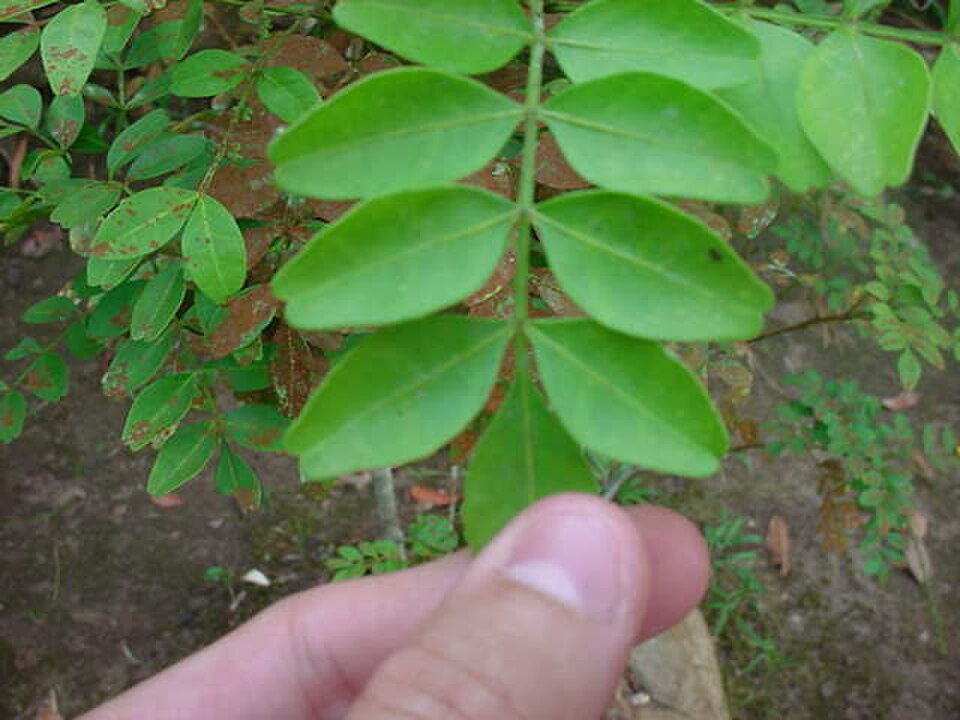
Jaborandi, scientifically known as Pilocarpus microphyllus, is a captivating evergreen shrub native to the humid tropical and subtropical regions of Brazil, particularly thriving within the shaded understories of the Atlantic forest and southeastern Amazonia. This resilient plant typically reaches heights of 1 to 2 meters (3.3 to 6.5 feet), presenting a delicate yet robust appearance. Its distinctive leaves are small, ovate to elliptic, and possess a leathery, dark green, glossy texture, usually measuring between 3-8 cm in length. These leaves are the primary repository for its potent medicinal compounds. The shrub produces charming, fragrant flowers, typically white to pale yellow with five distinct lobes, which are borne in loose panicles or clusters, blooming from late spring through early summer. The stem is generally slender, often branching near the base, with a grayish, smooth bark that contributes to its overall subtle aesthetic.
Pilocarpus microphyllus prefers well-drained, loamy soils rich in organic matter, where it can receive ample moisture and indirect sunlight, reflecting its adaptation to high rainfall and low light conditions characteristic of its native habitat. Taxonomically, Jaborandi belongs to the Rutaceae family, a diverse group that also encompasses citrus fruits and other aromatic plants, underscoring its aromatic and chemical richness. Its classification is firmly established within the Plantae kingdom, Sapindales order, Pilocarpus genus, and P. microphyllus species. The historical significance of Jaborandi dates back centuries, with indigenous communities in northern Brazil recognizing its therapeutic properties long before its scientific documentation. The Tupi people, for instance, named it 'jaborandi,' meaning 'leaf that makes sweat,' highlighting its traditional sudorific uses.
Eighteenth-century Portuguese colonial records and European explorers like Jean Baptiste Christian Fusée Aublet in his 'Histoire des Plantes de la Guiane Française' (1775) documented its local applications. The pivotal moment in its history occurred in 1875 when German chemist Georg E. Pelikan successfully isolated pilocarpine, the plant's primary alkaloid. This discovery revolutionized medicine, leading to pilocarpine's introduction as a prescription drug in the 1890s, initially in lozenges and later for glaucoma treatment. While early pharmaceutical interest led to bulk leaf imports from wild populations in regions like Mato Grosso and Pará, contempo ...[CURRENT TEXT EXISTS: 2951 chars]
1.1.Jaborandi — Standout Qualities
- ✓Pilocarpine — Rich Leaves — The primary source of the potent alkaloid pilocarpine, concentrated in its leaves.
- ✓Muscarinic Agonist — Pilocarpine mimics acetylcholine, stimulating muscarinic receptors throughout the body.
- ✓Sialogogue Properties — Highly effective in stimulating saliva production, alleviating xerostomia.
- ✓Ophthalmic Agent — A critical treatment for glaucoma, reducing intraocular pressure.
- ✓Diaphoretic Action — Induces sweating, used traditionally for fever and detoxification.
- ✓Native to Brazil — Thrives in humid tropical and subtropical forest understories.
- ✓Evergreen Shrub — A perennial woody plant maintaining foliage year-round.
- ✓Rutaceae Family Member — Related to citrus, sharing some aromatic characteristics.
- ✓Distinctive Morphology — Small, leathery, dark green leaves and pale yellow flowers in panicles.
- ✓Historical Medicinal Use — Valued by indigenous communities for centuries before scientific discovery.
- ✓Pharmacological Importance — Its active compound, pilocarpine, is a registered pharmaceutical drug.
- ✓Traditional Ayurvedic Adoption — Integrated into modern Ayurvedic practice for Kapha pacification.
- ✓Requires Specific Habitat — Prefers shaded, moist, well-drained environments.
- ✓Potential for Systemic Effects — Influences multiple body systems due to widespread receptor binding.
- ✓Strict Safety Profile — Demands careful use due to potent effects and potential side effects.
1.2.Jaborandi — Snapshot Summary
- ✓Potent Alkaloid — Jaborandi is renowned for pilocarpine, a powerful muscarinic agonist.
- ✓Dry Mouth & Glaucoma — Primarily used in modern medicine to stimulate saliva and lower intraocular pressure.
- ✓Traditional Diaphoretic — Historically employed by indigenous communities to induce sweating for fever relief.
- ✓Brazilian Native — An evergreen shrub thriving in the humid understories of the Atlantic forest.
- ✓Rutaceae Family — Belongs to the citrus family, known for aromatic and chemically rich plants.
- ✓Strict Dosage — Requires careful dosing due to its potent pharmacological effects and potential for significant side effects.
- ✓Parasympathetic Mimic — Pilocarpine mimics acetylcholine, affecting various exocrine glands and smooth muscles.
- ✓Sustainable Cultivation — Increasingly cultivated to ensure consistent supply and reduce pressure on wild populations.
2.Jaborandi — Taxonomic Classification
3.Jaborandi — Reference Facts
4.Jaborandi — Structural Profile
5.Jaborandi — Habitat & Distribution
6.Jaborandi — Historical Applications
7.Jaborandi — Secondary Metabolites
- ✓Imidazole Alkaloids — Pilocarpine (0.5-2.0% of leaf dry weight) is the most prominent, acting as a muscarinic receptor agonist, stimulating exocrine glands. Epi-pilocarpine (0.1-0.3%) and Isopilocarpine (trace amounts) are isomers with similar but slightly less potent cholinergic activity.
- ✓Pilocarpidine — A minor imidazole alkaloid, structurally related to pilocarpine, contributing to the overall cholinergic effect, though in negligible quantities.
- ✓Pilosopine — Another trace imidazole alkaloid found in Pilocarpus species, potentially offering minor synergistic effects with pilocarpine.
- ✓Jaborine — An isomer of pilocarpine, sometimes found in small amounts, which may have anticholinergic properties, thus needing careful consideration in extracts.
- ✓Volatile Oils — Present in the leaves, contributing to the plant's characteristic aroma and potentially possessing mild antiseptic or aromatic properties, common in the Rutaceae family.
- ✓Flavonoids — A class of polyphenolic compounds, often found in plants, which may contribute antioxidant and anti-inflammatory activities, supporting overall cellular health.
- ✓Tannins — Astringent compounds that can contribute to the plant's taste profile and may offer mild antiseptic and anti-diarrheal properties, though less prominent in Jaborandi's primary medicinal uses.
- ✓Saponins — Glycosides that can form a stable foam in water, sometimes associated with expectorant or anti-inflammatory effects, typically present in low concentrations.
- ✓Terpenoids — A diverse group of organic compounds, including monoterpenes and sesquiterpenes, which might contribute to the plant's fragrance and various subtle biological activities.
- ✓Organic Acids — Various organic acids are present, contributing to the plant's metabolic processes and potentially influencing its overall chemical profile and stability.
- ✓Resins — Complex mixtures of organic compounds that can provide protective functions for the plant and may have minor therapeutic properties.
- ✓Glycosides — Compounds containing a sugar molecule bonded to a non-sugar component, potentially influencing absorption and metabolism of other active compounds.
8.Jaborandi — Research Insights
- ✓Xerostomia (Dry Mouth) Relief — Pilocarpine, the primary alkaloid in Jaborandi, acts as a potent muscarinic receptor agonist, stimulating the salivary glands to significantly increase saliva production, thereby alleviating symptoms of dry mouth, often seen in conditions like Sjögren's syndrome or post-radiation therapy.
- ✓Glaucoma Management — By promoting the contraction of the ciliary muscle and enhancing the outflow of aqueous humor through the trabecular meshwork, Jaborandi's pilocarpine effectively reduces intraocular pressure, making it a cornerstone treatment for various forms of glaucoma, particularly open-angle glaucoma.
- ✓Diaphoretic Action (Sweat Induction) — Traditionally, Jaborandi leaves were used to induce profuse sweating, a sudorific effect attributed to pilocarpine's cholinergic activity, which helps in reducing fever and aiding in detoxification processes in folk medicine.
- ✓Digestive Stimulation — Pilocarpine's parasympathomimetic properties extend to the digestive system, where it can stimulate gastric secretions and promote gut motility, thereby aiding digestion, especially in individuals with sluggish digestive systems.
- ✓Lacrimogenic Effect (Tear Production) — Similar to its action on salivary glands, Jaborandi can stimulate the lacrimal glands, increasing tear production, which can be beneficial in managing dry eye conditions.
- ✓Bronchial Secretion Enhancement — The cholinergic agonism of pilocarpine can increase bronchial secretions, potentially aiding in the expectoration of mucus in certain respiratory conditions, although this effect must be carefully managed.
- ✓Antidote for Atropine Poisoning — Due to its strong cholinergic effects, pilocarpine has historically been used as an antidote for poisoning by anticholinergic agents like atropine, counteracting their effects on muscarinic receptors.
- ✓Potential in Neurological Modulation — Experimental animal studies suggest that pilocarpine, at specific microdoses, may influence cholinergic signaling in the brain, showing promise in cognitive tasks, though high doses can induce seizures.
- ✓Urinary Secretion Enhancement — Jaborandi can also influence the urinary system by increasing the activity of exocrine glands, potentially promoting diuresis, though this is a less common therapeutic application.
- ✓Skin Health Improvement — Anecdotal evidence suggests that the mild increase in sweating induced by Jaborandi's diaphoretic properties may contribute to clearing skin pores, potentially improving overall skin appearance.
- ✓Relief from Headaches — In some traditional systems, Jaborandi has been employed to alleviate certain types of headaches, possibly linked to its ability to induce sweating or modulate fluid balance.
- ✓Treatment for Fevers — The Tupi people and other Amazonian communities historically used Jaborandi decoctions to induce perspiration and reduce fever associated with conditions like malaria or influenza.
- ✓Support for Oral Hygiene — Increased saliva flow stimulated by Jaborandi helps in naturally cleansing the mouth, reducing bacterial load, and mitigating the risk of dental caries often associated with xerostomia.
- ✓Anti-inflammatory Potential — While not its primary action, some minor alkaloids and other compounds in Jaborandi may possess mild anti-inflammatory properties, contributing to overall well-being.
- ✓Traditional Ayurvedic Applications — Contemporary Ayurvedic practitioners utilize Jaborandi to pacify Kapha dosha, associating its pungent and slightly bitter rasa (taste) with stimulating natural bodily fluids and aiding digestion.
- ✓Management of Sjögren's Syndrome Symptoms — The sialogogue and lacrimogenic effects of Jaborandi are highly beneficial for individuals suffering from Sjögren's syndrome, a chronic autoimmune disease characterized by dry eyes and dry mouth.
8.1.Jaborandi — Health Applications
9.Jaborandi — Precautions & Warnings
9.1.Jaborandi — Warnings
- ✓Excessive Sweating (Diaphoresis) — A common side effect, especially with higher doses, due to pilocarpine's stimulation of sweat glands, sometimes leading to discomfort.
- ✓Nausea and Vomiting — Gastrointestinal upset, including nausea and occasional vomiting, can occur due to increased smooth muscle contraction and gastric secretions.
- ✓Increased Urination (Polyuria) — Stimulation of the parasympathetic nervous system can lead to increased bladder activity and more frequent urination.
- ✓Diarrhea — Enhanced gut motility and increased intestinal secretions can result in loose stools or diarrhea.
- ✓Blurred Vision and Eye Pain — Ocular use can cause temporary blurred vision, eye irritation, or brow ache due to ciliary muscle contraction and pupillary constriction.
- ✓Bradycardia (Slow Heart Rate) — Pilocarpine can slow the heart rate, particularly in sensitive individuals or at higher doses, posing a risk for those with pre-existing cardiac conditions.
- ✓Bronchospasm — Increased bronchial secretions and constriction of airways can exacerbate asthma or other chronic obstructive pulmonary diseases.
- ✓Dizziness and Lightheadedness — Can occur due to changes in blood pressure or general systemic effects of cholinergic overstimulation.
- ✓Headaches — Transient headaches are reported by some users, particularly with oral ingestion, possibly related to systemic effects or fluid shifts.
- ✓Hypotension (Low Blood Pressure) — While less common, significant cholinergic activation can lead to a drop in blood pressure, especially in susceptible individuals.
9.2.Jaborandi — Safety Overview
- ✓Pregnancy and Lactation — Contraindicated during pregnancy and lactation due to lack of safety data and potential effects on uterine muscle and fetal development; avoid use.
- ✓Cardiovascular Conditions — Use with extreme caution in individuals with bradycardia, heart block, or other cardiovascular diseases, as pilocarpine can further depress heart rate and blood pressure.
- ✓Respiratory Conditions — Contraindicated in patients with asthma, chronic obstructive pulmonary disease (COPD), or other respiratory conditions sensitive to bronchoconstriction.
- ✓Peptic Ulcer Disease — Use with caution in individuals with active peptic ulcers due to increased gastric acid secretion, which could exacerbate the condition.
- ✓Urinary Tract Obstruction — Contraindicated in cases of urinary tract obstruction or bladder neck obstruction, as increased bladder tone could worsen the condition.
- ✓Hyperthyroidism — Exercise caution in patients with hyperthyroidism, as cholinergic stimulation can potentially worsen symptoms or interactions.
- ✓Drug Interactions — May interact with anticholinergic drugs (reducing their effect) and other cholinergic agents (potentiating their effect); consult a healthcare professional.
- ✓Dosage Adherence — Strict adherence to prescribed dosages is crucial, as even small excesses can lead to significant side effects due to its potent alkaloid content.
- ✓Children and Elderly — Use in children is generally not recommended; elderly patients may be more sensitive to side effects and require lower doses under medical supervision.
- ✓Authenticity and Purity — Ensure sourcing from reputable suppliers to guarantee authenticity and purity, as adulteration or contamination can pose significant health risks.
10.Jaborandi — Preparation & Dosage
- ✓Leaf Decoction for Diaphoretic Action — Traditionally, dried Jaborandi leaves are simmered in water to create a decoction, consumed warm to induce sweating for fever reduction and detoxification.
- ✓Oral Lozenges for Xerostomia — Standardized extracts, particularly pilocarpine, are formulated into lozenges that dissolve in the mouth, directly stimulating salivary glands to relieve dry mouth symptoms.
- ✓Ophthalmic Solutions for Glaucoma — Pharmaceutical-grade pilocarpine is prepared as sterile eye drops, applied topically to the eye to reduce intraocular pressure in glaucoma patients.
- ✓Tinctures for Systemic Effects — A hydroalcoholic extract of Jaborandi leaves can be prepared as a tincture, taken in small, diluted doses for broader systemic effects like digestive stimulation or general cholinergic support.
- ✓Mouthwash for Oral Health — A diluted infusion or tincture of Jaborandi can be used as a mouthwash to stimulate saliva flow and improve oral hygiene, especially beneficial for xerostomia sufferers.
- ✓Hair Tonics for Scalp Health — Historically, some preparations of Jaborandi were used topically on the scalp, believed to stimulate hair follicles, though this use lacks strong scientific backing.
- ✓Poultices for Localized Application — In traditional folk medicine, crushed fresh leaves might be applied as a poultice for localized conditions, though this is less common for Jaborandi's primary uses.
- ✓Cold Infusions for Mild Effects — A cold infusion, made by steeping leaves in cold water, can offer a milder preparation, often used for topical applications or for internal use where a gentler effect is desired.
- ✓Standardized Extracts — Modern pharmaceutical and herbal supplement industries utilize standardized Jaborandi extracts, ensuring a consistent concentration of pilocarpine for predictable therapeutic effects.
- ✓Ayurvedic Formulations — Contemporary Ayurvedic practitioners may incorporate Jaborandi leaf powder into polyherbal formulations, often combined with warming herbs like ginger to balance its effects and enhance digestive fire.
- ✓Herbal Teas for General Well-being — A simple tea made by steeping dried Jaborandi leaves in hot water can be consumed, though dosage and potency must be carefully monitored due to potent alkaloids.
- ✓Homeopathic Preparations — Jaborandi is also used in homeopathic remedies, prepared in highly diluted forms for various conditions, following homeopathic principles.
11.Jaborandi — Growing Guide
- ✓Climate Requirements — Thrives in humid tropical and subtropical environments with consistent high rainfall and warmth, ideally with average temperatures between 20-30°C (68-86°F).
- ✓Light Conditions — Prefers partial shade, mimicking its natural understory habitat; direct, intense sunlight can scorch its leaves and reduce alkaloid content.
- ✓Soil Preference — Requires well-drained, loamy, and fertile soils rich in organic matter, with a slightly acidic to neutral pH (5.5-7.0) to support healthy growth.
- ✓Water Management — Needs consistent moisture; regular watering is crucial, especially during dry spells, but avoid waterlogging to prevent root rot.
- ✓Propagation — Primarily propagated by seeds, which should be sown in a well-draining seed mix, or by semi-hardwood cuttings taken from mature plants.
- ✓Fertilization — Benefits from periodic application of balanced organic fertilizers, particularly during active growth phases, to support robust foliage development.
- ✓Pest and Disease Control — Generally resistant but can be susceptible to common tropical pests like aphids or fungal diseases in overly humid conditions; integrated pest management is recommended.
- ✓Harvesting — Young, mature leaves are typically harvested, as they contain the highest concentration of pilocarpine; harvesting should be done sustainably to allow for regeneration.
- ✓Pruning — Light pruning can encourage bushier growth and facilitate easier harvesting, while also removing dead or diseased branches.
- ✓Controlled Cultivation — Cultivated in research gardens to standardize pilocarpine yield per hectare, often employing specific agricultural practices to optimize alkaloid content.
- ✓Container Growing — Can be grown in large containers in suitable climates or indoors with adequate humidity and light, allowing for easier management and protection.
- ✓Seed Germination — Seeds benefit from scarification or a period of stratification to break dormancy and improve germination rates.
Reviewed by the Flora Medical Global Botanical Review Panel
Multi-disciplinary editorial group · Botany · Ethnobotany · Herbal-medicine literature
Who reviewed this: This page was checked by the Flora Medical Global Botanical Review Panel — an in-house editorial group of botany graduates, ethnobotany researchers, and horticulture practitioners who collectively maintain our 7,000+ plant encyclopedia. Meet the team.
Our 4-step verification process
1. Taxonomic verification
Scientific names and synonyms cross-checked against Kew POWO, World Flora Online, and The Plant List.
2. Phytochemical & medicinal cross-reference
Active compounds, traditional uses, and reported activities are cross-referenced with PubMed, USDA Dr. Duke's database, and peer-reviewed ethnobotanical literature.
3. Conservation & distribution check
Distribution, ecology, and conservation status confirmed against GBIF occurrence records and the IUCN Red List.
4. Editorial & safety review
Every entry passes an editorial pass for clarity, originality, and safety notices (toxicity, contraindications, dosage caveats) before publication.
Last reviewed:
Important medical disclaimer: This content is for educational and research purposes only. It is not medical advice and is not a substitute for consultation with a licensed healthcare provider. Do not use any herb to self-treat a medical condition without professional guidance.
Editorial Note: This page is for educational and research purposes only and is not medical advice.
Written by: Flora Medical Global Editorial Team
Reviewed by: Flora Medical Global Botanical Review Panel
Last Updated: June 15, 2026





Jaborandi — Comments & Community Reviews
Rate this plant