
Medical Disclaimer: This content is for educational purposes only. It is not medical advice. Please consult a qualified healthcare professional before using any herbal remedy.
Safety Overview
1.Jacaranda Mimosifolia — Botanical Snapshot
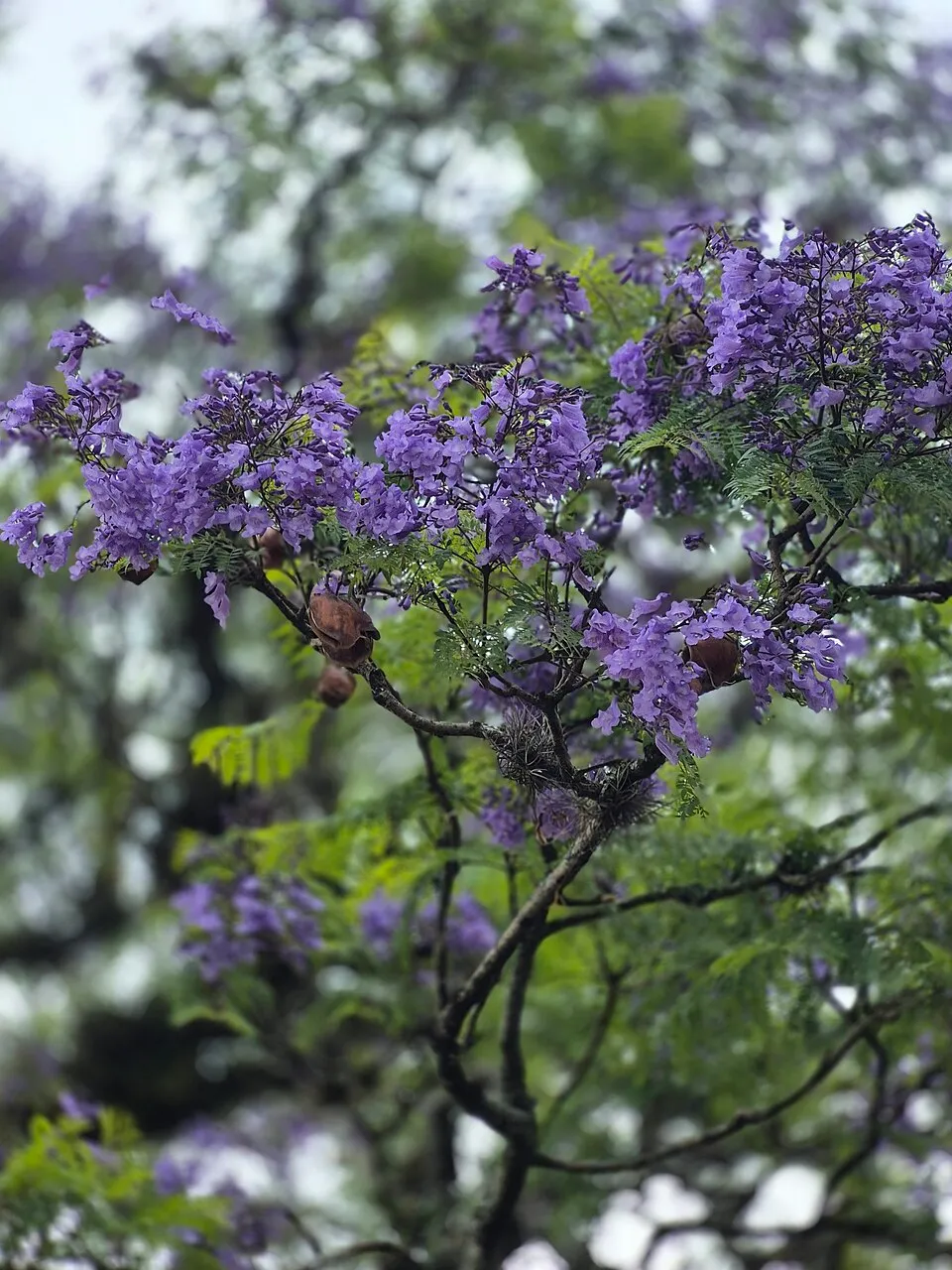
Jacaranda mimosifolia, commonly known as the Jacaranda tree, blue jacaranda, or black poui, is a magnificent deciduous to semi-evergreen tree belonging to the Bignoniaceae family. Native to South America, particularly Brazil, Bolivia, Argentina, and Paraguay, it has become widely cultivated in tropical and subtropical regions worldwide for its ornamental value. The tree typically reaches heights of 25-50 feet with an equally impressive spread, forming a broad, umbrella-shaped canopy.
Its most striking feature is the profusion of vibrant lavender-blue to purple, trumpet-shaped flowers that appear in large terminal panicles, often before the new leaves emerge, creating a breathtaking spectacle. These blooms carpet the ground beneath, giving rise to its common name, 'purple rain tree.'
The foliage consists of delicate, fern-like, bipinnately compound leaves, each comprising numerous small leaflets, which lend a fine texture to the tree. The bark is thin and grayish-brown, becoming slightly fissured with age. After flowering, the tree produces distinctive, flattened, woody seed pods, 1-3 inches wide, which mature from green to brown and persist on the tree for a considerable time, containing numerous winged seeds.
Jacaranda mimosifolia thrives in full sun and well-drained, sandy soils, demonstrating moderate drought tolerance once established. Its rapid growth rate in ideal conditions makes it a popular choice for avenues, parks, and large gardens, though its vigorous root system and prolific seed dispersal can be a consideration in some landscapes, particularly where it has become invasive in certain tropical zones.
Trusted Scientific References
1. Authoritative external sources for Jacaranda mimosifolia
1.1 Wikipedia — Jacaranda mimosifolia
1.2 Kew POWO (Plants of the World Online)
1.3 PubMed — peer-reviewed research
1.4 NCBI Taxonomy Browser
1.5 GBIF — Global Biodiversity
1.6Jacaranda Mimosifolia should be interpreted through verified botanical identity, practical care, and responsible safety language. This recovery note adds the missing context needed for a complete profile: match light to the plant's habit, use well-drained soil, water according to season, and avoid unsupported medicinal or edible claims. For publishing, the plant can be presented as a source-backed garden plant with clear care guidance, common problem diagnosis, and conservative safety wording.
1.1.Jacaranda Mimosifolia — Highlights
- ✓Ornamental Value — Stunning display of vibrant purple, trumpet-shaped flowers.
- ✓Fast Growing — Rapid growth rate in ideal tropical and subtropical conditions.
- ✓Fern — like Foliage — Delicate, bipinnate leaves provide fine texture.
- ✓Medicinal Potential — Traditional uses for anti-inflammatory and antimicrobial effects.
- ✓Bioactive Compounds — Contains flavonoids, iridoids, triterpenes, and phenylethanoid glycosides.
- ✓Drought Tolerant — Moderately resilient to dry spells once established.
- ✓Woody Seed Pods — Distinctive, flattened brown seed pods persist on the tree.
- ✓Adaptable — Can grow in various soil types if well-drained.
- ✓Invasive Potential — Can spread aggressively in some tropical environments.
- ✓Landscape Tree — Popular for avenues, parks, and large gardens.
1.2.Jacaranda Mimosifolia — In Brief
- ✓Jacaranda mimosifolia is a beautiful South American tree with vibrant purple flowers.
- ✓Traditionally used for anti-inflammatory, antimicrobial, and antioxidant benefits.
- ✓Rich in flavonoids, iridoids, triterpenes, and phenylethanoid glycosides.
- ✓Requires full sun, well-drained soil, and warm climates for optimal growth.
- ✓Common preparations include decoctions, infusions, and poultices.
- ✓Potential side effects include allergies, GI upset, and drug interactions; avoid during pregnancy.
2.Jacaranda Mimosifolia — Botanical Identity
3.Jacaranda Mimosifolia — Vital Statistics
4.Jacaranda Mimosifolia — Physical Description
5.Jacaranda Mimosifolia — Origin & Spread
6.Jacaranda Mimosifolia — Heritage Uses
7.Jacaranda Mimosifolia — Phytochemistry
- ✓Flavonoids — Include apigenin, luteolin, and their glycosides, known for potent antioxidant, anti-inflammatory, and anticarcinogenic activities.
- ✓Iridoids — Such as jacaranone and its derivatives, contributing to anti-inflammatory and potentially analgesic effects.
- ✓Triterpenes — Pentacyclic triterpenoids, often associated with anti-inflammatory, hepatoprotective, and cytotoxic properties.
- ✓Phenylethanoid Glycosides — Compounds like verbascoside (acteoside), possessing strong antioxidant and anti-inflammatory actions.
- ✓Lignans — Diverse group of polyphenols, some exhibiting anticarcinogenic, antioxidant, and estrogenic activities.
- ✓Tannins — Hydrolyzable and condensed tannins, responsible for astringent properties and contributing to antimicrobial and antioxidant effects.
- ✓Saponins — Triterpenoid saponins, known for their cytotoxic, immunomodulatory, and cholesterol-lowering potentials.
- ✓Quinones — Including naphthoquinones, which contribute to the plant's antimicrobial defense mechanisms.
- ✓Coumarins — Simple coumarins and furanocoumarins, often linked to anti-inflammatory and anticoagulant properties.
- ✓Glycosides — A broad category including cardiac glycosides and other sugar-bound compounds, influencing various biological activities.
- ✓Alkaloids — Though less prominent, some alkaloidal traces may contribute to specific pharmacological effects.
- ✓Volatile Oils — Present in small quantities, contributing to the plant's aroma and potentially offering mild antiseptic properties.
8.Jacaranda Mimosifolia — Scientific Evidence
- ✓Anti-inflammatory — Extracts from bark and leaves contain compounds like flavonoids and triterpenes that inhibit inflammatory pathways, reducing swelling and pain.
- ✓Antimicrobial — Active constituents such as quinones and phenylethanoid glycosides demonstrate inhibitory effects against various bacteria and fungi, supporting traditional wound healing.
- ✓Antioxidant — Rich in phenolic compounds, Jacaranda mimosifolia helps neutralize free radicals, protecting cells from oxidative damage and reducing chronic disease risk.
- ✓Analgesic — Traditional uses suggest pain-relieving properties, likely due to modulation of pain perception pathways by certain iridoids and lignans.
- ✓Anticarcinogenic (potential) — Preliminary research indicates cytotoxic effects against certain cancer cell lines, attributed to compounds like saponins and specific lignans, warranting further investigation.
- ✓Wound Healing — Traditional application of leaf poultices promotes faster healing of cuts and sores, possibly through antimicrobial action and tissue regeneration support.
- ✓Antipyretic — Folk medicine uses include reducing fever, potentially by influencing thermoregulatory centers or reducing inflammation.
- ✓Hypoglycemic (experimental) — Some studies suggest a potential to lower blood glucose levels, possibly by improving insulin sensitivity or reducing glucose absorption.
- ✓Hepatoprotective — Certain extracts have shown protective effects on liver cells against damage, indicating potential for liver support.
- ✓Immunomodulatory — Compounds may help regulate the immune system, enhancing defense mechanisms or mitigating overactive immune responses.
8.1.Jacaranda Mimosifolia — Therapeutic Indications
9.Jacaranda Mimosifolia — Safety & Side Effects
9.1.Jacaranda Mimosifolia — Warnings
- ✓Allergic Reactions — Skin rashes, itching, or respiratory issues may occur in sensitive individuals upon contact or ingestion.
- ✓Gastrointestinal Upset — High doses or sensitive individuals may experience nausea, vomiting, or diarrhea.
- ✓Hypotension — Potential for blood pressure lowering, especially if combined with antihypertensive medications.
- ✓Anticoagulant Effects — Some constituents might thin blood; caution with anticoagulant drugs or bleeding disorders.
- ✓Liver Toxicity (High Doses) — While some studies show hepatoprotective effects, excessive unsupervised use could potentially lead to liver strain.
- ✓Photosensitivity — Rare, but some plant compounds can increase skin sensitivity to sunlight.
- ✓Drug Interactions — May interact with medications for diabetes, hypertension, or blood clotting; consult a healthcare professional.
9.2.Jacaranda Mimosifolia — Clinical Safety Notes
- ✓Pregnancy and Lactation — Avoid use due to insufficient safety data; potential for uterine stimulation or unknown effects on infants.
- ✓Children — Not recommended for young children due to lack of specific dosage and safety information.
- ✓Pre-existing Conditions — Individuals with bleeding disorders, diabetes, or hypotension should exercise extreme caution and seek medical advice.
- ✓Surgery — Discontinue use at least two weeks prior to any scheduled surgery due to potential anticoagulant effects.
- ✓Dosage — Adhere strictly to traditional or professionally recommended dosages; excessive consumption can increase risk of adverse effects.
- ✓Allergic History — Individuals with known allergies to plants in the Bignoniaceae family should avoid Jacaranda mimosifolia.
- ✓Professional Consultation — Always consult a qualified healthcare professional or herbalist before using Jacaranda mimosifolia for medicinal purposes.
10.Jacaranda Mimosifolia — Usage Guide
- ✓Decoction (Bark/Leaves) — Boil bark or dried leaves in water for 15-20 minutes; traditionally used as an anti-inflammatory wash or for internal remedies.
- ✓Infusion (Leaves/Flowers) — Steep fresh or dried leaves/flowers in hot water for 5-10 minutes; used as a tea for general wellness or mild fevers.
- ✓Poultice (Crushed Leaves) — Crush fresh leaves and apply directly to skin for wound healing, reducing inflammation, or soothing skin irritations.
- ✓Tincture (Alcoholic Extract) — Macerate plant material in alcohol for several weeks; concentrated form for internal or external use, often diluted.
- ✓Topical Ointment/Cream — Incorporate concentrated extracts into a base for localized application on skin conditions, joint pain, or minor injuries.
- ✓Powder (Dried Plant Material) — Dry and grind leaves or bark into a fine powder; can be encapsulated or mixed with liquids for consumption.
- ✓Essential Oil (Experimental) — Distillation of leaves or flowers to obtain volatile compounds; primarily for aromatherapy or topical applications, though less common for Jacaranda.
- ✓Mouthwash/Gargle — Diluted decoctions or infusions used for oral hygiene or to alleviate mouth and throat inflammation.
11.Jacaranda Mimosifolia — Garden Cultivation
- ✓Climate Requirement — Thrives in tropical and subtropical climates (USDA Zones 10-11), requiring full sun exposure and protection from frost, especially when young.
- ✓Soil Preference — Prefers well-drained, sandy loam soil with a slightly acidic to neutral pH (6.0-7.0) for optimal growth and to prevent root rot.
- ✓Watering Schedule — Requires consistent moisture, especially during establishment; mature trees are moderately drought-tolerant but benefit from deep watering during dry periods.
- ✓Propagation Techniques — Can be propagated effectively from seeds, which germinate readily after soaking, or through semi-hardwood cuttings for genetic consistency and earlier blooming.
- ✓Pruning Practices — Prune young trees to establish a strong central leader and good branching structure; mature trees need minimal pruning to remove dead, diseased, or crossing branches.
- ✓Fertilization Needs — Apply a balanced fertilizer (e.g., 10-10-10 NPK) annually in spring; avoid excessive nitrogen, which can hinder flowering.
- ✓Pest and Disease Management — Generally robust, but monitor for common pests like aphids and whiteflies, and address occasional fungal spots with appropriate integrated pest management strategies.
- ✓Planting Location — Due to its mature size and potentially aggressive root system, plant away from foundations, septic systems, and paved areas.
Reviewed by the Flora Medical Global Botanical Review Panel
Multi-disciplinary editorial group · Botany · Ethnobotany · Herbal-medicine literature
Who reviewed this: This page was checked by the Flora Medical Global Botanical Review Panel — an in-house editorial group of botany graduates, ethnobotany researchers, and horticulture practitioners who collectively maintain our 7,000+ plant encyclopedia. Meet the team.
Our 4-step verification process
1. Taxonomic verification
Scientific names and synonyms cross-checked against Kew POWO, World Flora Online, and The Plant List.
2. Phytochemical & medicinal cross-reference
Active compounds, traditional uses, and reported activities are cross-referenced with PubMed, USDA Dr. Duke's database, and peer-reviewed ethnobotanical literature.
3. Conservation & distribution check
Distribution, ecology, and conservation status confirmed against GBIF occurrence records and the IUCN Red List.
4. Editorial & safety review
Every entry passes an editorial pass for clarity, originality, and safety notices (toxicity, contraindications, dosage caveats) before publication.
Last reviewed:
Important medical disclaimer: This content is for educational and research purposes only. It is not medical advice and is not a substitute for consultation with a licensed healthcare provider. Do not use any herb to self-treat a medical condition without professional guidance.
Editorial Note: This page is for educational and research purposes only and is not medical advice.
Written by: Flora Medical Global Editorial Team
Reviewed by: Flora Medical Global Botanical Review Panel
Last Updated: June 15, 2026





Jacaranda Mimosifolia — Comments & Community Reviews
Rate this plant