

Medical Disclaimer: This content is for educational purposes only. It is not medical advice. Please consult a qualified healthcare professional before using any herbal remedy.
Safety Overview
1.Jamun — Introduction & Highlights
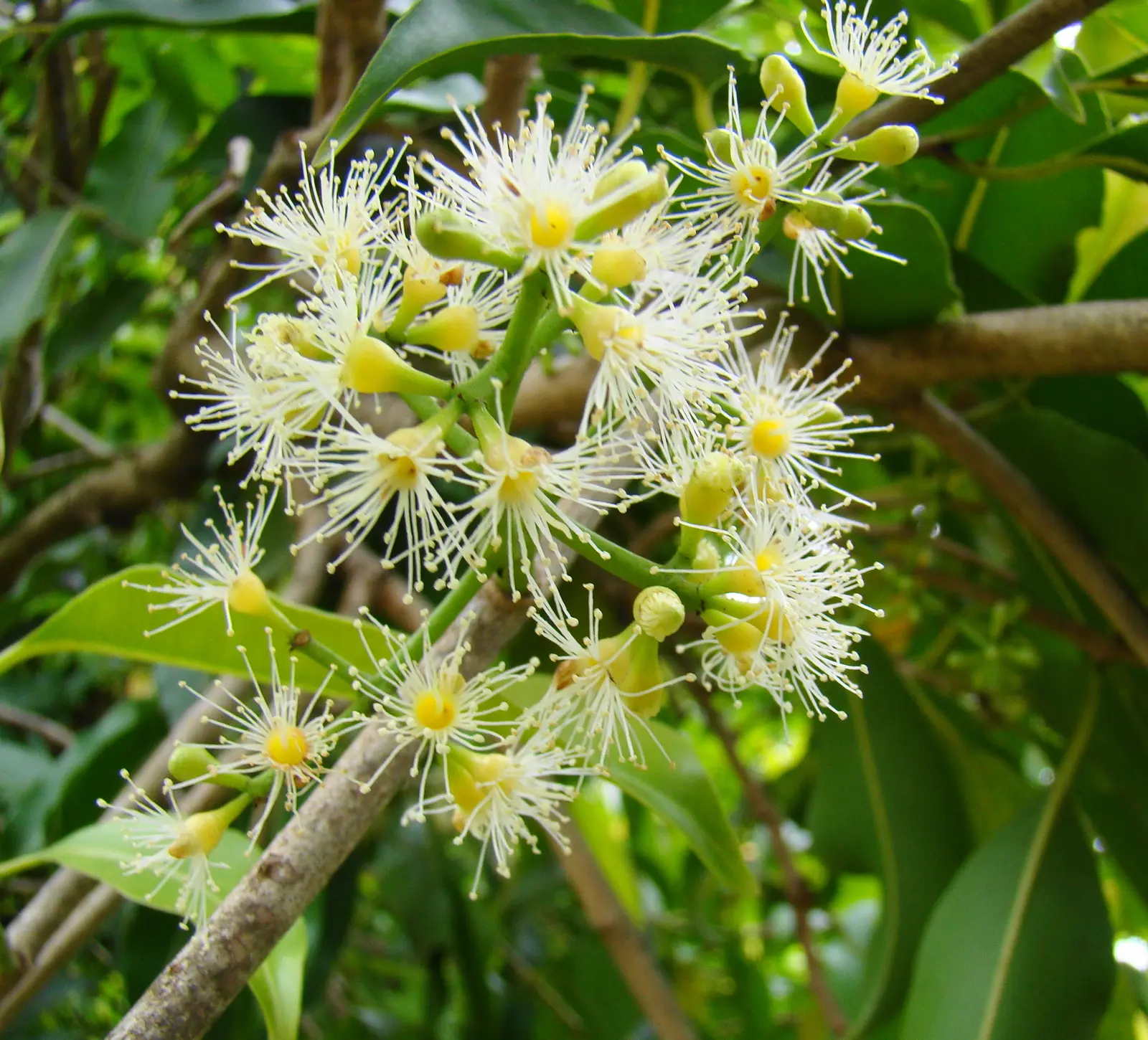
Jamun (Syzygium cumini), also widely known as Black Plum or Java Plum, is a majestic medium-sized to large evergreen tropical tree belonging to the Myrtaceae family. It typically attains impressive heights ranging from 10 to 30 meters, characterized by a dense, spreading canopy. The tree’s foliage consists of glossy, dark green leaves, arranged oppositely along the branches. These leaves are leathery in texture, exuding an aromatic scent when crushed, and are typically oval to elliptical in shape, measuring approximately 5 to 15 cm in length and 2 to 7 cm in width. The bark of the Jamun tree presents a distinctive appearance; it is relatively smooth and light gray or brownish when young, gradually becoming rougher, fissured, and darker brown or almost black with age, often peeling in flakes. During its flowering season, primarily from late spring to early summer, Syzygium cumini produces small, fragrant white to pinkish flowers.
These delicate blooms, about 1 to 2 cm in diameter, are clustered in axillary or terminal inflorescences, attracting a variety of pollinators. Following successful pollination, the tree yields its characteristic oblong to ovoid fruits, which ripen from green to a deep purple-black hue. These berries, measuring 1 to 2.5 cm in length, possess a unique sweet, tangy, and slightly astringent flavor profile, with a firm, juicy pulp encasing a single, often large, purple-black seed. Jamun is indigenous to the tropical and subtropical regions of the Indian subcontinent, encompassing countries like India, Sri Lanka, Bangladesh, and Pakistan. Its natural habitat extends across Southeast Asia and is now widely cultivated in various tropical climates globally, including parts of Africa, Australia, and the Americas. The tree demonstrates remarkable adaptability, thriving in a diverse range of soil types, from sandy loams to heavier clay loams, though it prefers well-drained conditions.
It flourishes in warm, humid climates with ample rainfall, often found in open woodlands, along riverbanks, and as a popular roadside tree. Historically, Syzygium cumini holds profound cultural and medicinal significance in South Asia. For millennia, it has been an integral component of traditional medicine systems such as Ayurveda, Unani, and Siddha. Its various parts—fruits, seeds, bark, and leaves—have been revered for their therapeutic properties, particularly noted for their role in managing metabolic disorders. Modern pharmacological research has increasing ...[CURRENT TEXT EXISTS: 2964 chars]
1.1.Jamun — Standout Qualities
- ✓Botanical Name — Syzygium cumini, also known as Black Plum or Java Plum.
- ✓Family — Myrtaceae.
- ✓Native Region — Indian subcontinent and Southeast Asia.
- ✓Tree Characteristics — Medium to large evergreen tree, 10-30 meters tall, with a dense canopy.
- ✓Leaves — Glossy, dark green, leathery, oval to elliptical, aromatic when crushed.
- ✓Flowers — Small, fragrant white to pinkish, clustered in inflorescences, blooming in late spring/early summer.
- ✓Fruits — Oblong to ovoid, ripening to dark purple-black, sweet, tangy, and astringent flavor.
- ✓Key Phytochemicals — Anthocyanins, tannins, flavonoids, phenolic acids, triterpenoids, glycosides.
- ✓Traditional Uses — Integral to Ayurveda, Unani, and Siddha for metabolic and digestive disorders.
- ✓Primary Medicinal Benefit — Potent antidiabetic and antihyperlipidemic effects.
- ✓Other Benefits — Antioxidant, anti-inflammatory, immune-boosting, cardioprotective, hepatoprotective.
- ✓Edible Parts — Ripe fruits are consumed fresh or processed; seeds, bark, and leaves used medicinally.
- ✓Cultivation — Prefers tropical/subtropical climates, well-drained soil, and full sun.
- ✓Safety Profile — Generally safe in moderation, but caution needed for diabetics, pregnant women, and those on specific medications.
- ✓SEO Value — High search interest for 'Jamun for diabetes', 'Jamun benefits', 'black plum health'.
1.2.Jamun — Snapshot Summary
- ✓Jamun (Syzygium cumini) is a tropical evergreen tree from the Myrtaceae family, native to the Indian subcontinent.
- ✓Renowned for its dark purple, sweet-tangy fruits and traditional medicinal uses in Ayurveda and Unani.
- ✓Highly valued for its significant antidiabetic, antioxidant, and anti-inflammatory properties.
- ✓Rich in bioactive compounds like anthocyanins, tannins, flavonoids, and glycosides.
- ✓Traditionally used for managing metabolic syndrome, diabetes, hyperlipidemia, and digestive issues.
- ✓Available in various forms, including fresh fruit, seed powder, bark decoctions, and extracts.
- ✓Requires careful use for individuals with diabetes or those on certain medications due to its potent effects.
- ✓Supports overall wellness, including immune, cardiovascular, and liver health.
2.Jamun — Systematic Position
3.Jamun — Quick Facts
4.Jamun — Plant Morphology
5.Jamun — Geographic Distribution
6.Jamun — Ethnobotanical Uses
7.Jamun — Secondary Metabolites
- ✓Anthocyanins — Delphinidin, malvidin, petunidin, and their glycosides are responsible for the fruit’s characteristic dark purple color and potent antioxidant activity. They contribute to the antidiabetic and cardioprotective effects.
- ✓Flavonoids — Quercetin, kaempferol, myricetin, and their derivatives are present, acting as powerful antioxidants and anti-inflammatory agents. They support vascular health and immune function.
- ✓Tannins — Gallic acid, ellagic acid, hydrolyzable tannins, and condensed tannins are abundant, particularly in the bark and seeds. These provide astringent, antimicrobial, and antidiabetic properties, also contributing to antioxidant defense.
- ✓Phenolic Acids — Gallic acid, ellagic acid, caffeic acid, and ferulic acid are significant contributors to Jamun’s antioxidant, anti-inflammatory, and anticarcinogenic activities.
- ✓Triterpenoids — Oleanolic acid, ursolic acid, and betulinic acid are found in various parts of the plant. These compounds exhibit anti-inflammatory, hepatoprotective, and potential antidiabetic effects.
- ✓Glycosides — Jamboline and jambosine, particularly from the seeds, are crucial for their hypoglycemic action by regulating carbohydrate metabolism and insulin secretion.
- ✓Volatile Oils — Present in the leaves and bark, contributing to the plant's aroma and possessing some antimicrobial properties.
- ✓Vitamins — Vitamin C (ascorbic acid) is present in the fruit, enhancing immune function and acting as an antioxidant. Trace amounts of B vitamins are also found.
- ✓Minerals — Iron, calcium, magnesium, phosphorus, and potassium are present, supporting various physiological functions, including blood formation, bone health, and electrolyte balance.
- ✓Alkaloids — While less prominent, some alkaloid compounds may contribute to its pharmacological profile, requiring further isolation and characterization.
- ✓Carotenoids — Beta-carotene and other carotenoids are present, contributing to antioxidant activity and acting as precursors to Vitamin A.
- ✓Saponins — These compounds have foaming properties and may contribute to cholesterol-lowering and immune-stimulating effects.
- ✓Fatty Acids — Found in the seeds, including linoleic acid and oleic acid, which are important for cellular function and overall health.
8.Jamun — Modern Studies
- ✓Antidiabetic Properties — Jamun is extensively studied for its potent antidiabetic effects, primarily attributed to compounds like jamboline and ellagic acid found in its seeds. These active constituents help regulate blood glucose levels by improving insulin sensitivity, inhibiting alpha-amylase and alpha-glucosidase enzymes, and stimulating insulin secretion, making it a valuable adjunct in managing Type 2 Diabetes Mellitus.
- ✓Antioxidant Activity — Rich in anthocyanins, flavonoids, and polyphenols, Syzygium cumini exhibits strong antioxidant capabilities. These compounds neutralize harmful free radicals, reducing oxidative stress throughout the body, which is a key factor in the development of chronic diseases and aging.
- ✓Anti-inflammatory Effects — The various phytochemicals present in Jamun, including tannins and triterpenoids, possess significant anti-inflammatory properties. They help to modulate inflammatory pathways, reducing systemic inflammation associated with conditions like arthritis, metabolic syndrome, and cardiovascular diseases.
- ✓Supports Digestive Health — The astringent nature of Jamun, particularly its bark and unripe fruit, is beneficial for digestive health. It can help firm stools, alleviate diarrhea, and soothe intestinal discomfort, while its fiber content supports regular bowel movements.
- ✓Boosts Immune System — Jamun is a good source of Vitamin C and other immune-modulating compounds. Regular consumption can enhance the body’s natural defense mechanisms, helping to ward off common infections and improve overall immune resilience.
- ✓Cardioprotective Benefits — The fruit's antioxidant and anti-inflammatory properties contribute to cardiovascular health. It helps improve lipid profiles by reducing LDL (bad) cholesterol and triglycerides, and its potassium content supports healthy blood pressure, thus lowering the risk of heart disease.
- ✓Hepatoprotective Action — Certain extracts from Jamun have shown protective effects on the liver. Its antioxidants help detoxify the liver and protect it from damage caused by toxins and oxidative stress, supporting overall liver function.
- ✓Antimicrobial Activity — Studies indicate that Jamun extracts, particularly from the seeds and bark, possess broad-spectrum antimicrobial properties against various bacteria and fungi. This traditional use is being explored for potential applications in treating infections.
- ✓Antihyperlipidemic Effects — Jamun helps in the management of high cholesterol and triglyceride levels. Its bioactive compounds interfere with lipid synthesis and absorption, contributing to better lipid metabolism and reducing the risk of atherosclerosis.
- ✓Weight Management Support — By improving insulin sensitivity and potentially influencing fat metabolism, Jamun can play a supportive role in weight management strategies. Its high fiber content also contributes to satiety, aiding in appetite control.
- ✓Oral Health Benefits — The astringent and antimicrobial properties of Jamun bark and fruit are traditionally used for oral hygiene. It helps strengthen gums, reduce bad breath, and combat oral bacteria, contributing to healthier teeth and gums.
- ✓Skin Health Enhancement — The antioxidant content in Jamun helps protect skin cells from damage caused by environmental stressors and free radicals, promoting a healthier complexion and potentially slowing signs of aging.
- ✓Anticarcinogenic Potential — Preliminary research suggests that certain compounds in Jamun may have anticarcinogenic properties, inhibiting the growth of cancer cells and inducing apoptosis. This area requires further in-depth investigation.
- ✓Kidney Stone Prevention — Traditional uses and some studies suggest Jamun may help prevent the formation of kidney stones due to its diuretic properties and ability to regulate certain urinary parameters.
- ✓Anti-anemic Properties — Jamun fruit is a source of iron and Vitamin C, which is crucial for iron absorption. Regular consumption can help improve hemoglobin levels and combat symptoms of anemia, especially iron-deficiency anemia.
- ✓Wound Healing — The astringent and antimicrobial qualities of Jamun extracts can promote faster wound healing. It helps to cleanse wounds, reduce infection risk, and encourage tissue regeneration.
8.1.Jamun — Indications & Uses
9.Jamun — Adverse Effects
9.1.Jamun — Side Effects & Warnings
- ✓Hypoglycemia — Excessive consumption, especially of seed powder, can significantly lower blood sugar levels, particularly in individuals on antidiabetic medications.
- ✓Constipation — The astringent properties of unripe fruit or high doses of bark/seed powder can lead to constipation in some individuals.
- ✓Allergic Reactions — Rare instances of allergic reactions, such as skin rashes, itching, or swelling, have been reported in sensitive individuals.
- ✓Digestive Upset — In some cases, consuming large quantities of Jamun fruit, especially on an empty stomach, may cause stomach discomfort, acidity, or nausea.
- ✓Blood Pressure Fluctuations — While generally beneficial for blood pressure, extremely high doses may interact with antihypertensive medications.
- ✓Kidney Issues — Individuals with pre-existing kidney conditions should exercise caution, as high intake of certain plant compounds might exacerbate issues.
- ✓Drug Interactions — Potential interactions with blood-thinning medications, as some compounds might affect blood clotting.
- ✓Tannin Sensitivity — High tannin content might cause irritation in individuals sensitive to tannins, leading to mouth dryness or digestive issues.
- ✓Tooth Staining — The dark pigment of the fruit can temporarily stain teeth and tongue.
9.2.Jamun — Clinical Safety Notes
- ✓Pregnancy and Lactation — Insufficient research exists regarding its safety during pregnancy and breastfeeding; therefore, it is best avoided or used with caution under medical supervision.
- ✓Children — While the fruit is generally safe for children in moderation, medicinal preparations like seed powder should be given under expert guidance.
- ✓Diabetes Management — Individuals with diabetes should monitor blood glucose levels closely when consuming Jamun, especially if on medication, to avoid hypoglycemia.
- ✓Before Surgery — Discontinue Jamun consumption at least two weeks prior to any scheduled surgery due to its potential effects on blood sugar and blood clotting.
- ✓Kidney or Liver Conditions — Individuals with pre-existing kidney or liver diseases should consult a healthcare professional before using Jamun medicinally.
- ✓Allergic Individuals — People with known allergies to Myrtaceae family plants or any of Jamun's constituents should avoid its use.
- ✓Empty Stomach Consumption — Avoid consuming large amounts of Jamun fruit on an empty stomach, as it may cause acidity or digestive discomfort.
- ✓Moderation is Key — As with any medicinal plant, moderation and adherence to recommended dosages are crucial to avoid potential adverse effects.
- ✓Quality and Source — Ensure that Jamun products, especially powders and extracts, are sourced from reputable suppliers to guarantee purity and prevent contamination.
- ✓Consult a Professional — Always consult a qualified medical herbalist or healthcare provider before using Jamun for medicinal purposes, particularly if you have underlying health conditions or are on other medications.
10.Jamun — Preparation & Dosage
- ✓Fresh Fruit Consumption — Ripe Jamun fruits can be eaten fresh, providing a sweet, tangy, and astringent taste. Wash thoroughly before consumption.
- ✓Juice Extraction — The pulp of ripe Jamun fruits can be juiced, offering a refreshing and nutrient-rich beverage. It can be consumed plain or mixed with other fruit juices.
- ✓Seed Powder — Dried Jamun seeds are ground into a fine powder, which is a popular traditional remedy for diabetes. Typically, 1-2 teaspoons are taken with water once or twice daily.
- ✓Bark Decoction — The bark is boiled in water to create a decoction, traditionally used for its astringent properties to treat diarrhea, dysentery, and oral health issues.
- ✓Leaf Infusion — Fresh Jamun leaves can be steeped in hot water to make an herbal infusion, which is sometimes used for its anti-inflammatory and digestive benefits.
- ✓Fruit Vinegar — Jamun fruit can be fermented to produce vinegar, which is believed to aid digestion and support metabolic health.
- ✓Herbal Tea — Dried fruit pieces or powdered seeds can be brewed into a healthful herbal tea.
- ✓Culinary Uses — Jamun fruits are incorporated into various culinary preparations, including jams, jellies, sauces, and desserts, adding a unique flavor and color.
- ✓Topical Application — Crushed leaves or bark paste can be applied topically to minor wounds or skin conditions due to their astringent and antimicrobial properties.
- ✓Extract Formulations — Standardized extracts of Jamun fruit, seeds, or bark are available in capsule or tablet form for concentrated medicinal use.
- ✓Mouthwash — A decoction of Jamun bark or leaves can be used as a natural mouthwash to promote oral hygiene and alleviate gum problems.
- ✓Fruit Syrups — The fruit pulp can be processed into syrups, often used as a base for medicinal preparations or as a flavoring.
11.Jamun — Growing Guide
- ✓Propagation — Primarily propagated from seeds, which should be fresh as viability decreases rapidly; grafting and budding are also used for desired varieties.
- ✓Climate Requirements — Thrives in tropical and subtropical climates, requiring warm temperatures (20-35°C) and adequate rainfall (1000-2500 mm annually), with a distinct dry season for flowering.
- ✓Soil Preference — Adaptable to a wide range of soils, but prefers deep, well-drained, fertile loams with a pH between 6.0 and 7.5.
- ✓Sunlight Exposure — Requires full sun exposure for optimal growth and fruit production; young plants may benefit from partial shade initially.
- ✓Watering — Young trees need regular watering to establish; mature trees are drought-tolerant but benefit from irrigation during prolonged dry spells, especially during fruit development.
- ✓Fertilization — Apply balanced organic fertilizers or compost annually, particularly before flowering and fruiting, to support vigorous growth and yield.
- ✓Pruning — Light pruning is recommended to shape the tree, remove dead or diseased branches, and improve air circulation within the canopy.
- ✓Pest and Disease Management — Generally hardy, but susceptible to fruit flies, scale insects, and occasional fungal diseases; employ integrated pest management strategies.
- ✓Harvesting — Fruits ripen from May to July; they are hand-picked when they turn dark purple or black, indicating full maturity and peak flavor.
- ✓Spacing — Plant trees at a spacing of 8-10 meters apart to allow for mature canopy development and easy access for harvesting and maintenance.
- ✓Site Selection — Choose a location away from structures or power lines due to the tree's large size and extensive root system.
- ✓Seedling Care — Protect young seedlings from extreme cold, strong winds, and excessive moisture to ensure successful establishment.
Reviewed by the Flora Medical Global Botanical Review Panel
Multi-disciplinary editorial group · Botany · Ethnobotany · Herbal-medicine literature
Who reviewed this: This page was checked by the Flora Medical Global Botanical Review Panel — an in-house editorial group of botany graduates, ethnobotany researchers, and horticulture practitioners who collectively maintain our 7,000+ plant encyclopedia. Meet the team.
Our 4-step verification process
1. Taxonomic verification
Scientific names and synonyms cross-checked against Kew POWO, World Flora Online, and The Plant List.
2. Phytochemical & medicinal cross-reference
Active compounds, traditional uses, and reported activities are cross-referenced with PubMed, USDA Dr. Duke's database, and peer-reviewed ethnobotanical literature.
3. Conservation & distribution check
Distribution, ecology, and conservation status confirmed against GBIF occurrence records and the IUCN Red List.
4. Editorial & safety review
Every entry passes an editorial pass for clarity, originality, and safety notices (toxicity, contraindications, dosage caveats) before publication.
Last reviewed:
Important medical disclaimer: This content is for educational and research purposes only. It is not medical advice and is not a substitute for consultation with a licensed healthcare provider. Do not use any herb to self-treat a medical condition without professional guidance.
Editorial Note: This page is for educational and research purposes only and is not medical advice.
Written by: Flora Medical Global Editorial Team
Reviewed by: Flora Medical Global Botanical Review Panel
Last Updated: June 15, 2026





Jamun — Comments & Community Reviews
Rate this plant