
Medical Disclaimer: This content is for educational purposes only. It is not medical advice. Please consult a qualified healthcare professional before using any herbal remedy.
Safety Overview
1.Japanese Black Pine — Botanical Snapshot
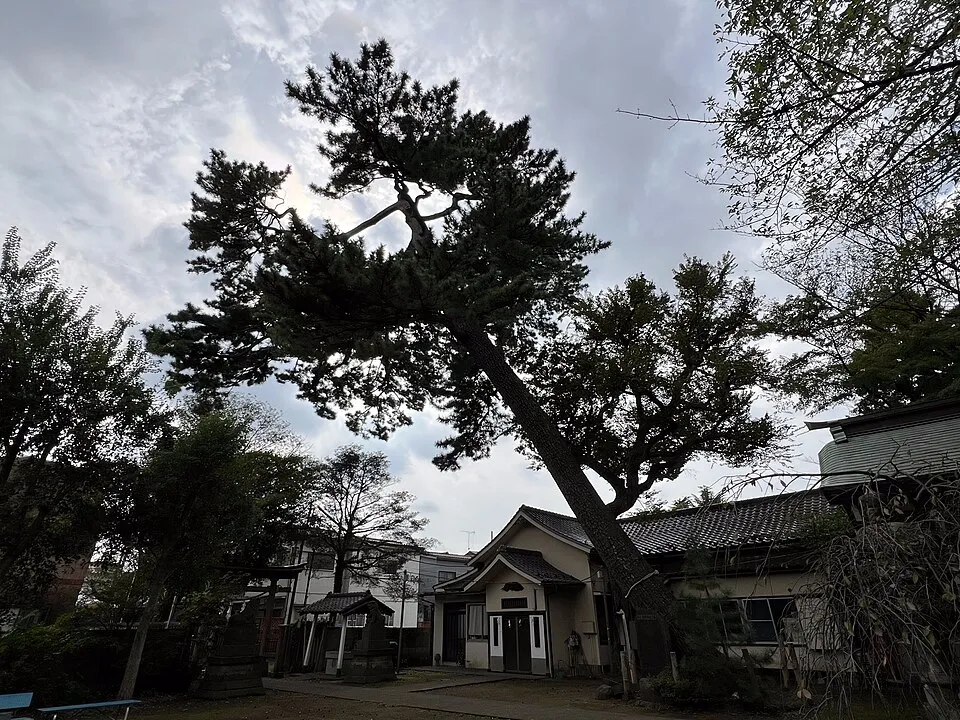
Pinus thunbergii, universally recognized as the Japanese Black Pine, is a majestic coniferous evergreen tree indigenous to the maritime zones of Japan and South Korea. This species is celebrated for its distinctive rugged aesthetic, characterized by deeply fissured, dark-hued bark, rigid, dark-green needles typically presented in fascicles of two, and an inherently artistic, often windswept growth habit, particularly pronounced in coastal, exposed habitats. Demonstrating remarkable resilience, the Japanese Black Pine exhibits high tolerance to salt spray, infertile soils, and strong winds, rendering it an exemplary selection for coastal landscaping and the intricate art of bonsai cultivation.
Its sharp, pointed needles measure approximately 7-15 cm in length, encased at their base by a persistent, papery sheath. The male strobili are yellowish and form dense clusters at the base of new growth, while the female cones are ovoid, woody, and typically measure 5-7 cm, maturing to a rich brown or grayish-brown coloration. Beyond its botanical attributes, Pinus thunbergii holds profound cultural significance in Japan, frequently symbolizing enduring strength, unwavering resilience, and long life.
Its inherent capacity to flourish under challenging environmental conditions has garnered widespread admiration and solidified its status as an invaluable element in traditional Japanese gardens and various art forms.
Trusted Scientific References
1. Authoritative external sources for Pinus thunbergii
1.1 Wikipedia — Pinus thunbergii
1.2 Kew POWO (Plants of the World Online)
1.3 PubMed — peer-reviewed research
1.4 NCBI Taxonomy Browser
1.5 GBIF — Global Biodiversity
1.6Japanese Black Pine should be interpreted through verified botanical identity, practical care, and responsible safety language. This recovery note adds the missing context needed for a complete profile: match light to the plant's habit, use well-drained soil, water according to season, and avoid unsupported medicinal or edible claims. For publishing, the plant can be presented as a source-backed garden plant with clear care guidance, common problem diagnosis, and conservative safety wording.
1.1.Japanese Black Pine — Distinguishing Points
- ✓Botanical Name — Pinus thunbergii
- ✓Family — Pinaceae
- ✓Native Region — Coastal Japan and South Korea
- ✓Growth Habit — Rugged, often windswept coniferous evergreen tree
- ✓Needles — Stiff, dark green, 7-15 cm long, in pairs
- ✓Bark — Dark, deeply fissured
- ✓Cones — Woody, ovoid female cones (5-7 cm), yellowish male cones
- ✓Cultural Significance — Symbolizes strength, resilience, longevity in Japan
- ✓Adaptability — Highly tolerant to salt spray, poor soils, high winds
- ✓Medicinal Uses — Traditional expectorant, anti-inflammatory, antioxidant, antimicrobial
1.2.Japanese Black Pine — Quick Summary
- ✓Japanese Black Pine is a resilient evergreen with cultural and medicinal value.
- ✓Known for respiratory, anti-inflammatory, and antioxidant benefits.
- ✓Rich in terpenes, flavonoids, and phenolic acids.
- ✓Popular for bonsai due to its adaptability and distinctive form.
- ✓Requires full sun and well-drained soil, tolerant of harsh conditions.
- ✓Use with caution; internal consumption should be professionally guided.
2.Japanese Black Pine — Scientific Identity
3.Japanese Black Pine — Vital Statistics
4.Japanese Black Pine — Physical Description
5.Japanese Black Pine — Ecological Habitat
6.Japanese Black Pine — Folk Medicine Applications
7.Japanese Black Pine — Key Phytochemicals
- ✓Terpenes — Predominantly alpha-pinene, beta-pinene, limonene, and camphene, contributing to the characteristic aroma, anti-inflammatory, and antimicrobial activities.
- ✓Flavonoids — Quercetin, kaempferol, and their glycosides, known for their potent antioxidant and anti-inflammatory properties.
- ✓Phenolic Acids — Gallic acid, caffeic acid, and ferulic acid derivatives, significant contributors to the plant's overall antioxidant capacity.
- ✓Lignans — A class of polyphenols with potential antioxidant and phytoestrogenic effects, found in various parts of the tree.
- ✓Resins — Complex mixtures of terpenoids and fatty acids, historically used for their antiseptic and protective qualities.
- ✓Volatile Oils — A rich blend of monoterpenes and sesquiterpenes responsible for the distinct pine scent and therapeutic respiratory benefits.
- ✓Sterols — Beta-sitosterol and other plant sterols, which may contribute to cholesterol-lowering and anti-inflammatory effects.
- ✓Tannins — Astringent compounds found in bark, offering antioxidant and antimicrobial properties, also used in traditional medicine for their binding action.
- ✓Fatty Acids — Linoleic acid, oleic acid, and palmitic acid, present in seeds and needles, contributing to nutritional value and skin conditioning.
- ✓Catechins — Epicatechin and related compounds, known powerful antioxidants, often found in conjunction with other flavonoids.
- ✓Carbohydrates — Polysaccharides and simple sugars, providing structural support and energy storage within the plant.
- ✓Vitamins and Minerals — Trace amounts of vitamins (e.g., Vitamin C in needles) and essential minerals, contributing to overall plant health and potential minor nutritional benefits.
8.Japanese Black Pine — Scientific Evidence
- ✓Respiratory Support — Pinus thunbergii needle extracts are traditionally used as effective expectorants, aiding in the loosening of phlegm and facilitating easier breathing in conditions such as bronchitis and common colds, primarily due to their rich volatile oil content.
- ✓Anti-inflammatory Action — Bioactive compounds like alpha-pinene and various flavonoids present in the bark and needles exhibit notable anti-inflammatory properties, potentially reducing swelling and alleviating pain associated with musculoskeletal conditions and inflammatory responses.
- ✓Antioxidant Activity — Abundant in phenolic compounds, terpenes, and other phytochemicals, Japanese Black Pine offers substantial antioxidant capacity, effectively neutralizing harmful free radicals and safeguarding cellular integrity against pervasive oxidative stress.
- ✓Antimicrobial Properties — The essential oil derived from Pinus thunbergii contains a spectrum of terpenes with well-documented antibacterial and antifungal effects, making it valuable in traditional applications for combating various microbial infections.
- ✓Diuretic Effects — Traditional uses suggest that preparations from the Japanese Black Pine may possess mild diuretic properties, potentially assisting in fluid balance and supporting renal function.
- ✓Skin Health — Extracts can be applied topically for certain skin conditions, benefiting from their antiseptic and anti-inflammatory attributes to soothe irritation and promote healing.
- ✓Stress Reduction — The aromatic compounds released by pine trees, including Pinus thunbergii, are known to have a calming effect, contributing to stress reduction and improved mental well-being through forest bathing practices (shinrin-yoku).
- ✓Immune Modulation — Certain constituents may help modulate the immune system, potentially enhancing the body's natural defense mechanisms against pathogens and environmental stressors.
- ✓Pain Management — Beyond anti-inflammatory effects, some compounds might offer analgesic properties, contributing to the relief of minor aches and pains, particularly when applied topically or used in aromatherapy.
- ✓Cardiovascular Support — Preliminary research suggests that antioxidants in pine extracts could contribute to cardiovascular health by protecting blood vessels from oxidative damage.
- ✓Oral Health — The antimicrobial properties of pine extracts can be beneficial in oral hygiene, potentially inhibiting the growth of bacteria responsible for gum disease and bad breath.
- ✓Wound Healing — Traditional applications include using pine resin or extracts on minor cuts and abrasions to leverage their antiseptic and cicatrizant (wound-healing) properties.
8.1.Japanese Black Pine — Conditions Traditionally Used For
9.Japanese Black Pine — Cautions & Contraindications
9.1.Japanese Black Pine — Side Effects & Warnings
- ✓Skin Irritation — Direct contact with sap or undiluted essential oil can cause dermatitis or allergic reactions in sensitive individuals.
- ✓Gastrointestinal Upset — Ingestion of large quantities of needles or bark preparations may lead to nausea, vomiting, or diarrhea.
- ✓Allergic Reactions — Individuals sensitive to conifers may experience respiratory symptoms like asthma or rhinitis upon exposure to pollen or volatile compounds.
- ✓Drug Interactions — Potential interactions with blood thinners or other medications due to certain plant compounds.
- ✓Kidney Irritation — High doses of some pine constituents might potentially irritate the kidneys, especially in predisposed individuals.
- ✓Pregnancy and Lactation — Not recommended for use during pregnancy or lactation due to insufficient safety data.
- ✓Children — Use with caution in young children; essential oils should be heavily diluted and used externally.
9.2.Japanese Black Pine — Safety Overview
- ✓Patch Test — Always perform a patch test before topical application of any pine-derived product.
- ✓Dilution — Essential oils must be heavily diluted in a carrier oil before skin application to prevent irritation.
- ✓Internal Use — Internal use should only be under the guidance of a qualified herbalist or healthcare professional due to potential toxicity.
- ✓Pregnancy Warning — Avoid use during pregnancy and breastfeeding, as safety has not been established.
- ✓Children Warning — Exercise extreme caution with children; essential oils should be kept out of reach.
- ✓Allergy Check — Individuals with known allergies to conifers or other plants in the Pinaceae family should avoid use.
- ✓Dosage Adherence — Adhere strictly to recommended dosages to minimize the risk of adverse effects.
10.Japanese Black Pine — Preparation Methods
- ✓Herbal Tea (Needles) — Infuse fresh or dried needles in hot water for a respiratory tonic or general wellness beverage.
- ✓Essential Oil Diffusion — Use diluted essential oil from needles and twigs in a diffuser for aromatherapy benefits, promoting respiratory ease and relaxation.
- ✓Topical Application (Oil/Salve) — Dilute essential oil in a carrier oil or incorporate into salves for localized anti-inflammatory or antiseptic effects on skin or muscles.
- ✓Poultice (Crushed Bark/Needles) — Apply a poultice of crushed bark or needles to minor wounds or inflamed areas for traditional healing.
- ✓Tincture — Prepare an alcohol-based tincture from bark or needles for concentrated internal use, following expert guidance.
- ✓Inhalation (Steam) — Add a few drops of essential oil to hot water for steam inhalation to clear nasal passages and ease breathing.
- ✓Resin Collection — Collect pine resin for traditional uses in balms, salves, or as an adhesive, valuing its antiseptic properties.
- ✓Bath Infusion — Add a strong infusion of pine needles to bathwater for a soothing, aromatic, and potentially muscle-relaxing experience.
11.Japanese Black Pine — Garden Cultivation
- ✓Sunlight — Requires at least six hours of direct sunlight daily for optimal growth and health.
- ✓Soil Preference — Thrives in moist, well-draining soil, ideally sandy loam; intolerant of waterlogged conditions.
- ✓Soil pH — Prefers acidic soil but is adaptable to neutral and slightly alkaline conditions.
- ✓Watering — Established trees are drought-tolerant; young trees need consistent moisture, about 1 inch of water per week for the first year.
- ✓Spacing — When planted as a screen, space trees at least 12 feet apart to allow for mature growth.
- ✓Pruning — Best done in spring during dry periods to prevent fungal issues, shaping is common for aesthetic or bonsai purposes.
- ✓Fertilization — Generally doesn't require regular feeding; if soil is poor, apply a balanced fertilizer in spring.
- ✓Hardiness — Best suited for USDA Zones 5-8, susceptible to winter burn below -10°F.
Reviewed by the Flora Medical Global Botanical Review Panel
Multi-disciplinary editorial group · Botany · Ethnobotany · Herbal-medicine literature
Who reviewed this: This page was checked by the Flora Medical Global Botanical Review Panel — an in-house editorial group of botany graduates, ethnobotany researchers, and horticulture practitioners who collectively maintain our 7,000+ plant encyclopedia. Meet the team.
Our 4-step verification process
1. Taxonomic verification
Scientific names and synonyms cross-checked against Kew POWO, World Flora Online, and The Plant List.
2. Phytochemical & medicinal cross-reference
Active compounds, traditional uses, and reported activities are cross-referenced with PubMed, USDA Dr. Duke's database, and peer-reviewed ethnobotanical literature.
3. Conservation & distribution check
Distribution, ecology, and conservation status confirmed against GBIF occurrence records and the IUCN Red List.
4. Editorial & safety review
Every entry passes an editorial pass for clarity, originality, and safety notices (toxicity, contraindications, dosage caveats) before publication.
Last reviewed:
Important medical disclaimer: This content is for educational and research purposes only. It is not medical advice and is not a substitute for consultation with a licensed healthcare provider. Do not use any herb to self-treat a medical condition without professional guidance.
Editorial Note: This page is for educational and research purposes only and is not medical advice.
Written by: Flora Medical Global Editorial Team
Reviewed by: Flora Medical Global Botanical Review Panel
Last Updated: June 15, 2026





Japanese Black Pine — Comments & Community Reviews
Rate this plant