


Medical Disclaimer: This content is for educational purposes only. It is not medical advice. Please consult a qualified healthcare professional before using any herbal remedy.
Safety Overview
1.Japanese Lilac — Essential Profile
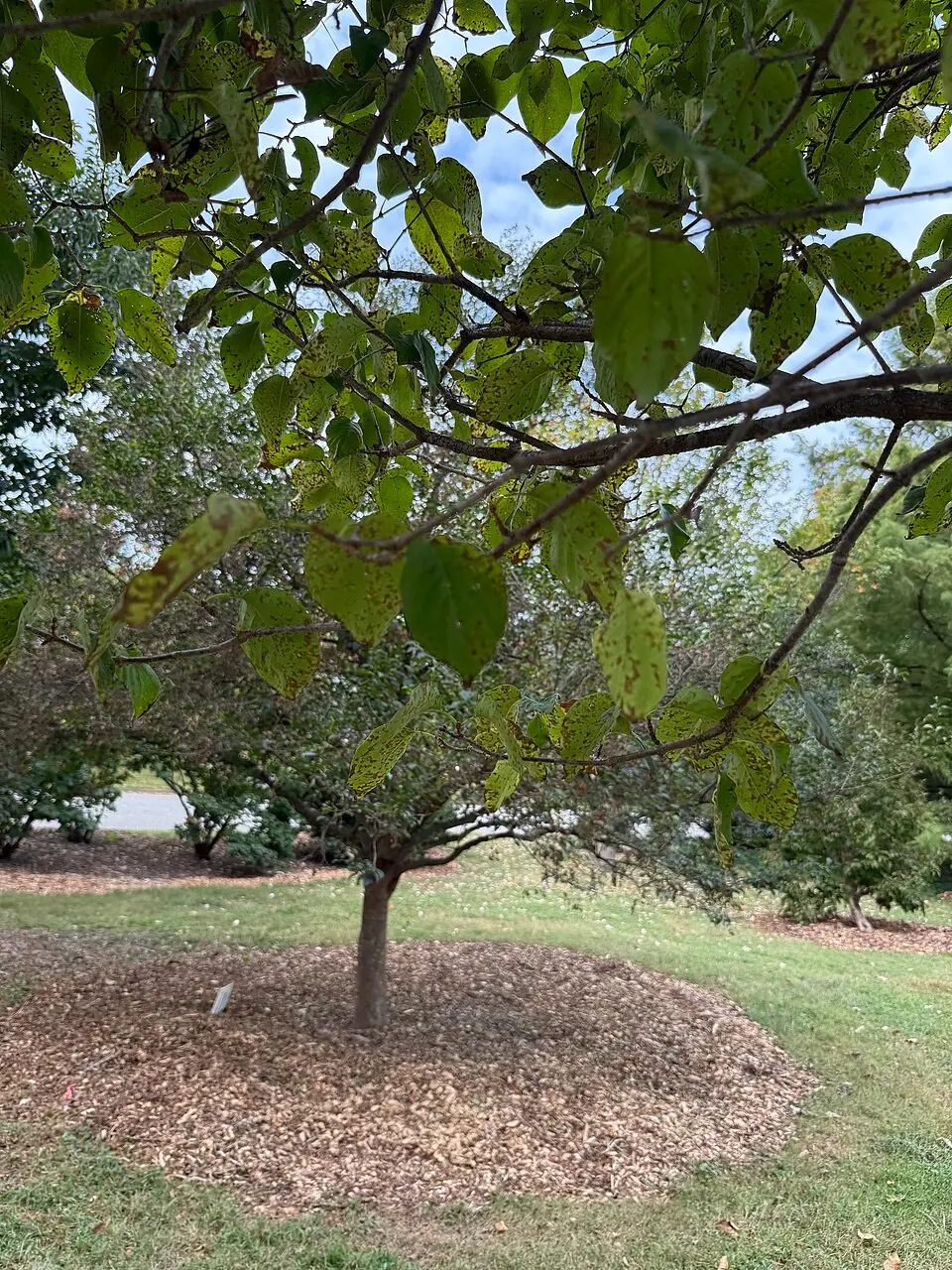
The Japanese Lilac, scientifically known as Syringa reticulata, is a distinguished deciduous tree native to the temperate regions of East Asia, encompassing northern Japan, Korea, northeastern China, and parts of the Russian Far East. Unlike its more shrub-like relatives in the Syringa genus, S. reticulata develops into a sturdy, small to medium-sized tree, typically reaching heights of 6 to 9 meters (20 to 30 feet) with a spread of 4.5 to 7.5 meters (15 to 25 feet). Its mature form boasts an attractive oval to rounded crown, providing excellent shade and ornamental value.
A notable feature is its distinctive reddish-brown bark, which exfoliates in thin, papery strips, adding significant visual interest, particularly during the dormant winter months. The foliage consists of dark green, ovate leaves that maintain their vibrant hue throughout the growing season. However, the tree's most captivating characteristic is the profusion of creamy white, highly fragrant flowers. These blooms emerge in large, showy panicles, often up to 30 cm (1 foot) long, in late spring to early summer, extending the lilac blooming season well after other species have faded.
These nectar-rich flowers are a magnet for various pollinators, including bees and butterflies. Following the floral display, persistent brown seed capsules develop, offering continued aesthetic appeal into the colder months. Syringa reticulata is highly esteemed for its exceptional hardiness, remarkable disease resistance, and adaptability to challenging urban environments, making it a superior choice for street plantings, park landscapes, and as a striking specimen tree in larger garden settings.
Trusted Scientific References
1. Authoritative external sources for Syringa reticulata
1.1 Wikipedia — Syringa reticulata
1.2 Kew POWO (Plants of the World Online)
1.3 PubMed — peer-reviewed research
1.4 NCBI Taxonomy Browser
1.5 GBIF — Global Biodiversity
1.6Japanese Lilac should be interpreted through verified botanical identity, practical care, and responsible safety language. This recovery note adds the missing context needed for a complete profile: match light to the plant's habit, use well-drained soil, water according to season, and avoid unsupported medicinal or edible claims. For publishing, the plant can be presented as a source-backed garden plant with clear care guidance, common problem diagnosis, and conservative safety wording.
1.1.Japanese Lilac — Notable Characteristics
- ✓Species Name — Syringa reticulata
- ✓Common Name — Japanese Lilac, Tree Lilac
- ✓Family — Oleaceae (Olive Family)
- ✓Native Range — East Asia (Japan, Korea, China, Russian Far East)
- ✓Mature Size — 20-30 ft tall, 15-25 ft wide
- ✓Bloom Time — Late spring to early summer
- ✓Flower Color — Creamy white, fragrant panicles
- ✓Bark — Reddish-brown, exfoliating, papery strips
- ✓Hardiness Zones — USDA Zones 3-7
- ✓Key Use — Ornamental, street tree, specimen tree
1.2.Japanese Lilac — Quick Summary
- ✓Hardy, deciduous tree with attractive exfoliating bark and fragrant white flowers.
- ✓Blooms in late spring to early summer, extending the lilac season.
- ✓Highly adaptable, disease-resistant, and low-maintenance.
- ✓Excellent for urban environments, street plantings, and as a specimen.
- ✓Provides significant ornamental value, shade, and supports pollinators.
- ✓Not typically used for medicinal purposes; primarily an ornamental species.
2.Japanese Lilac — Botanical Identity
3.Japanese Lilac — Vital Statistics
4.Japanese Lilac — Botanical Features
5.Japanese Lilac — Native Range & Habitat
6.Japanese Lilac — Heritage Uses
7.Japanese Lilac — Chemical Profile
- ✓Phenolic Compounds — Includes a range of polyphenols, such as flavonoids and phenolic acids, which often possess antioxidant properties.
- ✓Iridoid Glycosides — These monoterpenoid compounds are common in the Oleaceae family and can contribute to bitter taste and defense mechanisms.
- ✓Volatile Organic Compounds (VOCs) — Responsible for the characteristic fragrance of the flowers, often including terpenes and esters.
- ✓Lignans — Present in the wood and bark, these compounds can have antioxidant and anti-inflammatory properties.
- ✓Coumarins — Found in various plant parts, they can exhibit anticoagulant, antimicrobial, and anti-inflammatory effects.
- ✓Tannins — Astringent compounds present in bark and leaves, contributing to plant defense and potentially having medicinal properties.
- ✓Saponins — Glycosides that can have foaming properties and may exhibit adaptogenic or immunomodulatory effects.
- ✓Steroids — Plant sterols are present, contributing to structural integrity and potentially having some biological activity.
- ✓Fatty Acids — Essential components of cell membranes and energy storage, found in seeds and other plant tissues.
- ✓Carbohydrates — Structural and energy storage molecules like cellulose, starch, and various sugars are present throughout the plant.
8.Japanese Lilac — Scientific Evidence
- ✓Ornamental Value — Enhances aesthetic appeal of landscapes and urban environments, promoting psychological well-being through beauty.
- ✓Attracts Pollinators — Its abundant, fragrant flowers attract bees, butterflies, and hummingbirds, supporting local ecosystems.
- ✓Air Purification — Like most trees, it contributes to air quality improvement by absorbing carbon dioxide and releasing oxygen.
- ✓Shade Provision — Its mature canopy offers significant shade, reducing heat island effects and providing comfort in warmer climates.
- ✓Soil Stabilization — The root system helps anchor soil, reducing erosion in sloped or vulnerable areas.
- ✓Low Maintenance — Its inherent hardiness and disease resistance minimize the need for chemical treatments, making it an environmentally friendly choice.
- ✓Winter Interest — Exfoliating bark and persistent seed capsules provide visual appeal during the dormant season.
- ✓Urban Adaptability — Tolerates pollution and various soil conditions, making it suitable for challenging city landscapes.
- ✓Biodiversity Support — Provides habitat and food sources for various insect species and birds, especially with its seed capsules.
8.1.Japanese Lilac — Reported Uses
9.Japanese Lilac — Safety Considerations
9.1.Japanese Lilac — Warnings
- ✓Allergic Reactions — Pollen may cause mild allergic rhinitis or asthma symptoms in sensitive individuals.
- ✓Skin Irritation — Direct contact with sap or plant parts is generally not known to cause irritation, but individual sensitivities vary.
- ✓Toxicity (Low) — While not considered highly toxic, ingestion of large quantities of plant material is not recommended.
- ✓Gastrointestinal Upset — Accidental ingestion might lead to mild stomach discomfort in pets or children.
- ✓Competition with Natives — In non-native regions, aggressive growth could potentially outcompete local flora if allowed to naturalize.
- ✓Overly Sweet Scent — Some individuals find the strong, sweet floral scent to be overwhelming or unpleasant, particularly in enclosed spaces.
9.2.Japanese Lilac — Safety Overview
- ✓Non-Toxic (Ornamental) — Primarily valued as an ornamental plant, not known for significant human toxicity.
- ✓Low Allergenicity — Pollen can be a mild allergen for some, but generally less potent than many other flowering trees.
- ✓Pet Safety — Generally considered safe for pets; however, ingestion of any plant material in large quantities is discouraged.
- ✓Environmental Impact — Minimal negative environmental impact when planted responsibly; supports local wildlife.
- ✓Handling — No specific precautions needed for handling, though standard gardening gloves are advisable for pruning.
- ✓Children — No known severe toxicity risks for children, but supervision is always prudent to prevent ingestion.
- ✓Medicinal Use — No traditional or modern internal medicinal uses are widely documented or recommended for this species.
10.Japanese Lilac — Preparation Methods
- ✓Ornamental Planting — Widely used as a specimen tree, street tree, or in park plantings for its aesthetic appeal.
- ✓Shade Tree — Planted for its dense canopy to provide shade in gardens, patios, and public spaces.
- ✓Pollinator Garden — Incorporate into gardens designed to attract bees, butterflies, and other beneficial insects.
- ✓Erosion Control — Utilize in areas prone to soil erosion due to its robust root system.
- ✓Winter Interest — Plant where its exfoliating bark and persistent seed capsules can be appreciated during colder months.
- ✓Urban Landscaping — Excellent choice for urban environments due to its tolerance of pollution and various soil conditions.
- ✓Windbreak — Can be used in rows to create a natural windbreak, protecting more delicate plants.
- ✓Educational Gardens — Suitable for botanical gardens or educational settings to showcase diverse tree species.
11.Japanese Lilac — Garden Cultivation
- ✓Site Selection — Plant in full sun (at least 6 hours daily) for optimal flowering and growth.
- ✓Soil Requirements — Prefers well-drained soil; tolerates clay, loam, and sand, but amend heavy clay with compost.
- ✓PH Preference — Adaptable to a range of soil pH, from slightly acidic to neutral.
- ✓Watering — Water deeply and regularly during establishment; mature trees are drought-tolerant but benefit from occasional watering during dry spells.
- ✓Fertilization — Apply a balanced, slow-release fertilizer in early spring, especially if soil fertility is low.
- ✓Pruning — Prune in late winter or early spring to shape, remove dead/damaged branches, and encourage a strong central leader for tree form.
- ✓Pest and Disease Management — Highly resistant to most pests and diseases, including powdery mildew, requiring minimal intervention.
- ✓Propagation — Can be propagated from seeds (requiring stratification) or semi-hardwood cuttings taken in late spring to early summer.
Reviewed by the Flora Medical Global Botanical Review Panel
Multi-disciplinary editorial group · Botany · Ethnobotany · Herbal-medicine literature
Who reviewed this: This page was checked by the Flora Medical Global Botanical Review Panel — an in-house editorial group of botany graduates, ethnobotany researchers, and horticulture practitioners who collectively maintain our 7,000+ plant encyclopedia. Meet the team.
Our 4-step verification process
1. Taxonomic verification
Scientific names and synonyms cross-checked against Kew POWO, World Flora Online, and The Plant List.
2. Phytochemical & medicinal cross-reference
Active compounds, traditional uses, and reported activities are cross-referenced with PubMed, USDA Dr. Duke's database, and peer-reviewed ethnobotanical literature.
3. Conservation & distribution check
Distribution, ecology, and conservation status confirmed against GBIF occurrence records and the IUCN Red List.
4. Editorial & safety review
Every entry passes an editorial pass for clarity, originality, and safety notices (toxicity, contraindications, dosage caveats) before publication.
Last reviewed:
Important medical disclaimer: This content is for educational and research purposes only. It is not medical advice and is not a substitute for consultation with a licensed healthcare provider. Do not use any herb to self-treat a medical condition without professional guidance.
Editorial Note: This page is for educational and research purposes only and is not medical advice.
Written by: Flora Medical Global Editorial Team
Reviewed by: Flora Medical Global Botanical Review Panel
Last Updated: June 15, 2026





Japanese Lilac — Comments & Community Reviews
Rate this plant