
Medical Disclaimer: This content is for educational purposes only. It is not medical advice. Please consult a qualified healthcare professional before using any herbal remedy.
Safety Overview
1.Japanese Pagoda Tree — Botanical Snapshot
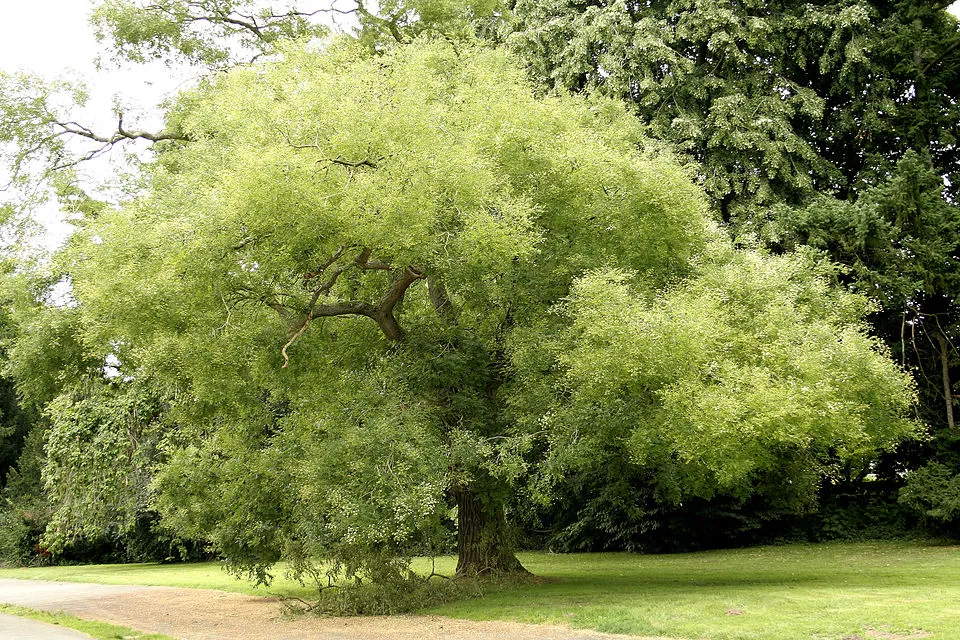
The Japanese Pagoda Tree, scientifically known as Styphnolobium japonicum, is a majestic deciduous tree belonging to the Fabaceae family, renowned for its ornamental beauty and significant medicinal properties. Typically reaching heights of 15 to 25 meters, and occasionally up to 30 meters, it forms a broad, rounded canopy, making it a prominent feature in both urban and rural landscapes. Its foliage is characterized by pinnate leaves, each composed of 7 to 15 ovate to elliptical leaflets, ranging from 5 to 9 cm in length. These leaflets are distinguished by their smooth, bright green texture on the upper surface and a slightly paler, often glaucous underside, collectively creating a lush and verdant canopy throughout the growing season. One of the most striking features of Styphnolobium japonicum is its late summer to early autumn bloom.
The tree produces an abundance of distinctive, pea-like, fragrant flowers, which are grouped in large, pendulous terminal racemes, often reaching 20-30 cm in length. Each individual flower measures approximately 1.5 cm in diameter and displays a delicate pale yellow to creamy white coloration, attracting numerous pollinators. Following successful pollination, the tree develops unique, constricted, fleshy seed pods that are flat and brownish, ripening in autumn. These pods, resembling a string of beads, contain several kidney-shaped seeds and contribute significantly to the tree's propagation across various environments. The bark of the Japanese Pagoda Tree is grayish-brown, initially smooth, but as the tree matures, it becomes deeply fissured and scaly, offering a contrasting rugged texture to its smooth leaves and delicate flowers.
Native to eastern Asia, particularly central and northern China, Korea, and parts of Vietnam, Styphnolobium japonicum has been widely introduced and naturalized in temperate regions globally, including Europe and North America, owing to its adaptability and aesthetic appeal. It thrives best in well-drained soils, tolerating a range of soil types from sandy to clay, and requires full sunlight for optimal growth and flowering. Taxonomically, it was formerly classified under the genus Sophora before being reclassified into Styphnolobium, though it is still often referred to as Sophora japonica in traditional contexts. Its historical significance spans centuries, with its use in traditional Asian medicine deeply rooted in ancient practices, while its resilience has made it a popular choice for str ...[CURRENT TEXT EXISTS: 2797 chars]
1.1.Japanese Pagoda Tree — Highlights
- ✓Deciduous tree with — Deciduous tree with a broad, rounded canopy.
- ✓Pinnate leaves composed of 7 — 15 bright green leaflets.
- ✓Produces fragrant, pale — Produces fragrant, pale yellow to creamy white flowers in late summer to early autumn.
- ✓Flowers borne in — Flowers borne in large, pendulous racemes.
- ✓Develops distinctive constricted, — Develops distinctive constricted, fleshy seed pods.
- ✓Bark is grayish — brown, becoming deeply fissured with age.
- ✓Native to China — Native to China and Korea, widely cultivated globally.
- ✓Rich source of — Rich source of bioactive flavonoids, especially rutin and genistein.
- ✓Exhibits potent anti — inflammatory and antioxidant properties.
- ✓Known for phytoestrogenic — Known for phytoestrogenic effects, aiding menopausal symptoms.
- ✓Traditionally used in — Traditionally used in TCM for various ailments like hemorrhoids.
- ✓Tolerant to urban — Tolerant to urban pollution and a range of soil conditions.
- ✓Attracts pollinators, contributing — Attracts pollinators, contributing to local biodiversity.
- ✓Adaptable to temperate climates (USDA zones 4 — 8).
- ✓Long — lived species, valued for both medicine and ornamental use.
1.2.Japanese Pagoda Tree — Snapshot Summary
- ✓Native to East Asia, the Japanese Pagoda Tree (Styphnolobium japonicum) is a significant medicinal plant.
- ✓Rich in bioactive flavonoids like rutin and isoflavones such as genistein.
- ✓Traditionally used for its anti-inflammatory, antioxidant, and immune-supporting properties.
- ✓Modern research supports its use for menopausal symptoms, hemorrhoids, and prostate health.
- ✓The seeds are highly toxic and must never be ingested; only specific flower, bud, or fruit extracts are used.
- ✓Caution is advised for pregnant/breastfeeding individuals and those on certain medications due to potential interactions.
- ✓Offers broad benefits for general wellness, cardiovascular health, and skin protection.
- ✓Always consult a healthcare professional before use, especially for standardized extracts.
2.Japanese Pagoda Tree — Nomenclature & Classification
3.Japanese Pagoda Tree — Fact Sheet
4.Japanese Pagoda Tree — Botanical Description
5.Japanese Pagoda Tree — Ecological Habitat
6.Japanese Pagoda Tree — Folk Medicine Applications
7.Japanese Pagoda Tree — Key Phytochemicals
- ✓Flavonoids — This class includes highly active compounds such as rutin (quercetin-3-O-rutinoside), genistein, quercetin, and kaempferol. Rutin is a potent antioxidant and anti-inflammatory agent, known for its vasoprotective effects and ability to strengthen capillaries. Genistein is a significant isoflavone with phytoestrogenic, anti-inflammatory, and potential anti-cancer properties. Quercetin and kaempferol are also powerful antioxidants and anti-inflammatories.
- ✓Isoflavones — Beyond genistein, other isoflavones like sophoricoside are found, particularly in the fruit and seeds. These compounds are phytoestrogenic and contribute to the plant's hormonal balancing effects, which are relevant for menopausal symptom relief and bone health.
- ✓Alkaloids — Various alkaloids, though typically in smaller concentrations in the medicinal parts, can contribute to the plant's overall pharmacological profile, often exhibiting diverse biological activities.
- ✓Polysaccharides — Found notably in the flower buds, these complex carbohydrates have demonstrated immunomodulatory effects, enhancing immune responses and offering protective benefits against cellular stress, such as UVB radiation damage.
- ✓Phenolic Acids — Compounds like chlorogenic acid and caffeic acid are present, contributing to the plant's antioxidant and anti-inflammatory capacities, further bolstering its protective effects against oxidative damage.
- ✓Saponins — These glycosides are known for their surfactant properties and various biological activities, including potential immune-stimulating and anti-inflammatory effects.
- ✓Terpenoids — A diverse group of organic compounds that often contribute to the plant's aroma and possess a range of pharmacological actions, including anti-inflammatory and antimicrobial properties.
- ✓Tannins — Astringent compounds that can contribute to the plant's ability to reduce swelling and tighten tissues, which is particularly relevant in conditions like hemorrhoids.
- ✓Phytosterols — Plant sterols that can have cholesterol-lowering and anti-inflammatory effects, contributing to cardiovascular and general health.
- ✓Amino Acids — Essential building blocks for proteins, present in the plant tissues, supporting general metabolic functions.
8.Japanese Pagoda Tree — Pharmacological Findings
- ✓Immune Support — The polysaccharides and flavonoids present in Japanese Pagoda Tree are recognized for their immunomodulatory effects, helping to enhance the body's natural defense mechanisms against pathogens and supporting overall immune system resilience.
- ✓Anti-inflammatory Effects — Rich in compounds like rutin and quercetin, Styphnolobium japonicum exhibits potent anti-inflammatory properties, mitigating inflammatory responses in the body, which can be beneficial in conditions like arthritis and colitis.
- ✓Antioxidant Protection — Flavonoids such as rutin, genistein, and quercetin act as powerful antioxidants, scavenging free radicals and reducing oxidative stress, thereby protecting cells from damage and contributing to anti-aging processes.
- ✓Digestive Health — Traditionally used for various digestive ailments, components of the Japanese Pagoda Tree, particularly its anti-inflammatory actions, may help soothe the gastrointestinal tract and support healthy digestive function, as evidenced in studies on colitis.
- ✓General Wellness Promotion — By addressing underlying inflammation and oxidative stress, and supporting immune function, regular use of appropriate preparations can contribute to an improved sense of overall vitality and well-being.
- ✓Menopausal Symptom Relief — The fruit of Styphnolobium japonicum contains isoflavones like genistein, which possess phytoestrogenic activity. These compounds can bind to estrogen receptors, potentially alleviating common menopausal symptoms such as hot flashes and mood swings, as suggested by clinical trials.
- ✓Hemorrhoid Treatment — Traditional and preliminary clinical studies indicate that extracts from the flowers can be effective in reducing symptoms of hemorrhoids, likely due to their venotonic, anti-inflammatory, and astringent properties that help strengthen blood vessels and reduce swelling.
- ✓Prostate Health Support — Research suggests that extracts of Japanese Pagoda Tree may help in managing prostatic hypertrophy and inflammation, with studies in animal models showing protective effects on prostate tissue, possibly through anti-inflammatory pathways.
- ✓Bone Health Enhancement — Isoflavones, particularly genistein, found in the plant, have been investigated for their potential role in stimulating osteoblast differentiation, which are cells responsible for bone formation, thus contributing to bone density and health.
- ✓Skin Protection against UVB Radiation — Polysaccharides and other phytochemicals from the flower buds have demonstrated protective effects against UVB radiation in human keratinocyte cells, suggesting a role in mitigating sun-induced skin damage and promoting skin health.
- ✓Arthritis Management — The anti-inflammatory compounds, such as rutin, can help reduce pain and swelling associated with inflammatory conditions like adjuvant-induced arthritis, as shown in preclinical models, by modulating inflammatory pathways.
- ✓Colitis Regulation — Extracts from the flowers have been shown to regulate chemically induced murine colitis by targeting the NF-κB signaling pathway and influencing gut microbiota, highlighting its potential in managing inflammatory bowel conditions.
- ✓Cardiovascular Support — Rutin, a prominent flavonoid, is known for its ability to strengthen capillaries and improve vascular integrity, which can contribute to overall cardiovascular health by reducing fragility and permeability of blood vessels.
8.1.Japanese Pagoda Tree — Conditions Traditionally Used For
9.Japanese Pagoda Tree — Cautions & Contraindications
9.1.Japanese Pagoda Tree — Caution Notes
- ✓Gastrointestinal Upset — Some individuals may experience mild digestive issues such as nausea, diarrhea, or stomach discomfort, particularly with higher doses or sensitive stomachs.
- ✓Allergic Reactions — As with any plant material, there is a potential for allergic reactions, which could manifest as skin rashes, itching, or, in rare cases, more severe anaphylactic symptoms.
- ✓Facial Swelling — The seeds of the Japanese Pagoda Tree are considered toxic and ingestion can lead to serious side effects, including facial swelling, and are explicitly advised against.
- ✓Toxicity from Seeds — Ingesting the seeds can be dangerous and potentially fatal, making it crucial to use only the flower buds, flowers, or fruit, and specific extracts, under professional guidance.
- ✓Caffeine Interaction — Compounds like genistein in Styphnolobium japonicum may slow down the metabolism and elimination of caffeine in the body, potentially leading to increased caffeine levels and exacerbated side effects like jitters or insomnia.
- ✓Hormonal Effects — Due to the phytoestrogenic activity of isoflavones, large doses or prolonged use might theoretically interfere with hormonal balance, particularly in individuals sensitive to estrogenic compounds.
- ✓Drug Interactions — While specific interactions are not extensively documented beyond caffeine, the plant's active compounds could potentially interact with medications, especially those metabolized by the liver or affecting blood clotting or hormone levels.
9.2.Japanese Pagoda Tree — Risk Assessment
- ✓Avoid Seeds — The seeds of Styphnolobium japonicum are considered toxic and should never be ingested. Use only specific, properly processed parts like flower buds, flowers, or fruit extracts.
- ✓Pregnancy and Breastfeeding — Due to insufficient reliable information and potential risks, particularly from seeds, it is advised to avoid the use of any part of the Japanese Pagoda Tree during pregnancy and breastfeeding.
- ✓Consult a Healthcare Professional — Always seek advice from a qualified healthcare provider before starting any new herbal supplement, especially if you have underlying health conditions or are taking other medications.
- ✓Dosage Guidance — Natural products are not inherently safe, and appropriate dosing is crucial. Adhere strictly to recommended dosages on product labels or as advised by a practitioner.
- ✓Allergic Sensitivities — Individuals with known allergies to plants in the Fabaceae family or with general plant allergies should exercise caution and monitor for adverse reactions.
- ✓Children and Elderly — Use in children and the elderly should be approached with extreme caution and only under strict medical supervision due to potential sensitivities and metabolic differences.
- ✓Pre-existing Conditions — Individuals with hormone-sensitive conditions (e.g., certain cancers), bleeding disorders, or other serious health issues should avoid use or consult a specialist.
- ✓Monitor for Interactions — Be aware of potential interactions with medications, particularly those affecting hormone levels, blood clotting, or liver metabolism, and avoid concurrent use with caffeine if sensitive.
- ✓Short-term Use for Fruit Extracts — Specific fruit extracts, like Rexflavone, have been safely used for up to 12 weeks in clinical trials. Long-term safety data for all preparations may be limited.
10.Japanese Pagoda Tree — Usage Guide
- ✓Decoction of Flowers/Buds — Prepare a decoction by simmering dried flower buds or flowers in water for 10-15 minutes. This is a common traditional method for extracting water-soluble compounds like rutin, often used for anti-inflammatory or vasoprotective purposes.
- ✓Tincture from Flowers/Buds — Create an alcoholic tincture by macerating dried flowers or buds in high-proof alcohol for several weeks. Tinctures offer a concentrated form and good shelf life, suitable for systemic actions.
- ✓Topical Poultice — For external applications such as hemorrhoids or skin inflammation, a paste can be made from crushed fresh or rehydrated dried flowers/buds. Apply directly to the affected area.
- ✓Standardized Extracts — Commercial preparations often come as standardized extracts, particularly of the fruit or flower buds, ensuring consistent levels of key active compounds like genistein or rutin. These are typically taken orally in capsule or tablet form.
- ✓Tea Infusion — For a milder preparation, dried flowers or leaves can be steeped in hot water for 5-10 minutes, similar to brewing herbal tea. This is often used for general wellness or mild digestive support.
- ✓Powdered Form — Dried flowers or fruit can be ground into a fine powder and encapsulated or mixed into food or beverages, offering a convenient way to consume the whole plant material.
- ✓Ointments or Creams — Extracts can be incorporated into topical ointments or creams for localized application, particularly for skin conditions, inflammation, or hemorrhoids, providing a soothing and therapeutic effect.
- ✓Syrups — For palatability, especially for children (with caution), concentrated decoctions or extracts can be combined with honey or other sweeteners to create medicinal syrups.
- ✓Infused Oils — Dried flowers can be infused into carrier oils (like olive or almond oil) over several weeks to create an oil beneficial for topical application on skin or for massage.
11.Japanese Pagoda Tree — Garden Cultivation
- ✓Site Selection — Choose a location with full sunlight exposure (at least 6 hours daily) to ensure robust growth and abundant flowering.
- ✓Soil Requirements — Japanese Pagoda Tree thrives in well-drained soil. It tolerates a wide range of soil types, including sandy, loamy, and clay soils, but prefers a slightly acidic to neutral pH (6.0-7.0).
- ✓Watering — Provide regular watering, especially during dry periods and in the first few years after planting, to establish a strong root system. Mature trees are relatively drought-tolerant.
- ✓Propagation from Seeds — Seeds require stratification (cold treatment) for several months to break dormancy before planting. Sow seeds in spring in a prepared seedbed.
- ✓Propagation from Cuttings — Softwood cuttings can be taken in late spring or early summer, treated with rooting hormone, and rooted in a moist, well-draining medium.
- ✓Fertilization — Young trees benefit from a balanced, slow-release fertilizer in spring. Established trees generally require minimal fertilization, especially if soil is rich.
- ✓Pruning — Prune in late winter or early spring while dormant to remove dead, damaged, or crossing branches and to shape the canopy. Avoid heavy pruning during the growing season.
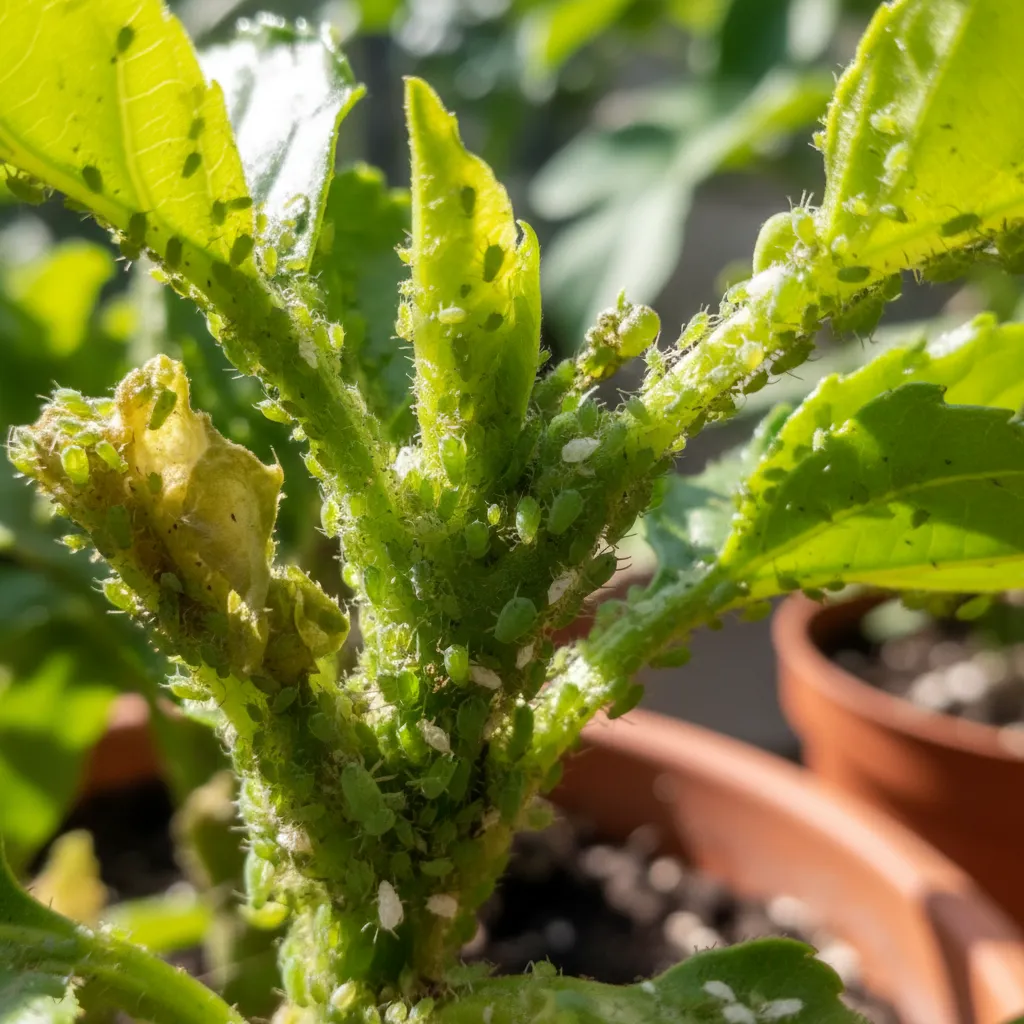
- ✓Pest and Disease Management — Generally resistant to most pests and diseases. Monitor for common issues like aphids or powdery mildew and treat organically if necessary.
- ✓Temperature Tolerance — Styphnolobium japonicum is hardy in USDA zones 4-8, tolerating cold winters and hot summers, but prefers temperate climates.
- ✓Establishment Care — Protect young trees from strong winds and ensure consistent moisture during their initial establishment phase, which can take 2-3 years.
Reviewed by the Flora Medical Global Botanical Review Panel
Multi-disciplinary editorial group · Botany · Ethnobotany · Herbal-medicine literature
Who reviewed this: This page was checked by the Flora Medical Global Botanical Review Panel — an in-house editorial group of botany graduates, ethnobotany researchers, and horticulture practitioners who collectively maintain our 7,000+ plant encyclopedia. Meet the team.
Our 4-step verification process
1. Taxonomic verification
Scientific names and synonyms cross-checked against Kew POWO, World Flora Online, and The Plant List.
2. Phytochemical & medicinal cross-reference
Active compounds, traditional uses, and reported activities are cross-referenced with PubMed, USDA Dr. Duke's database, and peer-reviewed ethnobotanical literature.
3. Conservation & distribution check
Distribution, ecology, and conservation status confirmed against GBIF occurrence records and the IUCN Red List.
4. Editorial & safety review
Every entry passes an editorial pass for clarity, originality, and safety notices (toxicity, contraindications, dosage caveats) before publication.
Last reviewed:
Important medical disclaimer: This content is for educational and research purposes only. It is not medical advice and is not a substitute for consultation with a licensed healthcare provider. Do not use any herb to self-treat a medical condition without professional guidance.
Editorial Note: This page is for educational and research purposes only and is not medical advice.
Written by: Flora Medical Global Editorial Team
Reviewed by: Flora Medical Global Botanical Review Panel
Last Updated: June 15, 2026





Japanese Pagoda Tree — Comments & Community Reviews
Rate this plant