

Medical Disclaimer: This content is for educational purposes only. It is not medical advice. Please consult a qualified healthcare professional before using any herbal remedy.
Safety Overview
1.Jayanti — At a Glance
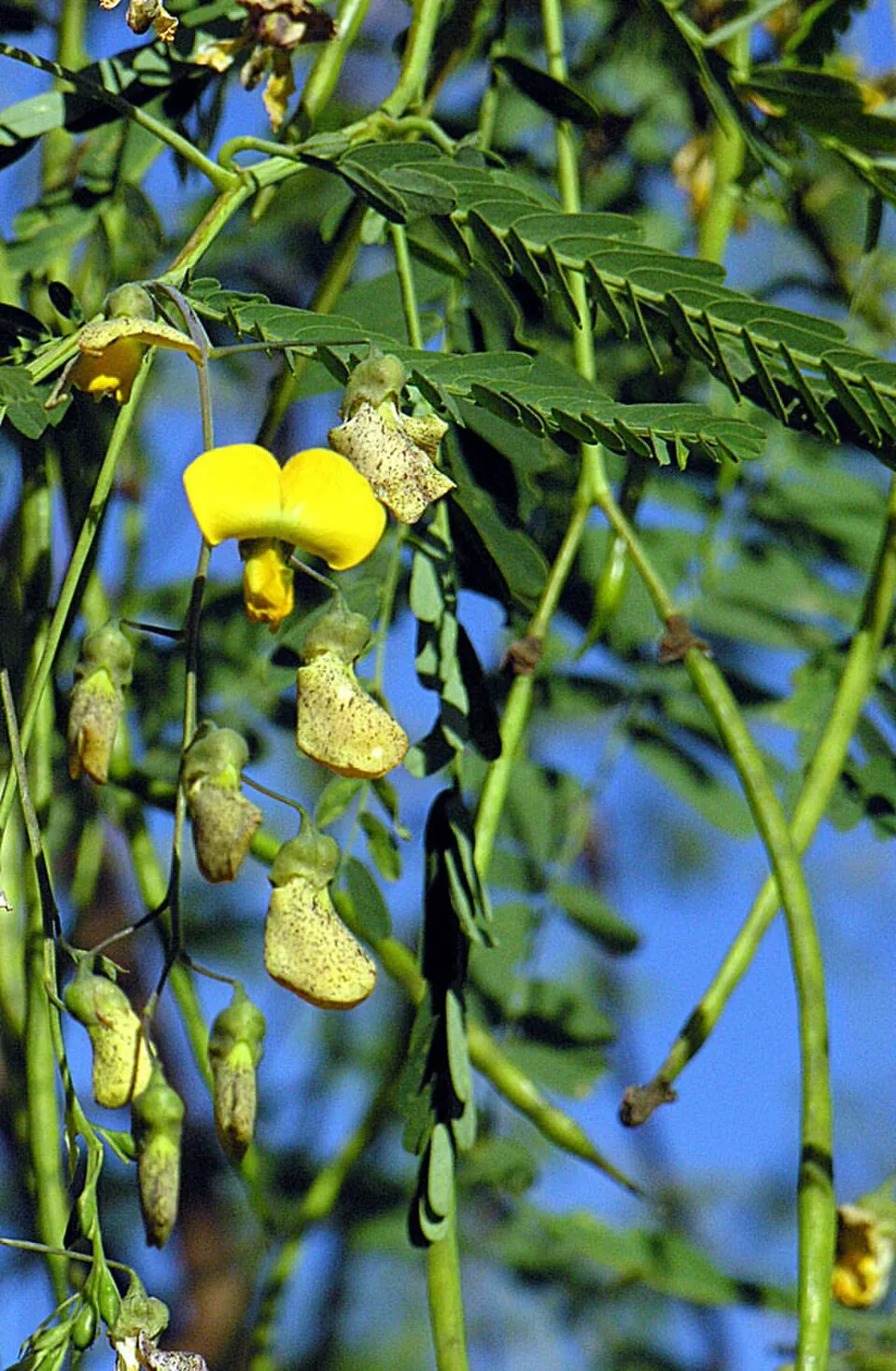
Sesbania sesban, widely recognized as Jayanti, is a captivating perennial flowering plant belonging to the expansive Fabaceae family, often referred to as the legume, pea, or bean family. This adaptable species typically exhibits a robust, erect growth habit, reaching heights of 1 to 4 meters, occasionally taller under optimal conditions.
Its distinct pinnate leaves are a striking feature, measuring between 10 to 25 cm in length, each composed of 10 to 20 pairs of elongated, lanceolate leaflets. This arrangement lends the foliage a delicate, feathery appearance, contributing to its ornamental appeal.
The papilionaceous flowers of Jayanti are showy and grow in loose clusters, often displaying vibrant hues of bright yellow or pure white, frequently adorned with subtle purple markings. These blossoms are typically observed from June to November, adding a splash of color to its native landscapes.
Following successful pollination, the plant produces elongated, flat pods, which can measure up to 15 cm long and contain several small, hard seeds. The bark, when mature, is relatively smooth and greyish-brown, providing a subtle contrast to its green foliage and colorful blooms.
Jayanti is predominantly found in tropical and subtropical regions across the globe, with a significant presence in Southeast Asia, and extending its natural range to parts of Africa and Australia. It demonstrates a remarkable adaptability, thriving particularly well in lowland areas, often found flourishing near riversides, in marshy conditions, or other intermittently waterlogged environments, underscoring its preference for moist soils. Taxonomically, Sesbania sesban is classified within the subfamily Faboideae, a significant group known for its symbiotic relationship with nitrogen-fixing bacteria in its root nodules.
This inherent ability enriches the soil with essential nitrogen, making Jayanti a valuable species for soil health improvement, reforestation efforts, and as a green manure crop. Beyond its ecological benefits and aesthetic charm, Sesbania sesban holds a long and revered history in various traditional medicinal systems, cementing its role as a plant of multi-faceted significance.
Trusted Scientific References
1. Authoritative external sources for Sesbania sesban
1.1 Wikipedia — Sesbania sesban
1.2 Kew POWO (Plants of the World Online)
1.3 PubMed — peer-reviewed research
1.4 NCBI Taxonomy Browser
1.5 GBIF — Global Biodiversity
1.1.Jayanti — Notable Characteristics
- ✓Nitrogen — Fixing Legume — Enhances soil fertility through symbiotic nitrogen fixation.
- ✓Rapid Growth Rate — Known for its fast growth, making it suitable for quick biomass production and soil improvement.
- ✓Ornamental Value — Features showy yellow or white flowers and delicate pinnate leaves, adding aesthetic appeal.
- ✓Multi — Part Medicinal Use — Leaves, flowers, roots, bark, and seeds are all utilized in traditional medicine.
- ✓Traditional Ayurvedic Herb — Highly revered in Ayurveda for its diverse therapeutic properties.
- ✓Unani Medicine Application — Also recognized and used in the Unani system of medicine.
- ✓Anti — inflammatory Properties — Effective in reducing inflammation, especially when applied topically.
- ✓Antipyretic Activity — Traditionally used to alleviate fever and manage febrile conditions.
- ✓Digestive Aid — Supports healthy digestion and helps in combating intestinal parasites.
- ✓Skin Health Benefits — Applied externally for various skin ailments including wounds, itching, and eczema.
- ✓Blood Purifier — Considered a potent detoxifier for the blood in traditional practices.
- ✓Uterine Stimulant — Historically used to regulate menstrual cycles, requiring careful consideration.
- ✓Adaptable Habitat — Thrives in tropical and subtropical regions, especially in moist, lowland areas.
- ✓Rich Phytochemistry — Contains beneficial compounds like phytosterols, triterpenoids, and flavonoids.
1.2.Jayanti — Concise Overview
- ✓Botanical Name — Sesbania sesban, commonly known as Jayanti.
- ✓Family — Fabaceae, known for nitrogen-fixing properties.
- ✓Traditional Uses — Extensive use in Ayurveda and Unani for anti-inflammatory, antipyretic, digestive, and skin benefits.
- ✓Key Medicinal Parts — Leaves, flowers, roots, bark, and seeds.
- ✓Chemical Constituents — Rich in phytosterols, triterpenoids, saponins, and anthocyanins.
- ✓Primary Actions — Anti-inflammatory, antipyretic, digestive aid, blood purifier, uterine stimulant.
- ✓Important Caution — Contraindicated in pregnancy due to uterine stimulant activity.
- ✓Ecological Role — Valued for soil enrichment and as a green manure crop.
2.Jayanti — Nomenclature & Classification
3.Jayanti — Fact Sheet
4.Jayanti — Physical Description
5.Jayanti — Ecological Habitat
6.Jayanti — Heritage Uses
7.Jayanti — Phytochemistry
- ✓Sugars and Polyols — The bark and stem extract of Sesbania sesban contain various simple sugars and sugar alcohols, including Glucose, Fructose, Sucrose, Erythritol, Arabinitol, Galactitol, and Myo-inositol. These compounds primarily serve as energy sources and osmotic regulators within the plant.
- ✓Phytosterols — The leaves and pods are rich in phytosterols such as Ampesterol, Cholesterol (plant-derived), and Beta-sitosterol. Beta-sitosterol, in particular, is recognized for its anti-inflammatory, immune-modulating, and cholesterol-lowering potential in biological systems.
- ✓Triterpenoids — Jayanti contains various triterpenoids, a diverse group of compounds known for their anti-inflammatory, hepatoprotective, and adaptogenic activities. These contribute to the plant's overall medicinal efficacy.
- ✓Proteins and Amino Acids — As a member of the Fabaceae family, Sesbania sesban is a source of proteins. Its pollen and pollen tubes contain alpha-ketoglutaric, oxaloacetic, and pyruvic acids, which are key intermediates in metabolic pathways and precursors for amino acid synthesis.
- ✓Tannins — The presence of tannins contributes to Jayanti's astringent properties. Tannins are phenolic compounds known for their antioxidant, antimicrobial, and wound-healing activities through protein precipitation.
- ✓Saponin Glycosides — Saponins are naturally occurring glycosides found in Jayanti, known for their detergent-like properties. Pharmacologically, they exhibit expectorant, anti-inflammatory, and cholesterol-lowering effects.
- ✓Steroids — Various steroidal compounds are present, which can have diverse biological activities, including anti-inflammatory and hormonal regulatory roles, contributing to the plant's traditional uses.
- ✓Flavonoids and Anthocyanins — The flowers are particularly rich in anthocyanins like Cyanidin and Delphinidin glucosides. These are potent antioxidants responsible for flower coloration and possess significant free-radical scavenging and anti-inflammatory properties.
8.Jayanti — Scientific Evidence
- ✓Anti-inflammatory Action — Jayanti exhibits notable anti-inflammatory properties, particularly when its seed paste is applied topically. This action helps to alleviate swelling and pain associated with various skin conditions and localized inflammations.
- ✓Antipyretic Effects — The flowers of Sesbania sesban are traditionally utilized for their antipyretic qualities, aiding in the reduction of fever. This suggests potential compounds that modulate thermoregulation or immune responses.
- ✓Digestive Health Support — Historically, Jayanti has been employed to enhance digestive strength and address intestinal worm infestations. Its carminative and antimicrobial properties contribute to a healthier gut environment.
- ✓Blood Detoxification — The plant is recognized as an excellent blood detoxifier in traditional systems, believed to purify the blood and mitigate symptoms associated with Pitta imbalances and toxic conditions.
- ✓Respiratory System Cleanser — Jayanti is traditionally used to clear the throat of excess sputum and phlegm, making it beneficial for conditions like hoarseness of voice, common cold, and other respiratory discomforts.
- ✓Diuretic Properties — The roots and leaf decoction are known for their diuretic effects, promoting increased urine output. This makes Jayanti useful in managing dysuria and certain urinary tract conditions.
- ✓Wound Healing Promoter — A paste made from the leaves of Sesbania sesban is applied externally to facilitate the healing of wounds and skin ailments. Its potential antimicrobial and regenerative properties aid in tissue repair.
- ✓Skin Condition Management — Jayanti's external applications, such as seed paste or ointments, are beneficial in treating various dermatological issues, including itching, hives, eczema, and psoriasis, by reducing inflammation and oil secretion.
- ✓Anti-poisonous Effects — The root and seed of Jayanti are traditionally believed to possess anti-poisonous properties, applied externally or administered internally in cases of scorpion bites or other toxic exposures.
- ✓Uterine Stimulant — The seed powder of Sesbania sesban is documented as a uterine stimulant, traditionally used to induce menstruation and manage conditions like amenorrhea and dysmenorrhea, though caution is paramount.
- ✓Cognitive and Psychiatric Support — Certain Ayurvedic preparations containing Jayanti, like Mahapaishachika Ghritham, are used to improve memory, intelligence, and manage psychiatric disorders, suggesting neuroactive compounds.
- ✓Anti-aging (Rasayana) — In Ayurvedic practice, Jayanti is considered a 'Rasayana' herb, implying anti-aging properties and the ability to promote cell and tissue rejuvenation, contributing to overall longevity and vitality.
- ✓Vata Dosha Balancing — The plant is traditionally known to balance Vata Dosha, making it useful in treating a range of Vata imbalance disorders such as neuralgia, paralysis, constipation, and bloating.
- ✓Cervical Lymphadenopathy Treatment — Jayanti is indicated in the treatment of 'Galaganda' or cervical lymphadenopathy, suggesting properties that reduce glandular swelling and inflammation.
- ✓Hair Growth Enhancement — A paste prepared from Jayanti leaves is applied to the hair before bathing to promote hair growth and address issues like baldness and premature graying.
8.1.Jayanti — Therapeutic Indications
9.Jayanti — Safety Considerations
9.1.Jayanti — Side Effects & Warnings
- ✓Allergic Reactions — Topical application of Jayanti may cause skin irritation, redness, or allergic dermatitis in sensitive individuals.
- ✓Gastrointestinal Upset — Excessive internal consumption, particularly of seed powder, might lead to mild digestive disturbances such as nausea, stomach discomfort, or diarrhea.
- ✓Uterine Contractions — Due to its traditional use as a uterine stimulant, Jayanti seed powder could potentially induce uterine contractions, which is a significant concern during pregnancy.
- ✓Drug Interactions — Jayanti may interact with certain conventional medications, especially those affecting blood clotting, blood pressure, or hormone levels, requiring medical consultation.
- ✓Hypoglycemic Effects — While not explicitly stated, some traditional uses suggest an influence on metabolism; large doses might theoretically impact blood glucose levels.
- ✓Hypotension — In high doses, some plant constituents could potentially influence blood pressure, leading to a drop in blood pressure in susceptible individuals.
- ✓Liver or Kidney Strain — Prolonged use or very high doses of any herbal remedy can potentially place undue strain on the liver and kidneys, especially in individuals with pre-existing conditions.
- ✓Photosensitivity — Rarely, some botanical compounds can increase photosensitivity, though this is not commonly reported for Jayanti.
9.2.Jayanti — Clinical Safety Notes
- ✓Pregnancy and Lactation — Jayanti is contraindicated during pregnancy due to its traditional use as a uterine stimulant. Pregnant and lactating women should strictly avoid its use.
- ✓Children and Infants — Due to limited safety data, Jayanti should be used with extreme caution or avoided in infants and young children. Dosage adjustments are crucial if administered under expert supervision.
- ✓Pre-existing Medical Conditions — Individuals with chronic health conditions, especially liver, kidney, or cardiovascular diseases, should consult a healthcare professional before using Jayanti.
- ✓Medication Interactions — Always inform your doctor or pharmacist about any herbal supplements, including Jayanti, you are taking, especially if on prescription medications, to avoid potential adverse interactions.
- ✓Dosage Adherence — Adhere strictly to recommended dosages. Overdosing can lead to adverse effects and diminish therapeutic benefits.
- ✓Professional Guidance — It is highly recommended to seek guidance from a qualified medical herbalist or Ayurvedic practitioner before initiating any Jayanti regimen.
- ✓Allergic History — Individuals with known allergies to plants in the Fabaceae family should exercise caution or avoid Jayanti to prevent allergic reactions.
- ✓Proper Plant Identification — Ensure correct identification of Sesbania sesban to avoid confusion with potentially toxic look-alike species.
10.Jayanti — Preparations & Uses
- ✓Leaf Paste for Topical Application — Fresh Jayanti leaves are crushed to form a paste, which is then applied as a poultice to wounds, skin ailments, swellings, and for promoting hair growth.
- ✓Seed Paste for External Use — Dried Jayanti seeds are ground into a fine paste, often mixed with a carrier, and applied topically for anti-inflammatory effects, to control oil secretion, or to treat insect bites.
- ✓Decoction Preparation — The bark, roots, or leaves can be boiled in water to create a decoction. This is consumed internally for digestive issues, respiratory conditions, or as a blood purifier.
- ✓Powder (Churna) Administration — Dried and powdered plant parts (roots, bark, seeds) are taken orally, typically mixed with honey, ghee, or warm water, for systemic benefits. Dosage for powder is usually 2-6 grams per day in divided doses.
- ✓Flower Infusion — Jayanti flowers can be steeped in hot water to make an infusion, traditionally used for its antipyretic properties to reduce fever.
- ✓Ointment Formulation — Extracts of Jayanti are incorporated into topical ointments or creams for treating skin conditions like itching, eczema, and psoriasis.
- ✓Juice Extraction — Fresh leaf juice can be extracted and consumed, often diluted, for internal cleansing or as an anthelmintic agent.
- ✓Specific Ayurvedic Formulations — Jayanti is an ingredient in complex Ayurvedic medicines like Mahapaishachika Ghritham and Ratnagiri Ras, prepared according to classical texts for specific therapeutic indications.
- ✓Hair Treatment — A paste of fresh Jayanti leaves is applied to the scalp and hair before bathing to nourish hair follicles and support hair health.
- ✓Gargle Solution — A decoction of Jayanti leaves or bark can be used as a gargle to soothe and cleanse the throat, particularly for hoarseness and respiratory discomforts.
11.Jayanti — How to Grow
- ✓Climate Preference — Jayanti thrives in tropical and subtropical climates, requiring warm temperatures and high humidity for optimal growth.
- ✓Soil Requirements — It prefers well-drained to waterlogged soils, including alluvial plains, marshy areas, and riverbanks, demonstrating tolerance to various soil types but benefiting from nitrogen fixation.
- ✓Propagation — Primarily propagated by seeds. Seeds can be scarified (lightly abraded) or soaked in warm water to enhance germination rates.
- ✓Sowing Depth and Spacing — Seeds are typically sown at a depth of 1-2 cm, with spacing of 30-50 cm between plants and 1-2 meters between rows, depending on intended use.
- ✓Sunlight Exposure — Requires full sun exposure for robust growth and abundant flowering.
- ✓Watering — Needs consistent moisture, especially during dry periods, but is highly tolerant of temporary waterlogging.
- ✓Nutrient Management — As a nitrogen-fixing legume, it significantly enriches soil nitrogen, reducing the need for external nitrogenous fertilizers.
- ✓Pest and Disease Control — Generally hardy, but young plants may be susceptible to common pests like aphids or fungal diseases in overly humid conditions; integrated pest management is recommended.
- ✓Pruning — Can be pruned to maintain shape, promote bushier growth, or harvest specific plant parts like leaves and flowers.
- ✓Harvesting — Leaves and flowers can be harvested as needed, while roots and bark are typically collected from more mature plants, often at the end of the growing season.
Reviewed by the Flora Medical Global Botanical Review Panel
Multi-disciplinary editorial group · Botany · Ethnobotany · Herbal-medicine literature
Who reviewed this: This page was checked by the Flora Medical Global Botanical Review Panel — an in-house editorial group of botany graduates, ethnobotany researchers, and horticulture practitioners who collectively maintain our 7,000+ plant encyclopedia. Meet the team.
Our 4-step verification process
1. Taxonomic verification
Scientific names and synonyms cross-checked against Kew POWO, World Flora Online, and The Plant List.
2. Phytochemical & medicinal cross-reference
Active compounds, traditional uses, and reported activities are cross-referenced with PubMed, USDA Dr. Duke's database, and peer-reviewed ethnobotanical literature.
3. Conservation & distribution check
Distribution, ecology, and conservation status confirmed against GBIF occurrence records and the IUCN Red List.
4. Editorial & safety review
Every entry passes an editorial pass for clarity, originality, and safety notices (toxicity, contraindications, dosage caveats) before publication.
Last reviewed:
Important medical disclaimer: This content is for educational and research purposes only. It is not medical advice and is not a substitute for consultation with a licensed healthcare provider. Do not use any herb to self-treat a medical condition without professional guidance.
Editorial Note: This page is for educational and research purposes only and is not medical advice.
Written by: Flora Medical Global Editorial Team
Reviewed by: Flora Medical Global Botanical Review Panel
Last Updated: June 15, 2026





Jayanti — Comments & Community Reviews
Rate this plant