
Medical Disclaimer: This content is for educational purposes only. It is not medical advice. Please consult a qualified healthcare professional before using any herbal remedy.
Safety Overview
1.Jergon Sacha — Overview
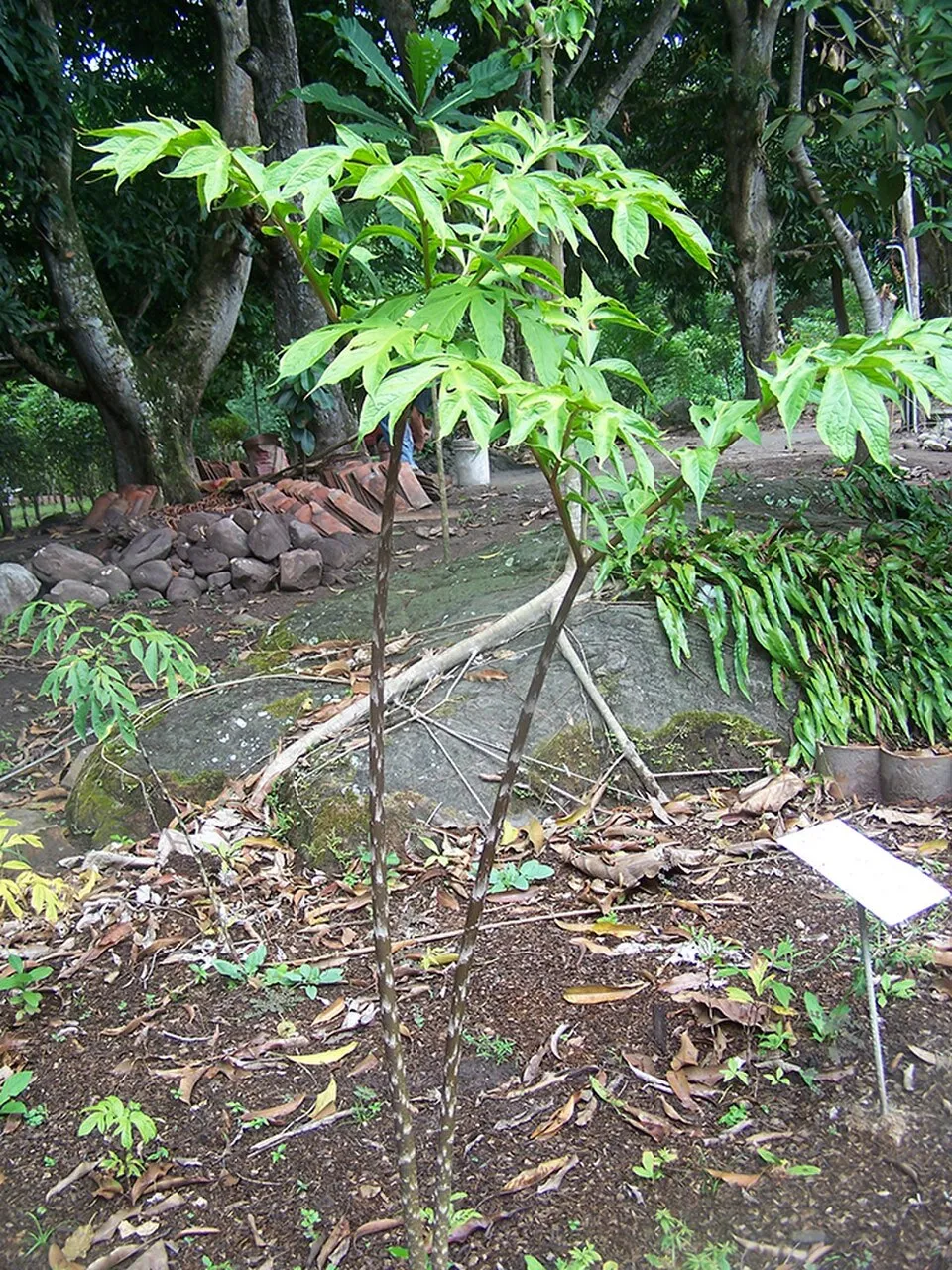
Jergon Sacha, formally known as Dracontium loretense, is a striking herbaceous perennial belonging to the Araceae family, a group renowned for its distinctive aroid plants. This magnificent species is a true denizen of the Amazon rainforest, predominantly found thriving in the humid, lowland tropical regions of Peru, Colombia, and Ecuador. It prefers the rich, well-drained soils of the rainforest understory, where it can reach impressive heights of 2 to 4 meters, making it quite substantial for an 'herb'. The plant's morphology is particularly captivating. It typically presents as a single, giant, deeply-divided leaf that emerges from a robust, underground tuber or rhizome. This leaf is borne on a long, thick stem, which often exhibits a mottled coloring, remarkably resembling the trunk of a young sapling or, more significantly, the skin pattern of certain venomous snakes native to its habitat. This visual mimicry is central to its 'signature plant' status and ethnobotanical significance.
The large, heart-shaped leaves can extend up to 1 meter in length, featuring deeply lobed margins that contribute to its dramatic appearance. When fertile, Jergon Sacha produces a distinctive inflorescence. A flower stem rises from near the plant's base, ascending to a height of 1 to 2 meters. At its apex, it bears a prominent, often maroon-colored spathe—a single, petal-like sheath—that envelops a fleshy stalk known as a spadix. This spadix is crowded with bright red-orange, berry-like seeds, creating a vibrant contrast. The overall bloom has been compared to that of other aroids like caladium or dieffenbachia, albeit on a much grander scale. Taxonomically, Dracontium loretense is part of the order Alismatales, sharing a close relationship with other diverse aroid plants.
The genus Dracontium encompasses several species found across the South and Latin American tropics, with D. longipes, D. peruviuanum, and D. asperum often used interchangeably with D. loretense due to their similar appearance and traditional applications. Historically, the plant's resemblance to the highly poisonous Bothrops genus of snakes (known as jergón sacha or fer-de-lance in Peru and Ecuador, and jararaca in Brazil) led indigenous communities to utilize its rhizome as a traditional antidote for snakebites, a practice that has been passed down through generations and remains a cornerstone of its cultural and medicinal importance. Trusted Scientific References Authoritative external sources for D ...[CURRENT TEXT EXISTS: 2673 chars]
1.1.Jergon Sacha — Standout Qualities
- ✓Amazonian Endemic — Native exclusively to the Amazon rainforest, particularly Peru, Colombia, and Ecuador.
- ✓Herbaceous Perennial — A large, long-lived herb growing from an underground rhizome.
- ✓'Signature Plant' Status — Its mottled stem visually resembles the highly venomous Bothrops snake, influencing its traditional use.
- ✓Potent Antivenom — Historically and currently revered as a primary traditional remedy for snakebites.
- ✓Antiviral Potential — Emerging interest and anecdotal reports suggest efficacy against various viruses, including HIV.
- ✓Anti — inflammatory Actions — Traditional uses point to significant properties for reducing swelling and pain.
- ✓Immune System Enhancer — Known to support and strengthen the body's natural immune defenses.
- ✓Rich Phytochemistry — Contains diverse bioactive compounds such as alkaloids, flavonoids, and saponins.
- ✓Underground Tuber/Rhizome — The main medicinal part, used both internally and externally.
- ✓Sustainable Cultivation Efforts — Practices developed to ensure its availability and protect wild populations.
- ✓Traditional Medicine Cornerstone — Integral to indigenous and South American herbal medicine systems for centuries.
- ✓Focus of Modern Interest — Attracting attention for its potential as a natural protease inhibitor.
- ✓Distinctive Morphology — Features large, deeply lobed leaves and a unique spathe-and-spadix inflorescence.
- ✓Adaptable to Understory — Thrives in the partial shade and high humidity of the rainforest environment.
1.2.Jergon Sacha — Quick Summary
- ✓Jergon Sacha (Dracontium loretense) is an Amazonian herbaceous perennial known for its distinctive appearance.
- ✓Traditionally used as a potent antidote for snakebites, earning it 'signature plant' status.
- ✓Exhibits potential antiviral, anti-inflammatory, and immune-stimulating properties.
- ✓The rhizome or tuber is the primary part used, prepared in various forms like macerations, poultices, capsules, and tinctures.
- ✓Contains alkaloids, flavonoids, saponins, and other phytochemicals, though specific compounds are unquantified.
- ✓Cultivation efforts are underway to ensure sustainable harvesting given its increasing demand.
- ✓While rich in traditional applications, modern clinical research is limited, necessitating cautious use.
- ✓Offers promise as a natural protease inhibitor, linking its antivenom and antiviral potential.
2.Jergon Sacha — Systematic Position
3.Jergon Sacha — Reference Facts
4.Jergon Sacha — Structural Profile
5.Jergon Sacha — Where It Grows
6.Jergon Sacha — Historical Applications
7.Jergon Sacha — Active Compounds
- ✓Alkaloids — These nitrogen-containing organic compounds are often responsible for potent pharmacological activities, potentially contributing to Jergon Sacha's antivenom, antiviral, and immune-modulating effects. Specific alkaloids in Dracontium loretense are yet to be identified and quantified, but their presence suggests significant bioactivity.
- ✓Flavonoids — As a diverse group of polyphenolic compounds, flavonoids are well-known for their antioxidant, anti-inflammatory, and immune-modulating properties. They likely play a role in the plant's protective and therapeutic actions, supporting cellular health and reducing oxidative stress.
- ✓Saponins — These glycosides form a soapy lather when mixed with water and are recognized for their immune-stimulant, expectorant, and potential antimicrobial activities. Saponins may contribute to the plant's ability to support the immune system and clear respiratory passages.
- ✓Phenols — A broad category of compounds including phenolic acids, known for their strong antioxidant and antimicrobial effects. These constituents contribute to the plant's overall protective capacity against free radicals and infectious agents.
- ✓Sterols — Plant sterols, or phytosterols, are structurally similar to cholesterol and can have anti-inflammatory and immune-modmodulating effects. Their presence suggests a role in cellular membrane integrity and signaling pathways.
- ✓Triterpenes — These diverse isoprenoid compounds often exhibit anti-inflammatory, adaptogenic, and antiviral properties. Triterpenes could be key contributors to Jergon Sacha's efficacy in reducing inflammation and combating viral infections.
- ✓Starch — As a primary carbohydrate reserve in the rhizome, starch provides energy and bulk. While not directly medicinal in the same way as secondary metabolites, it forms a significant part of the plant material and can have emollient properties in topical applications.
8.Jergon Sacha — What Research Suggests
- ✓Potent Antivenom Activity — Jergon Sacha is traditionally revered for its ability to neutralize snake venom, particularly from Bothrops species. The tuber is rapidly prepared and consumed internally, while a poultice is applied topically to the bite site, believed to counteract venom effects and reduce tissue damage.
- ✓Broad-Spectrum Antiviral Properties — Anecdotal evidence and traditional uses suggest significant antiviral potential, especially against viruses like HIV, hepatitis, influenza, and whooping cough. This action is hypothesized to involve protease inhibition, disrupting viral replication cycles.
- ✓Anti-inflammatory Effects — The plant's compounds are traditionally employed to reduce inflammation, making it useful for conditions such as gout, general pain, and swelling. This property contributes to its use in topical applications for various skin ailments.
- ✓Immune System Support — Jergon Sacha is recognized for its capacity to enhance immune function, helping the body to bolster its defenses against pathogens. This immunostimulant effect is a key reason for its traditional use in managing chronic infections and promoting overall wellness.
- ✓Respiratory Health Aid — Historically used as a cough suppressant, particularly for whooping cough, and in remedies for asthma and bronchitis. Its potential to calm respiratory passages and reduce inflammation in the airways contributes to these traditional applications.
- ✓Digestive System Support — Traditional medicine utilizes Jergon Sacha for various gastrointestinal issues, including diarrhea and general digestive discomfort. Its compounds may help soothe the digestive tract and restore balance.
- ✓Topical Wound Healing — The fresh rhizome juice or powdered tuber is applied externally to treat skin sores, scabies, and wounds caused by blowflies. Its traditional use suggests properties that aid in tissue repair and protection against secondary infections.
- ✓Anthelmintic Action — In Brazilian herbal medicine, Jergon Sacha is used to expel intestinal worms. This traditional application points to potential antiparasitic properties within its phytochemical profile.
- ✓Menstrual Disorder Relief — The powdered tuber has been traditionally taken internally to address menstrual disorders, suggesting a regulatory or soothing effect on the female reproductive system.
- ✓Relief for Gout Symptoms — Decoctions of the whole plant are traditionally used in baths to alleviate symptoms of gout, indicating a systemic anti-inflammatory or uric acid-modulating effect.
- ✓Potential Anti-cancerous Effects — In Peruvian herbal medicine, Jergon Sacha has been touted as a natural remedy for cancerous tumors. While lacking clinical validation, this traditional use warrants further scientific investigation into its cytotoxic or antiproliferative potential.
- ✓Cardiovascular Support — Traditional uses include addressing heart palpitations, suggesting a potential role in modulating cardiovascular rhythm or function, though specific mechanisms are undefined.
- ✓Neurological Symptom Management — The plant has been traditionally used for hand tremors, indicating a possible calming or regulatory effect on the nervous system.
- ✓Diuretic Properties — Some traditional applications note its use for urinary insufficiency, suggesting a mild diuretic action that could support kidney function and fluid balance.
- ✓Treatment for Chlorosis — In Brazilian traditional medicine, Jergon Sacha is used for chlorosis, a condition often associated with iron deficiency. The mechanism is unclear but may relate to overall tonic or blood-supporting properties.
8.1.Jergon Sacha — Health Applications
9.Jergon Sacha — Risk Profile
9.1.Jergon Sacha — Possible Adverse Reactions
- ✓Potential Gastrointestinal Upset — As with many concentrated herbal preparations, some individuals may experience mild digestive disturbances such as nausea, stomach discomfort, or changes in bowel habits, particularly with initial use or higher doses.
- ✓Allergic Reactions — Sensitive individuals may develop allergic responses, including skin rashes, itching, or, in rare cases, more severe systemic reactions, especially with topical application or internal consumption.
- ✓Hypothetical Drug Interactions — Although no specific interactions are reported, due to its potent bioactive compounds and traditional uses for conditions like snakebite and viral infections, Jergon Sacha could theoretically interact with pharmaceutical medications, particularly blood thinners, immunosuppressants, or antiviral drugs.
- ✓Lack of Clinical Safety Data — A significant caution is the absence of comprehensive clinical studies on human safety, particularly regarding long-term use or specific populations.
- ✓Pregnancy and Lactation Risks — Given the lack of safety data, Jergon Sacha is generally advised against during pregnancy and lactation due to unknown effects on fetal development or infant health.
- ✓Effects on Blood Coagulation — Its traditional use as an antivenom and potential protease inhibitor could imply an effect on blood coagulation, which might be a concern for individuals on anticoagulant therapy or those with bleeding disorders.
- ✓Liver or Kidney Strain — As with any potent herb, prolonged or excessive use could theoretically place a strain on liver or kidney function, though this is not specifically documented for Jergon Sacha.
- ✓Over-stimulation of Immune System — For individuals with autoimmune conditions, an immune-stimulating herb like Jergon Sacha might theoretically exacerbate symptoms, although this is speculative without research.
9.2.Jergon Sacha — Safety Profile
- ✓Consult a Healthcare Professional — It is strongly advised to consult with a qualified medical herbalist or healthcare provider before using Jergon Sacha, especially for serious conditions, due to its potency and the lack of extensive clinical research.
- ✓Not for Self-Treatment of Serious Conditions — Jergon Sacha should not be used as a sole treatment for life-threatening conditions such as snakebites, HIV, or cancer, which require immediate conventional medical intervention.
- ✓Pregnancy and Lactation Contraindication — Due to insufficient safety data, Jergon Sacha should be avoided by pregnant and breastfeeding women.
- ✓Pediatric Use — The use of Jergon Sacha in children is not recommended due to a lack of safety studies in this demographic.
- ✓Pre-existing Medical Conditions — Individuals with chronic health conditions, particularly those affecting the liver, kidneys, or immune system, should exercise extreme caution and seek medical advice before use.
- ✓Potential Drug Interactions — Despite no reported interactions, its bioactive compounds suggest a potential for interaction with prescription medications; caution is advised, especially with anticoagulants, immunosuppressants, or other potent drugs.
- ✓Adherence to Dosage — Strict adherence to recommended traditional or expert-advised dosages is crucial to minimize potential risks.
- ✓Source and Quality Verification — Ensure that any Jergon Sacha product is sourced from reputable suppliers and has undergone quality control to avoid contamination or adulteration.
- ✓Monitor for Adverse Reactions — Users should be vigilant for any unusual symptoms or adverse reactions and discontinue use if they occur, seeking medical attention if necessary.
- ✓Limited Clinical Research — Emphasize that most claims are based on traditional use and anecdotal evidence, with a significant lack of modern clinical trials to fully establish safety and efficacy.
10.Jergon Sacha — Application Forms
- ✓Cold Maceration for Snakebite — For acute snakebite, the fresh tuber is quickly chopped, immersed in cold water, and the resulting liquid is consumed immediately.
- ✓Topical Poultice for Bites — Finely chopped tuber is placed in a large banana leaf and wrapped around the affected bite area, changing the poultice every 1-2 hours.
- ✓Internal Capsules — For general wellness and chronic conditions, powdered rhizome is encapsulated, with a common dosage of 2-3 grams taken 2-3 times daily.
- ✓Tincture Preparation — An alcoholic extract (tincture) of the rhizome is also used, typically administered at a dose of 3-5 ml twice daily.
- ✓Powdered Rhizome Internally — The dried and powdered rhizome can be taken internally for conditions such as asthma, menstrual disorders, chlorosis, and whooping cough.
- ✓Topical Powder for Skin Conditions — Powdered root is applied topically to treat skin ailments like scabies, suggesting antiseptic and healing properties.
- ✓Fresh Rhizome Juice Externally — The juice extracted from the fresh rhizome is applied directly to sores caused by blowflies and can be used on snakebite sites.
- ✓Whole Plant Decoction for Baths — The entire plant can be decocted and added to bathwater, traditionally used as a remedy for gout symptoms.
- ✓Topical Decoction for Hernias — A decoction of the plant is sometimes applied topically for hernias in traditional Peruvian medicine.
- ✓Oral Consumption of Tuber — For general immune enhancement and other internal uses, pieces of the tuber can be consumed directly, often every 3-4 hours in acute situations.
11.Jergon Sacha — Growth Requirements
- ✓Site Selection — Jergon Sacha thrives in the understory conditions of tropical rainforests, requiring a location that offers partial shade rather than direct, intense sunlight.
- ✓Soil Requirements — It prefers rich, well-drained loamy soils with high organic matter content, mimicking its natural Amazonian habitat.
- ✓Climate Conditions — Optimal growth occurs in tropical to subtropical climates characterized by high humidity and warm temperatures.
- ✓Watering Regime — Regular and consistent watering is crucial to maintain soil moisture, but overwatering that leads to waterlogging should be avoided.
- ✓Propagation — Jergon Sacha is primarily propagated from its underground tubers or rhizomes, which are carefully divided and replanted.
- ✓Sustainable Harvesting — Due to the traditional practice of harvesting the entire rhizome, cultivation methods have been developed to ensure sustainability, preventing over-harvesting from wild populations.
- ✓Replanting Initiatives — New cultivation efforts focus on replanting Jergon Sacha in previously deforested lands or old coca plantations, supporting local farmers.
- ✓Organic Practices — Many cultivation programs emphasize organic farming methods to ensure the purity and quality of the harvested medicinal rhizomes.
- ✓Nutrient Management — While preferring rich soils, supplemental organic fertilizers can support robust growth, especially in cultivated settings.
- ✓Pest and Disease Control — Monitoring for common tropical plant pests and fungal diseases is necessary, with preference for organic or biological control methods.
Reviewed by the Flora Medical Global Botanical Review Panel
Multi-disciplinary editorial group · Botany · Ethnobotany · Herbal-medicine literature
Who reviewed this: This page was checked by the Flora Medical Global Botanical Review Panel — an in-house editorial group of botany graduates, ethnobotany researchers, and horticulture practitioners who collectively maintain our 7,000+ plant encyclopedia. Meet the team.
Our 4-step verification process
1. Taxonomic verification
Scientific names and synonyms cross-checked against Kew POWO, World Flora Online, and The Plant List.
2. Phytochemical & medicinal cross-reference
Active compounds, traditional uses, and reported activities are cross-referenced with PubMed, USDA Dr. Duke's database, and peer-reviewed ethnobotanical literature.
3. Conservation & distribution check
Distribution, ecology, and conservation status confirmed against GBIF occurrence records and the IUCN Red List.
4. Editorial & safety review
Every entry passes an editorial pass for clarity, originality, and safety notices (toxicity, contraindications, dosage caveats) before publication.
Last reviewed:
Important medical disclaimer: This content is for educational and research purposes only. It is not medical advice and is not a substitute for consultation with a licensed healthcare provider. Do not use any herb to self-treat a medical condition without professional guidance.
Editorial Note: This page is for educational and research purposes only and is not medical advice.
Written by: Flora Medical Global Editorial Team
Reviewed by: Flora Medical Global Botanical Review Panel
Last Updated: June 15, 2026




Jergon Sacha — Comments & Community Reviews
Rate this plant