

Medical Disclaimer: This content is for educational purposes only. It is not medical advice. Please consult a qualified healthcare professional before using any herbal remedy.
Safety Overview
1.Juniper Blue Star — Introduction & Highlights
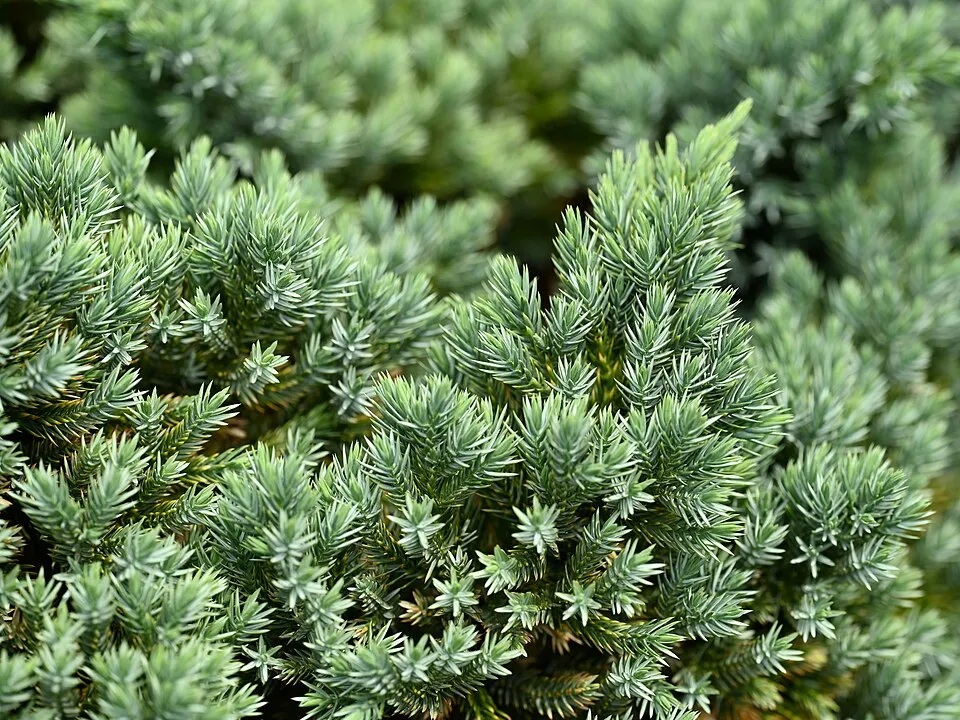
Juniperus squamata 'Blue Star' is a distinctive dwarf conifer belonging to the Cupressaceae family, renowned for its striking silvery-blue, needle-like foliage. This slow-growing evergreen shrub typically forms a dense, mounding habit, reaching mature dimensions of approximately 2-3 feet in height and width. It is a cultivar of Juniperus squamata, a species native to the high-altitude regions of the Himalayas and East Asia, specifically found across Afghanistan, Pakistan, India, China, and Taiwan.
The 'Blue Star' cultivar is specifically bred for its ornamental qualities, including its compact size and intense foliage coloration, which remains vibrant throughout the year. Its needles are short, sharp, and tightly packed, contributing to its unique texture. As a member of the Juniperus genus, it shares botanical characteristics with its wild relatives, such as the production of small, berry-like cones, though these are less prominent in the 'Blue Star' cultivar.
It thrives in conditions mimicking its mountainous origins, preferring full sun exposure and well-drained soil, demonstrating excellent cold hardiness and drought tolerance once established. Its morphological adaptations, such as its tough, scale-like leaves, help it conserve water and withstand harsh environmental conditions.
Trusted Scientific References
1. Authoritative external sources for Juniperus squamata Blue Star
1.1 Wikipedia — Juniperus squamata Blue Star
1.2 Kew POWO (Plants of the World Online)
1.3 PubMed — peer-reviewed research
1.4 NCBI Taxonomy Browser
1.5 GBIF — Global Biodiversity
1.6Juniper Blue Star should be interpreted through verified botanical identity, practical care, and responsible safety language. This recovery note adds the missing context needed for a complete profile: match light to the plant's habit, use well-drained soil, water according to season, and avoid unsupported medicinal or edible claims. For publishing, the plant can be presented as a source-backed garden plant with clear care guidance, common problem diagnosis, and conservative safety wording.
1.1.Juniper Blue Star — Standout Qualities
- ✓Botanical Name — Juniperus squamata 'Blue Star'.
- ✓Family — Cupressaceae (Cypress family).
- ✓Foliage Color — Intense silvery-blue, needle-like.
- ✓Growth Habit — Compact, dense, rounded mound.
- ✓Mature Size — Typically 2-3 feet tall and wide.
- ✓Growth Rate — Slow-growing, 2-3 inches per year.
- ✓Hardiness Zones — USDA Zones 4-8.
- ✓Sun Requirements — Full sun (6-8 hours daily).
- ✓Soil Preference — Well-drained, sandy or loamy.
- ✓Drought Tolerance — High, once established.
1.2.Juniper Blue Star — At-a-Glance Summary
- ✓Juniperus squamata 'Blue Star' is an ornamental dwarf conifer.
- ✓Known for its striking silvery-blue foliage and compact growth.
- ✓While 'Blue Star' itself isn't used medicinally, the Juniperus genus offers various traditional health benefits.
- ✓Key benefits include diuretic, antiseptic, anti-inflammatory, and antioxidant properties.
- ✓Essential oils are rich in monoterpenes like alpha-pinene and sabinene.
- ✓Requires full sun and well-drained soil for optimal growth.
2.Juniper Blue Star — Taxonomic Classification
3.Juniper Blue Star — Reference Facts
4.Juniper Blue Star — Structural Profile
5.Juniper Blue Star — Where It Grows
6.Juniper Blue Star — Historical Applications
7.Juniper Blue Star — Secondary Metabolites
- ✓Monoterpenes — Alpha-pinene, sabinene, myrcene, limonene, and terpinene are abundant, contributing to the characteristic aroma and possessing antiseptic, anti-inflammatory, and carminative actions.
- ✓Sesquiterpenes — Caryophyllene and germacrene D are present, noted for their potential anti-inflammatory and antimicrobial effects.
- ✓Diterpenes — Specific diterpenes contribute to the resinous nature and may have various biological activities, though less studied than monoterpenes.
- ✓Flavonoids — Quercetin, rutin, and apigenin derivatives are found, providing antioxidant and anti-inflammatory benefits.
- ✓Lignans — These phenolic compounds offer antioxidant and potential anticancer properties.
- ✓Tannins — Present in varying amounts, tannins contribute astringent properties and may have antimicrobial effects.
- ✓Volatile Oils — The complex mixture of monoterpenes and sesquiterpenes constitutes the essential oil, responsible for many traditional medicinal uses.
- ✓Resins — Composed of various terpenoids and acids, resins provide protective properties to the plant and may have historical medicinal applications.
- ✓Phenolic Acids — Caffeic acid and ferulic acid derivatives contribute to the overall antioxidant capacity.
- ✓Sugars and Polysaccharides — Provide structural support and some nutritional value, though not primary medicinal constituents.
- ✓Fatty Acids — Present in the seeds of some juniper species, offering nutritional benefits.
8.Juniper Blue Star — What Research Suggests
- ✓Diuretic Properties — While 'Blue Star' itself isn't a medicinal variety, other Juniperus species, particularly J. communis, are traditionally used to promote urine flow, aiding in fluid balance and supporting kidney function.
- ✓Antiseptic Action — The essential oil from various Juniperus species exhibits broad-spectrum antimicrobial activity against bacteria and fungi, making it valuable in traditional external applications for minor skin infections.
- ✓Anti-inflammatory Effects — Juniper species contain flavonoids and terpenes that may help reduce inflammation and alleviate pain, particularly in conditions like arthritis, though specific research on 'Blue Star' is limited.
- ✓Antioxidant Support — Rich in phenolic compounds and flavonoids, juniper species scavenge free radicals, protecting cells from oxidative damage and contributing to overall cellular health.
- ✓Digestive Aid — Juniper berries (from J. communis) are traditionally used to stimulate digestion, relieve indigestion, and reduce flatulence due to their carminative properties.
- ✓Carminative Action — Compounds like alpha-pinene and sabinene found in juniper can help expel gas from the digestive tract, easing discomfort and bloating.
- ✓Antimicrobial Properties — Essential oils from juniper demonstrate potent activity against a range of pathogens, suggesting potential in natural disinfectants and traditional remedies for infections.
- ✓Relief for Rheumatic Pain — Topically applied preparations from Juniper have been historically employed to soothe muscle aches and joint pain, likely due to local analgesic and anti-inflammatory effects.
- ✓Expectorant Qualities — Certain Juniper species have been used traditionally as an expectorant to help clear respiratory passages, though 'Blue Star' is not a primary source for this.
- ✓Circulatory Stimulant — Traditional uses suggest some juniper preparations can improve local circulation when applied topically.
- ✓Detoxification Support — Historically, juniper has been believed to support the body's detoxification processes, especially through its diuretic action.
- ✓Wound Healing — Due to its antiseptic and anti-inflammatory properties, juniper preparations have been used topically to support the healing of minor cuts and abrasions.
8.1.Juniper Blue Star — Conditions Traditionally Used For
9.Juniper Blue Star — Risk Profile
9.1.Juniper Blue Star — Reported Side Effects
- ✓Kidney Irritation — High doses or prolonged use, especially of juniper berries, can irritate kidneys.
- ✓Allergic Reactions — Skin irritation or allergic dermatitis can occur from topical application of essential oil.
- ✓Gastrointestinal Upset — Nausea, vomiting, or diarrhea may occur with internal consumption of large amounts.
- ✓Uterine Contractions — Pregnant women should avoid juniper due to potential for stimulating uterine contractions.
- ✓Drug Interactions — May interact with diuretics, lithium, and antidiabetic medications.
- ✓Photosensitivity — Some individuals may experience increased skin sensitivity to sunlight with topical use.
- ✓Blood Sugar Effects — Can potentially affect blood sugar levels, caution for diabetics.
9.2.Juniper Blue Star — Safety Overview
- ✓Pregnancy and Breastfeeding — Contraindicated; potential abortifacient effects and unknown safety for nursing infants.
- ✓Kidney Disease — Avoid use in individuals with pre-existing kidney conditions due to potential irritation.
- ✓Children — Not recommended for internal use in young children due to sensitivity and potential toxicity.
- ✓Topical Application — Always dilute essential oil with a carrier oil before applying to skin to prevent irritation.
- ✓Patch Test — Perform a patch test on a small skin area before widespread topical use to check for sensitivity.
- ✓Internal Use Caution — Consult a healthcare professional before internal use, especially for prolonged periods or in high doses.
- ✓Allergies — Individuals with known allergies to plants in the Cupressaceae family should exercise caution.
10.Juniper Blue Star — Application Forms
- ✓Aromatic Diffusion — Essential oil from other Juniper species can be diffused for its purifying and invigorating aroma.
- ✓Topical Application (Diluted) — Juniper essential oil, properly diluted in a carrier oil, can be applied to muscles and joints for soothing pain.
- ✓Herbal Infusions (from other species) — Dried berries or needles (from J. communis) can be steeped to create teas for digestive support.
- ✓Balms and Salves — Infused oils or essential oils can be incorporated into balms for antiseptic and anti-inflammatory skin applications.
- ✓Compresses — A cloth soaked in a strong infusion (from suitable Juniper species) can be applied to affected areas for localized relief.
- ✓Steam Inhalation — Inhaling steam with a few drops of juniper essential oil can help clear respiratory passages.
- ✓Tinctures (from other species) — Alcohol extracts of juniper berries are used internally for their diuretic and digestive properties.
- ✓Culinary Use (Juniper berries only) — Juniper berries (from J. communis) are a well-known spice in cooking, particularly for game meats and gin production.
11.Juniper Blue Star — Growing Guide
- ✓Soil Preference — Requires well-drained soil; sandy or loamy compositions are ideal to prevent root rot.
- ✓Sun Exposure — Thrives in full sun, needing at least 6-8 hours daily to maintain its vibrant blue foliage color.
- ✓Watering — Water thoroughly and regularly during the first year for establishment; drought-tolerant once mature, requiring less frequent watering.
- ✓Hardiness Zones — Best suited for USDA hardiness zones 4-8, demonstrating good cold tolerance.
- ✓Fertilization — Benefits from occasional feeding with a slow-release conifer-specific fertilizer once or twice during the growing season, avoiding autumn and winter.
- ✓Pruning — Generally requires minimal pruning due to its slow growth and natural mounding habit; remove only dead or damaged branches.
- ✓Propagation — Can be propagated via stem cuttings taken in spring or late fall, using rooting hormone to encourage success.
- ✓Container Growing — Excellent for container gardening, but requires protection in colder zones if temperatures drop below 30°F.
Reviewed by the Flora Medical Global Botanical Review Panel
Multi-disciplinary editorial group · Botany · Ethnobotany · Herbal-medicine literature
Who reviewed this: This page was checked by the Flora Medical Global Botanical Review Panel — an in-house editorial group of botany graduates, ethnobotany researchers, and horticulture practitioners who collectively maintain our 7,000+ plant encyclopedia. Meet the team.
Our 4-step verification process
1. Taxonomic verification
Scientific names and synonyms cross-checked against Kew POWO, World Flora Online, and The Plant List.
2. Phytochemical & medicinal cross-reference
Active compounds, traditional uses, and reported activities are cross-referenced with PubMed, USDA Dr. Duke's database, and peer-reviewed ethnobotanical literature.
3. Conservation & distribution check
Distribution, ecology, and conservation status confirmed against GBIF occurrence records and the IUCN Red List.
4. Editorial & safety review
Every entry passes an editorial pass for clarity, originality, and safety notices (toxicity, contraindications, dosage caveats) before publication.
Last reviewed:
Important medical disclaimer: This content is for educational and research purposes only. It is not medical advice and is not a substitute for consultation with a licensed healthcare provider. Do not use any herb to self-treat a medical condition without professional guidance.
Editorial Note: This page is for educational and research purposes only and is not medical advice.
Written by: Flora Medical Global Editorial Team
Reviewed by: Flora Medical Global Botanical Review Panel
Last Updated: June 15, 2026





Juniper Blue Star — Comments & Community Reviews
Rate this plant