
Medical Disclaimer: This content is for educational purposes only. It is not medical advice. Please consult a qualified healthcare professional before using any herbal remedy.
Safety Overview
1.Juniper Bonsai — Overview
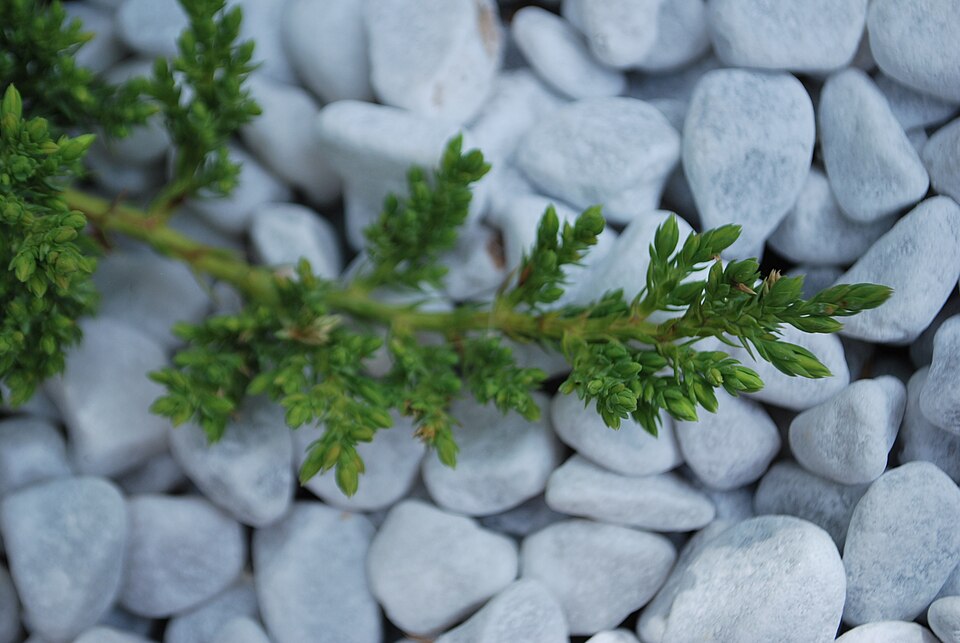
Juniper Bonsai, scientifically known as Juniperus procumbens nana, is a captivating evergreen conifer belonging to the Cupressaceae family. This sprawling shrub typically maintains a compact size, reaching a height of approximately 1 to 3 feet, making it exceptionally well-suited for indoor cultivation and, notably, bonsai artistry. Its distinctive foliage comprises tightly packed, needle-like leaves that present a vibrant spectrum from dark green to a striking blue-green, with seasonal variations in hue.
Each small leaf measures between 0.5 to 1 inch in length, contributing to the plant's lush and dense appearance. The bark offers additional visual interest, characterized by its stringy, shredding texture and a rich reddish-brown coloration. While Juniperus procumbens nana does produce tiny, yellowish-green flowers, they are generally inconspicuous and hold little ornamental value.
The plant's aesthetic appeal is primarily derived from its verdant foliage and the subsequent development of small, blue to dark blue, berry-like cones. Native to Japan, this species thrives in challenging environments, predominantly found in rocky, sandy, and well-drained soils, reflecting its inherent hardiness and resilience. As a popular choice for bonsai enthusiasts, its slow growth rate and natural cascading habit allow for intricate shaping and miniature tree cultivation, adapting well to various indoor settings like living rooms and offices.
Trusted Scientific References
1. Authoritative external sources for Juniperus procumbens nana
1.1 Wikipedia — Juniperus procumbens nana
1.2 Kew POWO (Plants of the World Online)
1.3 PubMed — peer-reviewed research
1.4 NCBI Taxonomy Browser
1.5 GBIF — Global Biodiversity
1.6Juniper Bonsai should be interpreted through verified botanical identity, practical care, and responsible safety language. This recovery note adds the missing context needed for a complete profile: match light to the plant's habit, use well-drained soil, water according to season, and avoid unsupported medicinal or edible claims. For publishing, the plant can be presented as a source-backed indoor plant with clear care guidance, common problem diagnosis, and conservative safety wording.
1.1.Juniper Bonsai — Key Features
- ✓Hardy Evergreen Shrub — Resilient and adaptable, maintaining foliage year-round.
- ✓Needle — like Foliage — Dense, dark green to blue-green leaves, characteristic of the species.
- ✓Ornamental Blue Berries — Produces small, blue to dark blue berry-like cones, adding visual interest.
- ✓Ideal for Bonsai Cultivation — Slow growth rate and natural form make it highly sought after by bonsai enthusiasts.
- ✓Traditional Digestive Aid — Juniper berries historically used to alleviate indigestion and flatulence.
- ✓Natural Diuretic Properties — Essential oil components support urinary health and detoxification.
- ✓Antiseptic and Anti — inflammatory Potential — Compounds in juniper offer antimicrobial and soothing effects.
- ✓Unique Cascading Growth Habit — Often spills over containers, enhancing its aesthetic appeal.
- ✓Aromatic Essential Oil — Distinctive scent from terpenes like alpha-pinene.
- ✓Low Maintenance (as a bonsai) — Once established, requires consistent but manageable care.
1.2.Juniper Bonsai — Snapshot Summary
- ✓Juniperus procumbens nana is an ornamental evergreen conifer popular for bonsai cultivation.
- ✓Traditionally, juniper berries (from the genus) are used for digestive, diuretic, and antiseptic purposes.
- ✓The plant's essential oil is rich in monoterpenes like alpha-pinene and terpinen-4-ol.
- ✓Requires outdoor placement, careful watering, and specific pruning for bonsai care.
- ✓Internal use of juniper berries or essential oil carries significant safety warnings, especially for pregnant individuals and those with kidney issues.
- ✓Valued for its hardiness, aesthetic appeal, and historical medicinal applications.
2.Juniper Bonsai — Taxonomic Classification
3.Juniper Bonsai — Reference Facts
4.Juniper Bonsai — Morphological Account
5.Juniper Bonsai — Where It Grows
6.Juniper Bonsai — Cultural & Traditional Roles
7.Juniper Bonsai — Active Compounds
- ✓Monoterpenes — Predominantly include alpha-pinene, sabinene, myrcene, limonene, and gamma-terpinene, which are responsible for the characteristic aroma and contribute to antiseptic, anti-inflammatory, and carminative actions.
- ✓Monoterpene Alcohols — Key compounds like terpinen-4-ol are potent diuretics and antiseptics, playing a significant role in urinary tract support and antimicrobial activity.
- ✓Sesquiterpenes — Such as beta-caryophyllene and germacrene D, contribute to the essential oil's complex profile and possess anti-inflammatory and analgesic properties.
- ✓Flavonoids — Quercetin, rutin, and apigenin are present, offering antioxidant and anti-inflammatory benefits by scavenging free radicals and modulating immune responses.
- ✓Lignans — These phenolic compounds contribute to the plant's antioxidant defense mechanisms and may have hormone-modulating effects, though less studied in this specific species.
- ✓Diterpenes — Small amounts of diterpenes can be found, contributing to the resinous components and potentially offering antimicrobial or anti-inflammatory effects.
- ✓Tannins — Present in the berries and foliage, tannins provide astringent properties, which can be beneficial in addressing minor digestive upsets and external skin conditions.
- ✓Resinous Acids — Contribute to the plant's protective mechanisms and may have mild antiseptic and anti-inflammatory properties, often found in the woody parts.
8.Juniper Bonsai — What Research Suggests
- ✓Digestive Aid — Juniper berries have been traditionally used in various systems, including Ayurveda, to promote healthy digestion, reduce bloating, and alleviate flatulence by stimulating digestive enzymes.
- ✓Diuretic Properties — The essential oils, particularly terpinen-4-ol, found in juniper berries are recognized for their mild diuretic effects, supporting urinary tract health and assisting in the body's natural detoxification processes.
- ✓Antiseptic Action — Juniper essential oil exhibits broad-spectrum antiseptic properties, useful in traditional remedies for cleaning wounds and preventing infections when applied topically.
- ✓Anti-inflammatory Support — Certain compounds within juniper are believed to possess anti-inflammatory effects, which may contribute to alleviating discomfort associated with inflammatory conditions.
- ✓Respiratory Relief — In traditional Chinese medicine (TCM) and other folk practices, juniper berries are utilized to help clear respiratory passages and reduce symptoms associated with colds, coughs, and flu.
- ✓Improved Circulation — Traditional Chinese Medicine (TCM) suggests that juniper can help improve blood circulation, contributing to overall vitality and warmth, especially in cold conditions.
- ✓Antioxidant Activity — Juniper berries contain flavonoids and other phenolic compounds that act as antioxidants, helping to neutralize free radicals and protect cells from oxidative damage.
- ✓Muscle and Joint Pain Relief — Topically applied preparations from juniper, such as diluted essential oil or infused oils, are traditionally used to soothe sore muscles and aching joints due to their warming and anti-inflammatory effects.
- ✓Skin Health — The antiseptic and anti-inflammatory properties of juniper can be beneficial in addressing minor skin irritations and promoting a clearer complexion when used appropriately in diluted forms.
8.1.Juniper Bonsai — Conditions Traditionally Used For
9.Juniper Bonsai — Risk Profile
9.1.Juniper Bonsai — Caution Notes
- ✓Kidney Irritation — Excessive or prolonged internal use of juniper berries can irritate the kidneys, especially in individuals with pre-existing kidney conditions.
- ✓Gastrointestinal Upset — High doses may lead to stomach upset, nausea, vomiting, or diarrhea in sensitive individuals.
- ✓Allergic Reactions — Topical application of essential oil can cause skin irritation, redness, or allergic dermatitis in susceptible individuals; always perform a patch test.
- ✓Uterine Contractions — Juniper preparations are contraindicated in pregnancy due to their potential to stimulate uterine contractions and induce miscarriage.
- ✓Drug Interactions — May interact with diuretic medications, lithium, and antidiabetic drugs, potentially altering their effects.
- ✓Central Nervous System Effects — Very high internal doses might cause dizziness, seizures, or other neurological symptoms.
- ✓Photosensitivity — Some individuals may experience increased skin sensitivity to sunlight after topical application of juniper oil.
9.2.Juniper Bonsai — Safety Overview
- ✓Pregnancy and Lactation — Absolutely contraindicated during pregnancy and breastfeeding due to potential abortifacient effects and lack of safety data.
- ✓Kidney Disease — Avoid internal use in individuals with acute or chronic kidney disease as it can exacerbate the condition.
- ✓Children — Internal use is not recommended for children due to the potency of juniper compounds and potential for adverse effects.
- ✓Dosage — Adhere strictly to recommended dosages; juniper essential oil is highly concentrated and should always be diluted for topical use.
- ✓Allergic Sensitivity — Conduct a patch test before extensive topical application to check for skin sensitivity or allergic reactions.
- ✓Drug Interactions — Consult a healthcare professional if taking diuretics, blood thinners, or medications for diabetes, as interactions are possible.
- ✓Specific Species Toxicity — Be aware that some juniper species (e.g., Juniperus sabina) are highly toxic and should never be ingested.
10.Juniper Bonsai — Preparation & Dosage
- ✓Herbal Infusion (Berries) — Prepare a tea by steeping crushed juniper berries in hot water for 5-10 minutes; traditionally used for digestive support and as a mild diuretic.
- ✓Tincture (Berries) — Create an alcoholic extract of juniper berries for concentrated medicinal use, taken in small, diluted doses under professional guidance for internal benefits.
- ✓Essential Oil Diffusion — Use juniper essential oil in a diffuser for its aromatic properties, which may support respiratory comfort and create a purifying atmosphere.
- ✓Topical Application (Diluted Essential Oil) — Dilute juniper essential oil in a carrier oil (e.g., jojoba, almond) to 1-2% concentration for massage into sore muscles or joints, or for antiseptic skin applications.
- ✓Poultice (Crushed Berries/Foliage) — Apply a poultice of crushed juniper berries or foliage directly to the skin for traditional remedies targeting localized inflammation or minor skin irritations.
- ✓Culinary Use (Berries) — Incorporate dried juniper berries as a spice in cooking, particularly with game meats, to aid digestion and impart a distinctive flavor.
- ✓Herbal Bath — Add a strong juniper berry infusion or a few drops of diluted essential oil to bathwater for a soothing and invigorating experience, particularly for muscle aches.
11.Juniper Bonsai — Growing Guide
- ✓Placement — Position the Juniper Bonsai outdoors year-round in a bright location receiving abundant sunlight; it cannot thrive indoors permanently.
- ✓Winter Protection — Shield the plant when temperatures consistently drop below 15°F (-10°C), for instance, by moving it into a cold frame or unheated shed.
- ✓Watering — Water carefully to avoid overwatering; allow the soil to dry slightly between waterings, and mist the foliage regularly to provide beneficial air humidity.
- ✓Fertilizing — Apply organic fertilizer pellets monthly or a liquid fertilizer weekly during the active growing season, using higher nitrogen levels in spring for robust growth.
- ✓Pruning — Pinch or cut long shoots to maintain the desired silhouette throughout the growing season, thinning dense foliage pads at the base with sharp scissors.
- ✓Wiring — Aggressively bend branches for styling, protecting them with raffia or tape; ensure some foliage remains on all branches to prevent dieback.
- ✓Repotting — Repot the Juniper Bonsai every two years in early spring using a basic, well-draining soil mixture, being careful not to prune the roots too aggressively.
- ✓Propagation — Propagate new plants from seeds or cuttings, which can be taken from healthy specimens or sourced from nurseries.
Reviewed by the Flora Medical Global Botanical Review Panel
Multi-disciplinary editorial group · Botany · Ethnobotany · Herbal-medicine literature
Who reviewed this: This page was checked by the Flora Medical Global Botanical Review Panel — an in-house editorial group of botany graduates, ethnobotany researchers, and horticulture practitioners who collectively maintain our 7,000+ plant encyclopedia. Meet the team.
Our 4-step verification process
1. Taxonomic verification
Scientific names and synonyms cross-checked against Kew POWO, World Flora Online, and The Plant List.
2. Phytochemical & medicinal cross-reference
Active compounds, traditional uses, and reported activities are cross-referenced with PubMed, USDA Dr. Duke's database, and peer-reviewed ethnobotanical literature.
3. Conservation & distribution check
Distribution, ecology, and conservation status confirmed against GBIF occurrence records and the IUCN Red List.
4. Editorial & safety review
Every entry passes an editorial pass for clarity, originality, and safety notices (toxicity, contraindications, dosage caveats) before publication.
Last reviewed:
Important medical disclaimer: This content is for educational and research purposes only. It is not medical advice and is not a substitute for consultation with a licensed healthcare provider. Do not use any herb to self-treat a medical condition without professional guidance.
Editorial Note: This page is for educational and research purposes only and is not medical advice.
Written by: Flora Medical Global Editorial Team
Reviewed by: Flora Medical Global Botanical Review Panel
Last Updated: June 15, 2026





Juniper Bonsai — Comments & Community Reviews
Rate this plant