
Medical Disclaimer: This content is for educational purposes only. It is not medical advice. Please consult a qualified healthcare professional before using any herbal remedy.
Safety Overview
1.Jurema — Introduction & Highlights
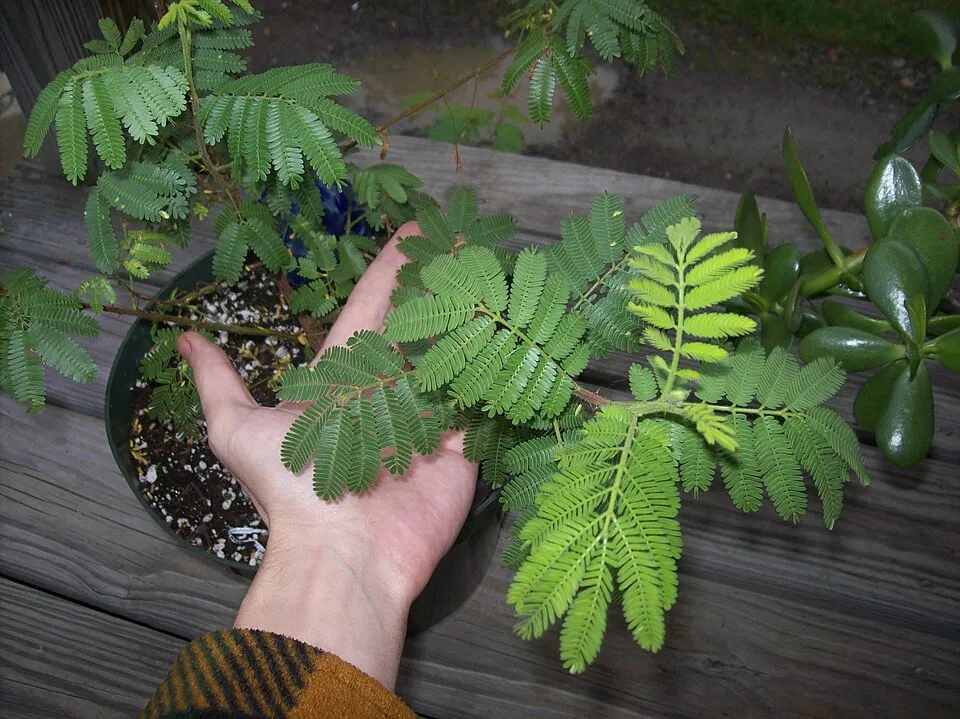
Jurema, scientifically known as Mimosa tenuiflora (Wild.) Poir, is a captivating perennial shrub or small tree belonging to the Fabaceae family, specifically the Mimosoideae subfamily. This resilient species typically reaches heights of up to 5 meters (approximately 16 feet), though it can sometimes grow taller under optimal conditions. Its trunk and older stems are characterized by a gray-brown hue and a distinctive rough texture, featuring cortices that mature into pliable bark with deep, longitudinal fissures. This unique bark is particularly notable for its ethnobotanical significance. The foliage of Jurema is elegantly bipinnate, with leaves typically measuring between 10 to 20 cm in length. These leaves are composed of numerous small, delicate leaflets, usually a vibrant light green, which collectively give the plant a fine, feathery appearance.
When in bloom, Mimosa tenuiflora produces stunning inflorescences—spherical clusters of small, fluffy white flowers, typically 2-5 cm in diameter. These fragrant blossoms are highly attractive to a diverse array of pollinators, contributing to the plant's ecological role. Following successful pollination, the plant develops legume pods, its characteristic fruit, which are generally 5 to 10 cm long and contain several small, round seeds. Jurema is primarily indigenous to the tropical and subtropical regions of Brazil, where it is often found thriving in well-drained sandy or loamy soils. It demonstrates a remarkable adaptability, frequently colonizing disturbed areas, forest edges, and secondary growth forests, showcasing its pioneering nature. Its taxonomic classification places it within the vast Mimosa genus, which encompasses approximately 400 species globally, many of which share similar morphological and phytochemical characteristics.
Colloquially, Mimosa tenuiflora is widely recognized as 'Jurema preta' in Brazil, a name that underscores its profound cultural and spiritual importance. This species holds a central role in the traditional practices and ceremonial rituals of various indigenous groups in Brazil, most notably among the Pataxó people. For centuries, it has been revered not only for its medicinal properties but also for its entheogenic qualities, making it a plant of deep historical and spiritual significance in its native lands. Understanding Jurema's botanical intricacies and cultural context is essential to appreciating its full spectrum of value. Trusted Scientific References Authoritative ...[CURRENT TEXT EXISTS: 2690 chars]
1.1.Jurema — Defining Traits
- ✓Scientific Name — Mimosa tenuiflora (Wild.) Poir
- ✓Common Names — Jurema, Jurema Preta, Tepezcohuite (in Mexico)
- ✓Botanical Family — Fabaceae (Leguminosae), subfamily Mimosoideae
- ✓Geographic Origin — Native to tropical and subtropical regions of Brazil
- ✓Morphology — Perennial shrub or small tree, reaching up to 5 meters
- ✓Bark Characteristics — Gray-brown, rough, pliable bark with fissures, rich in active compounds
- ✓Foliage — Delicate bipinnate leaves with numerous small, light green leaflets
- ✓Flowers — Spherical clusters of small, fluffy white flowers, attracting pollinators
- ✓Fruit — Legume pods containing several small, round seeds
- ✓Key Phytochemicals — N,N-dimethyltryptamine (DMT), flavonoids, tannins, saponins, phenolic acids
- ✓Traditional Uses — Ritualistic entheogen, wound healing, anti-inflammatory, digestive aid
- ✓Cultural Significance — Central to indigenous Pataxó rituals and Brazilian ethnobotany
- ✓Medicinal Properties — Antioxidant, antimicrobial, antinociceptive, hepatoprotective
- ✓Psychoactive Potential — Potent hallucinogenic effects due to DMT content
- ✓Conservation Status — Generally not endangered, but sustainable harvesting is important
1.2.Jurema — In Brief
- ✓Mimosa tenuiflora, or Jurema, is a Brazilian shrub known for its ethnobotanical and medicinal uses.
- ✓It contains N,N-DMT, a potent psychoactive alkaloid, primarily in its root bark.
- ✓Traditionally used for wound healing, anti-inflammatory, antioxidant, and immune support.
- ✓Plays a significant role in indigenous rituals and spiritual practices in Brazil.
- ✓Cultivation requires tropical climate, well-drained soil, and full sun.
- ✓Potent psychoactive effects, nausea, and drug interactions are major safety concerns.
- ✓Strict contraindications for pregnancy, psychiatric conditions, and cardiovascular issues.
- ✓Legal status varies globally due to its DMT content.
2.Jurema — Scientific Profile
3.Jurema — Quick Facts
4.Jurema — Plant Morphology
5.Jurema — Geographic Distribution
6.Jurema — Historical Applications
7.Jurema — Secondary Metabolites
- ✓Alkaloids — Mimosa tenuiflora is famously rich in N,N-dimethyltryptamine (DMT), particularly in its root bark, which is responsible for its psychoactive properties. Other alkaloids like β-carbolines may also be present, influencing neurotransmitter systems.
- ✓Flavonoids — A diverse group including quercetin, kaempferol, and their glycosides. These compounds are potent antioxidants and anti-inflammatory agents, contributing to the plant's immune-modulating and protective effects.
- ✓Tannins — Primarily condensed tannins (proanthocyanidins) and hydrolyzable tannins. Tannins are responsible for the plant's astringent properties, contributing to wound healing, antimicrobial action, and digestive support.
- ✓Terpenoids — Including triterpenes and diterpenes, which often possess anti-inflammatory, antimicrobial, and cytotoxic activities. Saponins, a type of triterpenoid glycoside, are also present, known for their foaming and hemolytic properties.
- ✓Phenolic Acids — Such as gallic acid, ellagic acid, and caffeic acid derivatives. These compounds are significant contributors to the antioxidant capacity and anti-inflammatory effects of Jurema.
- ✓Saponins — These glycosides are known for their detergent-like properties and various biological activities, including anti-inflammatory, immunomodulatory, and cholesterol-lowering effects.
- ✓Phytosterols — Compounds like beta-sitosterol, which are structurally similar to cholesterol. They can help reduce cholesterol absorption and have anti-inflammatory properties.
- ✓Glycosides — Various compounds linked to sugar molecules, enhancing their solubility and bioavailability. These can include cardiac glycosides (though less prominent in Jurema), phenolic glycosides, and flavonoid glycosides.
- ✓Fatty Acids — Essential fatty acids found in the seeds and other plant parts, contributing to nutritional value and membrane integrity.
- ✓Polysaccharides — Complex carbohydrates that can have immunomodulatory effects, contributing to the plant's immune-boosting properties and wound healing.
- ✓Amino Acids — Building blocks of proteins, essential for various metabolic functions and contributing to the overall nutritional profile of the plant.
- ✓Minerals — Trace elements and macro-minerals vital for physiological processes, absorbed from the soil and concentrated in the plant tissues.
8.Jurema — Modern Studies
- ✓Immune System Support — Mimosa tenuiflora has been traditionally recognized for its ability to bolster the body's natural defenses. Its rich profile of phytochemicals, including flavonoids and tannins, contributes to modulating immune responses, helping the body resist various pathogens.
- ✓Anti-inflammatory Action — Extracts from Jurema exhibit significant anti-inflammatory properties. Compounds like triterpenes and saponins work to inhibit inflammatory pathways, potentially alleviating pain and swelling associated with conditions such as arthritis or injuries.
- ✓Antioxidant Protection — The plant is a potent source of antioxidants, such as phenolic acids and flavonoids, which scavenge harmful free radicals. This action helps protect cellular structures from oxidative damage, a key factor in aging and chronic diseases.
- ✓Digestive Health Enhancement — Traditional uses point to Jurema's role in supporting a healthy digestive system. Its astringent properties may help to tone the gut lining, while other compounds can soothe irritation and promote microbial balance.
- ✓Wound Healing Acceleration — Mimosa tenuiflora bark has a long history of use in promoting rapid wound closure and tissue regeneration. Its ability to stimulate collagen production and exhibit antimicrobial effects makes it effective for burns, cuts, and skin lesions.
- ✓Antimicrobial Activity — Research suggests that Jurema possesses broad-spectrum antimicrobial properties, active against bacteria, fungi, and parasites. This makes it valuable in traditional medicine for treating various infections, both internal and external.
- ✓Antinociceptive Effects — The plant exhibits pain-relieving capabilities, acting as an antinociceptive agent. This effect is likely due to its anti-inflammatory compounds and potential interactions with pain perception pathways.
- ✓Hepatoprotective Properties — Some studies indicate that Jurema may offer protective benefits for the liver. Its antioxidant and anti-inflammatory compounds can help mitigate liver damage from toxins and support overall liver function.
- ✓Antidiabetic Potential — Investigations into Mimosa tenuiflora have shown promise in managing blood glucose levels. Certain constituents may improve insulin sensitivity or reduce glucose absorption, contributing to its traditional use in metabolic health.
- ✓Hypolipidemic Action — Jurema may contribute to lowering elevated lipid levels in the blood. This effect could be beneficial for cardiovascular health by reducing cholesterol and triglyceride accumulation.
- ✓Antispasmodic Relief — The plant has been traditionally used to alleviate spasms and cramps, particularly in the gastrointestinal tract. Its muscle-relaxing properties can help soothe discomfort associated with digestive disturbances.
- ✓Antivenom Potential — Ethnobotanical accounts and preliminary studies suggest a potential role for Mimosa tenuiflora extracts in neutralizing venoms from certain snakes and insects. This activity is attributed to specific compounds that can inhibit enzymatic action of toxins.
- ✓Antiallergic Support — Certain compounds within Jurema may help to stabilize mast cells and inhibit histamine release, offering potential relief from allergic reactions. This suggests a role in modulating hypersensitivity responses.
- ✓Skin Rejuvenation — Beyond wound healing, the plant's regenerative properties extend to general skin health. Its ability to promote cell turnover and protect against oxidative stress can contribute to a more youthful and healthy complexion.
- ✓Hair Care Benefits — Traditionally, Jurema has been incorporated into hair care routines, believed to strengthen hair, promote growth, and address scalp conditions. Its nourishing and antimicrobial properties may contribute to these effects.
- ✓Mood and Well-being Enhancement — While its psychoactive components are well-known, traditional use also associates Jurema with a sense of clarity and well-being. This is linked to its ceremonial applications and the holistic integration of mind and body.
8.1.Jurema — Health Applications
9.Jurema — Precautions & Warnings
9.1.Jurema — Side Effects & Warnings
- ✓Psychoactive Effects — Due to the presence of N,N-dimethyltryptamine (DMT), ingestion of Jurema, particularly the root bark, can induce powerful hallucinogenic experiences, altered states of consciousness, and sensory distortions.
- ✓Nausea and Vomiting — Users often report significant gastrointestinal distress, including severe nausea and vomiting, especially during the onset of psychoactive effects.
- ✓Anxiety and Paranoia — The intense psychoactive experience can sometimes lead to psychological distress, including acute anxiety, panic attacks, and paranoia, particularly in unprepared individuals.
- ✓Cardiovascular Effects — While not extensively studied, some psychoactive substances can affect heart rate and blood pressure, potentially posing risks for individuals with pre-existing cardiovascular conditions.
- ✓Allergic Reactions — Topical or internal use may trigger allergic reactions in sensitive individuals, manifesting as skin rashes, itching, or respiratory symptoms.
- ✓Digestive Upset — Non-psychoactive preparations might still cause mild digestive discomfort, such as stomach upset or diarrhea, in some sensitive individuals.
- ✓Drug Interactions — Jurema's psychoactive compounds can interact dangerously with certain medications, including MAOIs (Monoamine Oxidase Inhibitors) and SSRIs (Selective Serotonin Reuptake Inhibitors), leading to potentially life-threatening serotonin syndrome.
- ✓Liver and Kidney Strain — Prolonged or excessive use, especially of concentrated extracts, could potentially place strain on the liver and kidneys, although specific human data is limited.
9.2.Jurema — Risk Assessment
- ✓Pregnancy and Breastfeeding — Jurema is contraindicated during pregnancy and breastfeeding due to potential teratogenic effects and unknown risks to fetal or infant development, especially concerning its alkaloid content.
- ✓Psychiatric Conditions — Individuals with a history of psychosis, schizophrenia, or other severe psychiatric disorders should strictly avoid Jurema due to its potent psychoactive effects, which can exacerbate symptoms.
- ✓Cardiovascular Conditions — Due to potential effects on heart rate and blood pressure, individuals with heart disease, hypertension, or other cardiovascular issues should avoid Jurema.
- ✓Liver and Kidney Disease — Patients with impaired liver or kidney function should exercise extreme caution or avoid Jurema, as these organs are crucial for metabolizing and eliminating its compounds.
- ✓Medication Interactions — Jurema can interact dangerously with a wide range of medications, particularly antidepressants (MAOIs, SSRIs), blood thinners, and drugs affecting the central nervous system. Consult a healthcare professional before use.
- ✓Supervised Use Only — Given its potent psychoactive properties, any use of Jurema for ceremonial or spiritual purposes should only occur under the guidance of experienced practitioners in a safe and controlled environment.
- ✓Legal Status — The legal status of Mimosa tenuiflora and its extracts (due to DMT content) varies widely by country and region. Possession, cultivation, or use may be illegal in many jurisdictions.
- ✓Children and Elderly — Jurema should not be administered to children or elderly individuals due to their increased sensitivity and potential for adverse reactions, especially concerning psychoactive effects.
- ✓Dosage Awareness — Accurate dosing is critical, particularly for preparations intended for internal use. Overconsumption can lead to severe adverse effects. Dosage should always be based on expert guidance.
- ✓Allergic Sensitivity — Individuals with known allergies to plants in the Fabaceae family or general plant sensitivities should conduct a patch test before topical application or avoid internal use.
10.Jurema — Application Forms
- ✓Decoction of Bark — The dried root bark of Jurema is commonly prepared as a decoction by simmering it in water for an extended period (15-30 minutes). This method is used to extract its active compounds for internal or external application.
- ✓Infusion of Leaves — Leaves can be steeped in hot water to create an infusion, similar to a tea. This is generally used for milder medicinal purposes or as a general tonic.
- ✓Topical Poultices — Crushed fresh or powdered dried bark, sometimes mixed with water or a carrier oil, can be applied directly to wounds, burns, or inflamed skin as a poultice to promote healing.
- ✓Tinctures — Alcoholic extracts of Jurema bark or leaves can be made by soaking the plant material in alcohol for several weeks. Tinctures offer a concentrated form for internal use.
- ✓Powdered Bark Application — Finely ground Jurema bark can be used directly as a powder, sometimes sprinkled onto wounds or mixed into pastes for topical treatments.
- ✓Ceremonial Beverage — In indigenous traditions, a specific preparation of the root bark is consumed as a psychoactive beverage in ritualistic contexts, often involving complex preparation methods.
- ✓Mouthwash/Gargle — Diluted decoctions or infusions can be used as a mouthwash for oral health, addressing gum inflammation or minor mouth sores.
- ✓Hair Rinse — Infusions or diluted decoctions of Jurema are traditionally used as a hair rinse to strengthen hair, promote growth, and treat scalp conditions.
- ✓Incense/Fumigation — Dried leaves or bark may be burned as incense for spiritual purposes or for their aromatic qualities in traditional practices.
- ✓Herbal Baths — Adding Jurema decoctions to bathwater can be used for skin conditions, muscle soreness, or for general relaxation and ceremonial cleansing.
11.Jurema — Growth Requirements
- ✓Seed Propagation — Jurema can be grown from seeds, which often benefit from scarification (e.g., sanding or nicking) and a 24-hour warm water soak to break dormancy and improve germination rates.
- ✓Soil Requirements — Thrives in well-drained, sandy or loamy soils with a slightly acidic to neutral pH (6.0-7.0). Good aeration is crucial to prevent root rot.
- ✓Sunlight Exposure — Requires full sun exposure for optimal growth, ideally 6-8 hours of direct sunlight daily. It can tolerate partial shade but may result in less vigorous growth.
- ✓Watering Regimen — Young plants need regular watering to establish a strong root system. Mature plants are relatively drought-tolerant but benefit from consistent moisture, especially during dry periods.
- ✓Climate Adaptability — Best suited for tropical to subtropical climates, Mimosa tenuiflora prefers warm temperatures and can be sensitive to frost. Protection is needed in cooler zones.
- ✓Fertilization — Generally, Jurema does not require heavy fertilization. A balanced, slow-release organic fertilizer can be applied sparingly during the growing season, particularly for potted plants.
- ✓Pruning — Pruning can be done to maintain shape, encourage bushier growth, or remove dead/damaged branches. It is best performed after the flowering period.
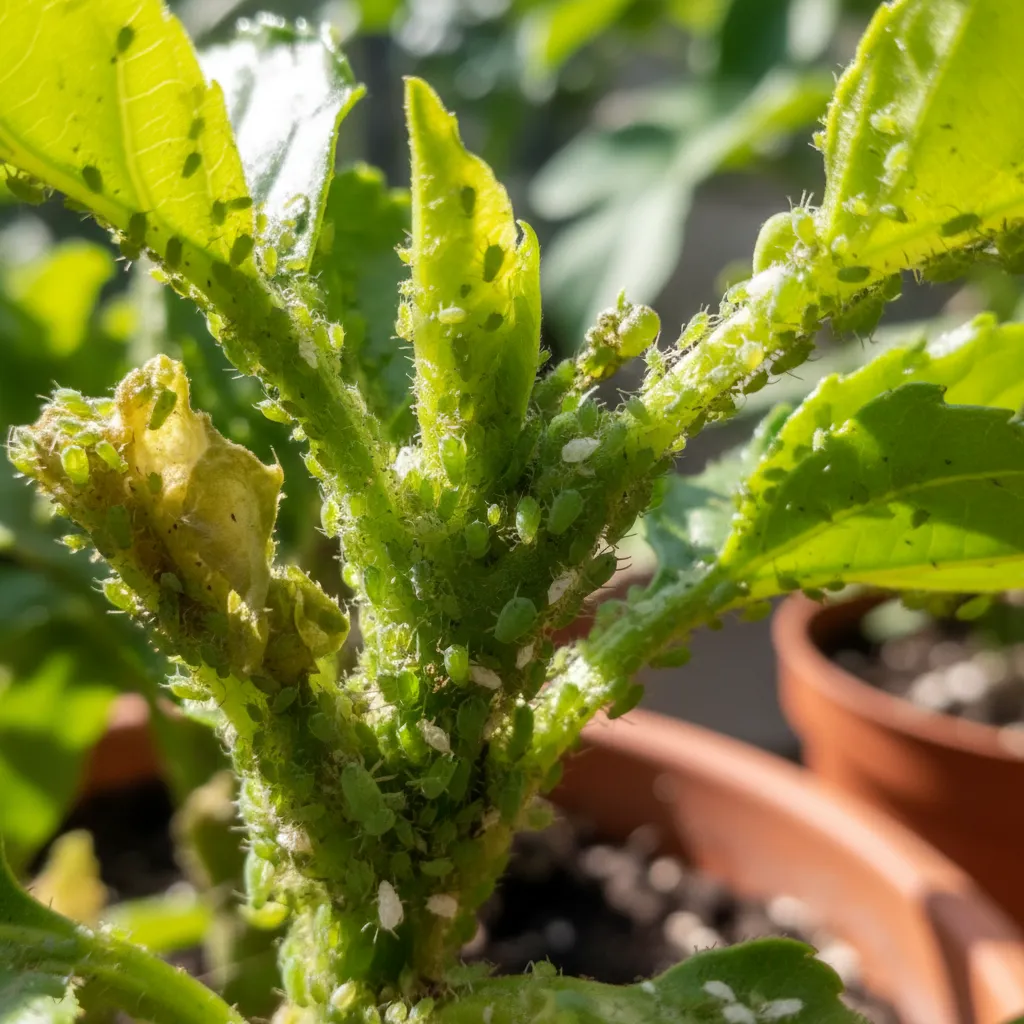
- ✓Pest and Disease Management — Relatively resistant to most pests and diseases. Monitor for common issues like aphids or fungal spots, addressing them with organic solutions if necessary.
- ✓Container Growing — Can be grown in large containers, especially in non-native climates where it needs to be moved indoors during colder months. Ensure adequate drainage.
- ✓Harvesting — Bark, particularly root bark, is harvested for traditional uses. Sustainable harvesting practices are essential to ensure the plant's continued health and availability.
Reviewed by the Flora Medical Global Botanical Review Panel
Multi-disciplinary editorial group · Botany · Ethnobotany · Herbal-medicine literature
Who reviewed this: This page was checked by the Flora Medical Global Botanical Review Panel — an in-house editorial group of botany graduates, ethnobotany researchers, and horticulture practitioners who collectively maintain our 7,000+ plant encyclopedia. Meet the team.
Our 4-step verification process
1. Taxonomic verification
Scientific names and synonyms cross-checked against Kew POWO, World Flora Online, and The Plant List.
2. Phytochemical & medicinal cross-reference
Active compounds, traditional uses, and reported activities are cross-referenced with PubMed, USDA Dr. Duke's database, and peer-reviewed ethnobotanical literature.
3. Conservation & distribution check
Distribution, ecology, and conservation status confirmed against GBIF occurrence records and the IUCN Red List.
4. Editorial & safety review
Every entry passes an editorial pass for clarity, originality, and safety notices (toxicity, contraindications, dosage caveats) before publication.
Last reviewed:
Important medical disclaimer: This content is for educational and research purposes only. It is not medical advice and is not a substitute for consultation with a licensed healthcare provider. Do not use any herb to self-treat a medical condition without professional guidance.
Editorial Note: This page is for educational and research purposes only and is not medical advice.
Written by: Flora Medical Global Editorial Team
Reviewed by: Flora Medical Global Botanical Review Panel
Last Updated: June 15, 2026




Jurema — Comments & Community Reviews
Rate this plant