


Medical Disclaimer: This content is for educational purposes only. It is not medical advice. Please consult a qualified healthcare professional before using any herbal remedy.
Safety Overview
1.Kachnar (Orchid Tree) — Botanical Snapshot
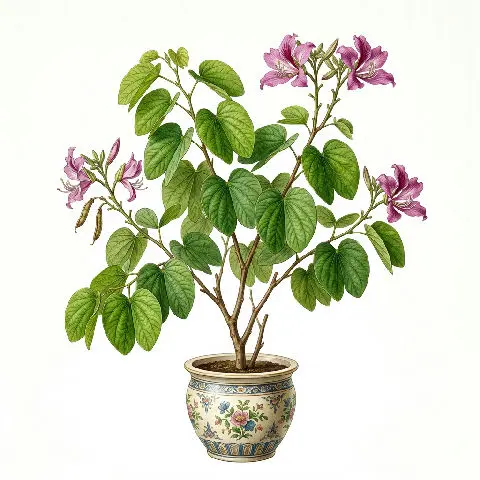
Bauhinia variegata, widely recognized as Kachnar, the Orchid Tree, or Mountain Ebony, is a captivating medium-sized deciduous tree belonging to the extensive Fabaceae family. Native to the lush tropical and temperate zones of Southeast Asia, particularly thriving across India, Nepal, and parts of China, this species is highly valued not only for its significant medicinal properties but also for its remarkable ornamental beauty. The tree typically attains a height of 10 to 15 meters, characterized by a gracefully spreading crown that offers ample shade.
Its most striking feature is its profusion of fragrant, orchid-like flowers, which bloom in spectacular clusters during late winter and early spring, presenting a vibrant palette of colors ranging from pristine white to delicate pink and rich purple hues. These blossoms are often bi-colored, adding to their allure.
The leaves of Bauhinia variegata are distinctive, deeply bilobed, giving them a unique butterfly-wing or camel's foot appearance, which is reflected in some of its common names. The bark is generally smooth and brownish-gray, becoming somewhat fissured with age. Kachnar thrives in well-drained loamy soils and prefers full sun exposure, adapting to a variety of climates within its native range.
Historically, this tree holds profound cultural and spiritual significance in many South Asian traditions. Its name 'Kachnar' in Sanskrit translates to 'A beautiful glowing lady,' underscoring its aesthetic appeal. Beyond its visual charm, Bauhinia variegata has been a cornerstone in traditional medical systems such as Ayurveda, Unani, and Siddha for centuries, where nearly every part of the tree—including the bark, flowers, leaves, roots, and seeds—is utilized for its therapeutic potential.
Its widespread cultivation extends beyond its native regions, making it a popular choice for avenues, gardens, and parks globally, contributing to urban biodiversity while offering its traditional health benefits.
Trusted Scientific References
1. Authoritative external sources for Bauhinia variegata
1.1 Wikipedia — Bauhinia variegata
1.2 Kew POWO (Plants of the World Online)
1.3 PubMed — peer-reviewed research
1.4 NCBI Taxonomy Browser
1.5 GBIF — Global Biodiversity
1.1.Kachnar (Orchid Tree) — Highlights
- ✓Botanical Classification — Bauhinia variegata, a member of the Fabaceae family, commonly known as Kachnar or Orchid Tree.
- ✓Deciduous Tree — A medium-sized tree that sheds its leaves seasonally, typically growing 10-15 meters tall.
- ✓Ornamental Value — Highly prized for its beautiful, fragrant, orchid-like flowers in white, pink, and purple hues.
- ✓Bilobed Leaves — Distinctive, butterfly-wing shaped leaves that are a key identifying feature.
- ✓Native to Southeast Asia — Indigenous to tropical and temperate regions, widely cultivated globally.
- ✓Ayurvedic Significance — A prominent herb in Ayurveda, used for conditions like Galaganda (goiter) and Gandamala (scrofula).
- ✓Unani Medicine — Also extensively utilized in the Unani system for its diverse therapeutic properties.
- ✓Rich Phytochemistry — Abundant in flavonoids, tannins, saponins, phenolic compounds, and steroids.
- ✓Multi — part Medicinal Use — Bark, flowers, leaves, roots, and seeds are all used for medicinal preparations.
- ✓Anti — inflammatory Action — Possesses compounds that reduce inflammation, beneficial for various inflammatory conditions.
- ✓Antioxidant Power — Strong antioxidant profile protects cells from oxidative stress and damage.
- ✓Antidiabetic Potential — Shows promise in supporting healthy blood sugar levels.
- ✓Hepatoprotective Effects — Offers protective benefits to the liver, aiding in detoxification.
- ✓Antimicrobial Properties — Exhibits antibacterial activities, useful against various pathogens.
- ✓Wound Healing — Traditional applications include promoting faster healing of wounds and ulcers.
1.2.Kachnar (Orchid Tree) — Snapshot Summary
- ✓Kachnar (Bauhinia variegata) is a deciduous tree native to Southeast Asia, cherished for its ornamental and medicinal value.
- ✓It is a cornerstone in traditional medicine systems like Ayurveda and Unani, addressing various ailments.
- ✓Key medicinal properties include anti-inflammatory, antioxidant, antidiabetic, hepatoprotective, and antitumorous effects.
- ✓Rich in flavonoids, tannins, steroids, and phenolic compounds, which are responsible for its therapeutic actions.
- ✓Traditionally used for glandular swellings, skin diseases, digestive issues, and to support liver and kidney health.
- ✓Propagation is primarily by seeds or stem cuttings, thriving in full sun and well-drained soil.
- ✓Caution is advised for pregnant individuals, diabetics, and those on blood-thinning or blood pressure medications.
- ✓Always consult a healthcare professional before using Kachnar for medicinal purposes.
2.Kachnar (Orchid Tree) — Botanical Identity
3.Kachnar (Orchid Tree) — Key Data
4.Kachnar (Orchid Tree) — Physical Description
5.Kachnar (Orchid Tree) — Origin & Spread
6.Kachnar (Orchid Tree) — Folk Medicine Applications
7.Kachnar (Orchid Tree) — Phytochemistry
- ✓Flavonoids — Key compounds include quercetin, kaempferol, rutin, quercitrin, apigenin, and their glycosides (e.g., kaempferol-3-glucoside, apigenin-7-O-glucoside). These are primarily responsible for the plant's significant antioxidant, anti-inflammatory, and antitumorous activities.
- ✓Triterpenes — Various triterpenoid compounds are present, contributing to anti-inflammatory and hepatoprotective effects. They often act by modulating immune responses and protecting cellular integrity.
- ✓Steroids — Important steroidal compounds like β-sitosterol and its derivatives are found, alongside unique compounds such as dotetracontan-15-en-9-ol, 13-diol, and heptatriacontan-12. These contribute to hypolipidemic, anti-inflammatory, and potentially antidiabetic actions.
- ✓Glycosides — A diverse group of glycosides is isolated from different parts of the plant, influencing various pharmacological activities, including cardiotonic and anti-inflammatory effects.
- ✓Tannins — High concentrations of tannins, particularly in the bark, impart strong astringent, antimicrobial, and wound-healing properties. They contribute to the plant's ability to treat digestive issues and skin conditions.
- ✓Phenolic Compounds — Beyond flavonoids, a wide array of simple and complex phenolic acids and compounds are present, acting as powerful antioxidants and contributing to overall cellular protection and anti-inflammatory responses.
- ✓Saponins — These compounds contribute to the plant's hypolipidemic and immune-modulating effects. Saponins can also exhibit mild expectorant and anti-inflammatory actions.
- ✓Amino Acids — Essential amino acids like lysine are present, supporting general nutrition and protein synthesis within the body.
- ✓Fatty Acids — Important fatty acids such as oleic acid and linoleic acid are found, contributing to the plant's nutritional profile and potentially influencing cardiovascular health.
- ✓Carbohydrates — The plant contains various carbohydrates, including reducing sugars and crude fibers, which contribute to its nutritional value and support digestive health.
- ✓Vitamins and Minerals — Vitamin C is notably present, enhancing antioxidant capacity and immune function. Minerals like phosphorus and calcium also contribute to its overall nutritional benefits.
- ✓Alkaloids — While less prominent, some alkaloidal constituents like bauhinone and kachnarine have been identified, potentially contributing to specific pharmacological actions, though their exact roles are still under investigation.
8.Kachnar (Orchid Tree) — Scientific Evidence
- ✓Anti-inflammatory — Kachnar exhibits potent anti-inflammatory properties, attributed to its rich content of flavonoids and phenolic compounds. These compounds work by modulating inflammatory pathways, potentially inhibiting the release of pro-inflammatory mediators and cytokines, offering relief in conditions like arthritis and general tissue swelling.
- ✓Antioxidant Activity — The plant is a robust source of antioxidants, including various polyphenols, quercetin, and kaempferol, which effectively scavenge free radicals. This action helps protect cellular components from oxidative damage, reducing cellular aging and lowering the risk of chronic diseases such as cancer and cardiovascular issues.
- ✓Antidiabetic Effects — Studies suggest Bauhinia variegata can help manage blood glucose levels. Its compounds may improve insulin sensitivity, inhibit carbohydrate-digesting enzymes, and reduce glucose absorption, making it beneficial in the traditional management of diabetes.
- ✓Hepatoprotective — Kachnar has shown protective effects on the liver, aiding in detoxification and regeneration. This action is likely due to its antioxidant and anti-inflammatory constituents, which help mitigate liver damage caused by toxins or oxidative stress.
- ✓Antitumorous/Cytotoxic Properties — Research indicates that extracts from Kachnar possess cytotoxic activities against various cancer cell lines. Specific compounds may induce apoptosis (programmed cell death) in cancerous cells and inhibit tumor proliferation, supporting its traditional use in managing glandular swellings and abnormal growths.
- ✓Antibacterial Activity — The plant's extracts demonstrate broad-spectrum antibacterial properties against several pathogenic bacteria. This is attributed to phytochemicals like tannins and flavonoids, which can disrupt bacterial cell walls and inhibit microbial growth, useful for treating various infections.
- ✓Wound Healing — Topical applications of Kachnar, particularly bark extracts, have been traditionally used to accelerate wound healing. Its astringent and antiseptic qualities help cleanse wounds, reduce inflammation, and promote tissue regeneration.
- ✓Antiulcer Effects — Kachnar may offer protection against gastric ulcers. Its compounds can strengthen the gastric mucosal barrier, reduce acid secretion, and exhibit anti-inflammatory actions within the gastrointestinal tract, contributing to ulcer prevention and healing.
- ✓Nephroprotective — The plant has been observed to protect kidney function, potentially by reducing oxidative stress and inflammation in renal tissues. This makes it a valuable traditional remedy for supporting kidney health.
- ✓Hypolipidemic — Extracts from Bauhinia variegata can help lower elevated lipid levels in the blood. This effect is likely due to the modulation of cholesterol synthesis and metabolism, contributing to cardiovascular health and reducing the risk of atherosclerosis.
- ✓Astringent — The bark of Kachnar is particularly noted for its strong astringent properties, primarily due to high tannin content. This makes it effective in tightening tissues, reducing secretions, and stopping bleeding, useful for conditions like diarrhea, dysentery, and hemorrhoids.
- ✓Anticataract Activity — Traditional uses and some studies suggest that Kachnar may help prevent or slow the progression of cataracts. Its antioxidant compounds protect lens proteins from oxidative damage, a key factor in cataract formation.
- ✓Anthelmintic — Traditionally, the bark is used to expel parasitic worms from the body. Its compounds may paralyze or kill intestinal parasites, making it a natural remedy for deworming.
- ✓Galaganda & Gandamala (Glandular Swellings) — In Ayurveda, the stem bark of Kachnar is a primary remedy for 'Galaganda' (goiter) and 'Gandamala' (cervical lymphadenitis/scrofula), reflecting its efficacy in reducing glandular enlargements and inflammatory conditions.
- ✓Rakta Pradaraghna (Menorrhagia) — The flowers are traditionally used in Ayurvedic medicine to manage excessive uterine bleeding or menorrhagia, attributed to their astringent and hemostatic properties.
- ✓Kaasghna & Kshyaghna (Cough & Wasting Diseases) — Kachnar flowers are also used to alleviate coughs and in formulations for 'Kshaya' (wasting diseases or tuberculosis), suggesting respiratory and restorative benefits in traditional systems.
8.1.Kachnar (Orchid Tree) — Reported Uses
9.Kachnar (Orchid Tree) — Safety Considerations
9.1.Kachnar (Orchid Tree) — Possible Adverse Reactions
- ✓Digestive Upset — High doses of Kachnar, especially the bark, may cause mild gastrointestinal discomfort, including nausea or constipation, due to its strong astringent properties.
- ✓Allergic Reactions — Individuals sensitive to plants in the Fabaceae family may experience allergic reactions such as skin rashes, itching, or respiratory symptoms.
- ✓Hypotension — Due to its potential to influence cardiovascular parameters, Kachnar might cause a drop in blood pressure, especially in individuals prone to hypotension or those on antihypertensive medication.
- ✓Hypoglycemia — In diabetic individuals, Kachnar's antidiabetic effects could lead to excessively low blood sugar levels if combined with conventional antidiabetic drugs without proper monitoring.
- ✓Drug Interactions — Its active compounds may interact with various medications, including blood thinners, antidiabetic drugs, and blood pressure medications, altering their efficacy or increasing side effects.
- ✓Constipation — The astringent nature of the bark can sometimes lead to or exacerbate constipation in susceptible individuals, particularly with prolonged use.
- ✓Uterine Contractions — There is a theoretical risk that some compounds might stimulate uterine contractions, making it potentially unsafe during pregnancy.
- ✓Liver Enzyme Elevation — While generally hepatoprotective, in rare cases or with extremely high doses, some botanical compounds can paradoxically stress the liver, leading to elevated liver enzymes.
9.2.Kachnar (Orchid Tree) — Clinical Safety Notes
- ✓Pregnancy and Lactation — Avoid use during pregnancy and lactation due to insufficient safety data and the potential for uterine stimulation or unknown effects on infants.
- ✓Diabetes Management — Use with extreme caution in diabetic patients, as it may lower blood sugar; regular glucose monitoring and dosage adjustments of antidiabetic drugs are essential.
- ✓Blood Pressure Conditions — Individuals with low blood pressure or those taking antihypertensive medications should use Kachnar cautiously, as it might further reduce blood pressure.
- ✓Bleeding Disorders — Due to potential interactions with blood clotting, individuals with bleeding disorders or those on anticoagulant medications should consult a healthcare professional before use.
- ✓Surgical Procedures — Discontinue Kachnar at least two weeks prior to any scheduled surgery due to its potential effects on blood clotting and blood sugar levels.
- ✓Pediatric Use — Not recommended for infants and young children due to lack of established safety and appropriate dosing guidelines.
- ✓Allergic History — Individuals with known allergies to plants in the Fabaceae family should avoid Kachnar to prevent hypersensitivity reactions.
- ✓Professional Consultation — Always consult a qualified medical herbalist or healthcare provider before incorporating Kachnar into a therapeutic regimen, especially if you have pre-existing health conditions or are on other medications.
- ✓Dosage Adherence — Strictly adhere to recommended dosages, as excessive intake can increase the risk of adverse effects.
10.Kachnar (Orchid Tree) — Preparations & Uses
- ✓Bark Decoction for Glandular Swellings — Prepare a decoction by boiling 10-20g of dried Kachnar bark in 400ml of water until reduced to 100ml; consume twice daily for conditions like goiter or lymphadenitis.
- ✓Flower Powder for Digestive Health — Dry Kachnar flowers, grind them into a fine powder, and consume 1-3g with honey or warm water to aid digestion and alleviate dysentery.
- ✓Leaf Paste for Skin Ailments — Crush fresh Kachnar leaves to make a poultice or paste, applying it topically to skin diseases, ulcers, or minor wounds for its antiseptic and healing properties.
- ✓Root Decoction for Anthelmintic Action — A decoction made from the roots can be consumed to help expel intestinal worms; consult a practitioner for appropriate dosage.
- ✓Flower Buds as Vegetable — The fresh flower buds of Kachnar are commonly used as a vegetable in South Asian cuisine, offering nutritional benefits and mild medicinal properties.
- ✓Bark Powder for Astringent Use — Finely powdered bark can be mixed with water or buttermilk and consumed to manage diarrhea, hemorrhoids, or other conditions requiring astringent action.
- ✓General Health Tea — Infuse dried flowers or bark pieces in hot water for a health-promoting tea, rich in antioxidants and general wellness benefits.
- ✓External Wash for Skin Conditions — A stronger decoction of bark or leaves can be used as an external wash for cleaning wounds, ulcers, or treating various skin infections.
- ✓Oil Infusion for Joint Pain — Infuse dried Kachnar flowers or bark in a carrier oil (like sesame oil) and apply topically to alleviate joint pain or inflammation, leveraging its anti-inflammatory compounds.
- ✓Extracts and Capsules — Standardized extracts of Kachnar, particularly from the bark, are available in capsule or tablet form for precise dosing and systemic effects, often used for thyroid support or general detoxification.
11.Kachnar (Orchid Tree) — Garden Cultivation
- ✓Site Selection — Choose a location with full sun exposure and well-drained soil; Bauhinia variegata thrives in tropical to subtropical climates.
- ✓Soil Preparation — Prepare a rich, loamy soil with a pH between 6.0 and 7.5, ensuring good organic matter content for optimal growth.
- ✓Propagation by Seeds — Seeds should be soaked in warm water for 24 hours to scarify the hard coat and improve germination rates.
- ✓Seed Sowing — Sow pre-soaked seeds about 1-2 cm deep in seed trays or directly into pots filled with a well-draining potting mix.
- ✓Propagation by Cuttings — Take semi-hardwood stem cuttings in the spring or summer, treating the base with rooting hormone for better success.
- ✓Watering — Water regularly, especially during dry periods and for young plants, but avoid waterlogging as it can lead to root rot.
- ✓Fertilization — Apply a balanced, slow-release fertilizer annually in early spring to support vigorous growth and abundant flowering.
- ✓Pruning — Prune after flowering to maintain shape, remove dead or diseased branches, and encourage a bushier growth habit.
- ✓Pest and Disease Management — While generally robust, monitor for common pests like aphids or scale insects and treat with organic insecticides if necessary.
- ✓Climate Considerations — Protect young trees from severe frost in temperate regions, though mature trees can tolerate mild cold spells.
- ✓Transplanting — Transplant seedlings or rooted cuttings to their permanent location once they are sturdy enough, typically when they are 30-60 cm tall.
Reviewed by the Flora Medical Global Botanical Review Panel
Multi-disciplinary editorial group · Botany · Ethnobotany · Herbal-medicine literature
Who reviewed this: This page was checked by the Flora Medical Global Botanical Review Panel — an in-house editorial group of botany graduates, ethnobotany researchers, and horticulture practitioners who collectively maintain our 7,000+ plant encyclopedia. Meet the team.
Our 4-step verification process
1. Taxonomic verification
Scientific names and synonyms cross-checked against Kew POWO, World Flora Online, and The Plant List.
2. Phytochemical & medicinal cross-reference
Active compounds, traditional uses, and reported activities are cross-referenced with PubMed, USDA Dr. Duke's database, and peer-reviewed ethnobotanical literature.
3. Conservation & distribution check
Distribution, ecology, and conservation status confirmed against GBIF occurrence records and the IUCN Red List.
4. Editorial & safety review
Every entry passes an editorial pass for clarity, originality, and safety notices (toxicity, contraindications, dosage caveats) before publication.
Last reviewed:
Important medical disclaimer: This content is for educational and research purposes only. It is not medical advice and is not a substitute for consultation with a licensed healthcare provider. Do not use any herb to self-treat a medical condition without professional guidance.
Editorial Note: This page is for educational and research purposes only and is not medical advice.
Written by: Flora Medical Global Editorial Team
Reviewed by: Flora Medical Global Botanical Review Panel
Last Updated: June 15, 2026





Kachnar (Orchid Tree) — Comments & Community Reviews
Rate this plant