

Medical Disclaimer: This content is for educational purposes only. It is not medical advice. Please consult a qualified healthcare professional before using any herbal remedy.
Safety Overview
1.Kakadu Plum — Introduction & Highlights
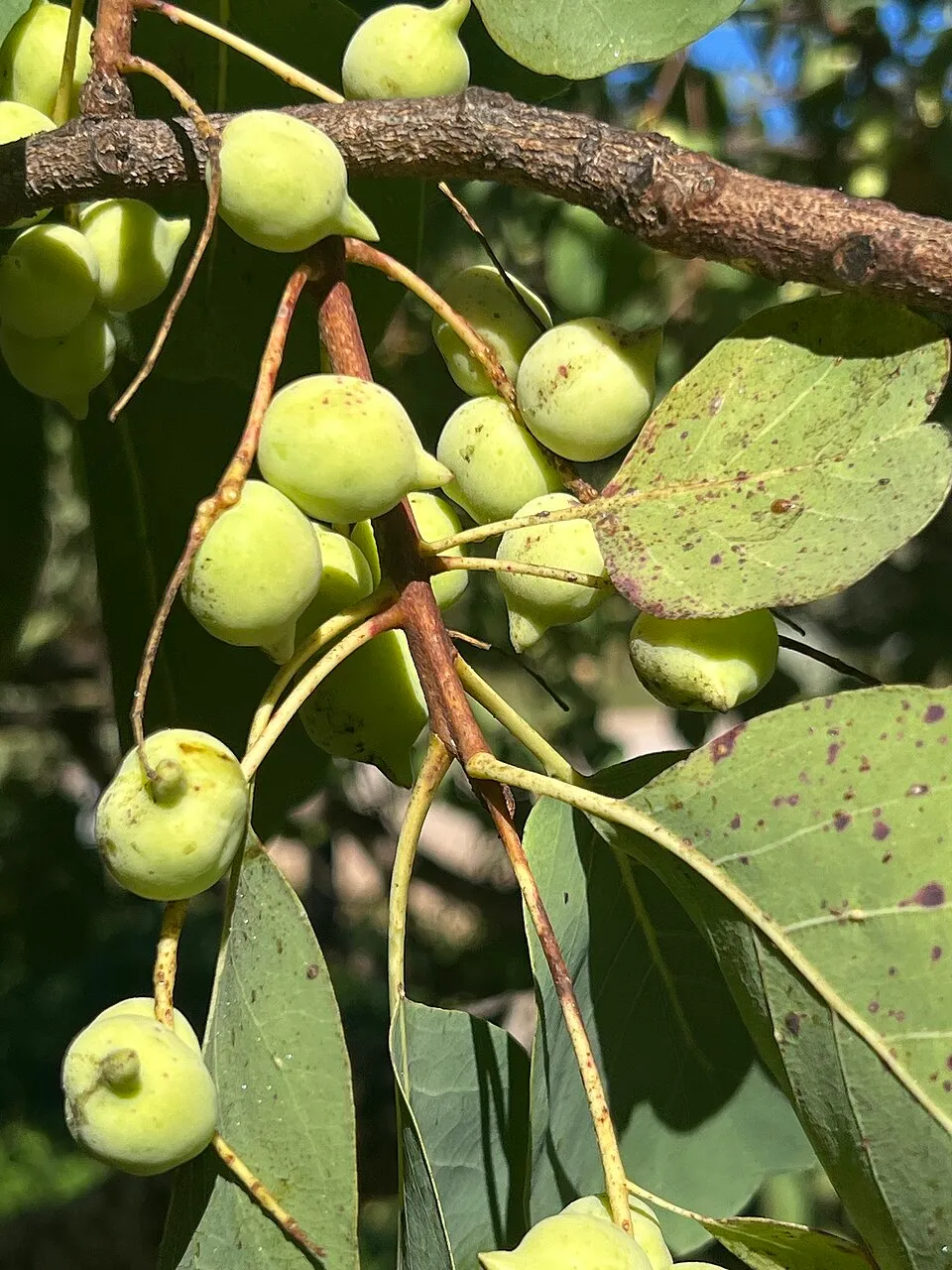
Kakadu Plum, scientifically known as Terminalia ferdinandiana, is a remarkable flowering tree native to the diverse landscapes of northern Australia. Typically reaching a height of 5 to 15 meters, this species exhibits a robust, often dense and bushy growth habit, contributing significantly to its ecological niche. The tree's foliage is characterized by simple, alternately arranged leaves that are lanceolate in shape, usually measuring between 5 to 10 cm in length. Their surface is a smooth, glossy green, reflecting the light in its tropical environment. The bark of the Kakadu Plum is notably rough and fibrous, presenting in shades from earthy brown to muted gray, which adds to its resilient aesthetic and provides protection against environmental stressors. During its blooming season, typically from spring through summer, Terminalia ferdinandiana produces small, delicate flowers.
These blossoms range in color from cream to pale yellow, featuring five distinct petals, and are organized into cylindrical spikes. This delicate floral display contrasts with the tree’s overall sturdy stature and serves to attract a variety of native pollinators essential for its reproduction. The fruit, the most celebrated part of the plant, is a small, round drupe, measuring approximately 2 to 4 cm in diameter. It undergoes a color transformation as it ripens, transitioning from a vibrant green to a deep, rich purple hue. This fruit is globally recognized for its extraordinarily high vitamin C content, boasting concentrations up to 100 times greater than that found in an orange, establishing it as a critically valuable natural resource within its native territories. Ecologically, Kakadu Plum thrives in specific environmental conditions, preferring well-drained sandy soils.
Its optimal growth is observed in tropical climates characterized by distinct seasonal wet and dry cycles, which are typical of its northern Australian habitat. Taxonomically, Terminalia ferdinandiana is classified within the Combretaceae family, a group known for its diverse species, many of which hold significant ecological and economic value. Beyond its botanical characteristics, the Kakadu Plum has garnered widespread recognition not only for its profound historical use in traditional Indigenous Australian medicine, where it has been a staple for millennia, but also for its burgeoning role in contemporary therapeutic applications and as a highly sought-after 'superfood' ingredient. Trusted Scientific Refe ...[CURRENT TEXT EXISTS: 2724 chars]
1.1.Kakadu Plum — Key Features
- ✓World's highest natural — World's highest natural Vitamin C content.
- ✓Native to Northern — Native to Northern Australia, a traditional Indigenous food and medicine.
- ✓Exceptional antioxidant profile, — Exceptional antioxidant profile, including ellagic and gallic acids.
- ✓Potent anti — inflammatory properties from phenolic compounds.
- ✓Demonstrates antimicrobial and — Demonstrates antimicrobial and antiparasitic activities.
- ✓Supports collagen production, — Supports collagen production, beneficial for skin health and anti-aging.
- ✓Aids in boosting — Aids in boosting the immune system's resilience.
- ✓The fruit is — The fruit is a small, round drupe, ripening from green to deep purple.
- ✓Tree grows 5 — 15 meters tall, thriving in tropical climates.
- ✓Kernels are a — Kernels are a source of protein, essential minerals, and healthy fats.
- ✓Used in nutraceuticals, — Used in nutraceuticals, functional foods, and cosmetic formulations.
- ✓Potential anti — carcinogenic activity demonstrated in preliminary studies.
- ✓Contributes to overall vitality and well — being through broad nutrient density.
- ✓Sustainable harvesting practices — Sustainable harvesting practices are crucial for its conservation.
1.2.Kakadu Plum — In Brief
- ✓Native Australian 'superfood' with unparalleled nutritional value.
- ✓Boasts the world's highest natural concentration of Vitamin C.
- ✓Rich in powerful antioxidants like ellagic and gallic acids.
- ✓Supports robust immune function and collagen synthesis for skin health.
- ✓Exhibits significant anti-inflammatory and antimicrobial properties.
- ✓Traditionally utilized in Indigenous Australian medicine for millennia.
- ✓Versatile in applications, from food and supplements to cosmetics.
- ✓Kernels offer a valuable source of protein, minerals, and healthy fats.
2.Kakadu Plum — Scientific Profile
3.Kakadu Plum — Quick Facts
4.Kakadu Plum — Morphological Account
5.Kakadu Plum — Where It Grows
6.Kakadu Plum — Historical Applications
7.Kakadu Plum — Bioactive Constituents
- ✓Ascorbic Acid (Vitamin C) — Present in exceptionally high concentrations, acting as a primary antioxidant, immune system modulator, and essential co-factor for collagen synthesis and various metabolic processes.
- ✓Phenolic Acids — Includes gallic acid and ellagic acid; these compounds are potent antioxidants, exhibit significant anti-inflammatory properties, and contribute to the plant's antimicrobial and potential anti-carcinogenic activities.
- ✓Ellagitannins — A class of hydrolyzable tannins, such as punicalagin and related compounds; these are powerful antioxidants with anti-inflammatory effects, contributing to the fruit's astringency and protective qualities.
- ✓Flavonoids — Various flavonoids, including derivatives of quercetin and kaempferol, are present; these contribute to the fruit's antioxidant capacity, offer anti-inflammatory benefits, and may support cardiovascular health.
- ✓Carotenoids — Beta-carotene and lutein are examples of carotenoids found; these fat-soluble pigments act as antioxidants, crucial for vision health and skin protection against UV radiation.
- ✓Triterpenoids — Compounds like ursolic acid and betulinic acid may be present; these often exhibit anti-inflammatory, antimicrobial, and hepatoprotective activities.
- ✓Minerals — The seed kernels are particularly rich in essential minerals such as potassium (K), calcium (Ca), iron (Fe), and zinc (Zn), which are vital for numerous physiological functions including bone health, nerve transmission, and enzyme activity.
- ✓Fatty Acids — The kernels contain significant levels of healthy fats, including linoleic acid (an omega-6 essential fatty acid), oleic acid (a monounsaturated fatty acid), and saturated fatty acids like palmitic and stearic acids, crucial for cell structure and energy.
- ✓Dietary Fiber — Predominantly found in the fruit pulp and especially the kernels, dietary fiber is essential for digestive health, promoting regular bowel movements and supporting a healthy gut microbiome.
- ✓Organic Acids — Besides ascorbic acid, other organic acids like oxalic acid are present, contributing to the fruit's tart flavor and potentially influencing mineral absorption, though generally in safe quantities.
- ✓Alkaloids — While less prominent than phenolics, various nitrogen-containing alkaloids may contribute to specific pharmacological effects, often acting on the nervous system or exhibiting antimicrobial properties.
- ✓Lignans — These phenolic compounds can act as antioxidants and may have phytoestrogenic properties, contributing to overall health benefits.
8.Kakadu Plum — Research Insights
- ✓Potent Antioxidant Protection — Kakadu Plum is an unparalleled source of antioxidants, particularly Vitamin C, ellagic acid, and gallic acid, which collectively neutralize free radicals, mitigating oxidative stress and cellular damage throughout the body.
- ✓Robust Immune System Support — The exceptionally high Vitamin C content in Kakadu Plum significantly boosts immune function by supporting the production and activity of white blood cells, enhancing the body's natural defense mechanisms against pathogens.
- ✓Powerful Anti-inflammatory Effects — Rich in phenolic compounds and other phytochemicals, Kakadu Plum helps to modulate inflammatory responses, potentially reducing systemic inflammation and alleviating symptoms associated with various inflammatory conditions.
- ✓Broad-Spectrum Antimicrobial Action — Traditional uses and preliminary research suggest that compounds like tannins and phenolic acids in Kakadu Plum exhibit inhibitory effects against a range of bacteria, fungi, and potentially other microbes, supporting its use in combating infections.
- ✓Potential Antiparasitic Activity — Certain bioactive constituents found in Kakadu Plum have demonstrated antiparasitic properties in in vitro studies, indicating a potential role in disrupting the life cycles of various parasites, a traditional application in Indigenous medicine.
- ✓Promising Anti-carcinogenic Properties — The powerful antioxidant and anti-inflammatory compounds, notably ellagic acid, may contribute to anti-cancer effects by inhibiting the proliferation of cancer cells and inducing apoptosis in some cell lines, though more human research is needed.
- ✓Enhanced Skin Health and Radiance — The high Vitamin C concentration is crucial for collagen synthesis, promoting skin elasticity and firmness, while its antioxidants protect skin cells from UV damage and environmental pollutants, contributing to a youthful complexion.
- ✓Support for Digestive Wellness — While the fruit pulp is primarily valued for its Vitamin C, the kernels provide dietary fiber which aids in healthy digestion, promotes gut motility, and supports a balanced gut microbiome.
- ✓Boosted Cardiovascular Health — Antioxidants and anti-inflammatory compounds in Kakadu Plum may help protect the cardiovascular system by reducing oxidative damage to blood vessels, improving lipid profiles, and supporting healthy blood pressure levels.
- ✓Cognitive Function Enhancement — The neuroprotective effects of its potent antioxidants may help safeguard brain cells from oxidative stress, potentially supporting cognitive function, memory, and overall brain health.
- ✓Accelerated Wound Healing — Vitamin C is essential for tissue repair and regeneration, making Kakadu Plum beneficial for aiding the healing process of cuts, scrapes, and other skin lesions, aligning with its traditional topical uses.
- ✓Natural Detoxification Support — By reducing oxidative load and supporting cellular health, the antioxidants in Kakadu Plum can indirectly assist the body's natural detoxification pathways, particularly liver function.
- ✓Improved Eye Health — Carotenoids and other antioxidants present in the fruit contribute to protecting the eyes from oxidative damage, potentially reducing the risk of age-related macular degeneration and cataracts.
- ✓Energy and Vitality Promotion — The comprehensive nutritional profile, including vitamins, minerals, and essential fatty acids (from kernels), contributes to overall energy production and vitality, helping to combat fatigue.
- ✓Hair Health and Strength — The Vitamin C content supports collagen formation, which is vital for healthy hair follicles, while antioxidants protect the scalp and hair from environmental damage, leading to stronger, healthier hair.
- ✓Weight Management Aid — The fiber content, particularly from the kernels, can promote feelings of satiety, helping to reduce overall calorie intake and support healthy weight management efforts.
8.1.Kakadu Plum — Therapeutic Indications
9.Kakadu Plum — Precautions & Warnings
9.1.Kakadu Plum — Side Effects & Warnings
- ✓Allergic Reactions — Individuals sensitive to fruits in the Combretaceae family may experience skin rashes, itching, swelling, or digestive upset upon consumption.
- ✓Digestive Discomfort — Due to its high acidity and Vitamin C content, excessive intake of raw fruit or high-dose supplements may lead to stomach upset, diarrhea, or abdominal cramps.
- ✓Kidney Stone Risk — While moderate, the presence of oxalic acid could be a concern for individuals with a history of calcium oxalate kidney stones; moderation is advised.
- ✓Dental Erosion — The high acidity of the fresh fruit, if consumed frequently and in large quantities, could potentially contribute to dental enamel erosion over time.
- ✓Drug Interactions — High doses of Vitamin C may theoretically interact with certain medications, such as blood thinners (though less likely than Vitamin K) or chemotherapy drugs; consult a doctor.
- ✓Bitter Taste — Some individuals may find the natural tartness and slight bitterness of the fruit or its powder unpalatable, potentially leading to nausea if consumed in large amounts.
- ✓Iron Overload — For individuals with hemochromatosis, the high Vitamin C content can enhance iron absorption, which might be a concern; medical advice is recommended.
- ✓Skin Irritation — Topical application of highly concentrated extracts may cause mild irritation or redness in individuals with very sensitive skin.
9.2.Kakadu Plum — Safety Overview
- ✓Pregnancy and Lactation — Pregnant or breastfeeding individuals should consult a healthcare professional before using Kakadu Plum supplements due to limited specific research on these populations.
- ✓Children — Generally considered safe in food amounts, but supplemental doses should be administered with caution and under medical guidance due to lack of specific pediatric studies.
- ✓Dosage Adherence — Always follow recommended dosages on product labels for Kakadu Plum supplements; excessive intake can lead to adverse effects, especially digestive issues.
- ✓Pre-existing Medical Conditions — Individuals with kidney disorders, particularly those prone to kidney stones, should exercise caution and consult a physician due to the fruit's oxalic acid content.
- ✓Allergic Sensitivities — Discontinue use immediately if any signs of allergic reaction, such as rash, itching, swelling, or difficulty breathing, occur.
- ✓Quality and Sourcing — Ensure products are sourced from reputable suppliers to guarantee purity, potency, and freedom from contaminants like heavy metals or pesticides.
- ✓Medication Interactions — Inform your healthcare provider about all current medications and supplements, as high-dose Vitamin C can potentially interact with certain drugs.
- ✓Topical Application — Perform a patch test on a small skin area before widespread topical use to check for any skin sensitivity or irritation.
- ✓Moderation in Consumption — While highly nutritious, consume the raw fruit and concentrated products in moderation to avoid potential digestive discomfort or acidity-related issues.
- ✓Storage Conditions — Store dried products and extracts in cool, dark, airtight containers to preserve their potency, especially Vitamin C, which is sensitive to light and heat.
10.Kakadu Plum — How to Use
- ✓Fresh Fruit Consumption — While quite tart, the fresh fruit can be eaten directly for an intense Vitamin C boost, often diluted or combined with other fruits.
- ✓Powdered Form — The most common commercial application; dried and ground fruit powder can be easily added to smoothies, juices, yogurts, cereals, or baked goods.
- ✓Juice and Smoothies — Blended with other fruits to create nutrient-dense beverages, masking its inherent tartness while delivering its potent antioxidants.
- ✓Extracts and Tinctures — Liquid extracts are used in dietary supplements, allowing for concentrated doses of its beneficial compounds.
- ✓Capsules and Tablets — Standardized Kakadu Plum extracts are encapsulated or pressed into tablets for convenient daily supplementation.
- ✓Topical Skincare Products — Incorporated into serums, creams, and lotions for its high Vitamin C and antioxidant content, promoting collagen production and skin protection.
- ✓Culinary Applications — Used in jams, chutneys, sauces, and desserts, adding a unique tart flavor and nutritional value to various dishes.
- ✓Traditional Indigenous Use — Traditionally eaten fresh, or the sap and bark were used for medicinal purposes, including skin conditions and general wellness.
- ✓Herbal Infusions — Dried fruit pieces or leaves can be steeped to make a health-promoting tea, though the taste may be strong.
- ✓Seed Kernel Oil — Oil extracted from the kernels can be used in culinary preparations as a source of healthy fats or in cosmetic formulations for skin nourishment.
- ✓Functional Food Ingredient — Increasingly used as a natural additive in functional foods and beverages to enhance their nutritional profile and antioxidant capacity.
11.Kakadu Plum — Propagation & Care
- ✓Climate Preference — Thrives in tropical to subtropical zones with distinct wet and dry seasons, mirroring its native northern Australian environment.
- ✓Soil Requirements — Prefers well-drained, sandy loamy soils, adaptable to slightly acidic to neutral pH levels (pH 5.0-7.0).
- ✓Sunlight Exposure — Requires full sun exposure for optimal growth and fruit production, needing at least 6-8 hours of direct sunlight daily.
- ✓Watering Regimen — Young plants need consistent moisture; mature trees are drought-tolerant but benefit from regular watering during dry spells to maximize fruit yield.
- ✓Propagation Techniques — Can be propagated from fresh seeds, which require scarification and stratification for germination, or vegetatively through cuttings.
- ✓Fertilization Needs — Benefits from moderate fertilization with a balanced, slow-release granular fertilizer during the growing season, especially for young plants.
- ✓Pest and Disease Management — Generally resilient, but monitor for common tropical pests like fruit flies and scale insects; fungal issues can occur in overly humid conditions.
- ✓Pruning Practices — Light pruning is recommended to maintain shape, remove dead or diseased branches, and encourage better air circulation and fruit accessibility.
- ✓Harvesting Protocol — Fruits are hand-picked when they transition from green to deep purple, indicating peak ripeness and highest Vitamin C content, typically from May to September.
- ✓Spacing for Growth — Plant trees with adequate spacing, ideally 5-10 meters apart, to allow for mature canopy development and root expansion.
- ✓Establishment Care — Provide protection from strong winds and harsh sun during the initial establishment phase for young saplings.
- ✓Frost Sensitivity — Highly sensitive to frost; unsuitable for cultivation in temperate or cold climates.
Reviewed by the Flora Medical Global Botanical Review Panel
Multi-disciplinary editorial group · Botany · Ethnobotany · Herbal-medicine literature
Who reviewed this: This page was checked by the Flora Medical Global Botanical Review Panel — an in-house editorial group of botany graduates, ethnobotany researchers, and horticulture practitioners who collectively maintain our 7,000+ plant encyclopedia. Meet the team.
Our 4-step verification process
1. Taxonomic verification
Scientific names and synonyms cross-checked against Kew POWO, World Flora Online, and The Plant List.
2. Phytochemical & medicinal cross-reference
Active compounds, traditional uses, and reported activities are cross-referenced with PubMed, USDA Dr. Duke's database, and peer-reviewed ethnobotanical literature.
3. Conservation & distribution check
Distribution, ecology, and conservation status confirmed against GBIF occurrence records and the IUCN Red List.
4. Editorial & safety review
Every entry passes an editorial pass for clarity, originality, and safety notices (toxicity, contraindications, dosage caveats) before publication.
Last reviewed:
Important medical disclaimer: This content is for educational and research purposes only. It is not medical advice and is not a substitute for consultation with a licensed healthcare provider. Do not use any herb to self-treat a medical condition without professional guidance.
Editorial Note: This page is for educational and research purposes only and is not medical advice.
Written by: Flora Medical Global Editorial Team
Reviewed by: Flora Medical Global Botanical Review Panel
Last Updated: June 15, 2026




Kakadu Plum — Comments & Community Reviews
Rate this plant