


Medical Disclaimer: This content is for educational purposes only. It is not medical advice. Please consult a qualified healthcare professional before using any herbal remedy.
Safety Overview
1.Kamala Flower — At a Glance
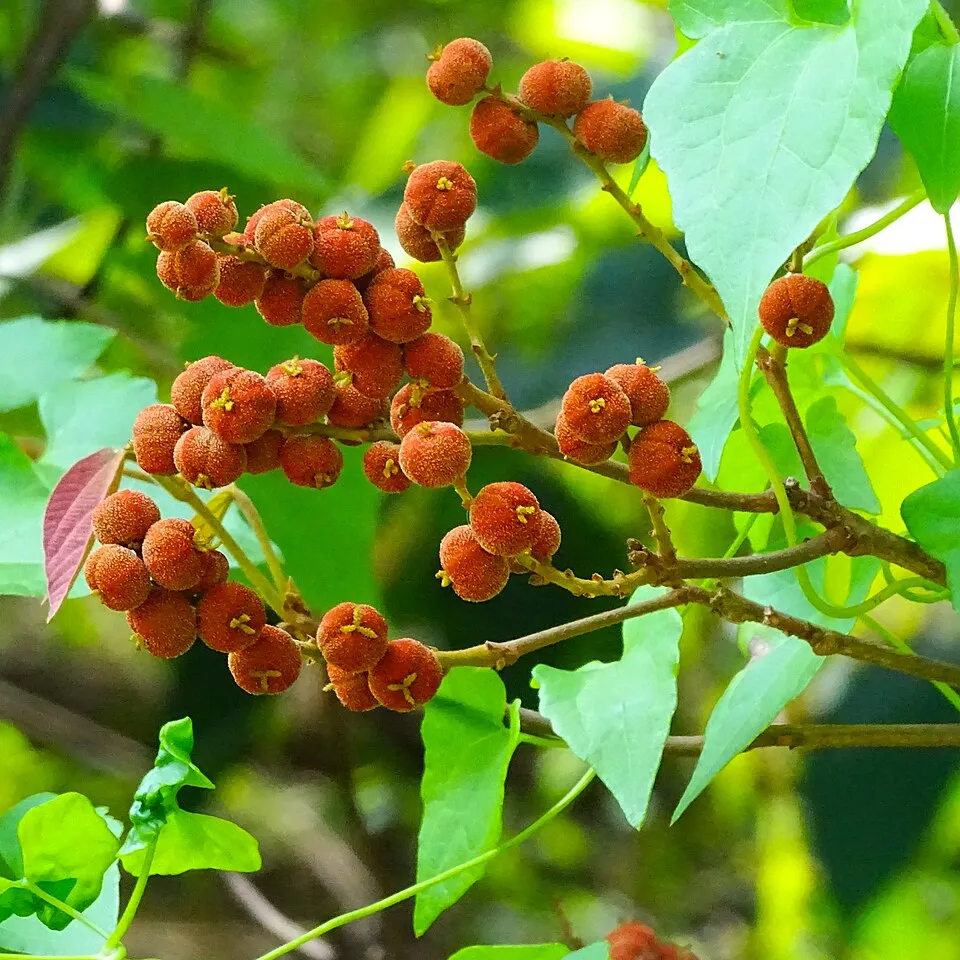
Mallotus philippensis (Lam.), commonly known as Kamala Flower, is a fascinating and medically significant species within the diverse Euphorbiaceae family. This small to medium-sized perennial tree or shrub typically reaches heights of 7 to 15 meters, though some specimens can ascend to an impressive 25 meters, often featuring a bole up to 50 cm in diameter. Its botanical elegance is characterized by alternate, broadly elliptic to ovate leaves, measuring approximately 7 to 15 cm in length and 4 to 10 cm in width. These leaves possess a smooth texture, subtly wavy margins, and transform into a striking yellow hue during the autumn months, adding to its ornamental appeal. The branchlets are often noted for their reddish-brown glandular appearance.
Kamala Flower is native to the tropical and subtropical regions of South Asia and Southeast Asia, flourishing particularly in the outer Himalayan regions at altitudes below 1,500 meters. It thrives in various ecological niches, including mixed deciduous forests, along riverbanks, and in open woodlands, demonstrating remarkable adaptability to different soil types. The plant is monoecious, bearing small, unisexual, yellowish-green flowers arranged in visually appealing clusters within the leaf axils, marking a distinct blooming period. The fruit is a distinctive three-lobed capsule, about 1.5 to 2.5 cm long, and is famously covered in a dense layer of soft, reddish-brown glandular hairs. These hairs are traditionally collected by shaking or rubbing the mature fruits, yielding the fine, granular 'kamala powder' – a substance central to its ethnobotanical and medicinal identity.
The bark of Mallotus philippensis is generally coarse, ranging in color from dark brown to gray, and often exhibits a scaly texture. Taxonomically, Kamala Flower is classified as follows: Kingdom Plantae, Subkingdom Tracheobionta, Superdivision Spermatophyta, Division Magnoliophyta, Class Magnoliopsida, Subclass Rosidae, Order Euphorbiales, Family Euphorbiaceae, Genus Mallotus, and Species Mallotus philippensis. This classification underscores its place within a vast family known for its rich phytochemistry. Historically, Mallotus philippensis has been deeply embedded in traditional medicine systems across its native range, including Ayurveda, Traditional Chinese Medicine (TCM), Unani, and various folk traditions. It has been valued for centuries for its diverse therapeutic properties, with the red powder from its fruits being a particularly si ...[CURRENT TEXT EXISTS: 2997 chars]
1.1.Kamala Flower — Highlights
- ✓Botanical Identity — Mallotus philippensis (Lam.), a monoecious tree or shrub in the Euphorbiaceae family.
- ✓Geographic Origin — Native to tropical and subtropical South and Southeast Asia, particularly the outer Himalayas.
- ✓Distinctive Fruit — Produces three-lobed capsules covered with characteristic reddish-brown glandular hairs.
- ✓Kamala Powder — The fine powder derived from these fruit hairs is the primary medicinal part, known as Kamala or Kampillaka.
- ✓Anthelmintic Action — Historically and scientifically recognized as a potent agent against intestinal parasites, especially tapeworms.
- ✓Rich Phytochemistry — Contains a broad spectrum of bioactive compounds including rottlerin, flavonoids, tannins, terpenoids, and phenols.
- ✓Traditional Medicine Staple — Integral to Ayurvedic, TCM, Unani, and various folk medicine systems for centuries.
- ✓Multifaceted Benefits — Offers anti-inflammatory, antioxidant, antimicrobial, immunoregulatory, and digestive health support.
- ✓Purgative Properties — Traditionally used to promote bowel movements and cleanse the digestive system.
- ✓Wound Healing — Applied topically in traditional practices for its vulnerary and antiseptic qualities.
- ✓Anti — inflammatory Potential — Bioactive compounds help modulate inflammatory responses in the body.
- ✓Antioxidant Powerhouse — Protects cells from oxidative damage caused by free radicals.
- ✓Ethnobotanical Significance — Holds deep cultural and historical importance in its native regions for health and well-being.
- ✓Research Interest — Continues to be a subject of modern pharmacological research to validate traditional uses and discover new applications.
1.2.Kamala Flower — Snapshot Summary
- ✓Mallotus philippensis, or Kamala Flower, is a tropical tree native to South and Southeast Asia.
- ✓Renowned for 'kamala powder' from its fruit hairs, traditionally used as a powerful anthelmintic and purgative.
- ✓Rich in diverse phytochemicals, including rottlerin, flavonoids, and tannins, contributing to its medicinal properties.
- ✓Exhibits significant anti-inflammatory, antioxidant, antimicrobial, and immunoregulatory activities.
- ✓Used in Ayurveda and TCM for parasitic infections, digestive issues, and various inflammatory conditions.
- ✓Requires careful dosing and professional consultation due to potential side effects like GI upset and toxicity.
- ✓Ongoing research continues to validate its traditional uses and explore new pharmacological applications.
2.Kamala Flower — Botanical Identity
3.Kamala Flower — Key Data
4.Kamala Flower — Botanical Features
5.Kamala Flower — Ecological Habitat
6.Kamala Flower — Heritage Uses
7.Kamala Flower — Chemical Profile
- ✓Flavonoids — A diverse group of polyphenolic compounds such as quercetin, kaempferol, and their glycosides. These are potent antioxidants, anti-inflammatory agents, and possess various protective effects on cardiovascular and nervous systems.
- ✓Tannins — Predominantly condensed tannins, responsible for the plant's astringent properties. They contribute to antioxidant, antimicrobial, and wound-healing activities by precipitating proteins and forming protective layers.
- ✓Resins — Complex mixtures of terpenoids, fatty acids, and other compounds. Resins often contribute to the plant's protective mechanisms and can have antimicrobial, anti-inflammatory, and purgative effects.
- ✓Phenols (including Phenolic Acids) — Simple phenolic compounds like gallic acid, ellagic acid, and the more complex rottlerin, isorottlerin, bergenin, and mallotophilippinens. These are key contributors to antioxidant, anti-inflammatory, and anthelmintic activities.
- ✓Diterpenoids — Compounds like mallotophilippen A and B, which are C20 compounds often exhibiting cytotoxic, anti-inflammatory, and antimicrobial properties. They play a role in plant defense and signaling.
- ✓Steroids — Plant sterols such as beta-sitosterol and stigmasterol. These compounds are known for their anti-inflammatory, cholesterol-lowering, and immunomodulatory effects.
- ✓Triterpenoids — Pentacyclic triterpenes like lupeol and ursolic acid derivatives. They often possess anti-inflammatory, hepatoprotective, and anticancer activities, influencing various cellular pathways.
- ✓Coumarins — Benzopyrone derivatives that can have anticoagulant, anti-inflammatory, and antimicrobial properties. They contribute to the plant's defense mechanisms and pharmacological profile.
- ✓Isocoumarins — Structural isomers of coumarins, also contributing to the plant's bioactive profile with potential antimicrobial and anti-inflammatory effects.
- ✓Cardenolides — Steroidal glycosides that can exert cardiotonic effects. While potent, their presence typically requires careful dosage and understanding of their pharmacological impact.
- ✓Alkaloids — Nitrogen-containing organic compounds, often with significant physiological effects. Though not always prominent, they can contribute to various pharmacological actions including analgesic and antimicrobial properties.
- ✓Glycosides — Compounds where a sugar molecule is attached to one or more non-sugar molecules (aglycones). They enhance solubility and bioavailability of active compounds and can influence diverse biological activities.
- ✓Saponins — Glycosides characterized by a distinctive frothing property. They can exhibit expectorant, anti-inflammatory, and cholesterol-lowering effects, and may also have antimicrobial properties.
8.Kamala Flower — Pharmacological Findings
- ✓Anthelmintic Activity — Kamala Flower is highly regarded in traditional medicine as an effective anthelmintic, particularly for expelling tapeworms and other intestinal parasites. Its active compounds, like rottlerin, disrupt the metabolic pathways and muscular coordination of worms, leading to their paralysis and expulsion from the host.
- ✓Anti-inflammatory Effects — The plant exhibits significant anti-inflammatory properties, attributed to its rich content of flavonoids and phenolic compounds. These compounds help to modulate inflammatory pathways, reducing swelling, pain, and tissue damage associated with various inflammatory conditions.
- ✓Antioxidant Protection — Mallotus philippensis is a potent source of antioxidants, including flavonoids and tannins, which scavenge free radicals and mitigate oxidative stress. This protective action is crucial for preventing cellular damage and supporting overall cellular health against age-related degeneration and chronic diseases.
- ✓Antimicrobial Properties — Extracts from Kamala Flower have demonstrated broad-spectrum antimicrobial activity against various bacteria and fungi. This effect is thought to be due to the presence of secondary metabolites that interfere with microbial cell wall synthesis, membrane integrity, or vital enzymatic processes.
- ✓Immunoregulatory Support — Research suggests that compounds within Kamala Flower can modulate the immune system, potentially enhancing or balancing immune responses. This adaptogenic quality helps the body to better respond to infections and maintain immunological homeostasis.
- ✓Digestive Health Aid — Traditionally used as a purgative, Kamala Flower can promote healthy bowel movements and alleviate constipation. Its mild laxative action helps to cleanse the digestive tract, supporting gut health and aiding in the removal of toxins.
- ✓Wound Healing (Vulnerary) — The plant has been traditionally applied topically to facilitate wound healing. Its antiseptic and anti-inflammatory properties help to prevent infection and reduce inflammation in injured tissues, promoting faster regeneration and recovery.
- ✓Liver Protection — Some traditional uses and preliminary studies indicate hepatoprotective potential, suggesting that Kamala Flower may help protect liver cells from damage and support liver detoxification processes, although more research is needed.
- ✓Antiviral Potential — Certain phytochemicals in Mallotus philippensis have shown preliminary antiviral activity in in vitro studies. This suggests a potential role in inhibiting viral replication or entry into host cells, warranting further investigation.
- ✓Anticancer/Cytotoxic Activity — Compounds like rottlerin have been studied for their cytotoxic effects against various cancer cell lines. They may induce apoptosis or inhibit proliferation of cancer cells, indicating potential as a chemotherapeutic adjunct.
- ✓Respiratory Relief — In traditional systems, Kamala Flower has been used to address respiratory ailments like bronchitis. Its anti-inflammatory and expectorant properties may help to clear airways and reduce inflammation in the bronchial passages.
- ✓Spleen Enlargement Management — Traditional Ayurvedic practices have utilized Kamala Flower for conditions involving spleen enlargement. Its potential to reduce inflammation and support systemic health may contribute to alleviating such conditions.
- ✓Carminative Action — The plant is also recognized for its carminative properties, helping to relieve flatulence and alleviate discomfort from abdominal bloating. This contributes to overall digestive comfort and health.
- ✓Alexiteric Properties — Traditionally, it has been considered an alexiteric, meaning it may act as a protective agent against poisons or infections, bolstering the body's natural defenses and resilience.
- ✓Skin Health Benefits — Kamala powder has been used topically for various skin conditions, potentially due to its antimicrobial and anti-inflammatory effects. It may help in treating skin infections, rashes, and promoting a healthy complexion.
8.1.Kamala Flower — Conditions Traditionally Used For
9.Kamala Flower — Safety & Side Effects
9.1.Kamala Flower — Side Effects & Warnings
- ✓Gastrointestinal Upset — High doses can cause nausea, vomiting, abdominal cramps, and diarrhea due to its purgative and anthelmintic properties.
- ✓Allergic Reactions — Individuals sensitive to plants in the Euphorbiaceae family may experience skin rashes, itching, or other allergic responses upon contact or ingestion.
- ✓Liver Toxicity — While some traditional uses suggest liver support, very high or prolonged doses, particularly of crude extracts, could potentially lead to hepatotoxicity. Further research is needed.
- ✓Renal Complications — Excessive use may exert stress on the kidneys, especially in individuals with pre-existing kidney conditions.
- ✓Central Nervous System Effects — Some compounds, in high concentrations, might induce dizziness, headache, or other neurological disturbances.
- ✓Skin Irritation — Direct contact with the fruit hairs or powder can cause skin irritation or dermatitis in sensitive individuals.
- ✓Drug Interactions — Potential to interact with conventional medications, particularly anticoagulants, antidiabetics, or drugs metabolized by the liver, altering their efficacy or increasing side effects.
- ✓Uterine Contractions — Due to its potent nature, it may stimulate uterine contractions, posing a risk during pregnancy.
9.2.Kamala Flower — Safety Overview
- ✓Pregnancy and Lactation — Contraindicated during pregnancy due to potential abortifacient effects and should be avoided during lactation as safety data is insufficient.
- ✓Children — Not recommended for young children due to its potent purgative and anthelmintic actions and lack of specific pediatric safety data.
- ✓Pre-existing Conditions — Individuals with gastrointestinal disorders (e.g., Crohn's disease, ulcerative colitis), liver disease, or kidney impairment should avoid use or consult a physician.
- ✓Dosage Adherence — Strict adherence to recommended dosages is crucial to prevent adverse effects. Self-medication with Kamala Flower is strongly discouraged.
- ✓Professional Guidance — Always consult a qualified healthcare professional or medical herbalist before using Kamala Flower, especially if on other medications or with chronic health conditions.
- ✓Purity and Source — Ensure the source of Kamala Flower products is reputable to avoid adulteration or contamination with heavy metals, pesticides, or other harmful substances.
- ✓Allergic Sensitivities — People with known allergies to plants in the Euphorbiaceae family or other plant allergies should exercise extreme caution.
- ✓Long-term Use — Long-term use is not generally recommended without medical supervision due to potential for cumulative toxicity and electrolyte imbalance.
10.Kamala Flower — Preparations & Uses
- ✓Kamala Powder (Fruit Hairs) — The reddish-brown powder from the fruit's glandular hairs is the most common form, traditionally used internally as an anthelmintic or purgative.
- ✓Decoction (Bark/Leaves) — Bark or leaves can be boiled in water to create a decoction, used traditionally for anti-inflammatory purposes, digestive issues, or as an antimicrobial wash.
- ✓Infusion (Leaves/Flowers) — Dried leaves or flowers can be steeped in hot water to make an infusion, sometimes used for mild respiratory complaints or as an antioxidant-rich beverage.
- ✓Topical Paste (Powder) — Kamala powder can be mixed with water or oil to form a paste, applied externally for skin infections, wounds, or inflammatory skin conditions.
- ✓Tincture (Alcoholic Extract) — An alcoholic extract of various plant parts (bark, leaves, or fruit powder) can be prepared, offering a concentrated form for internal use with precise dosing.
- ✓Poultice (Crushed Leaves) — Freshly crushed leaves can be applied as a poultice to soothe localized pain, swelling, or to aid in wound healing.
- ✓Capsules/Tablets (Standardized Extract) — Modern preparations may involve standardized extracts of Kamala Flower in capsule or tablet form for consistent dosing and ease of administration.
- ✓Medicated Oils (External) — Infused oils made by heating plant material in a carrier oil are used topically for joint pain, muscle aches, or skin conditions.
- ✓Ayurvedic Formulations — Kamala Flower is an ingredient in several complex Ayurvedic formulations, where its properties are combined with other herbs for synergistic effects in treating various ailments.
- ✓Veterinary Use — Historically, Kamala powder has also been used in traditional veterinary medicine as an anthelmintic for livestock, reflecting its broad antiparasitic efficacy.
11.Kamala Flower — Cultivation & Care
- ✓Climate Preference — Mallotus philippensis thrives in tropical to subtropical climates with ample warmth and humidity, ideally between 20-35°C (68-95°F).
- ✓Sunlight Requirements — It requires adequate sunlight, preferring full sun to partial shade for optimal growth and fruit production.
- ✓Soil Type — The plant adapts to various soil types but prefers well-drained, fertile loamy soils with a slightly acidic to neutral pH (6.0-7.0).
- ✓Watering Schedule — Regular watering is essential, especially during dry periods, to keep the soil consistently moist but not waterlogged. Established trees are somewhat drought-tolerant.
- ✓Propagation — Primarily propagated by seeds, which should be sown in well-draining soil mix. Cuttings can also be used, though with varying success rates.
- ✓Fertilization — Young plants benefit from balanced organic fertilizers. Mature trees typically require less intervention, thriving on natural soil fertility.
- ✓Pruning — Minimal pruning is needed, primarily for shaping, removing dead or diseased branches, and maintaining plant health.
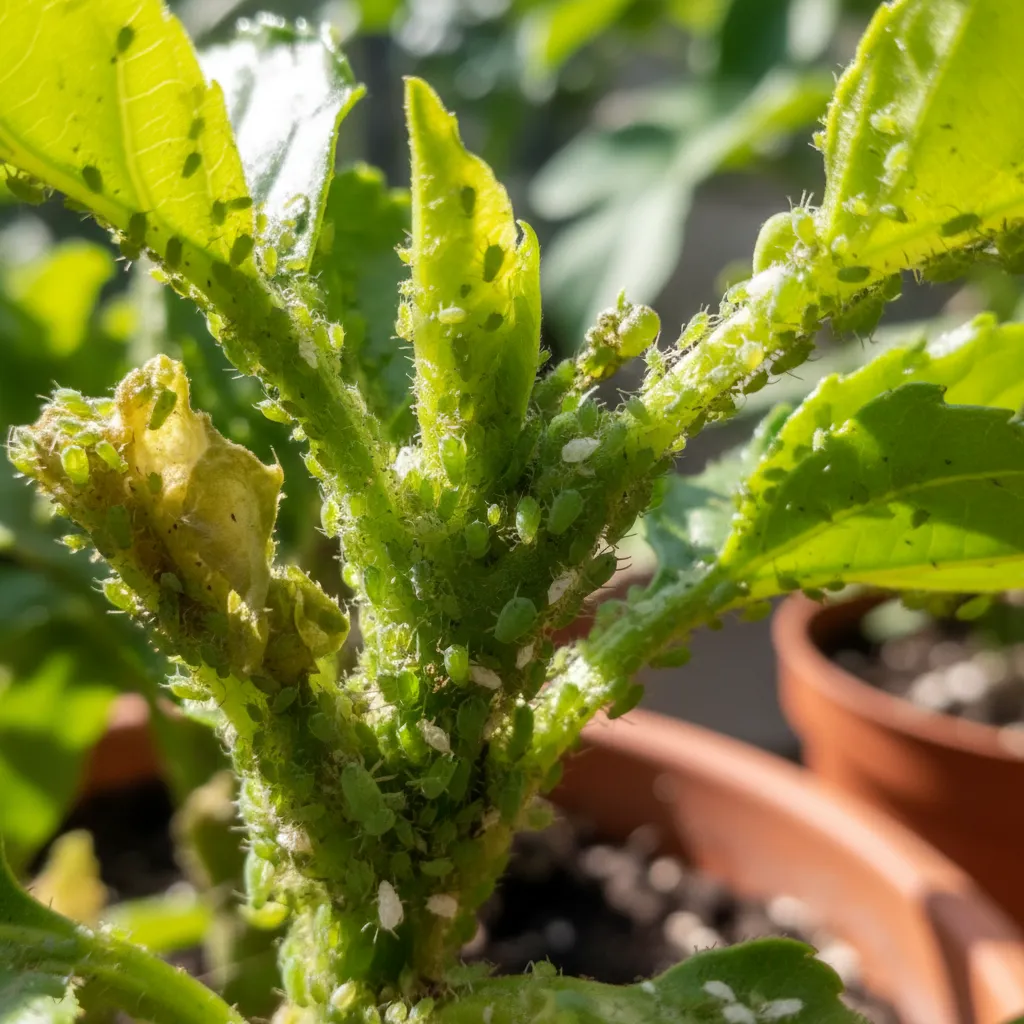
- ✓Pest and Disease Management — Generally robust, but young plants can be susceptible to common pests like aphids or scale insects. Fungal diseases are rare in well-drained conditions.
- ✓Harvesting — The key medicinal part, kamala powder, is harvested from the glandular hairs of mature, unripe or just ripened fruits, typically by shaking or rubbing them over a cloth.
- ✓Spacing — When planting multiple trees, allow sufficient space (e.g., 5-10 meters) for mature canopy development.
Reviewed by the Flora Medical Global Botanical Review Panel
Multi-disciplinary editorial group · Botany · Ethnobotany · Herbal-medicine literature
Who reviewed this: This page was checked by the Flora Medical Global Botanical Review Panel — an in-house editorial group of botany graduates, ethnobotany researchers, and horticulture practitioners who collectively maintain our 7,000+ plant encyclopedia. Meet the team.
Our 4-step verification process
1. Taxonomic verification
Scientific names and synonyms cross-checked against Kew POWO, World Flora Online, and The Plant List.
2. Phytochemical & medicinal cross-reference
Active compounds, traditional uses, and reported activities are cross-referenced with PubMed, USDA Dr. Duke's database, and peer-reviewed ethnobotanical literature.
3. Conservation & distribution check
Distribution, ecology, and conservation status confirmed against GBIF occurrence records and the IUCN Red List.
4. Editorial & safety review
Every entry passes an editorial pass for clarity, originality, and safety notices (toxicity, contraindications, dosage caveats) before publication.
Last reviewed:
Important medical disclaimer: This content is for educational and research purposes only. It is not medical advice and is not a substitute for consultation with a licensed healthcare provider. Do not use any herb to self-treat a medical condition without professional guidance.
Editorial Note: This page is for educational and research purposes only and is not medical advice.
Written by: Flora Medical Global Editorial Team
Reviewed by: Flora Medical Global Botanical Review Panel
Last Updated: June 15, 2026




Kamala Flower — Comments & Community Reviews
Rate this plant