

Medical Disclaimer: This content is for educational purposes only. It is not medical advice. Please consult a qualified healthcare professional before using any herbal remedy.
Safety Overview
1.Kangaroo Apple — Plant Snapshot
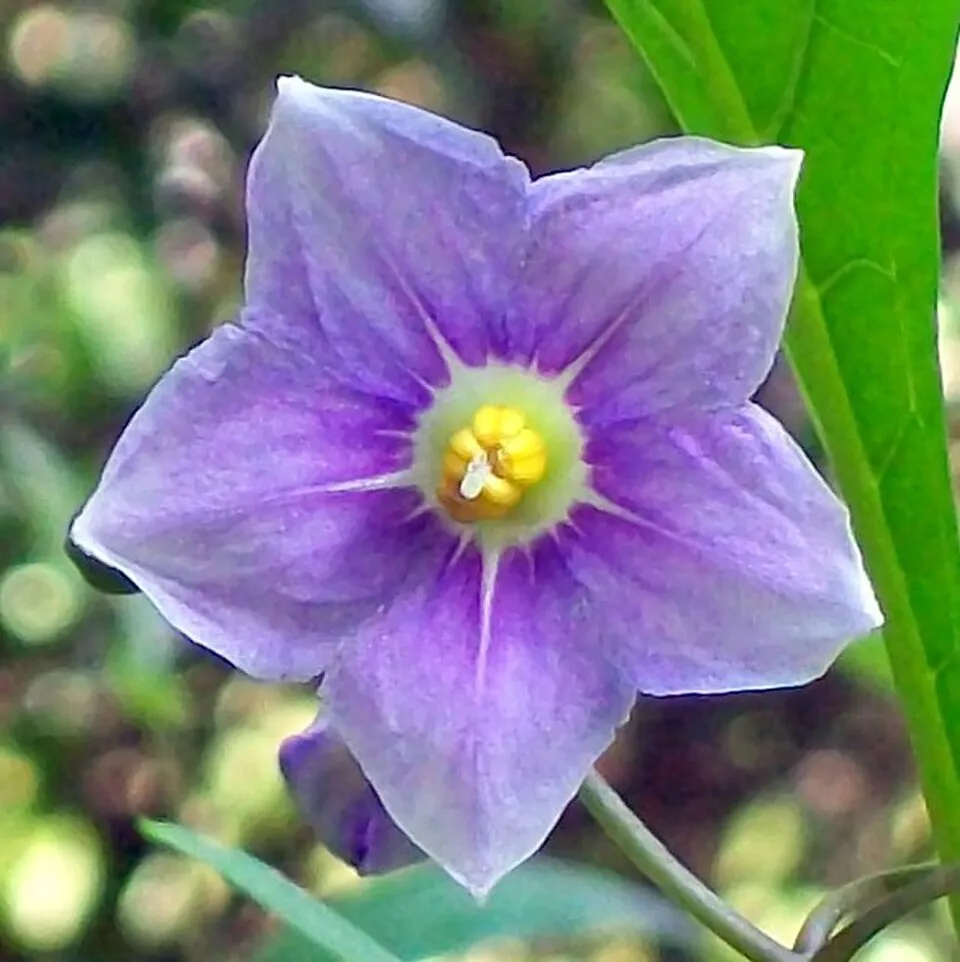
Kangaroo Apple, scientifically known as Solanum aviculare, is a captivating perennial shrub indigenous to the diverse landscapes of Australia, New Zealand, and other islands across Oceania. This robust member of the Solanaceae family, which also includes familiar plants like tomatoes and eggplants, typically reaches heights of up to 2 meters, establishing itself as a prominent element within its native ecosystems. Its foliage is particularly distinctive, featuring deeply lobed, ovate leaves that can measure between 5 to 15 cm in length. These lobes, often resembling spear-like fingers, are said to evoke the image of a kangaroo's footprint, hence the plant's common name. The leaves possess a smooth margin with subtly wavy edges, contributing to their unique aesthetic. During late spring to early summer, Solanum aviculare adorns itself with attractive, star-shaped flowers.
These delicate blossoms typically range in color from pristine white to soft lavender, each displaying five distinct petals. The flowering period is vital, culminating in the development of its characteristic fruit. The fruit itself is a small, round to elongated oval berry, measuring approximately 1 to 3 cm in diameter, initially bright green and ripening to vibrant shades of orange-red, yellow-orange, or sometimes yellow-green, with some varieties exhibiting a striped pattern. It contains numerous tiny, flat white seeds, densely packed within its juicy, sweet, and slightly tangy flesh, which can offer a hint of melon flavor when fully ripe. However, it is imperative to note that unripe fruits, along with other green parts of the plant, contain toxic solasodine alkaloids, which render them bitter and unsafe for consumption without proper processing. The bark of the Kangaroo Apple is roughly textured and typically grayish-brown, providing a sturdy and resilient support structure for this vigorous shrub.
Solanum aviculare exhibits remarkable adaptability, thriving in a variety of habitats ranging from sun-drenched coastal scrublands to the shaded understories of forests. It also flourishes in gullies, along riversides, and in disturbed areas such as fire-damaged lands, preferring well-drained soils with ample sunlight and consistent moisture. Its seeds are readily dispersed by birds, which, while aiding its natural spread, has led to it being considered an invasive species in some non-native regions. Historically, Kangaroo Apple has held significant cultural and medicinal importance, partic ...[CURRENT TEXT EXISTS: 3654 chars]
1.1.Kangaroo Apple — Key Features
- ✓Native Australian Perennial — Native Australian Perennial Shrub
- ✓Distinctive Kangaroo — Footprint Shaped Leaves
- ✓Star — Shaped White to Lavender Flowers
- ✓Bright Orange, Edible — Bright Orange, Edible When Fully Ripe Berries
- ✓Contains Toxic Solasodine — Contains Toxic Solasodine Alkaloids (especially unripe)
- ✓Rich Source of — Rich Source of Steroidal Glycoalkaloids
- ✓Traditional Aboriginal Food — Traditional Aboriginal Food and Medicine
- ✓Exhibits Anti — inflammatory Potential
- ✓Possesses Potent Antioxidant — Possesses Potent Antioxidant Properties
- ✓Offers Natural Immune — Offers Natural Immune System Support
- ✓Historically Used for — Historically Used for Pharmaceutical Cortisone Production
- ✓Adaptable to Diverse — Adaptable to Diverse Habitats
- ✓Valued for its — Valued for its Ornamental Qualities
- ✓Good Source of Vitamin C and Beta — carotene (ripe fruit)
- ✓Requires Meticulous Identification — Requires Meticulous Identification and Preparation
1.2.Kangaroo Apple — At-a-Glance Summary
- ✓Kangaroo Apple (Solanum aviculare) is an Australian native shrub known for its distinctive lobed leaves and bright orange, edible ripe berries.
- ✓The plant, especially its unripe fruit and green parts, contains toxic solasodine alkaloids, making only the fully ripe fruit safe for consumption.
- ✓Traditionally utilized by Aboriginal Australians for both food and medicine, addressing issues like inflammation and skin ailments.
- ✓Rich in beneficial compounds including solasodine (a precursor for pharmaceutical steroids), phenols, Vitamin C, and beta-carotene.
- ✓Modern research investigates its potential anti-inflammatory, antioxidant, and immune-modulating properties.
- ✓Historically important for its role in the pharmaceutical production of cortisone and contraceptive drugs.
- ✓Extreme caution is essential when handling and consuming Kangaroo Apple due to its inherent toxicity.
2.Kangaroo Apple — Taxonomic Classification
3.Kangaroo Apple — Quick Facts
4.Kangaroo Apple — Morphological Account
5.Kangaroo Apple — Geographic Distribution
6.Kangaroo Apple — Ethnobotanical Uses
7.Kangaroo Apple — Secondary Metabolites
- ✓Steroidal Glycoalkaloids — Primarily solasodine, solamargine, and solasonine; these compounds are concentrated in unripe fruits and leaves, acting as natural defenses and historically serving as precursors for the pharmaceutical synthesis of corticosteroids (like cortisone) and contraceptive hormones.
- ✓Flavonoids — A diverse group of polyphenolic compounds such as quercetin, kaempferol, and their glycosides; recognized for their potent antioxidant, anti-inflammatory, and cardioprotective activities, contributing to cellular health and immune modulation.
- ✓Phenolic Acids — Including caffeic acid, chlorogenic acid, and ferulic acid; these are strong antioxidants with anti-inflammatory and antimicrobial properties, playing a role in protecting against oxidative stress and supporting metabolic functions.
- ✓Carotenoids — Notably beta-carotene, especially abundant in ripe fruits; these pigments are powerful antioxidants and precursors to Vitamin A, essential for vision, immune function, and skin health, also contributing to the fruit's vibrant color.
- ✓Vitamin C (Ascorbic Acid) — Present in the ripe fruit; a crucial water-soluble vitamin and antioxidant that supports immune function, collagen synthesis, and protects against oxidative damage.
- ✓Tryptophan — An essential amino acid found in the fruit; a vital precursor for neurotransmitters like serotonin (mood regulation) and hormones like melatonin (sleep-wake cycle regulation), impacting neurological and psychological well-being.
- ✓Saponins — Glycosides with a characteristic frothing property; they can exhibit various pharmacological actions including anti-inflammatory, hypocholesterolemic, and immune-stimulating effects, though specific roles in Kangaroo Apple are still being elucidated.
- ✓Terpenoids — A broad class of organic compounds, including monoterpenes, sesquiterpenes, and triterpenes; known for diverse biological activities such as anti-inflammatory, antimicrobial, and antioxidant properties, contributing to the plant's defense mechanisms and aroma.
- ✓Organic Acids — Various organic acids are present, contributing to the fruit's flavor profile and potentially influencing its nutritional and preservative qualities.
- ✓Sugars — Simple sugars like glucose and fructose are present in the ripe fruit, providing natural sweetness and energy.
- ✓Dietary Fiber — Predominantly in the ripe fruit, aiding in digestive health, promoting satiety, and contributing to the regulation of blood glucose and cholesterol levels.
- ✓Minerals — Contains trace amounts of essential minerals suchates, potassium, and magnesium, contributing to overall physiological functions.
8.Kangaroo Apple — Modern Studies
- ✓Immune System Support — Kangaroo Apple, particularly its ripe fruit, is a good source of Vitamin C and beta-carotene, potent antioxidants that bolster immune function by protecting cells from oxidative damage and enhancing the body's defense mechanisms.
- ✓Anti-inflammatory Effects — The plant contains phytochemicals, including phenols and steroidal compounds, which contribute to its traditional use in alleviating inflammation, potentially by modulating inflammatory pathways.
- ✓Antioxidant Protection — Rich in phenols, Vitamin C, and beta-carotene, Solanum aviculare offers significant antioxidant capacity, helping to neutralize free radicals and reduce cellular damage caused by oxidative stress.
- ✓Skin Health Promotion — Traditionally applied topically, extracts from Kangaroo Apple have been used to soothe skin sores, open wounds, and irritations, benefiting from its anti-inflammatory and antiseptic properties.
- ✓Joint Pain Relief — Aboriginal practices utilized the plant for conditions like swollen joints and rheumatoid arthritis, suggesting its compounds may offer analgesic and anti-inflammatory relief for musculoskeletal discomfort.
- ✓Wound Healing Acceleration — The traditional use for open wounds implies properties that support tissue repair and protection against infection, likely due to its antioxidant and anti-inflammatory constituents.
- ✓Mood Regulation — The presence of tryptophan, an essential amino acid, in the fruit can serve as a precursor to serotonin, a neurotransmitter vital for mood stabilization and overall psychological well-being.
- ✓Improved Sleep Quality — Tryptophan also contributes to melatonin synthesis, a hormone critical for regulating sleep-wake cycles, thereby potentially aiding in better sleep.
- ✓Satiety and Digestive Health — When consumed as ripe fruit, its natural fiber content can promote feelings of fullness and support healthy digestion, contributing to gastrointestinal regularity.
- ✓Cholesterol Level Modulation — Phenolic compounds in Kangaroo Apple have been suggested to play a role in regulating cholesterol levels, potentially contributing to cardiovascular health by reducing oxidative stress on lipids.
- ✓Blood Pressure Regulation — Certain phytochemicals, including phenols, may assist in maintaining healthy blood pressure levels by supporting vascular function and reducing inflammation within the circulatory system.
- ✓Blood Sugar Management — Research indicates that phenols can contribute to the regulation of blood sugar levels, potentially by influencing glucose metabolism and insulin sensitivity.
- ✓Cortisone Production Support — The steroidal glycoalkaloid solasodine is a known precursor for the synthesis of cortisone, a vital corticosteroid involved in stress response, metabolism, and immune function.
- ✓Stress Response Regulation — Through its steroidal compounds that can be metabolized into cortisone-like substances, the plant may indirectly support the body's ability to manage physiological stress.
- ✓Hair Health Optimization — Tryptophan is an important amino acid for protein synthesis, including keratin, which is essential for healthy hair growth and structure.
- ✓Protection Against UV Damage — The antioxidant properties of phenols and carotenoids can help mitigate the damaging effects of ultraviolet radiation on skin cells, offering a degree of photoprotection.
- ✓Reduction of Oxidative Cell Damage — A comprehensive array of antioxidants works synergistically to protect cells from damage caused by various environmental stressors and metabolic byproducts.
- ✓Aid in Fighting Infections — Phenolic compounds exhibit antimicrobial properties, which may contribute to the plant's traditional use in treating conditions associated with microbial presence, such as boils and scabies.
8.1.Kangaroo Apple — Health Applications
9.Kangaroo Apple — Precautions & Warnings
9.1.Kangaroo Apple — Reported Side Effects
- ✓Toxicity of Unripe Fruit — Consumption of unripe (green) Kangaroo Apple fruit or other green plant parts leads to severe poisoning due to high concentrations of solasodine alkaloids, causing gastrointestinal distress and neurological symptoms.
- ✓Gastrointestinal Upset — Symptoms of unripe fruit toxicity include nausea, vomiting, abdominal pain, diarrhea, and stomach cramps.
- ✓Neurological Symptoms — In cases of poisoning, dizziness, confusion, headaches, drowsiness, and, in severe instances, convulsions or paralysis may occur.
- ✓Allergic Reactions — Sensitive individuals may experience allergic contact dermatitis from skin exposure to plant sap or internal allergic reactions if consumed.
- ✓Cardiac Effects — High doses of solasodine alkaloids can potentially disrupt normal heart rhythm and lead to cardiac abnormalities.
- ✓Teratogenicity — Due to the alkaloid content, there is a potential risk of birth defects or harm to fetal development, making it contraindicated in pregnancy.
- ✓Liver and Kidney Toxicity — Prolonged or excessive exposure to toxic compounds could potentially lead to liver and kidney damage, especially in vulnerable individuals.
- ✓Drug Interactions — Alkaloids may interact with certain medications, particularly those affecting the nervous system, liver metabolism, or cardiovascular system.
- ✓Skin Irritation — Direct contact with the plant's sap can cause skin irritation, redness, and itching in some susceptible individuals.
9.2.Kangaroo Apple — Safety Overview
- ✓Consume Only Ripe Fruit — It is absolutely critical to consume only the fully ripened, soft, orange berries of Kangaroo Apple; all other parts, especially unripe green fruits, are highly toxic.
- ✓Avoid Unripe Plant Parts — Leaves, stems, flowers, and unripe green fruits contain high levels of toxic solasodine alkaloids and must never be ingested.
- ✓Pregnancy and Lactation Contraindication — Due to the presence of potentially harmful alkaloids, Kangaroo Apple is strictly contraindicated for pregnant and breastfeeding individuals.
- ✓Children and Pets — Keep the plant, particularly its attractive berries, out of reach of children and pets to prevent accidental poisoning.
- ✓Consult a Healthcare Professional — Always seek advice from a qualified medical herbalist or physician before using any part of Kangaroo Apple for medicinal purposes, especially if on medication or with pre-existing conditions.
- ✓Dosage Caution — There is no established safe dosage for medicinal use of Kangaroo Apple extracts; self-medication is strongly discouraged due to toxicity risks.
- ✓External Use Precaution — When considering traditional topical applications, perform a patch test on a small area of skin to check for allergic reactions or irritation.
- ✓Correct Identification — Ensure absolute certainty of plant identification, as other Solanum species may be mistaken for Kangaroo Apple, some of which are also toxic.
- ✓Storage of Fruit — Store ripe fruit properly and consume promptly; discard any fruit showing signs of spoilage or unripeness.
10.Kangaroo Apple — How to Use
- ✓Fresh Consumption (Ripe Fruit Only) — The fully ripe, soft, orange berries can be eaten raw, offering a sweet and tangy flavor with a hint of melon.
- ✓Jams and Jellies — Ripe Kangaroo Apple fruit can be cooked down and preserved into delicious jams, jellies, and marmalades, neutralizing any residual bitterness.
- ✓Chutneys and Sauces — The ripe fruit can be incorporated into savory chutneys or pureed with other ingredients like Granny Smith apples, onions, and spices to create sauces for roasted meats or poultry.
- ✓Dried Fruit — Ripe berries can be dried and added to trail mixes, oatmeal, yogurt parfaits, or used as a sweet snack.
- ✓Culinary Pairings — The unique flavor of ripe Kangaroo Apple fruit pairs well with grilled chicken, lamb, beef, salmon, various cheeses (goat, feta, ricotta), and other fruits like oranges, lemons, strawberries, and blueberries.
- ✓Topical Poultices (Traditional) — Historically, crushed leaves or bark were prepared into poultices and applied externally to treat skin sores, inflammation, swollen joints, and wounds.
- ✓Infusions (Traditional External) — Traditional remedies included preparing infusions from leaves or bark for external washes to address skin irritations, scabies, or boils.
- ✓Smoothies and Juices — Ripe fruit can be blended into refreshing smoothies or juiced, providing a boost of vitamins and antioxidants.
- ✓Flavoring Agent — The ripe fruit’s distinct taste can be used to add a unique flavor dimension to desserts or specialized beverages.
- ✓Salad Additions — Sliced ripe Kangaroo Apple berries make an interesting and nutritious addition to fresh green salads or fruit salads.
11.Kangaroo Apple — Growth Requirements
- ✓Climate Requirements — Thrives in tropical to subtropical climates, preferring warm conditions and being susceptible to frost.
- ✓Soil Preference — Requires well-drained, fertile soil, ideally with a slightly acidic to neutral pH for optimal growth.
- ✓Sunlight Exposure — Prefers full sun to partial shade, with ample sunlight encouraging more prolific flowering and fruiting.
- ✓Watering Regimen — Needs regular and consistent watering, especially during dry periods and fruit development, but avoid waterlogging.
- ✓Propagation Techniques — Can be propagated from seeds, which are typically dispersed by birds, or from semi-hardwood cuttings for faster establishment.
- ✓Planting Spacing — Allow adequate space (1-2 meters apart) for the shrub to mature, as it can grow quite vigorously.
- ✓Fertilization Schedule — Benefits from moderate feeding with a balanced organic fertilizer during its active growing season to support robust growth and fruit production.
- ✓Pruning Practices — Regular pruning helps maintain a desirable shape, removes dead or diseased branches, and encourages new growth and better fruit yield.
- ✓Pest and Disease Management — Generally hardy, but monitor for common Solanaceae pests like aphids or fungal diseases, treating organically if possible.
- ✓Harvesting — Fruits should only be harvested when fully ripe, indicated by their vibrant orange color and soft texture, to ensure edibility and avoid toxicity.
- ✓Container Growing — Younger plants can be grown in large containers in cooler climates, allowing them to be moved indoors during winter.
- ✓Weed Control — Keep the area around the base of the plant free of weeds to reduce competition for nutrients and moisture.
Reviewed by the Flora Medical Global Botanical Review Panel
Multi-disciplinary editorial group · Botany · Ethnobotany · Herbal-medicine literature
Who reviewed this: This page was checked by the Flora Medical Global Botanical Review Panel — an in-house editorial group of botany graduates, ethnobotany researchers, and horticulture practitioners who collectively maintain our 7,000+ plant encyclopedia. Meet the team.
Our 4-step verification process
1. Taxonomic verification
Scientific names and synonyms cross-checked against Kew POWO, World Flora Online, and The Plant List.
2. Phytochemical & medicinal cross-reference
Active compounds, traditional uses, and reported activities are cross-referenced with PubMed, USDA Dr. Duke's database, and peer-reviewed ethnobotanical literature.
3. Conservation & distribution check
Distribution, ecology, and conservation status confirmed against GBIF occurrence records and the IUCN Red List.
4. Editorial & safety review
Every entry passes an editorial pass for clarity, originality, and safety notices (toxicity, contraindications, dosage caveats) before publication.
Last reviewed:
Important medical disclaimer: This content is for educational and research purposes only. It is not medical advice and is not a substitute for consultation with a licensed healthcare provider. Do not use any herb to self-treat a medical condition without professional guidance.
Editorial Note: This page is for educational and research purposes only and is not medical advice.
Written by: Flora Medical Global Editorial Team
Reviewed by: Flora Medical Global Botanical Review Panel
Last Updated: June 15, 2026




Kangaroo Apple — Comments & Community Reviews
Rate this plant