

Medical Disclaimer: This content is for educational purposes only. It is not medical advice. Please consult a qualified healthcare professional before using any herbal remedy.
Safety Overview
1.Kangaroo Vine — Botanical Snapshot
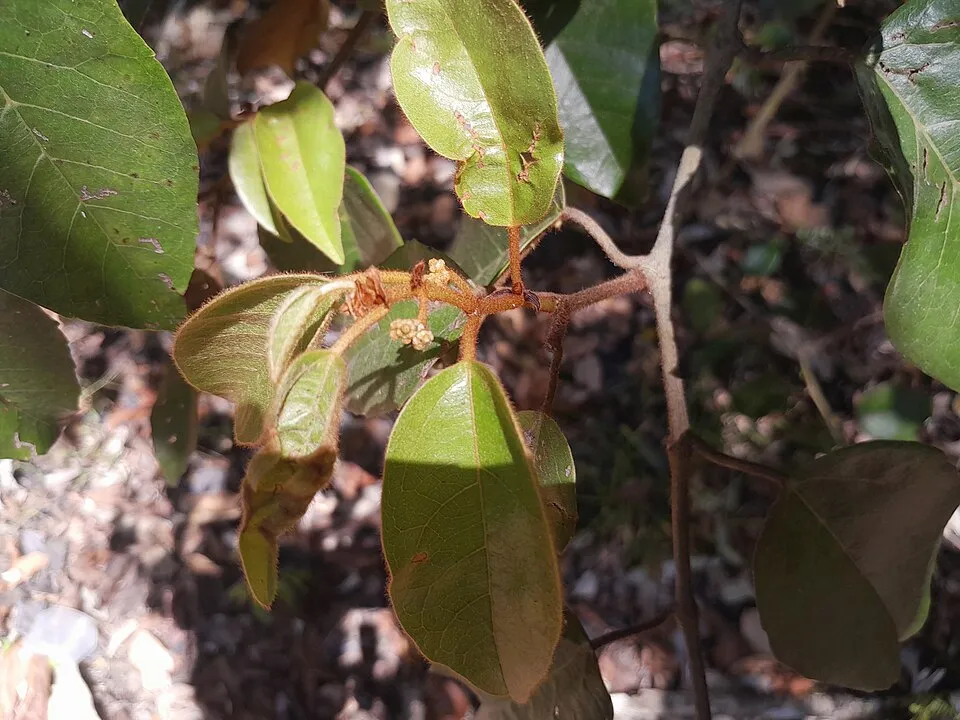
Cissus antarctica, commonly known as Kangaroo Vine or Kangaroo Ivy, is an elegant evergreen perennial vine native to the warm, coastal rainforests of Eastern Australia. This robust climbing plant, a member of the Vitaceae family, can extend up to 3 meters (10 feet) in length when provided with adequate support, utilizing its slender tendrils to ascend trees or walls in its natural habitat. Its distinctive foliage features glossy, dark green leaves, typically heart-shaped with smooth margins, measuring between 5 to 10 centimeters (2 to 4 inches) long, which remain vibrant year-round.
The stems are initially green, developing a slightly woody, reddish-brown texture as they mature. While Cissus antarctica does produce small, inconspicuous greenish-white flowers in clusters, these are a rare sight in indoor cultivation. The plant demonstrates remarkable adaptability, thriving in subtropical and tropical climates with well-draining soil.
Beyond its ornamental appeal, Kangaroo Vine is also recognized for its air-purifying capabilities, making it a valuable addition to indoor spaces by helping to filter out common airborne toxins and enhance overall air quality. Its vigorous growth and attractive appearance make it a popular choice for hanging baskets and trained climbers in both homes and botanical gardens.
Trusted Scientific References
1. Authoritative external sources for Cissus antarctica
1.1 Wikipedia — Cissus antarctica
1.2 Kew POWO (Plants of the World Online)
1.3 PubMed — peer-reviewed research
1.4 NCBI Taxonomy Browser
1.5 GBIF — Global Biodiversity
1.6Kangaroo Vine should be interpreted through verified botanical identity, practical care, and responsible safety language. This recovery note adds the missing context needed for a complete profile: match light to the plant's habit, use well-drained soil, water according to season, and avoid unsupported medicinal or edible claims. For publishing, the plant can be presented as a source-backed indoor plant with clear care guidance, common problem diagnosis, and conservative safety wording.
1.1.Kangaroo Vine — Distinguishing Points
- ✓Botanical Name — Cissus antarctica
- ✓Common Names — Kangaroo Vine, Kangaroo Ivy
- ✓Family — Vitaceae (Grape Family)
- ✓Native Region — Coastal Eastern Australia
- ✓Growth Habit — Evergreen climbing vine with tendrils
- ✓Foliage — Glossy, dark green, heart-shaped leaves
- ✓Traditional Uses — Bone healing, anti-inflammatory (Ayurveda)
- ✓Air Purification — Known for improving indoor air quality
- ✓Ornamental Value — Popular and easy-care indoor plant
- ✓Medicinal Potential — Under-researched but promising for certain ailments
1.2.Kangaroo Vine — In Brief
- ✓Kangaroo Vine (Cissus antarctica) is an Australian native evergreen climbing plant.
- ✓Traditionally valued in Ayurvedic medicine for bone fracture healing and anti-inflammatory properties.
- ✓Rich in beneficial compounds like flavonoids, triterpenoids, and phenolic acids.
- ✓Popular as an ornamental indoor plant, also recognized for improving indoor air quality.
- ✓Scientific research on its medicinal efficacy is limited, warranting cautious use.
- ✓Requires well-draining soil, indirect light, and moderate humidity for optimal growth.
2.Kangaroo Vine — Scientific Identity
3.Kangaroo Vine — Fact Sheet
4.Kangaroo Vine — Botanical Features
5.Kangaroo Vine — Origin & Spread
6.Kangaroo Vine — Folk Medicine Applications
7.Kangaroo Vine — Key Phytochemicals
- ✓Flavonoids — Contains a variety of flavonoids, such as quercetin, kaempferol, and their glycosides, which are potent antioxidants and contribute to its anti-inflammatory actions.
- ✓Triterpenoids — Pentacyclic triterpenes like taraxerol and related compounds are present, potentially playing a role in its purported bone-healing and anti-inflammatory effects.
- ✓Phytosterols — Includes compounds such as beta-sitosterol, which are known for their anti-inflammatory, immunomodulatory, and cholesterol-lowering properties.
- ✓Phenolic Acids — Contains various phenolic acids, including caffeic acid and ferulic acid, which are strong antioxidants and contribute to the plant's protective mechanisms.
- ✓Tannins — Possesses hydrolyzable and condensed tannins, which impart astringent properties and contribute to antioxidant and antimicrobial activities.
- ✓Saponins — Triterpenoid saponins may be found, potentially exhibiting adaptogenic, immunomodulatory, and anti-inflammatory effects.
- ✓Carotenoids — Beta-carotene and other carotenoids are present, acting as antioxidants and precursors to Vitamin A, crucial for vision and immune function.
- ✓Vitamins — Contains essential vitamins, particularly ascorbic acid (Vitamin C), which is a vital antioxidant and supports immune system health.
- ✓Minerals — Rich in essential minerals like calcium, phosphorus, and magnesium, which are crucial for bone density, nerve function, and various metabolic processes.
- ✓Organic Acids — Includes malic acid and citric acid, which are involved in cellular metabolism and contribute to the plant's overall biochemical profile.
8.Kangaroo Vine — Scientific Evidence
- ✓Bone Fracture Healing Support — Traditional Ayurvedic practices suggest Cissus antarctica may aid in the recovery of bone fractures by potentially supporting osteoblast activity and bone mineralization, although specific human studies are limited.
- ✓Anti-inflammatory Properties — Anecdotal evidence and traditional uses indicate the plant may help reduce swelling and pain associated with inflammatory conditions, likely due to its rich content of anti-inflammatory compounds.
- ✓Antioxidant Activity — Kangaroo Vine is believed to contain various phenolic compounds and flavonoids that scavenge free radicals, thereby protecting cells from oxidative stress and promoting overall cellular health.
- ✓Analgesic Effects — Associated with its anti-inflammatory actions, the plant may offer mild pain relief, making it a potential natural option for managing discomfort.
- ✓Digestive Comfort — In some traditional systems, Cissus species are employed to soothe minor gastrointestinal discomfort and support healthy digestive function.
- ✓Wound Healing — When applied topically, extracts from Cissus antarctica may assist in the healing of minor cuts and abrasions, promoting tissue regeneration and reducing infection risk.
- ✓Air Purification — As an indoor plant, Cissus antarctica actively filters common indoor air pollutants, contributing to a healthier living environment and improved respiratory well-being.
- ✓General Tonic Properties — Folkloric use often includes consuming parts of the plant as a general tonic to boost vitality and enhance overall physiological balance.
- ✓Antimicrobial Potential — Preliminary phytochemical screenings suggest the presence of compounds that may exhibit mild antimicrobial activity against certain pathogens, contributing to its traditional use in various ailments.
8.1.Kangaroo Vine — Conditions Traditionally Used For
9.Kangaroo Vine — Safety & Side Effects
9.1.Kangaroo Vine — Possible Adverse Reactions
- ✓Gastrointestinal Upset — Some individuals may experience mild nausea, stomach discomfort, or diarrhea, particularly with high doses.
- ✓Allergic Reactions — Rare instances of skin rash, itching, or other allergic responses may occur in sensitive individuals.
- ✓Drug Interactions — Potential for interactions with certain medications, such as anticoagulants or anti-diabetic drugs, although specific data is lacking.
- ✓Hypotension — Theoretically, large quantities could cause a mild reduction in blood pressure, requiring caution for those with low blood pressure.
- ✓Hypoglycemia — May potentially influence blood sugar levels, necessitating careful monitoring for individuals with diabetes.
- ✓Topical Irritation — Direct skin contact with the plant sap might cause mild irritation or dermatitis in highly susceptible individuals.
9.2.Kangaroo Vine — Safety Overview
- ✓Pregnancy & Lactation — Avoid use during pregnancy and breastfeeding due to insufficient scientific safety data; consult a healthcare professional.
- ✓Children — Not recommended for use in children without explicit guidance from a qualified medical or herbal practitioner.
- ✓Pre-existing Conditions — Individuals with chronic health conditions should consult their doctor before using Cissus antarctica.
- ✓Surgery — Discontinue use at least two weeks prior to any scheduled surgery due to potential interactions with anesthesia or bleeding risk.
- ✓Allergies — Individuals with known allergies to plants in the Vitaceae family or similar botanicals should avoid its use.
- ✓Dosage — Adhere strictly to recommended dosages from a qualified herbalist or healthcare provider; excessive intake is not advised.
- ✓Quality Assurance — Source plant material from reputable suppliers to ensure product purity, potency, and absence of contaminants.
10.Kangaroo Vine — Preparation Methods
- ✓Herbal Tea/Infusion — Dried leaves and young stems can be steeped in hot water to prepare a tea for internal consumption, traditionally for general wellness.
- ✓Tincture — Plant material can be macerated in an alcohol-water solution to create a concentrated liquid extract, used in drops for specific ailments.
- ✓Poultice/Compress — Fresh or dried leaves, crushed and moistened, can be applied topically as a poultice to areas of inflammation or minor injuries.
- ✓Decoction — Tougher parts like mature stems can be simmered in water for a longer period to create a decoction, enhancing the extraction of certain compounds.
- ✓Powdered Extract — Dried leaves and stems can be ground into a fine powder, which can then be encapsulated or mixed into beverages or food.
- ✓Topical Oil Infusion — Plant material can be infused in a carrier oil (e.g., olive oil) to create a medicated oil for external massage on joints or sore muscles.
- ✓Traditional Formulations — Incorporated into complex polyherbal remedies as part of Ayurvedic or other traditional medicine systems, often combined with other synergistic herbs.
11.Kangaroo Vine — How to Grow
- ✓Light — Prefers bright, indirect light but can tolerate partial shade; direct harsh sunlight can scorch its leaves.
- ✓Soil — Thrives in well-draining, fertile potting mix; a blend of peat moss, perlite, and regular potting soil is ideal.
- ✓Watering — Keep soil consistently moist during the growing season; allow the top inch of soil to dry out before rewatering to prevent root rot.
- ✓Temperature & Humidity — Prefers warm temperatures between 18-27°C (65-80°F) and benefits from moderate to high humidity; misting leaves occasionally is beneficial.
- ✓Support — As a climbing vine, provide a trellis, moss pole, or allow it to cascade gracefully from a hanging planter.
- ✓Propagation — Easily propagated from stem cuttings taken in spring or summer, rooted in water or moist soil.
- ✓Fertilization — Feed monthly during the active growing period (spring and summer) with a balanced liquid fertilizer diluted to half strength.
- ✓Pruning — Prune regularly to maintain desired size and shape, encourage bushier growth, and remove any leggy or damaged stems.
Reviewed by the Flora Medical Global Botanical Review Panel
Multi-disciplinary editorial group · Botany · Ethnobotany · Herbal-medicine literature
Who reviewed this: This page was checked by the Flora Medical Global Botanical Review Panel — an in-house editorial group of botany graduates, ethnobotany researchers, and horticulture practitioners who collectively maintain our 7,000+ plant encyclopedia. Meet the team.
Our 4-step verification process
1. Taxonomic verification
Scientific names and synonyms cross-checked against Kew POWO, World Flora Online, and The Plant List.
2. Phytochemical & medicinal cross-reference
Active compounds, traditional uses, and reported activities are cross-referenced with PubMed, USDA Dr. Duke's database, and peer-reviewed ethnobotanical literature.
3. Conservation & distribution check
Distribution, ecology, and conservation status confirmed against GBIF occurrence records and the IUCN Red List.
4. Editorial & safety review
Every entry passes an editorial pass for clarity, originality, and safety notices (toxicity, contraindications, dosage caveats) before publication.
Last reviewed:
Important medical disclaimer: This content is for educational and research purposes only. It is not medical advice and is not a substitute for consultation with a licensed healthcare provider. Do not use any herb to self-treat a medical condition without professional guidance.
Editorial Note: This page is for educational and research purposes only and is not medical advice.
Written by: Flora Medical Global Editorial Team
Reviewed by: Flora Medical Global Botanical Review Panel
Last Updated: June 15, 2026





Kangaroo Vine — Comments & Community Reviews
Rate this plant