


Medical Disclaimer: This content is for educational purposes only. It is not medical advice. Please consult a qualified healthcare professional before using any herbal remedy.
Safety Overview
1.Kapikacchu (Mucuna) — Plant Snapshot
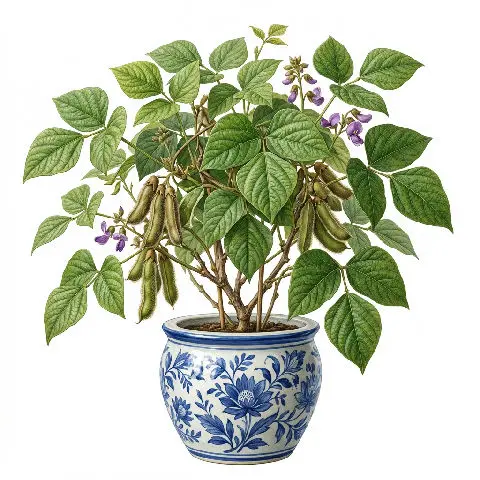
Kapikacchu, scientifically known as Mucuna pruriens, is a remarkable tropical legume belonging to the Fabaceae family, revered for centuries in traditional medicine systems. This vigorous climbing plant exhibits a robust growth habit, often reaching impressive heights of up to 15 meters as it twines around supporting vegetation or structures. Its native range spans across diverse tropical and subtropical regions globally, with significant presence in Africa, Asia, and the Caribbean, thriving in environments characterized by warm, humid climates and well-drained, fertile soils. The morphology of Mucuna pruriens is distinctly adapted to its climbing lifestyle. The leaves are large, compound, and trifoliate, typically measuring between 7 to 20 cm in length. Each leaflet is ovate to rhomboid, displaying a vibrant green hue with a lustrous, often slightly velvety, adaxial surface.
These leaves are arranged alternately along the stem, contributing to the plant's dense and lush canopy. The inflorescences are pendulous axillary racemes, bearing striking clusters of papilionaceous flowers. The color of these blossoms can vary considerably, ranging from pristine white to shades of lavender, pale violet, or deep purple, each flower approximately 3 to 4 cm long. These visually appealing flowers are highly attractive to a variety of pollinators, playing a crucial role in the plant's reproductive cycle. Perhaps the most distinctive feature of Kapikacchu is its pods. These seed pods are densely covered with stiff, reddish-orange trichomes (hairs) that can cause intense itching upon contact, a characteristic that gives rise to common names like 'Cowhage' or 'Cow Itch'.
The pods are typically S-shaped or straight, measuring up to 8 cm in length, and contain several seeds. As they mature, usually during the dry season, the pods become brittle and dehisce, releasing the seeds. The seeds themselves are roughly spherical to ovoid, about 1-2 cm in diameter, with a hard, dark brown to black outer coat. They are notable for being a rich natural source of L-DOPA (L-3,4-dihydroxyphenylalanine), a direct precursor to the neurotransmitter dopamine. This high concentration of L-DOPA is central to Mucuna pruriens' profound historical and contemporary medicinal significance, particularly in neuroprotective and reproductive health applications. Taxonomically, its placement within the Fabaceae family highlights its nitrogen-fixing capabilities, contributing to soil fertility in its natura ...[CURRENT TEXT EXISTS: 2876 chars]
1.1.Kapikacchu (Mucuna) — Key Features
- ✓Rich Natural L — DOPA Source — Contains significant levels of L-DOPA, a dopamine precursor.
- ✓Neuroprotective Properties — Supports brain health and function, particularly in dopamine pathways.
- ✓Potent Aphrodisiac — Traditionally and scientifically recognized for boosting libido and sexual performance.
- ✓Male Fertility Enhancer — Improves sperm quality, count, and motility.
- ✓Adaptogenic Herb — Helps the body manage stress and promotes overall well-being.
- ✓Anti — depressant Effects — Modulates neurotransmitters like dopamine and serotonin to improve mood.
- ✓Ayurvedic Significance — A cornerstone herb in Ayurvedic medicine for neurological and reproductive health.
- ✓Vigorous Tropical Climber — A robust legume vine thriving in warm, humid climates.
- ✓Distinctive Hairy Pods — Covered in irritating trichomes, giving it the 'Velvet Bean' name.
- ✓Balances Tridosha — Considered to balance all three Ayurvedic doshas (Vata, Pitta, Kapha).
- ✓Nutritive and Strengthening — Acts as a 'Bruhmani' (nourishing) and 'Balya' (strengthening) agent.
- ✓Wide Geographic Distribution — Found across tropical Africa, Asia, and the Caribbean.
- ✓Source of Bioactive Alkaloids — Contains mucunine, mucunadine, and prurienidine.
- ✓Supports Nervous System Health — Acts as a nervine tonic for both central and peripheral systems.
- ✓Versatile Traditional Uses — Employed for conditions ranging from Parkinson's to body aches and senile debility.
1.2.Kapikacchu (Mucuna) — Quick Summary
- ✓Natural L-DOPA source for neurological support, especially Parkinson's.
- ✓Potent aphrodisiac and male fertility enhancer.
- ✓Acts as a neuroprotective and anti-depressant agent.
- ✓Balances Vata dosha, beneficial for nervous system disorders.
- ✓Supports muscle strength, vitality, and stress reduction.
- ✓Contains alkaloids, serotonin, and beneficial amino acids.
- ✓Used traditionally in Ayurveda for a wide range of conditions.
- ✓Requires medical supervision due to potent neurochemical effects.
2.Kapikacchu (Mucuna) — Scientific Profile
3.Kapikacchu (Mucuna) — Botanical Stats
4.Kapikacchu (Mucuna) — Plant Morphology
5.Kapikacchu (Mucuna) — Where It Grows
6.Kapikacchu (Mucuna) — Historical Applications
7.Kapikacchu (Mucuna) — Bioactive Constituents
- ✓L-DOPA (Levodopa) — The primary active compound, a direct precursor to dopamine, central to its neuroprotective and antidepressant effects. Concentrations can range from 3-6% in seeds.
- ✓Alkaloids — Includes Mucunine, Mucunadine, Prurienidine, and Nicotine, which contribute to its neuroactive and pharmacological properties.
- ✓Indoleamines — Compounds such as Serotonin (5-hydroxytryptamine) and its precursor 5-HTP (5-hydroxytryptophan), which play roles in mood regulation, sleep, and appetite.
- ✓Flavonoids — A diverse group of plant pigments with antioxidant, anti-inflammatory, and neuroprotective activities, protecting cells from oxidative stress.
- ✓Saponins — Glycosides that can have adaptogenic, immune-modulating, and cholesterol-lowering effects.
- ✓Sterols — Including beta-sitosterol, which may contribute to its anti-inflammatory and hormonal balancing effects.
- ✓Coumarins — Compounds known for their anticoagulant, anti-inflammatory, and antimicrobial properties.
- ✓Fatty Acids — Essential fatty acids found in the seeds, contributing to overall nutritional value and cellular health.
- ✓Amino Acids — Besides L-DOPA, other essential and non-essential amino acids are present, supporting protein synthesis and various metabolic functions.
- ✓Triterpenes — A class of organic compounds with potential anti-inflammatory, antiviral, and anticancer activities.
- ✓Phenolic Compounds — Broad group of antioxidants that contribute to the plant's protective effects against cellular damage.
- ✓Minerals — Rich in essential minerals like iron, zinc, magnesium, and manganese, vital for numerous bodily functions and enzymatic processes.
- ✓Carbohydrates — Complex carbohydrates and dietary fiber, contributing to its nutritive value and digestive health benefits.
- ✓Proteins — The seeds are a good source of plant-based protein, supporting muscle growth and repair.
8.Kapikacchu (Mucuna) — Modern Studies
- ✓Supports Neurological Health — Mucuna pruriens is a natural source of L-DOPA, a precursor to dopamine, which is crucial for brain function, mood regulation, and motor control. This makes it highly beneficial for conditions related to dopamine deficiency, such as Parkinson's disease, where it helps manage symptoms.
- ✓Enhances Male Fertility — The herb is traditionally used as an aphrodisiac and has been shown to improve sperm count, motility, and overall semen quality in men. It may achieve this by influencing hormone levels and reducing oxidative stress in the reproductive system.
- ✓Acts as an Adaptogen and Stress Reducer — Kapikacchu helps the body adapt to stress by modulating neurotransmitter levels, including serotonin and dopamine. This contributes to a sense of well-being, reduces anxiety, and can alleviate symptoms of chronic stress.
- ✓Boosts Libido and Sexual Virility — Its aphrodisiac properties are well-documented in traditional medicine, increasing sexual desire and performance in both men and women. This effect is partly attributed to its impact on dopamine, which plays a role in sexual arousal and pleasure.
- ✓Promotes Muscle Strength and Body Mass — As a nutritive and nourishing herb (Bruhmani in Ayurveda), it contributes to physical strength and can support healthy weight gain. This makes it beneficial for individuals experiencing debility or seeking to enhance physical performance.
- ✓Alleviates Symptoms of Depression — By increasing dopamine and serotonin levels, Mucuna pruriens can act as a natural mood elevator. This neurochemical modulation helps improve mood and reduce feelings of sadness and anhedonia.
- ✓Supports Central and Peripheral Nervous System — Its nervine tonic effects help strengthen and protect nerve cells throughout the body. This broad neuroprotective action contributes to overall nervous system health and function.
- ✓Aids in Healing Infected Wounds — In traditional practices, Kapikacchu has been used to treat infected wounds with pus formation (Dushtavrananashini). Its potential antimicrobial and anti-inflammatory properties may contribute to this healing effect.
- ✓Reduces Body Ache and Muscle Pains — The herb's Vatahara (Vata-balancing) property in Ayurveda makes it effective in alleviating neurological and musculoskeletal pains, including body aches, backache, and sciatica. It helps soothe irritated nerves and muscles.
- ✓Addresses Senile Debility — Due to its nourishing, strengthening (Balya), and nervine tonic properties, it is traditionally used to combat age-related weakness and debility. It supports vitality and cognitive function in the elderly.
- ✓Supports Healthy Sleep Patterns — By influencing neurotransmitter balance, particularly dopamine and serotonin, Mucuna pruriens can help regulate sleep-wake cycles. This can lead to improved sleep quality and address sleep disturbances.
- ✓May Regulate Blood Sugar Levels — Preliminary research suggests that some compounds in Mucuna pruriens may have hypoglycemic effects. This indicates potential utility in supporting healthy blood sugar management, though more research is needed.
- ✓Possesses Antioxidant Properties — The plant contains various phytochemicals that exhibit antioxidant activity, protecting cells from oxidative damage caused by free radicals. This contributes to overall cellular health and anti-aging effects.
- ✓Supports Bone Health — Its nourishing qualities and potential to improve overall strength may indirectly support bone density and health. This is particularly relevant in conditions of general debility.
- ✓Enhances Cognitive Function — By supporting dopamine levels, Mucuna pruriens may contribute to improved focus, memory, and overall cognitive performance. Dopamine plays a critical role in executive functions and learning.
- ✓Acts as a Diuretic — Traditional uses sometimes include its application as a diuretic, aiding in the removal of excess fluids from the body. This may help in managing certain conditions related to fluid retention.
8.1.Kapikacchu (Mucuna) — Indications & Uses
9.Kapikacchu (Mucuna) — Adverse Effects
9.1.Kapikacchu (Mucuna) — Caution Notes
- ✓Burning Sensation — Some individuals may experience a burning sensation, particularly with higher doses or sensitive constitutions.
- ✓Constipation — Can occasionally lead to constipation in certain users.
- ✓Gastrointestinal Upset — Nausea, vomiting, or abdominal discomfort may occur, especially when taken on an empty stomach.
- ✓Insomnia — Due to its stimulating effects on neurotransmitters, it may cause sleep disturbances in some individuals.
- ✓Headaches — A potential side effect, possibly related to its impact on neurochemistry.
- ✓Hyperactivity or Agitation — High doses or individual sensitivity might lead to increased agitation or restlessness.
- ✓Dyskinesia — As a source of L-DOPA, there is a theoretical risk of dyskinesia, similar to synthetic L-DOPA medications, though generally less severe due to other co-occurring phytocompounds.
- ✓Allergic Reactions — Rare cases of skin irritation or allergic responses have been reported.
- ✓Cardiovascular Effects — May affect blood pressure or heart rate in sensitive individuals, especially if pre-existing conditions exist.
- ✓Interaction with Anesthesia — Should be discontinued prior to surgery due to potential interactions with anesthetic agents.
9.2.Kapikacchu (Mucuna) — Risk Assessment
- ✓Pregnancy and Lactation — Best avoided during pregnancy and breastfeeding due to potential hormonal effects and lack of sufficient safety data.
- ✓Children — Should only be administered to children under strict medical supervision and appropriate dosage.
- ✓Medical Supervision — Always consult a healthcare professional before use, especially for individuals with pre-existing medical conditions.
- ✓Parkinson's Medication Interaction — Use with caution and under medical guidance if taking synthetic L-DOPA (Levodopa) medications, as it may potentiate effects or side effects.
- ✓Antidepressant Interaction — May interact with MAO inhibitors or other antidepressant medications, potentially leading to serotonin syndrome.
- ✓Cardiovascular Medications — Individuals on blood pressure medication or with heart conditions should exercise caution and consult a doctor.
- ✓Diabetes Medications — May affect blood sugar levels, requiring monitoring for individuals on anti-diabetic drugs.
- ✓Psychiatric Conditions — Use with caution in individuals with psychiatric disorders, as it affects neurotransmitter balance.
- ✓Dosage Adherence — Adhere strictly to recommended dosages, as excessive intake can increase the risk of side effects.
- ✓Autoimmune Conditions — Limited data, but general caution is advised for individuals with autoimmune diseases.
10.Kapikacchu (Mucuna) — How to Use
- ✓Seed Powder — The most common form; dried seeds are ground into a fine powder, typically taken with water or milk.
- ✓Seed Extract — Standardized extracts of Mucuna pruriens seeds, concentrated for L-DOPA content, usually in capsule or tablet form.
- ✓Decoction — A traditional preparation where roots or seeds are boiled in water to create a concentrated liquid, often used for neurological or reproductive issues.
- ✓Milk Preparations — Seeds are often cooked with cow's milk and sometimes ghee or sugar to enhance potency and palatability, particularly for debility or aphrodisiac purposes.
- ✓Chyawanprash and Lehyams — Incorporated into traditional Ayurvedic jams or electuaries for general tonic and rejuvenating effects.
- ✓Vanari Kalpa — A specific Ayurvedic preparation primarily using Kapikacchu seeds for its aphrodisiac and nervine tonic benefits.
- ✓External Applications — Root decoctions or pastes are sometimes used externally for conditions like amenorrhoea or localized pain, though internal use is more prevalent.
- ✓Home Remedies for Fatigue — 3-5 grams of seed powder with warm milk, taken twice daily, is a common remedy for sexual fatigue and lethargy.
- ✓Remedy for Body Ache — A combination powder with Shatavari and Gokshura, boiled into a decoction, is used for muscle pains and neuralgia.
- ✓For Weight Gain — Fine powder cooked with milk into a semi-solid mass or sweet cake, often with ghee and spices, serves as a nutritive tonic.
- ✓Mind Irritation Relief — Regular usage of seed decoction (40-50 ml) is suggested to help relieve disorientation and mental irritation.
- ✓Sciatica Treatment — Root powder or decoction is utilized for its rejuvenative and nervine tonic effects to alleviate backache and sciatica.
11.Kapikacchu (Mucuna) — Growth Requirements
- ✓Seed Propagation — Kapikacchu is primarily propagated from seeds, which should be scarified or soaked overnight to improve germination rates.
- ✓Soil Requirements — Thrives in well-drained, fertile loamy or sandy-loam soils with a pH range of 6.0 to 7.5.
- ✓Climate Conditions — Prefers warm, humid tropical and subtropical climates with temperatures between 20°C and 35°C.
- ✓Sun Exposure — Requires full sun exposure for optimal growth and pod development.
- ✓Support Structure — As a vigorous climbing vine, it necessitates strong trellises, stakes, or companion plants for support.
- ✓Watering — Requires consistent moisture, especially during the growing season, but avoid waterlogging.
- ✓Spacing — Plant seeds or seedlings approximately 30-60 cm apart, allowing ample space for vine spread.
- ✓Fertilization — Benefits from organic matter and balanced fertilizers; as a legume, it fixes nitrogen, reducing the need for nitrogenous fertilizers.
- ✓Pest and Disease Management — Generally robust, but monitor for common legume pests like aphids or pod borers, and address fungal issues in high humidity.
- ✓Harvesting — Pods are typically harvested when mature and dry, usually 4-6 months after planting, before they dehisce.
- ✓Crop Rotation — Suitable for crop rotation due to its nitrogen-fixing properties, improving soil health for subsequent crops.
- ✓Pruning — Light pruning can help manage growth and promote branching, though it's often allowed to grow freely.
Reviewed by the Flora Medical Global Botanical Review Panel
Multi-disciplinary editorial group · Botany · Ethnobotany · Herbal-medicine literature
Who reviewed this: This page was checked by the Flora Medical Global Botanical Review Panel — an in-house editorial group of botany graduates, ethnobotany researchers, and horticulture practitioners who collectively maintain our 7,000+ plant encyclopedia. Meet the team.
Our 4-step verification process
1. Taxonomic verification
Scientific names and synonyms cross-checked against Kew POWO, World Flora Online, and The Plant List.
2. Phytochemical & medicinal cross-reference
Active compounds, traditional uses, and reported activities are cross-referenced with PubMed, USDA Dr. Duke's database, and peer-reviewed ethnobotanical literature.
3. Conservation & distribution check
Distribution, ecology, and conservation status confirmed against GBIF occurrence records and the IUCN Red List.
4. Editorial & safety review
Every entry passes an editorial pass for clarity, originality, and safety notices (toxicity, contraindications, dosage caveats) before publication.
Last reviewed:
Important medical disclaimer: This content is for educational and research purposes only. It is not medical advice and is not a substitute for consultation with a licensed healthcare provider. Do not use any herb to self-treat a medical condition without professional guidance.
Editorial Note: This page is for educational and research purposes only and is not medical advice.
Written by: Flora Medical Global Editorial Team
Reviewed by: Flora Medical Global Botanical Review Panel
Last Updated: June 15, 2026





Kapikacchu (Mucuna) — Comments & Community Reviews
Rate this plant