


Medical Disclaimer: This content is for educational purposes only. It is not medical advice. Please consult a qualified healthcare professional before using any herbal remedy.
Safety Overview
1.Karanja (Pongamia) — Introduction & Highlights
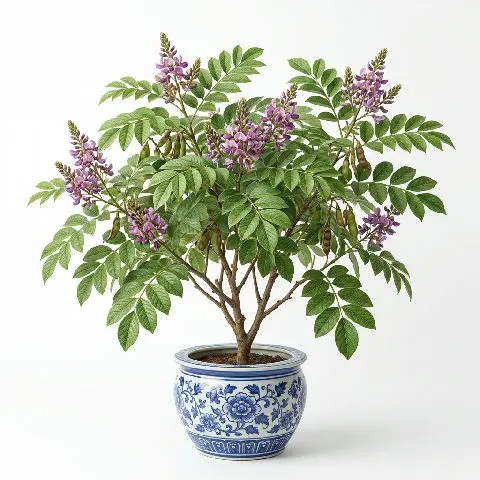
Millettia pinnata, commonly known as Karanja or Indian Beech, is a robust, medium-sized evergreen tree native to tropical and subtropical regions across India, Southeast Asia, and parts of Australia. This remarkable member of the Fabaceae family typically attains heights of 15 to 25 meters, distinguishing itself with a broad, spreading canopy that offers significant shade, making it a popular choice for roadside planting. Its botanical structure is characterized by alternately arranged, compound leaves, each bearing 5 to 7 elliptical leaflets that range from 4 to 12 cm in length, presenting a glossy, dark green hue. The tree's aesthetic appeal is further enhanced by its attractive flowers, which bloom in pendulous clusters.
These blossoms showcase a delicate white to pinkish-purple coloration, each featuring a distinctive tubular corolla approximately 1-2 cm long, often exuding a subtle fragrance. The bark of Karanja is notably greyish-brown, rough, and corky, frequently displaying deep fissures and a scaly texture as the tree matures. Following the flowering phase, the tree produces flattened, woody pods, each containing one or two oval-shaped seeds, typically 2-3 cm long. These seeds are the primary source of Karanja oil, a substance highly valued in traditional medicine and increasingly recognized for industrial applications like biofuel.
Millettia pinnata exhibits exceptional adaptability, thriving in a diverse range of soil types, from sandy coastal plains to heavy clayey loams, though it shows a preference for well-drained loamy soils. Its resilience to adverse environmental conditions, including drought and salinity, underscores its ecological significance and its traditional role in agroforestry and land reclamation efforts. Taxonomically, while historically known as Pongamia pinnata, the current accepted scientific name is Millettia pinnata, reflecting its close genetic relationship within the Millettia genus. Historically, various parts of the Karanja tree, especially its twigs, have been utilized in ancient Ayurvedic practices as a natural toothbrush, signifying its long-standing recognition for oral hygiene and broader medicinal properties.
Trusted Scientific References
1. Authoritative external sources for Millettia pinnata
1.1 Wikipedia — Millettia pinnata
1.2 Kew POWO (Plants of the World Online)
1.3 PubMed — peer-reviewed research
1.4 NCBI Taxonomy Browser
1.5 GBIF — Global Biodiversity
1.1.Karanja (Pongamia) — Standout Qualities
- ✓Evergreen Tree — Provides year-round foliage and shade.
- ✓Medicinal Oil — Seeds yield Karanja oil, highly valued in traditional medicine.
- ✓Ayurvedic Cornerstone — Extensively used in traditional Indian medicine for centuries.
- ✓Skin Health Powerhouse — Effective against eczema, psoriasis, scabies, and fungal infections.
- ✓Potent Anti — inflammatory — Reduces swelling and pain in various conditions.
- ✓Natural Antimicrobial — Fights bacteria, fungi, and parasites.
- ✓Wound Healing Promoter — Accelerates tissue regeneration and closure of wounds.
- ✓Drought Tolerant — Adaptable to harsh environmental conditions.
- ✓Nitrogen Fixer — Enhances soil fertility as a legume.
- ✓Biofuel Source — Karanja oil is a promising candidate for biodiesel.
- ✓Rich in Flavonoids — Contains bioactive compounds like Karanjin and Pongamol.
- ✓Traditional Oral Hygiene — Twigs historically used as natural toothbrushes.
- ✓Agroforestry Potential — Integrated into sustainable farming systems.
- ✓Attractive Flowering — Produces beautiful white to pinkish-purple flowers.
- ✓Wide Geographic Distribution — Found across Asia and Australia.
1.2.Karanja (Pongamia) — Snapshot Summary
- ✓Karanja, or Millettia pinnata, is an evergreen tree revered in Ayurveda for diverse medicinal uses.
- ✓Its seed oil is a cornerstone for treating various skin ailments like eczema and psoriasis.
- ✓Rich in flavonoids like Karanjin and Pongamol, it offers potent anti-inflammatory and antimicrobial benefits.
- ✓Traditionally used for wound healing, parasitic infections, and digestive support.
- ✓Also explored for antidiabetic potential and as a sustainable biofuel source.
- ✓Primarily for external application; internal use requires strict professional supervision due to potential toxicity.
- ✓A versatile plant with ecological significance, thriving in tropical and subtropical regions.
2.Karanja (Pongamia) — Systematic Position
3.Karanja (Pongamia) — Botanical Stats
4.Karanja (Pongamia) — Morphological Account
5.Karanja (Pongamia) — Geographic Distribution
6.Karanja (Pongamia) — Ethnobotanical Uses
7.Karanja (Pongamia) — Secondary Metabolites
- ✓Flavonoids — Key compounds include Karanjin, Pongamol, Pongapin, Kanjone, and Pongaglabrone. These are largely responsible for Karanja's anti-inflammatory, antimicrobial, and antioxidant activities, inhibiting various enzymatic pathways and modulating immune responses.
- ✓Furanoflavones — Specific furanoflavonoids such as Kuranone and Pongapin contribute to the plant's insecticidal and antifeedant properties, offering natural pest deterrence.
- ✓Fixed Oils — The seeds yield a significant percentage of fixed oil (Karanja oil), rich in fatty acids. This oil is highly valued for its emollient, antiseptic, and anti-inflammatory effects, making it a cornerstone for topical applications.
- ✓Fatty Acids — Karanja oil contains a diverse profile of fatty acids including Oleic acid (44.5-71.3%), Linoleic acid (10.8-18.3%), Palmitic acid (3.7-7.9%), Stearic acid (2.4-8.9%), Arachidic acid (2.2-4.7%), Eicosenoic acid (9.5-12.4%), Behenic acid (4.2-5.3%), and Lignoceric acid (1.1-3.5%), contributing to its skin-nourishing and therapeutic properties.
- ✓Triterpenes — A variety of triterpenes are present, which are known for their anti-inflammatory, hepatoprotective, and adaptogenic properties, further enhancing the plant's medicinal profile.
- ✓Saponins — These compounds contribute to the plant's cleansing and foaming properties, and have also been linked to antimicrobial and immune-modulating effects.
- ✓Alkaloids — While less prominent than flavonoids, certain alkaloidal compounds may be present, potentially contributing to specific pharmacological actions, though their exact roles are still under investigation.
- ✓Glycosides — Various glycosides are found, which can have diverse biological activities including cardiotonic, anti-inflammatory, and antimicrobial effects depending on their aglycone structure.
- ✓Phenolic Acids — These compounds contribute to the overall antioxidant capacity of Karanja, protecting against oxidative stress and related cellular damage.
- ✓Tannins — Present in the bark and leaves, tannins impart astringent properties, useful in wound healing and reducing inflammation, and also contribute to antimicrobial effects.
8.Karanja (Pongamia) — Research Insights
- ✓Anti-inflammatory Action — Karanja is renowned for its potent anti-inflammatory properties, primarily attributed to its flavonoid content like Karanjin and Pongamol, which inhibit pro-inflammatory mediators, offering relief in conditions such as arthritis and skin inflammation.
- ✓Antimicrobial Efficacy — Extracts from Karanja, particularly the seed oil, exhibit broad-spectrum antimicrobial activity against various bacteria, fungi, and parasites, making it effective in combating skin infections, scabies, and ringworm.
- ✓Wound Healing Acceleration — The bark and seed oil of Millettia pinnata promote faster wound closure and tissue regeneration, likely due to their astringent and antiseptic qualities, which help cleanse wounds and stimulate cellular proliferation.
- ✓Anthelmintic Properties — Karanja acts as a natural vermifuge, particularly effective against intestinal worms and parasitic infestations, a traditional use supported by its pungent and bitter taste which is believed to be unpalatable to parasites.
- ✓Dermatological Aid — Widely used in Ayurvedic medicine for various skin conditions including eczema, psoriasis, and vitiligo, Karanja's anti-inflammatory, antiseptic, and emollient properties help soothe irritated skin, reduce itching, and promote healing.
- ✓Antidiabetic Potential — Preliminary research suggests that certain compounds in Karanja, particularly from its fruits, may possess hypoglycemic effects by improving insulin sensitivity or reducing glucose absorption, aiding in the management of Type II Diabetes Mellitus.
- ✓Digestive Health Support — Traditionally, Karanja has been used to alleviate digestive disorders such as bloating (Udavartahara) and abdominal discomfort, acting as a carminative and mild laxative to promote healthy gut function.
- ✓Liver Protective Effects — While not explicitly detailed in mechanisms, traditional uses indicate Karanja's role as a blood purifier and detoxifier, suggesting potential hepatoprotective actions by aiding the liver in processing toxins.
- ✓Anti-pyretic Activity — Certain components of Karanja have demonstrated fever-reducing properties, contributing to its use in traditional medicine for alleviating febrile conditions.
- ✓Uterine and Vaginal Health — In Ayurveda, Karanja is cited as 'Yonidoshahrut', meaning it detoxifies vaginal diseases and is beneficial in various uterine disorders, potentially due to its antiseptic and anti-inflammatory effects.
- ✓Anti-tumor/Anti-cancer Properties — Some studies indicate that specific phytochemicals within Karanja may possess cytotoxic or anti-proliferative effects against certain cancer cell lines, though this area requires further extensive research.
- ✓Insect Repellent — The strong aroma and certain compounds in Karanja oil make it an effective natural insect repellent, particularly useful against mosquitoes and other pests.
- ✓Antioxidant Activity — Flavonoids and other phenolic compounds in Karanja contribute to its antioxidant capacity, helping to neutralize free radicals and protect cells from oxidative damage.
- ✓Dental Hygiene — Historically, the twigs of Karanja were used as natural toothbrushes, leveraging their antimicrobial and astringent properties to maintain oral health and prevent dental infections.
8.1.Karanja (Pongamia) — Indications & Uses
9.Karanja (Pongamia) — Adverse Effects
9.1.Karanja (Pongamia) — Reported Side Effects
- ✓Skin Irritation — Direct application of undiluted Karanja oil may cause skin irritation or allergic reactions in sensitive individuals. Always perform a patch test first.
- ✓Oral Toxicity — Karanja seeds and raw oil are considered toxic if ingested internally without proper processing or expert guidance due to certain furanoflavonoids.
- ✓Gastrointestinal Upset — Internal consumption of unprocessed plant parts can lead to nausea, vomiting, or diarrhea.
- ✓Pregnancy and Lactation — Should be avoided by pregnant and breastfeeding women due to insufficient safety data and potential abortifacient properties or effects on infants.
- ✓Drug Interactions — May interact with antidiabetic medications due to its potential hypoglycemic effects, requiring careful monitoring of blood sugar levels.
- ✓Blood Thinners — Theoretical risk of interaction with anticoagulant medications due to some compounds affecting blood clotting.
- ✓Children — Internal use is generally contraindicated in children due to potential toxicity and lack of safety studies.
- ✓Allergic Reactions — Individuals with known allergies to plants in the Fabaceae family should exercise caution.
9.2.Karanja (Pongamia) — Safety Overview
- ✓External Use Primarily — Karanja oil and topical preparations are generally safe for external use; however, a patch test is recommended before widespread application.
- ✓Internal Use under Expert Guidance — Internal consumption of Karanja derivatives should only be undertaken under the strict supervision of a qualified medical herbalist or Ayurvedic practitioner.
- ✓Avoid During Pregnancy/Lactation — Pregnant and breastfeeding women are advised to avoid all forms of Karanja due to potential risks and lack of comprehensive safety data.
- ✓Caution with Diabetes Medication — Individuals on antidiabetic drugs should use Karanja products with extreme caution and monitor blood glucose levels closely due to potential additive effects.
- ✓Discontinue if Irritation Occurs — If skin irritation, redness, or allergic reactions occur, discontinue use immediately.
- ✓Not for Children — Internal administration of Karanja is not recommended for children due to potential toxicity.
- ✓Store Properly — Store Karanja products in a cool, dry place away from direct sunlight to maintain potency and prevent degradation.
- ✓Avoid Eye Contact — Karanja oil and extracts should not come into direct contact with eyes, except for specific, diluted preparations used under professional guidance for conjunctivitis.
10.Karanja (Pongamia) — Preparation & Dosage
- ✓Seed Oil for Topical Application — Karanja oil, extracted from the seeds, is widely used externally for skin conditions like eczema, psoriasis, scabies, and fungal infections. It is applied directly or blended with other carrier oils.
- ✓Bark Decoction for Wound Washing — A decoction prepared from the stem bark is used to wash chronic ulcers, wounds, and as a sitz bath for post-anorectal surgery or hemorrhoids due to its antiseptic and healing properties.
- ✓Leaf Juice for Insect Bites — Fresh juice extracted from Karanja leaves can be applied topically to insect and wasp bites to instantly reduce swelling, pain, and itching.
- ✓Seed Paste for Skin Ailments — A paste made from crushed Karanja seeds, often combined with turmeric rhizomes, is applied to skin lesions associated with eczema, scabies, and other persistent dermatological issues.
- ✓Leaf Decoction for Conjunctivitis — A cold infusion or decoction of young Karanja leaf shoots is traditionally used as an eye wash or instilled into the eyes to relieve pain, discoloration, and gritty sensation during conjunctivitis.
- ✓Internal Decoction for Hemorrhoids — A decoction prepared from dry Karanja bark powder and Triphala is administered internally (20-30 ml) and used externally for sitz baths in managing hemorrhoids and post-operative care.
- ✓Twigs as Natural Toothbrush — In ancient Ayurvedic practices, the fresh twigs of Karanja were used as a 'datun' or natural toothbrush for maintaining oral hygiene, leveraging their astringent and antimicrobial properties.
- ✓Bloodletting Therapy for Skin Lesions — In cases of numb or anesthetic skin lesions, a brush made from Karanja stem is traditionally rubbed to induce bleeding, described as a method of bloodletting therapy to treat specific skin diseases.
- ✓Powdered Bark for Internal Use — Processed and purified bark powder may be used internally for specific digestive or blood-purifying purposes under expert guidance, though less common than external applications.
- ✓Biofuel Production — Karanja oil is also processed for industrial use as a source of bio-diesel, highlighting its versatility beyond medicinal applications.
11.Karanja (Pongamia) — Growing Guide
- ✓Propagation — Primarily propagated through seeds, which germinate readily, though vegetative propagation via cuttings can also be employed for faster establishment and genetic consistency.
- ✓Climate Requirements — Thrives in tropical and subtropical climates, requiring warm temperatures and ample sunlight for optimal growth.
- ✓Soil Preferences — Adapts to a wide range of soils from sandy to clayey, but prefers well-drained loamy soils with a pH range of 6.0 to 7.5.
- ✓Water Needs — Tolerant to drought once established, but young plants require regular watering. Moderate rainfall is ideal, though it can survive in arid conditions.
- ✓Sunlight Exposure — Requires full sun exposure for robust growth and optimal flowering and fruiting.
- ✓Spacing — When planted in plantations, a spacing of 5x5 meters to 8x8 meters is recommended to allow for canopy development and ease of harvest.
- ✓Fertilization — Generally requires minimal fertilization due to its nitrogen-fixing capabilities as a legume, but organic matter can enhance soil fertility.
- ✓Pest and Disease Resistance — Exhibits good natural resistance to most common pests and diseases, reducing the need for chemical interventions.
- ✓Maintenance — Requires occasional pruning to maintain shape, remove dead branches, and encourage flowering and fruiting.
- ✓Establishment — Young saplings should be protected from harsh winds and extreme temperatures during their initial growth phase for better survival rates.
Reviewed by the Flora Medical Global Botanical Review Panel
Multi-disciplinary editorial group · Botany · Ethnobotany · Herbal-medicine literature
Who reviewed this: This page was checked by the Flora Medical Global Botanical Review Panel — an in-house editorial group of botany graduates, ethnobotany researchers, and horticulture practitioners who collectively maintain our 7,000+ plant encyclopedia. Meet the team.
Our 4-step verification process
1. Taxonomic verification
Scientific names and synonyms cross-checked against Kew POWO, World Flora Online, and The Plant List.
2. Phytochemical & medicinal cross-reference
Active compounds, traditional uses, and reported activities are cross-referenced with PubMed, USDA Dr. Duke's database, and peer-reviewed ethnobotanical literature.
3. Conservation & distribution check
Distribution, ecology, and conservation status confirmed against GBIF occurrence records and the IUCN Red List.
4. Editorial & safety review
Every entry passes an editorial pass for clarity, originality, and safety notices (toxicity, contraindications, dosage caveats) before publication.
Last reviewed:
Important medical disclaimer: This content is for educational and research purposes only. It is not medical advice and is not a substitute for consultation with a licensed healthcare provider. Do not use any herb to self-treat a medical condition without professional guidance.
Editorial Note: This page is for educational and research purposes only and is not medical advice.
Written by: Flora Medical Global Editorial Team
Reviewed by: Flora Medical Global Botanical Review Panel
Last Updated: June 15, 2026





Karanja (Pongamia) — Comments & Community Reviews
Rate this plant