
Medical Disclaimer: This content is for educational purposes only. It is not medical advice. Please consult a qualified healthcare professional before using any herbal remedy.
Safety Overview
1.Kasamarda — Introduction & Highlights
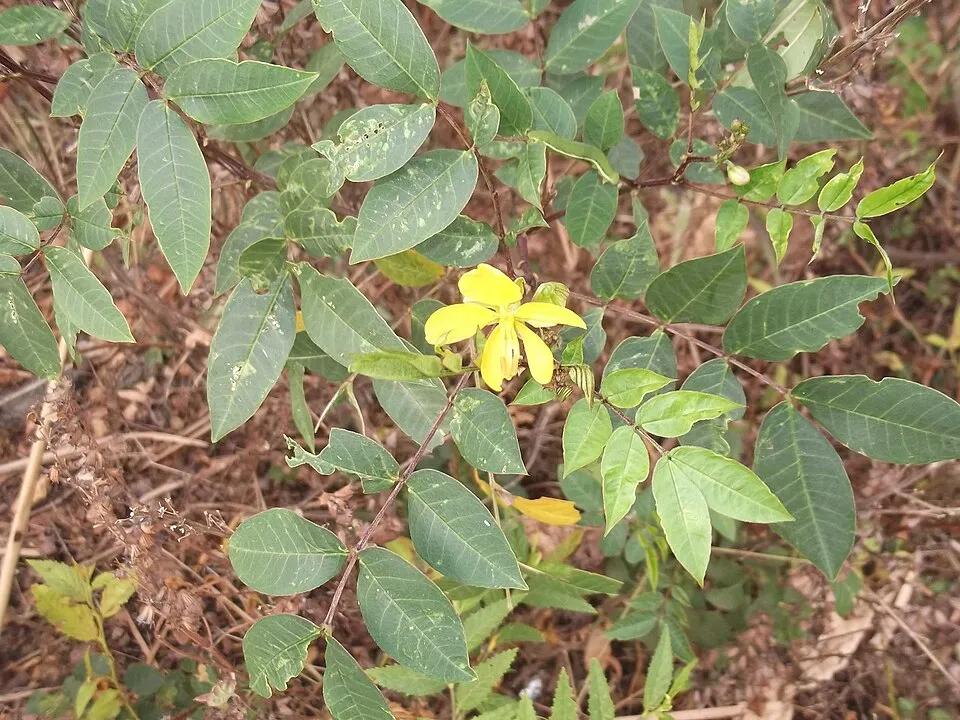
Cassia occidentalis, widely recognized as Kasamarda or Coffee Senna, is a remarkable perennial herb indigenous to the diverse tropical and subtropical belts of the globe. This robust plant typically attains a height of 0.5 to 1.5 meters, showcasing a sturdy, upright growth habit. Its distinctive foliage comprises elongated, pinnate leaves, which can extend from 15 to 30 centimeters in length.
Each leaf is meticulously arranged with 4 to 8 pairs of ovate to elliptical leaflets, individually measuring 4 to 10 centimeters. The plant's aesthetic appeal is heightened by its vibrant, bright yellow flowers, which bear a striking resemblance to those of other Senna species. These blossoms unfurl in terminal racemes, each flower approximately 2.5 centimeters in diameter, serving as a beacon for various pollinator species.
Following successful pollination, the plant yields a slender, flattened legume pod, measuring around 4 to 8 centimeters long, encapsulating several dark brown to black seeds. The stems are characterized by a smooth to slightly textured bark, often exhibiting a subtle reddish hue.
Kasamarda demonstrates a preference for well-drained, sandy soils, allowing it to flourish in a variety of disturbed habitats such as wastelands, open grasslands, and along roadsides. Its geographical distribution is notably extensive, spanning across continents including Africa, Asia, and the Americas, where it has naturalized in many regions. Taxonomically, Cassia occidentalis is classified within the expansive Fabaceae family, specifically nested within the Caesalpinioideae subfamily.
This taxonomic placement situates it amongst a rich lineage of species well-documented for their profound medicinal properties and diverse ecological roles. Historically, the plant’s seeds have been roasted and utilized as a coffee substitute in certain cultures, earning it the common name 'Coffee Senna.' Furthermore, its presence in various traditional medicinal systems across its native range underscores its long-standing recognition as a valuable botanical resource, with a rich ethnobotanical history reflecting centuries of human interaction and application.
Trusted Scientific References
1. Authoritative external sources for Cassia occidentalis
1.1 Wikipedia — Cassia occidentalis
1.2 Kew POWO (Plants of the World Online)
1.3 PubMed — peer-reviewed research
1.4 NCBI Taxonomy Browser
1.5 GBIF — Global Biodiversity
1.1.Kasamarda — Standout Qualities
- ✓Common Names — Kasamarda, Coffee Senna, Negro Coffee, Coffee Weed, Stinking Weed.
- ✓Scientific Name — Cassia occidentalis (Syn. Senna occidentalis).
- ✓Family — Fabaceae (Leguminosae), subfamily Caesalpinioideae.
- ✓Botanical Description — Perennial herb, 0.5-1.5m tall, pinnate leaves, bright yellow flowers, slender legume pods.
- ✓Geographic Distribution — Native to tropical and subtropical regions of Africa, Asia, and the Americas.
- ✓Habitat — Thrives in well-drained, sandy soils; commonly found in wastelands, grasslands, and roadsides.
- ✓Traditional Uses — Extensive use in Ayurvedic, Unani, and various folk medicine systems.
- ✓Key Phytochemicals — Anthraquinones, flavonoids, saponins, tannins, phytosterols, mucilage.
- ✓Medicinal Actions — Anti-inflammatory, antioxidant, hepatoprotective, laxative, antipyretic, analgesic.
- ✓Primary Benefits — Supports digestion, respiratory health, skin conditions, and liver function.
- ✓Parts Used — Leaves, seeds, roots, and flowers are all utilized medicinally.
- ✓Cultural Significance — Seeds used as a coffee substitute in some regions.
- ✓Dosha Balancing — Balances all three Doshas (Vata, Pitta, Kapha) in Ayurveda.
- ✓Toxicity Warning — Leaves are considered potentially toxic if consumed in large quantities or improperly prepared.
- ✓Research Backing — Pre-clinical studies confirm some traditional uses like anti-inflammatory and antipyretic activities.
1.2.Kasamarda — Concise Overview
- ✓Kasamarda, or Cassia occidentalis, is a tropical perennial herb in the Fabaceae family.
- ✓Traditionally used in Ayurveda and Unani for digestive, respiratory, and skin health.
- ✓Rich in anthraquinones, flavonoids, and saponins, contributing to its medicinal actions.
- ✓Exhibits anti-inflammatory, antioxidant, hepatoprotective, and laxative properties.
- ✓Known for benefits in treating cough, skin disorders, liver issues, and supporting digestion.
- ✓Caution advised for pregnant/lactating women, children, and those with diarrhea or on certain medications.
- ✓Can be consumed as leaf vegetables, seed powder, or applied topically as a paste.
- ✓Seeds have been historically used as a coffee substitute, hence 'Coffee Senna'.
2.Kasamarda — Taxonomic Classification
3.Kasamarda — Botanical Stats
4.Kasamarda — Morphological Account
5.Kasamarda — Geographic Distribution
6.Kasamarda — Cultural & Traditional Roles
7.Kasamarda — Bioactive Constituents
- ✓Anthraquinones — Key compounds like Emodin and Physcion are responsible for the plant's laxative properties, stimulating bowel movements. They also contribute to its antimicrobial and anti-inflammatory activities.
- ✓Flavonoids — A diverse group including catechins, these compounds are potent antioxidants and anti-inflammatory agents. They play a role in hepatoprotection, antidiabetic effects, and overall cellular protection by scavenging free radicals.
- ✓Saponins — These glycosides contribute to the plant's foaming properties and exhibit a range of biological activities including anti-inflammatory, immune-modulating, and potentially hypocholesterolemic effects.
- ✓Tannins — Present in the seeds, tannic acid contributes to the plant's astringent properties. Tannins are known for their antioxidant, antimicrobial, and wound-healing capabilities.
- ✓Glycosides — Various glycosides are found, contributing to the plant's diverse pharmacological actions, including potential cardiotonic and anti-inflammatory effects.
- ✓Phytosterols — Compounds like beta-sitosterol are present, known for their anti-inflammatory and cholesterol-lowering properties, supporting cardiovascular health.
- ✓Alkaloids — While not extensively highlighted, the presence of minor alkaloids might contribute to some of the plant's traditional medicinal uses, often involved in neurological or analgesic actions.
- ✓Mucilage — Comprising about 36% of the seeds, mucilage provides demulcent and soothing properties, beneficial for digestive health and relieving irritation in mucous membranes.
- ✓Occidentol I & II — These specific compounds, identified in Cassia occidentalis, are part of the phytosphanol group and are being investigated for their unique bioactivities.
- ✓Cassiollin — A distinct phytosphanol, Cassiollin contributes to the plant's chemical complexity and is a subject of ongoing phytochemical research for its potential therapeutic applications.
- ✓Volatile Oils — Trace amounts of volatile compounds contribute to the plant's characteristic aroma and may possess antimicrobial or insect-repellent properties.
- ✓Fatty Acids — The seeds contain various fatty acids, which are essential for nutritional value and may contribute to the plant's emollient properties and overall health benefits.
8.Kasamarda — Research Insights
- ✓Digestive Aid — Kasamarda is traditionally celebrated for its carminative and digestive properties, helping to alleviate dyspepsia, flatulence, and promoting healthy digestion by stimulating digestive enzymes and soothing the gastrointestinal tract.
- ✓Cough and Respiratory Support — The plant's expectorant qualities make it beneficial in managing coughs, colds, and chronic respiratory conditions like asthma, by helping to clear phlegm and reduce bronchial inflammation.
- ✓Skin Disorder Treatment — Its anti-inflammatory and antimicrobial compounds are effective in treating various skin ailments such as eczema, ringworm, herpes, allergic dermatitis, and psoriasis, promoting healing and reducing irritation when applied topically.
- ✓Liver Health Enhancement — Traditionally utilized in Unani medicine, the seeds of Cassia occidentalis are known for their hepatoprotective effects, supporting liver function and potentially aiding in the management of conditions like hepatitis and liver enlargement.
- ✓Blood Sugar Regulation — Research indicates that compounds like catechins and flavonoids present in Kasamarda may contribute to its hypoglycemic effects, assisting in the regulation of blood sugar levels and showing potential in diabetes management.
- ✓Anti-inflammatory Action — The presence of flavonoids and saponins confers significant anti-inflammatory properties, making it useful in reducing inflammation throughout the body and alleviating pain associated with inflammatory disorders.
- ✓Antioxidant Activity — Rich in antioxidant compounds, Cassia occidentalis helps combat oxidative stress by neutralizing free radicals, thereby protecting cellular integrity and supporting overall health and anti-aging processes.
- ✓Anti-parasitic Effects — Kasamarda is traditionally used to address worm infestations (Krumi) due to its anthelmintic properties, which help in expelling intestinal parasites.
- ✓Appetite Stimulation — Its bitter taste and digestive properties contribute to its ability to improve taste perception and relieve anorexia (Aruchi), thereby enhancing appetite.
- ✓Laxative Properties — The plant acts as a mild purgative (Sara), inducing bowel mobility and relieving constipation, primarily due to its anthraquinone content which stimulates intestinal contractions.
- ✓Throat Cleansing — Kasamarda is known as 'Kanthashodhana' in Ayurveda, meaning it cleanses the throat, making it beneficial for sore throats and improving vocal clarity.
- ✓Anti-toxic Agent — In traditional systems, it is indicated in 'Visha' or toxic conditions, suggesting a role in detoxification or neutralizing certain toxins.
- ✓Anti-venomous Action — The root paste has been traditionally administered orally as an antidote for scorpion bites, though this use requires extreme caution and expert supervision.
- ✓Urinary Health Support — Root decoctions are used to treat urinary retention and dysuria (painful urination), likely due to diuretic and anti-inflammatory effects on the urinary tract.
- ✓Elephantiasis Management — In Ayurvedic practices, the root is sometimes combined with cow's ghee to support the treatment of elephantiasis (Shleepada), indicating a role in lymphatic support.
- ✓Mouth Ulcer Relief — A traditional preparation called Tambuli, made from Kasamarda leaves, is consumed with rice in Coastal Karnataka to provide relief from mouth ulcers, suggesting soothing and healing properties for oral mucosa.
- ✓Fever Reduction — Pre-clinical studies have shown antipyretic activity, indicating its potential to reduce fever, possibly by modulating thermoregulatory centers.
8.1.Kasamarda — Health Applications
9.Kasamarda — Precautions & Warnings
9.1.Kasamarda — Caution Notes
- ✓Gastrointestinal Upset — May cause abdominal discomfort, cramping, or diarrhea, especially with excessive doses due to its laxative properties.
- ✓Nausea and Vomiting — Some individuals may experience nausea or vomiting, particularly when consuming raw or improperly prepared parts of the plant.
- ✓Allergic Reactions — Potential for allergic skin reactions (dermatitis) upon topical application or systemic reactions in sensitive individuals.
- ✓Hepatotoxicity — Although traditionally used for liver support, high or prolonged doses, or interaction with certain medications, may potentially lead to liver damage.
- ✓Drug Interactions — Can interact with laxatives, diuretics, blood thinners, and antidiabetic medications, altering their efficacy or increasing adverse effects.
- ✓Contraindicated in Diarrhea — Should be avoided by individuals experiencing diarrhea or conditions like inflammatory bowel disease due to its purgative action.
- ✓Pregnant and Lactating Women — Not recommended during pregnancy or lactation due to lack of sufficient safety data and potential for uterine stimulation or effects on infants.
- ✓Children — Generally advised against use in young children due to sensitivity and potential for adverse effects.
- ✓Hypoglycemia Risk — In individuals with diabetes, it may lower blood sugar, necessitating careful monitoring, especially if on antidiabetic medications.
- ✓Kidney Issues — High doses or long-term use may potentially exacerbate pre-existing kidney conditions due to processing of active compounds.
9.2.Kasamarda — Safety Overview
- ✓Professional Consultation — Always consult a qualified healthcare practitioner or medical herbalist before using Kasamarda, especially for therapeutic purposes.
- ✓Dosage Adherence — Strictly adhere to recommended dosages and duration of use; avoid self-medication or exceeding prescribed amounts.
- ✓Pregnancy and Lactation — Contraindicated during pregnancy and breastfeeding due to potential risks and insufficient safety data.
- ✓Pediatric Use — Not recommended for infants and young children without explicit medical supervision.
- ✓Pre-existing Conditions — Individuals with chronic conditions such as inflammatory bowel disease, kidney disease, or diabetes should use with extreme caution and medical guidance.
- ✓Drug Interactions — Be aware of potential interactions with conventional medications, particularly laxatives, antidiabetics, and blood thinners.
- ✓Allergic Sensitivity — Conduct a patch test for topical applications to check for allergic reactions before widespread use.
- ✓Quality Sourcing — Ensure the plant material is sourced from reputable suppliers to guarantee purity and prevent contamination.
- ✓Long-term Use — Avoid prolonged, continuous use without medical advice, as long-term effects are not fully established and may lead to dependency for laxative effect.
- ✓Raw Leaf Consumption — Exercise caution with raw leaf consumption, as some sources suggest potential toxicity if not properly prepared or in large quantities.
10.Kasamarda — Application Forms
- ✓Root Decoction — Prepare a decoction by boiling 40-80 ml of dried root in water; consume for urinary retention or inflammatory conditions.
- ✓Seed Powder — Grind dried seeds into a fine powder; take 3-6 grams orally, often mixed with honey or water, for digestive issues or liver support.
- ✓Leaf Juice Extract — Macerate fresh leaves and extract 10-20 ml of juice; used for respiratory ailments or as a general tonic.
- ✓External Paste (Leaves/Seeds) — Create a paste by grinding fresh leaves or seeds with a small amount of water or lemon juice; apply topically for skin lesions, eczema, ringworm, or scorpion bites.
- ✓Flower Decoction — Boil fresh or dried flowers to make a decoction; consume approximately 20 ml, once or twice daily, for asthma and other respiratory disorders.
- ✓Leaves as Vegetable — Young leaves can be cooked and consumed as a leafy vegetable, particularly in South Indian cuisine, for their nutritional and medicinal benefits.
- ✓Tambuli Preparation — Prepare a traditional 'Tambuli' by blending Kasamarda leaves with coconut and spices; consumed with rice to alleviate mouth ulcers.
- ✓Sambhara Pills — Dry and powder leaves, mix with a spice blend (Veshavara), asafoetida, and water; roll into pills and dry, used to promote digestion with meals.
- ✓Herbal Oil Infusion — Infuse dried leaves or seeds in a carrier oil (e.g., coconut oil) for topical application on skin conditions or for massage.
- ✓Herbal Tea — Steep dried leaves or flowers in hot water to make a tea, consumed for general wellness or mild respiratory relief.
- ✓Gargle Solution — A diluted decoction of leaves can be used as a gargle for sore throats and oral hygiene.
11.Kasamarda — Propagation & Care
- ✓Climate Preference — Thrives in tropical and subtropical climates, requiring warm temperatures and ample sunlight for optimal growth.
- ✓Soil Requirements — Prefers well-drained, sandy to loamy soils with a pH range of 5.5 to 7.0; can tolerate poor soil conditions.
- ✓Propagation — Primarily propagated by seeds. Seeds can be scarified or soaked in warm water to enhance germination rates.
- ✓Sowing — Sow seeds directly into prepared seedbeds or pots at a depth of 1-2 cm, spacing plants about 30-50 cm apart.
- ✓Light Exposure — Requires full sun exposure (at least 6-8 hours daily) for robust growth and prolific flowering.
- ✓Watering — While drought-tolerant once established, regular watering is beneficial during dry periods, especially for young plants.
- ✓Fertilization — Generally low nutrient requirements; can benefit from occasional application of organic compost or a balanced fertilizer in poor soils.
- ✓Pest and Disease Management — Relatively resistant to most pests and diseases, but monitor for common garden pests like aphids or fungal issues in overly wet conditions.
- ✓Harvesting — Leaves can be harvested as needed throughout the growing season. Seeds are collected once pods mature and dry on the plant.
- ✓Maintenance — Requires minimal pruning, mainly to remove dead or diseased branches and maintain desired shape.
- ✓Adaptability — Known for its resilience and ability to grow in disturbed areas, making it a robust species for various landscapes.
Reviewed by the Flora Medical Global Botanical Review Panel
Multi-disciplinary editorial group · Botany · Ethnobotany · Herbal-medicine literature
Who reviewed this: This page was checked by the Flora Medical Global Botanical Review Panel — an in-house editorial group of botany graduates, ethnobotany researchers, and horticulture practitioners who collectively maintain our 7,000+ plant encyclopedia. Meet the team.
Our 4-step verification process
1. Taxonomic verification
Scientific names and synonyms cross-checked against Kew POWO, World Flora Online, and The Plant List.
2. Phytochemical & medicinal cross-reference
Active compounds, traditional uses, and reported activities are cross-referenced with PubMed, USDA Dr. Duke's database, and peer-reviewed ethnobotanical literature.
3. Conservation & distribution check
Distribution, ecology, and conservation status confirmed against GBIF occurrence records and the IUCN Red List.
4. Editorial & safety review
Every entry passes an editorial pass for clarity, originality, and safety notices (toxicity, contraindications, dosage caveats) before publication.
Last reviewed:
Important medical disclaimer: This content is for educational and research purposes only. It is not medical advice and is not a substitute for consultation with a licensed healthcare provider. Do not use any herb to self-treat a medical condition without professional guidance.
Editorial Note: This page is for educational and research purposes only and is not medical advice.
Written by: Flora Medical Global Editorial Team
Reviewed by: Flora Medical Global Botanical Review Panel
Last Updated: June 15, 2026





Kasamarda — Comments & Community Reviews
Rate this plant