


Medical Disclaimer: This content is for educational purposes only. It is not medical advice. Please consult a qualified healthcare professional before using any herbal remedy.
Safety Overview
1.Kashmari — Overview
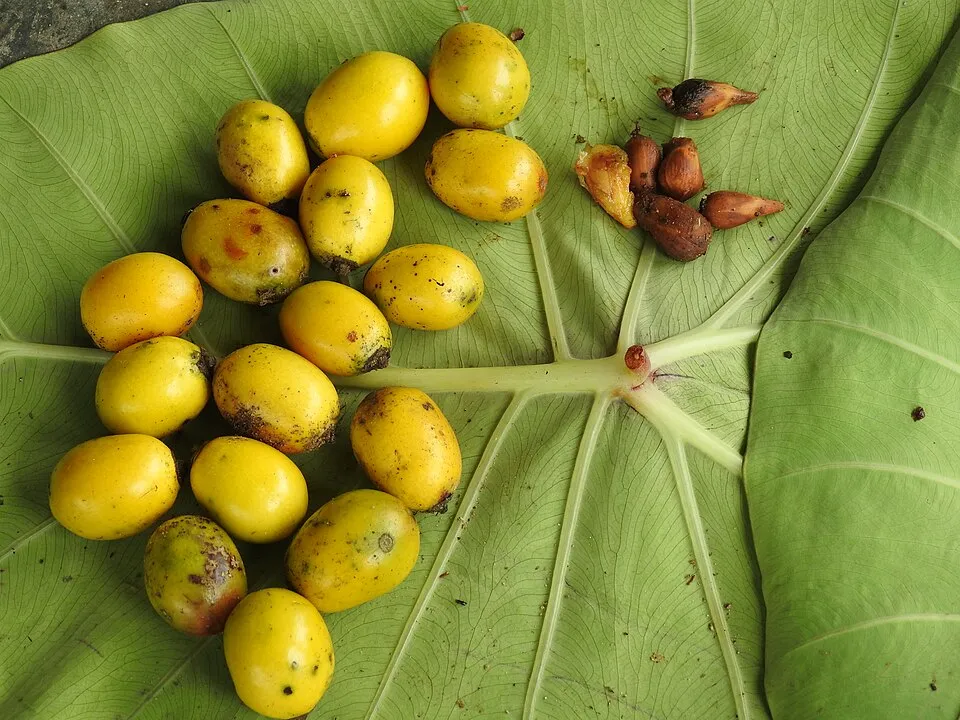
Gmelina arborea, universally recognized as Kashmari or Gambhari, is a prominent deciduous tree native to tropical and subtropical regions, particularly thriving across the Deccan Peninsula. This majestic species can ascend to impressive heights of up to 30 meters, characterized by a robust, straight trunk. Younger trees exhibit a smooth, pale gray bark that gradually transitions into a rougher, darker texture with advancing age.
Its foliage is distinctive, featuring broad, ovate leaves typically measuring 12 to 20 cm in length and 5 to 10 cm in width. The upper surface of these leaves presents a glossy dark green hue, contrasting with a lighter green underside. Between March and May, the tree adorns itself with fragrant, trumpet-shaped flowers, approximately 3 to 4 cm in diameter.
These blooms, radiating a yellowish hue with subtle purple markings, are arranged in loose racemes. Following the floral display, small, rounded drupes develop, initially green and maturing into a vibrant yellowish-orange, each containing several seeds. These fruits, about 2.5 to 3.5 cm in diameter, are the primary focus of its medicinal application.
Taxonomically, Gmelina arborea belongs to the Lamiaceae family, a classification that underscores its botanical relationships within a diverse group of aromatic and medicinal plants. It prefers well-drained soils and abundant sunlight, contributing to its widespread natural occurrence in its native habitats. Historically, Kashmari holds significant cultural and medicinal importance, particularly within the traditional Indian system of Ayurveda.
It is revered as one of the 'Dashamoola' herbs, a group of ten roots highly valued for their therapeutic properties. While the roots are known for their anti-inflammatory actions, the fruit, in particular, has been celebrated for its nourishing qualities and its profound impact on urinary health and cognitive function. This dual utility, stemming from different parts of the plant, highlights its comprehensive medicinal profile and its enduring legacy in traditional healing practices.
Trusted Scientific References
1. Authoritative external sources for Gmelina arborea fruit
1.1 Wikipedia — Gmelina arborea fruit
1.2 Kew POWO (Plants of the World Online)
1.3 PubMed — peer-reviewed research
1.4 NCBI Taxonomy Browser
1.5 GBIF — Global Biodiversity
1.1.Kashmari — Key Features
- ✓Botanical Name — Gmelina arborea (fruit)
- ✓Common Names — Kashmari, Gambhari, Malay Beechwood, White Teak
- ✓Family — Lamiaceae (formerly Verbenaceae)
- ✓Traditional System — Ayurveda (Dashamoola herb)
- ✓Primary Medicinal Part — Fruit (Kashmarya Phala)
- ✓Key Ayurvedic Properties — Medhya (brain tonic), Mutravibandhaghna (relieves dysuria), Rasayana (rejuvenating), Brumhana (nourishing)
- ✓Taste (Rasa) — Sweet (Madura), Bitter (Tikta), Astringent (Kashaya)
- ✓Qualities (Guna) — Heavy (Guru), Oily (Snigdha)
- ✓Potency (Veerya) — Cooling (Hima/Sheeta) for fruit, Hot (Ushna) for root/leaves
- ✓Post — digestive Taste (Vipaka) — Sweet (Madura) for fruit, Pungent (Katu) for root
- ✓Dosha Effect — Balances Vata and Pitta (fruit), Tridoshahara (leaves/root)
- ✓Rich in — Flavonoids, Lignans, Phytosterols, Phenolic compounds
- ✓Habitat — Tropical and subtropical regions, well-drained soils
- ✓Flowering Season — March to May
- ✓Fruit Maturation — Small, rounded drupes, maturing to yellowish-orange
1.2.Kashmari — In Brief
- ✓Gmelina arborea fruit, or Kashmari, is a key Ayurvedic herb.
- ✓Revered for its diuretic, brain tonic, and nourishing properties.
- ✓Used traditionally for urinary health, cognitive enhancement, and anti-aging.
- ✓Rich in flavonoids, lignans, and phytosterols, offering antioxidant benefits.
- ✓Part of the 'Dashamoola' group, known for balancing Vata and Pitta doshas.
- ✓Generally safe in traditional doses, but caution advised for specific populations.
- ✓Available as fruit powder, decoction, and in various Ayurvedic formulations.
- ✓Supports kidney function, hair growth, and digestive regularity.
2.Kashmari — Taxonomic Classification
3.Kashmari — Botanical Stats
4.Kashmari — Structural Profile
5.Kashmari — Where It Grows
6.Kashmari — Cultural & Traditional Roles
7.Kashmari — Active Compounds
- ✓Flavonoids — Key compounds like Apigenin are present, known for their potent antioxidant, anti-inflammatory, and neuroprotective activities, contributing to cellular defense and cognitive support.
- ✓Lignans — Gmelinol, epiedudesmin, and gmelauran are notable lignans found, which often exhibit anticancer, antiviral, and antioxidant properties, influencing various cellular pathways.
- ✓Sterols — Beta-Sitosterol is a prominent phytosterol, recognized for its cholesterol-lowowering effects, anti-inflammatory actions, and potential immune-modulating capabilities.
- ✓Phenolic Compounds — A broad category including tannins and other phenolics, these contribute significantly to the plant's antioxidant capacity, aiding in the neutralization of free radicals and protection against oxidative damage.
- ✓Fatty Acids — Butyric acid and Tartaric acid, along with non-saponifiable and saponifiable fractions, are present, playing roles in metabolic processes and contributing to the fruit's nourishing qualities.
- ✓Alkaloids — While not extensively detailed, the presence of various nitrogenous compounds may contribute to diverse pharmacological effects, often with specific physiological actions.
- ✓Glycosides — Compounds like apiosylskimmin are found, which are sugar-bound molecules that can have various therapeutic effects, including cardiac and anti-inflammatory properties upon hydrolysis.
- ✓Terpenoids — Arborone, Ardorel, and Isoarborel are examples of terpenoids, a class of compounds known for their anti-inflammatory, antimicrobial, and sometimes cytotoxic activities.
- ✓Waxes and Alcohols — Ceryl alcohol and octacosanol are components of plant waxes, contributing to the plant's protective layers and potentially offering emollient or antioxidant benefits.
- ✓Saponins — These foam-forming glycosides may contribute to the plant's diuretic and expectorant properties, and have been studied for their immune-stimulating effects.
- ✓Carbohydrates — Sugars and complex carbohydrates are present, providing nutritional value and contributing to the fruit's 'Guru' (heavy to digest) and 'Swadu' (sweet) properties.
- ✓Tannins — These astringent compounds contribute to the plant's ability to manage bleeding disorders and act as an anti-inflammatory agent by precipitating proteins and forming protective layers.
8.Kashmari — What Research Suggests
- ✓Promotes Urinary Tract Health — Kashmari fruit is highly regarded for its diuretic properties, aiding in the efficient flushing of toxins and supporting overall urinary system function. It helps maintain a healthy flow and reduces the risk of urinary discomfort.
- ✓Alleviates Dysuria — An infusion prepared from the fruit is traditionally recommended to ease painful urination, providing a soothing effect on the urinary passages and promoting more comfortable micturition.
- ✓Supports Kidney Health — In Ayurvedic practices, the fruit is utilized to address conditions such as kidney stones and to protect renal function, attributed to its ability to encourage toxin elimination and maintain fluid balance.
- ✓Acts as a Brain Tonic — The fruit possesses 'Medhya' properties, meaning it is traditionally used to enhance intelligence, memory, and overall cognitive function, contributing to mental clarity and acuity.
- ✓Offers Antioxidant Protection — Rich in various phytochemicals, Kashmari fruit provides significant antioxidant activity, which helps combat oxidative stress and protects cellular health from free radical damage.
- ✓Manages Bleeding Disorders — The fruit is considered beneficial for 'Raktapittahara' conditions, such as nasal bleeding or heavy menstrual periods, by helping to balance Pitta dosha and support blood coagulation.
- ✓Enhances Hair Growth — Known as 'Keshya', the fruit extract is believed to improve the strength and texture of hair, promoting healthy hair growth and preventing premature hair loss.
- ✓Possesses Anti-aging Properties — As a 'Rasayana' herb, Kashmari fruit is valued for its rejuvenating and anti-aging effects, supporting cell and tissue regeneration and overall vitality.
- ✓Relieves Constipation — The fruit exhibits 'Vibandaghna' properties, which means it helps to alleviate constipation by promoting healthy bowel movements and supporting digestive regularity.
- ✓Provides Nourishment and Strength — With its 'Brumhana' quality, the fruit is considered nourishing, helping to improve depleted body tissues and support overall physical strength and well-being.
- ✓Boosts Reproductive Health — 'Shukrala' properties are attributed to the fruit, indicating its traditional use in improving sperm quantity and quality, and acting as an aphrodisiac ('Vrushya').
- ✓Calms Vata Dosha — The fruit is effective in balancing Vata Dosha, which helps in alleviating discomfort associated with Vata imbalances, such as pain and neurological issues.
- ✓Reduces Excessive Thirst and Burning Sensation — Its cooling ('Hima') and sweet ('Swadu') properties make it effective in relieving 'Trushahara' (excessive thirst) and 'Dahahara' (burning sensation).
- ✓Aids in Healing Injuries — Kashmari fruit is 'Kshatahara', meaning it is useful in relieving the effects of blood loss and external injuries, promoting faster recovery.
- ✓Alleviates Inflammation — The root of Gmelina arborea, though not the primary focus of this monograph, is well-known for its potent anti-inflammatory effects ('Shothahara'), reducing pain and swelling in various conditions.
- ✓Supports Respiratory Health — Traditionally indicated in 'Urakshata' (trauma of the chest area) and 'Kshaya' (emaciation due to chronic respiratory illness), the plant supports overall respiratory well-being.
- ✓Detoxifies the Body — The plant, particularly the root, is considered 'Vishahara', possessing anti-toxic properties that aid in neutralizing and eliminating toxins from the body.
8.1.Kashmari — Therapeutic Indications
9.Kashmari — Adverse Effects
9.1.Kashmari — Caution Notes
- ✓Digestive Discomfort — Due to its 'Guru' (heavy to digest) quality, consuming large quantities of Kashmari fruit may lead to mild digestive issues or a feeling of fullness in sensitive individuals.
- ✓Increased Vata (Flowers) — The flowers are described as 'Vatala' (increasing Vata), which might be a consideration for individuals with pronounced Vata imbalances, though this is less relevant for fruit use.
- ✓Potential Drug Interactions — As with many herbs, consult a healthcare provider if taking other medications, especially allopathic drugs, to avoid potential interactions.
- ✓Allergic Reactions — Although rare, individuals sensitive to plants in the Lamiaceae family might experience allergic reactions such as skin rashes or gastrointestinal upset.
- ✓Pregnancy and Lactation — Lack of sufficient safety data advises caution; pregnant or lactating women should consult a physician before use.
- ✓Children — Dosage for children should be carefully determined by a qualified healthcare professional due to limited research on pediatric safety.
- ✓Pre-existing Conditions — Individuals with chronic health conditions, particularly severe kidney or liver disease, should seek medical advice prior to incorporating Kashmari into their regimen.
9.2.Kashmari — Safety Overview
- ✓General Safety — Gmelina arborea fruit is generally considered safe when consumed in traditional dosages as part of Ayurvedic formulations or as a standalone herb.
- ✓Consultation Recommended — Always consult with a qualified medical herbalist or healthcare professional before starting any new herbal supplement, especially if you have underlying health conditions.
- ✓Pregnancy and Breastfeeding — Due to insufficient scientific data, use is generally advised against during pregnancy and lactation unless specifically prescribed and monitored by a healthcare provider.
- ✓Pediatric Use — Not recommended for infants and young children without expert medical guidance.
- ✓Allergic Sensitivities — Individuals with known allergies to plants within the Lamiaceae family should exercise caution and monitor for adverse reactions.
- ✓Interactions with Medications — Advise patients to inform their doctor about Kashmari use, particularly if they are on blood thinners, diuretics, or medications for diabetes or blood pressure.
- ✓Dosage Adherence — Strict adherence to recommended dosages is crucial to prevent potential side effects and ensure therapeutic efficacy.
- ✓Quality Sourcing — Ensure the procurement of Kashmari products from reputable sources to guarantee purity, potency, and absence of contaminants.
- ✓Monitoring — Pay attention to any unusual symptoms or adverse reactions and discontinue use if they occur, seeking medical attention if necessary.
10.Kashmari — How to Use
- ✓Fruit Powder — Dried Kashmari fruit can be ground into a fine powder; recommended dosage is typically 1-3 grams, often mixed with honey or warm water.
- ✓Fruit Infusion — Prepare an infusion by steeping dried or fresh fruit pieces in hot water, allowing it to sit for 10-15 minutes before straining and consuming.
- ✓Decoction of Root Bark — A decoction made from the root bark is traditionally used; 50-100 ml is a common dosage, prepared by boiling the bark in water until reduced.
- ✓Leaf Paste for Headache — Fresh leaves are crushed to form a paste and applied topically on the forehead to alleviate headaches and burning sensations.
- ✓Juice with Milk and Sugar — Fresh fruit or leaf juice, combined with milk and sugar, is traditionally used for dysuria, urinary tract inflammation, and pus in urine.
- ✓Traditional Ayurvedic Formulations — Kashmari is a key ingredient in various Ayurvedic medicines like Dashamoola Kashayam, Dashamoola Taila, and Shir Shuladi Vajra Ras.
- ✓Topical Application for Pain — Crushed leaves or a poultice made from bark can be applied externally to relieve localized pain and inflammation.
- ✓Culinary Use (Limited) — In some regions, the ripe fruit may be consumed fresh, though its primary use is medicinal rather than culinary.
- ✓Oil Infusion — Medicinal oils can be prepared by infusing Kashmari fruit or root extracts into carrier oils for topical application in conditions like arthritis or neurological pains.
11.Kashmari — Propagation & Care
- ✓Soil Preference — Thrives best in deep, well-drained, sandy loam soils with good organic matter content.
- ✓Light Requirements — Prefers full sun exposure for optimal growth, requiring at least 6-8 hours of direct sunlight daily.
- ✓Climate Adaptation — Best suited for tropical and subtropical climates, intolerant to severe frost conditions.
- ✓Water Management — Requires moderate watering, especially during dry periods and establishment phase; mature trees are relatively drought-tolerant.
- ✓Propagation — Primarily propagated through seeds, which require pre-treatment (scarification or soaking) for better germination.
- ✓Planting Spacing — Young saplings should be planted with adequate spacing, typically 3-5 meters apart, to allow for canopy development.
- ✓Pruning Practices — Regular pruning is beneficial to maintain tree shape, remove dead branches, and promote healthy growth.
- ✓Fertilization — Benefits from occasional application of organic fertilizers or well-rotted compost, especially in nutrient-poor soils.
- ✓Pest and Disease Control — Generally hardy, but monitor for common pests like defoliators and stem borers; apply organic pesticides if necessary.
- ✓Harvesting — Fruits are typically harvested when they reach full maturity, indicated by their yellowish-orange color and softness.
Reviewed by the Flora Medical Global Botanical Review Panel
Multi-disciplinary editorial group · Botany · Ethnobotany · Herbal-medicine literature
Who reviewed this: This page was checked by the Flora Medical Global Botanical Review Panel — an in-house editorial group of botany graduates, ethnobotany researchers, and horticulture practitioners who collectively maintain our 7,000+ plant encyclopedia. Meet the team.
Our 4-step verification process
1. Taxonomic verification
Scientific names and synonyms cross-checked against Kew POWO, World Flora Online, and The Plant List.
2. Phytochemical & medicinal cross-reference
Active compounds, traditional uses, and reported activities are cross-referenced with PubMed, USDA Dr. Duke's database, and peer-reviewed ethnobotanical literature.
3. Conservation & distribution check
Distribution, ecology, and conservation status confirmed against GBIF occurrence records and the IUCN Red List.
4. Editorial & safety review
Every entry passes an editorial pass for clarity, originality, and safety notices (toxicity, contraindications, dosage caveats) before publication.
Last reviewed:
Important medical disclaimer: This content is for educational and research purposes only. It is not medical advice and is not a substitute for consultation with a licensed healthcare provider. Do not use any herb to self-treat a medical condition without professional guidance.
Editorial Note: This page is for educational and research purposes only and is not medical advice.
Written by: Flora Medical Global Editorial Team
Reviewed by: Flora Medical Global Botanical Review Panel
Last Updated: June 15, 2026





Kashmari — Comments & Community Reviews
Rate this plant