


Medical Disclaimer: This content is for educational purposes only. It is not medical advice. Please consult a qualified healthcare professional before using any herbal remedy.
Safety Overview
1.Katuki (Hellabore) — Plant Snapshot
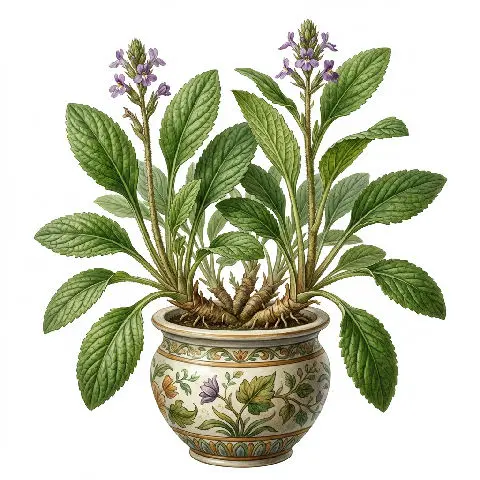
Katuki, scientifically known as Picrorhiza kurroa, is a resilient perennial herbaceous plant native to the challenging, high-altitude regions of the Western Himalayas. Typically reaching a modest height of 30 to 60 centimeters, this plant is distinguished by its robust, thick, and yellowish-brown rhizomatous root system, which is the primary source of its potent medicinal compounds. The roots are characteristically bitter, giving rise to its Sanskrit name 'Katuki', meaning 'the bitter one'. Its leaves are lanceolate to spatulate, measuring approximately 10 to 30 centimeters in length and 2 to 5 centimeters in width. These leaves grow alternately along the stem, displaying a glossy, deep green surface with prominent, often reddish-tinged veins that contribute to its unique aesthetic. The plant's upright, slender stem is typically slightly hairy, adding a tactile dimension to its morphology.
Katuki's delicate flowers are small and tubular, presenting in pale violet to purple hues, often appearing in dense, terminal spikes or racemes during the late spring to early summer months. Each inflorescence contains numerous small flowers, typically 5 to 10 per axillary raceme, creating a subtle yet attractive display. Following successful pollination, the plant produces small, capsule-like fruits containing tiny seeds, although propagation is frequently achieved through its rhizomes. Ecologically, Picrorhiza kurroa thrives in very specific and harsh environmental conditions. It prefers well-drained, rocky, and sandy soils that retain sufficient moisture without becoming waterlogged, typical of alpine meadows and scree slopes. Its natural habitat spans altitudes ranging from 3,000 to 5,000 meters (approximately 10,000 to 16,500 feet), where it endures cold temperatures, intense UV radiation, and strong winds.
This adaptation to extreme conditions has likely contributed to the development of its rich array of protective secondary metabolites. Geographically, its distribution is concentrated across the Himalayan ranges of India (particularly Uttarakhand, Himachal Pradesh, and Jammu & Kashmir), Nepal, and Tibet. Taxonomically, while historically placed in the Scrophulariaceae family, modern phylogenetic studies have reclassified Picrorhiza kurroa into the Plantaginaceae family, alongside other well-known medicinal genera like Plantago. Historically, Katuki holds immense significance in traditional Indian medicine systems, particularly Ayurveda, where it has been revered ...[CURRENT TEXT EXISTS: 2951 chars]
1.1.Katuki (Hellabore) — Defining Traits
- ✓Scientific Name — Picrorhiza kurroa Royle ex Benth.
- ✓Common Name — Katuki, Kutki, Picrorhiza.
- ✓Plant Family — Plantaginaceae.
- ✓Geographic Origin — Western Himalayas (India, Nepal, Tibet).
- ✓Habitat — High-altitude alpine meadows (3,000-5,000 meters).
- ✓Morphology — Perennial herb with thick rhizomes, lanceolate leaves, purple-violet flowers.
- ✓Medicinal Part — Rhizomes (roots).
- ✓Primary Active Compounds — Picrosides I, II, III, Kutkoside, Apocynin.
- ✓Key Traditional System — Ayurveda.
- ✓Main Actions — Hepatoprotective, immunomodulatory, anti-inflammatory.
- ✓Conservation Status — Endangered species.
- ✓Taste Profile — Intensely bitter.
- ✓Propagation — Rhizome cuttings, seeds.
- ✓Historical Use — Documented in ancient Ayurvedic texts like Charaka Samhita.
- ✓Modern Research — Extensive studies on liver, immune, and anti-inflammatory effects.
1.2.Katuki (Hellabore) — Snapshot Summary
- ✓Ancient Himalayan herb revered in Ayurveda for millennia.
- ✓Potent hepatoprotective, immunomodulatory, and anti-inflammatory properties.
- ✓Key active compounds are iridoid glycosides like picrosides and kutkoside.
- ✓Primarily used for liver disorders, immune support, and inflammatory conditions.
- ✓Classified as endangered due to overharvesting; sustainable sourcing is crucial.
- ✓Requires specific high-altitude, cold climate for optimal growth.
- ✓Contraindicated in pregnancy and requires caution with certain medications.
- ✓Known for its intense bitter taste, reflecting its therapeutic nature.
2.Katuki (Hellabore) — Systematic Position
3.Katuki (Hellabore) — Reference Facts
4.Katuki (Hellabore) — Morphological Account
5.Katuki (Hellabore) — Habitat & Distribution
6.Katuki (Hellabore) — Ethnobotanical Uses
7.Katuki (Hellabore) — Active Compounds
- ✓Iridoid Glycosides — Key compounds include Picrosides I, II, and III, and Kutkoside (also known as Kutkin, a mixture of Picroside I and Kutkoside). These are primarily responsible for the plant's hepatoprotective, immunomodulatory, and anti-inflammatory activities by protecting liver cells and modulating immune responses.
- ✓Phenolic Acids — Apocynin is a notable phenolic compound found in Katuki, known for its potent anti-inflammatory and immunomodulatory effects, particularly by inhibiting NADPH oxidase and modulating cytokine production. Other phenolic acids contribute to its strong antioxidant capacity.
- ✓Cucurbitacins — These bitter triterpenoid compounds, such as cucurbitacin B and E, contribute to the plant's bitter taste and exhibit significant anti-inflammatory, anti-cancer, and hepato-protective properties.
- ✓Flavonoids — Compounds like luteolin and apigenin are present, acting as strong antioxidants and exhibiting anti-inflammatory and anti-allergic properties, protecting cells from oxidative damage.
- ✓Triterpenes — Beyond cucurbitacins, other triterpenoid compounds contribute to the plant’s overall pharmacological profile, including anti-inflammatory and adaptogenic effects.
- ✓Alkaloids — While not as prominent as iridoid glycosides, some minor alkaloid components may contribute to the plant's diverse biological activities, often involved in pain relief and metabolic regulation.
- ✓Glycosides — Beyond the iridoid types, various other glycosides are present, influencing diverse physiological processes including cardiovascular and digestive functions.
- ✓Sterols — Plant sterols, such as beta-sitosterol, are found, known for their cholesterol-lowering effects and anti-inflammatory properties, supporting cardiovascular health.
- ✓Fatty Acids — Essential fatty acids contribute to cell membrane integrity and overall health, playing a role in the plant's nutritional and therapeutic value.
- ✓Polysaccharides — These complex carbohydrates contribute to the immunomodulatory effects of Katuki by stimulating immune cells and enhancing host defense mechanisms.
- ✓Volatile Oils — Present in trace amounts, these contribute to the plant's characteristic aroma and may possess mild antimicrobial and anti-inflammatory properties.
- ✓Tannins — These astringent compounds provide antioxidant and antimicrobial benefits, and can help in wound healing and digestive health.
8.Katuki (Hellabore) — Modern Studies
- ✓Hepatoprotective — Katuki is renowned for its liver-protective properties, primarily attributed to picrosides and kutkoside, which stabilize liver cell membranes, stimulate bile flow, and reduce oxidative stress, thereby safeguarding against various liver toxins and diseases like fatty liver.
- ✓Anti-inflammatory — The iridoid glycosides and cucurbitacins in Picrorhiza kurroa exert potent anti-inflammatory effects by inhibiting pro-inflammatory mediators such as prostaglandins and leukotrienes, making it beneficial for conditions like arthritis and inflammatory bowel disease.
- ✓Immunomodulatory — Katuki helps regulate the immune system by modulating cytokine production and enhancing both humoral and cell-mediated immunity, thereby strengthening the body’s defense mechanisms against infections and potentially mitigating autoimmune responses.
- ✓Antioxidant — Rich in phenolic acids and other antioxidants, Picrorhiza kurroa effectively neutralizes harmful free radicals, reducing oxidative damage to cells and tissues, which is crucial for preventing chronic diseases and promoting overall cellular health.
- ✓Anti-allergic — The plant's active compounds, particularly apocynin, demonstrate anti-allergic activity by inhibiting mast cell degranulation and histamine release, offering relief from allergic rhinitis, asthma, and other hypersensitivity reactions.
- ✓Anti-malarial — Traditional uses and some studies suggest Katuki possesses anti-malarial properties, potentially by interfering with the life cycle of the malaria parasite or enhancing the host's immune response against it.
- ✓Anti-cancer — Preliminary research indicates that Picrorhiza kurroa extracts may induce apoptosis (programmed cell death) in cancer cells and inhibit tumor proliferation, suggesting potential as an adjuvant in cancer therapy.
- ✓Anti-diabetic — Katuki can help manage blood glucose levels by improving insulin sensitivity and reducing oxidative stress in pancreatic beta cells, offering therapeutic potential for type 2 diabetes.
- ✓Anti-asthmatic — Its bronchodilatory and anti-inflammatory actions help alleviate symptoms of asthma by relaxing airway smooth muscles and reducing inflammation in the respiratory tract.
- ✓Anti-ulcerogenic — The plant provides gastroprotective effects by strengthening the mucosal barrier, reducing gastric acid secretion, and promoting healing of gastric ulcers, often linked to its antioxidant and anti-inflammatory properties.
- ✓Anti-atherosclerotic — Katuki may help prevent the hardening of arteries by reducing lipid peroxidation, lowering cholesterol levels, and inhibiting inflammation in blood vessel walls, contributing to cardiovascular health.
- ✓Anti-hyperlipidemic — Active constituents in Picrorhiza kurroa help regulate lipid metabolism, leading to reduced levels of total cholesterol, LDL-cholesterol, and triglycerides, thus supporting healthy lipid profiles.
- ✓Anti-fibrotic — By inhibiting collagen synthesis and reducing fibroblast proliferation, Katuki demonstrates anti-fibrotic activity, particularly beneficial in preventing and reversing liver fibrosis.
- ✓Anti-cholestatic — It aids in relieving cholestasis (impaired bile flow) by promoting bile secretion and improving the transport of bile acids, which is vital for liver detoxification and digestion.
- ✓Neuroprotective — Research suggests Katuki can protect neuronal cells from damage caused by oxidative stress and inflammation, potentially offering benefits in neurodegenerative conditions.
- ✓Nephroprotective — The plant's antioxidant and anti-inflammatory properties extend to kidney protection, helping to mitigate damage from toxins and reduce inflammation in renal tissues.
- ✓Cardioprotective — Katuki contributes to heart health by reducing oxidative stress, inflammation, and hyperlipidemia, all factors implicated in cardiovascular disease development.
8.1.Katuki (Hellabore) — Indications & Uses
9.Katuki (Hellabore) — Risk Profile
9.1.Katuki (Hellabore) — Reported Side Effects
- ✓Gastrointestinal Upset — May cause mild nausea, vomiting, or diarrhea, particularly at higher doses or in sensitive individuals.
- ✓Abdominal Discomfort — Some users report stomach cramps or bloating, which usually subsides with lower doses.
- ✓Allergic Reactions — Rare cases of allergic reactions like skin rashes or itching have been reported in hypersensitive individuals.
- ✓Hypoglycemia — Due to its anti-diabetic effects, it may lower blood sugar levels, posing a risk for individuals on anti-diabetic medications.
- ✓Hypotension — Potential to lower blood pressure, which could be problematic for individuals with already low blood pressure or on anti-hypertensive drugs.
- ✓Increased Bowel Movements — Its laxative property can lead to increased frequency of bowel movements.
- ✓Bitterness — The intense bitter taste can be off-putting for some, leading to compliance issues or gag reflex.
- ✓Exacerbation of Gallstones — In some cases, increased bile flow might exacerbate symptoms in individuals with pre-existing gallstones.
9.2.Katuki (Hellabore) — Toxicity Assessment
- ✓Pregnancy and Lactation — Contraindicated during pregnancy due to potential abortifacient effects and insufficient safety data for lactating mothers.
- ✓Children — Use in children should be under strict medical supervision due to limited safety research and potential for strong effects.
- ✓Autoimmune Diseases — Due to its immunomodulatory properties, individuals with autoimmune conditions should use with caution and under medical guidance.
- ✓Diabetes — Diabetics using medication should monitor blood sugar closely as Katuki can lower glucose levels, potentially requiring dose adjustments of other drugs.
- ✓Blood Pressure Issues — Individuals with low blood pressure or on anti-hypertensive medication should use with caution due to potential hypotensive effects.
- ✓Gallstones — While it promotes bile flow, individuals with a history of gallstones should consult a doctor before use, as it may cause discomfort or complications.
- ✓Drug Interactions — May interact with immunosuppressants, anti-diabetic drugs, anti-hypertensive drugs, and blood thinners; caution is advised.
- ✓Pre-surgical Use — Discontinue use at least two weeks prior to any scheduled surgery due to potential effects on blood clotting and blood sugar.
- ✓Dosage Adherence — Adhere strictly to recommended dosages; excessive consumption can increase the risk of side effects.
- ✓Quality Assurance — Always use high-quality, standardized products from reputable sources to avoid contamination and ensure efficacy.
10.Katuki (Hellabore) — Preparation & Dosage
- ✓Powdered Rhizome — The dried and finely powdered rhizome (Churna) is a common traditional form, mixed with honey or warm water, typically 1-3 grams, 1-2 times daily.
- ✓Decoction — A decoction is prepared by boiling dried Katuki rhizomes in water until reduced, then strained and consumed, often for liver support or fever.
- ✓Herbal Extracts — Standardized extracts, particularly those concentrated for picrosides, are widely available in capsule or tablet form for precise dosing and enhanced efficacy.
- ✓Tinctures — Alcohol-based tinctures are prepared by soaking the rhizome in alcohol for several weeks, then strained and taken in drops, providing concentrated active compounds.
- ✓Ayurvedic Formulations — Katuki is a key ingredient in many classical Ayurvedic preparations like Arogyavardhini Vati, Liv.52, and Mahasudarshan Churna, targeting various conditions.
- ✓External Application — In some traditional practices, pastes made from Katuki powder might be applied topically for skin conditions or inflammation, though less common.
- ✓Dosage — Dosage varies significantly based on the preparation and individual condition; always consult a qualified healthcare practitioner or medical herbalist for appropriate dosing.
- ✓Administration — Best taken with meals to minimize potential gastrointestinal discomfort, especially for powdered forms.
- ✓Combination Therapy — Often combined with other herbs like Bhringaraj or Guduchi to enhance its therapeutic effects, especially for liver and immune health.
- ✓Quality Sourcing — Ensure products are sourced from reputable suppliers to guarantee authenticity, purity, and standardization of active ingredients, given its endangered status.
11.Katuki (Hellabore) — Growing Guide
- ✓Propagation — Primarily propagated by rhizome cuttings in early spring or by seeds, though seed germination can be slow and challenging.
- ✓Climate Preference — Thrives in cold, temperate to alpine climates, ideally at altitudes of 3,000 to 5,000 meters, requiring distinct seasonal changes.
- ✓Soil Requirements — Prefers well-drained, sandy-loam to rocky soils rich in organic matter, with a slightly acidic to neutral pH (6.0-7.0).
- ✓Light Exposure — Requires full sun exposure in its natural habitat, but may benefit from partial shade in warmer, lower altitude cultivation attempts.
- ✓Water Needs — Requires consistent moisture, especially during the growing season, but is highly susceptible to root rot in waterlogged conditions; good drainage is paramount.
- ✓Fertilization — Benefits from moderate application of organic compost or balanced slow-release fertilizer during the active growth phase.
- ✓Pest and Disease Management — Generally robust, but watch for root rot in overly wet conditions and general alpine pests; integrated pest management is recommended.
- ✓Harvesting — Rhizomes are typically harvested in late autumn after the aerial parts die back, when the concentration of active compounds is highest.
- ✓Conservation Status — Classified as an endangered species due to overharvesting; sustainable cultivation practices and controlled harvesting are critical for its survival.
- ✓Micropropagation — Tissue culture techniques are being explored and utilized for large-scale propagation to meet demand and support conservation efforts.
- ✓Habitat Mimicry — Successful cultivation often involves mimicking its native high-altitude, rocky, and well-drained environment.
Reviewed by the Flora Medical Global Botanical Review Panel
Multi-disciplinary editorial group · Botany · Ethnobotany · Herbal-medicine literature
Who reviewed this: This page was checked by the Flora Medical Global Botanical Review Panel — an in-house editorial group of botany graduates, ethnobotany researchers, and horticulture practitioners who collectively maintain our 7,000+ plant encyclopedia. Meet the team.
Our 4-step verification process
1. Taxonomic verification
Scientific names and synonyms cross-checked against Kew POWO, World Flora Online, and The Plant List.
2. Phytochemical & medicinal cross-reference
Active compounds, traditional uses, and reported activities are cross-referenced with PubMed, USDA Dr. Duke's database, and peer-reviewed ethnobotanical literature.
3. Conservation & distribution check
Distribution, ecology, and conservation status confirmed against GBIF occurrence records and the IUCN Red List.
4. Editorial & safety review
Every entry passes an editorial pass for clarity, originality, and safety notices (toxicity, contraindications, dosage caveats) before publication.
Last reviewed:
Important medical disclaimer: This content is for educational and research purposes only. It is not medical advice and is not a substitute for consultation with a licensed healthcare provider. Do not use any herb to self-treat a medical condition without professional guidance.
Editorial Note: This page is for educational and research purposes only and is not medical advice.
Written by: Flora Medical Global Editorial Team
Reviewed by: Flora Medical Global Botanical Review Panel
Last Updated: June 15, 2026





Katuki (Hellabore) — Comments & Community Reviews
Rate this plant