

Medical Disclaimer: This content is for educational purposes only. It is not medical advice. Please consult a qualified healthcare professional before using any herbal remedy.
Safety Overview
1.Kencur — Introduction & Highlights
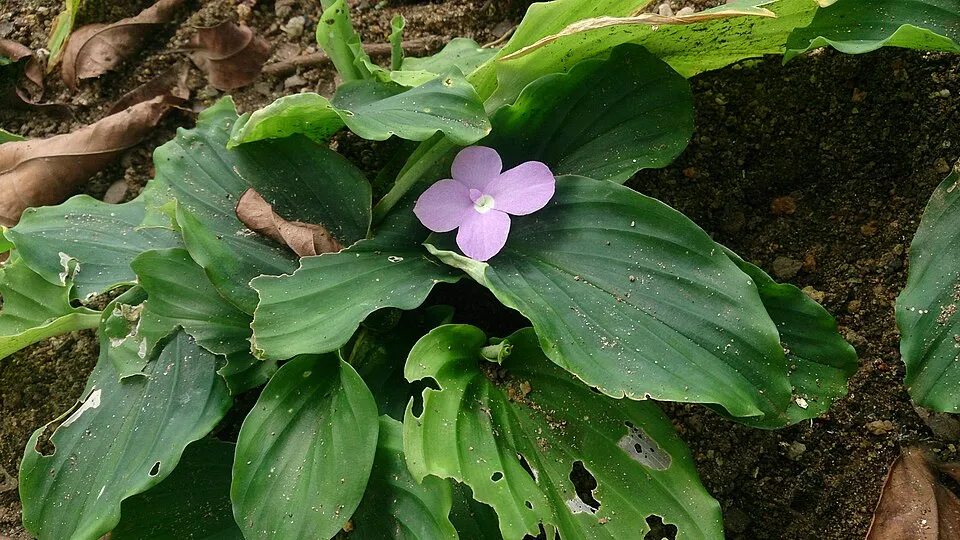
Kencur, scientifically known as Kaempferia galanga L., is an herbaceous perennial belonging to the illustrious Zingiberaceae family, which also counts ginger and turmeric among its members. This aromatic plant typically reaches a modest height of 30 to 60 centimeters, forming dense clumps of foliage that emerge directly from its subterranean rhizomes. Its striking leaves are characterized by their broad, often almost circular or ovate shape, measuring between 15 to 30 cm in length and 5 to 12 cm in width. They present a vibrant, glossy green surface with a distinct, paler midrib that runs the entire length, often lying flat or slightly spreading on the soil surface, giving the plant a unique appearance. The inflorescences of Kaempferia galanga are particularly charming, arising directly from the rhizome amidst the leaf bases.
They consist of small, delicate flowers, typically pale purple to white, often with a darker purple spot at the throat. Each flower features a three-lobed corolla, spanning approximately 4-5 cm across, and blooms sequentially, offering a prolonged period of subtle beauty. The plant's most pharmacologically significant part is its rhizome—fleshy, highly aromatic, and typically measuring 2 to 10 cm long. These rhizomes are paler in color internally compared to the external brownish skin, possessing a pungent, camphoraceous aroma and a spicy, slightly bitter taste, distinguishing them from other gingers. Kencur thrives in the warm, humid conditions of tropical and subtropical climates, preferring shaded or partially shaded environments with well-drained, rich organic soil.
Its native range is believed to be India, but it has long been widely cultivated and naturalized across various parts of Southeast Asia, including Indonesia, Malaysia, Thailand, and China. In Indonesia, it is an indispensable ingredient in traditional cuisine and herbal medicine, particularly in the preparation of 'jamu' (traditional Indonesian herbal drinks). Historically, Kaempferia galanga has been a cornerstone of ethnobotanical practices across these regions, valued not only for its culinary applications as a spice but profoundly for its diverse medicinal properties documented in traditional systems like Traditional Chinese Medicine (TCM) and Ayurvedic practices, where it has been utilized for centuries to address a myriad of ailments, cementing its role as a vital traditional remedy. Trusted Scientific References Authoritative external sources for Kaempferia gala ...[CURRENT TEXT EXISTS: 2655 chars]
1.1.Kencur — Defining Traits
- ✓Botanical Name — Kaempferia galanga L.
- ✓Common Names — Kencur, Sand Ginger, Aromatic Ginger, Resurrection Lily (though less common).
- ✓Family — Zingiberaceae (Ginger Family).
- ✓Plant Type — Perennial herbaceous rhizomatous plant.
- ✓Native Region — India, widely distributed across Southeast Asia.
- ✓Primary Medicinal Part — Aromatic rhizomes.
- ✓Distinctive Aroma — Pungent, camphoraceous, and spicy.
- ✓Key Bioactive Compound — Ethyl p-methoxycinnamate (EPMC).
- ✓Traditional Uses — Anti-inflammatory, pain relief, digestive aid, cold/cough remedy.
- ✓Growth Habit — Low-growing, broad leaves spreading on the ground.
- ✓Flower Color — Pale purple to white, often with a central purple spot.
- ✓Climate Preference — Tropical and subtropical.
- ✓Culinary Use — Essential spice in Indonesian and Malaysian cuisine.
- ✓Ethnobotanical Significance — Central to traditional healing systems like Jamu and TCM.
- ✓Research Focus — Antioxidant, anti-inflammatory, antimicrobial, and anti-cancer potential.
1.2.Kencur — Quick Summary
- ✓Kaempferia galanga is an aromatic perennial herb from the Zingiberaceae family.
- ✓Its rhizomes are the primary medicinal part, known for a pungent, camphoraceous aroma.
- ✓Rich in ethyl p-methoxycinnamate and other phenolics, flavonoids, and terpenoids.
- ✓Traditionally used for anti-inflammatory, analgesic, antimicrobial, and digestive support.
- ✓Found extensively in Southeast Asian traditional medicine, especially Indonesian Jamu.
- ✓Requires partial shade and well-drained soil in tropical to subtropical climates for cultivation.
- ✓Potential drug interactions with anticoagulants and blood pressure medications should be noted.
- ✓Offers significant antioxidant, anti-inflammatory, and potentially anti-cancer properties.
2.Kencur — Systematic Position
3.Kencur — Reference Facts
4.Kencur — Structural Profile
5.Kencur — Where It Grows
6.Kencur — Cultural & Traditional Roles
7.Kencur — Bioactive Constituents
- ✓Terpenoids — Dominated by monoterpenes and sesquiterpenes, these compounds contribute significantly to Kencur's characteristic aroma and possess anti-inflammatory, antimicrobial, and antioxidant activities. Key examples include borneol and camphor.
- ✓Phenolics — This broad class includes various phenolic acids and phenylpropanoids, acting as powerful antioxidants and contributing to the plant's anti-inflammatory and chemopreventive properties.
- ✓Flavonoids — Compounds like kaempferol and its glycosides are present, offering significant antioxidant, anti-inflammatory, and potentially anti-cancer effects by modulating enzyme activities and signaling pathways.
- ✓Diarylheptanoids — These compounds, structurally related to curcuminoids, are found in the rhizome and exhibit potent anti-inflammatory and antioxidant activities, contributing to Kencur's medicinal efficacy.
- ✓Fatty Acids and Esters — Specific fatty acid esters, such as ethyl p-methoxycinnamate (EPMC), are major active constituents, renowned for their strong anti-inflammatory, analgesic, and anti-cancer properties.
- ✓Essential Oils — The volatile oil fraction is rich in compounds like ethyl p-methoxycinnamate, methyl cinnamate, cineol, and p-methoxycinnamic acid, which collectively impart the plant's distinct fragrance and contribute to its antimicrobial and insecticidal actions.
- ✓Alkaloids — While less prominent than other classes, certain nitrogen-containing compounds may be present in trace amounts, potentially contributing to various pharmacological effects.
- ✓Saponins — These glycosides are known for their foaming properties and may possess adaptogenic, anti-inflammatory, and cholesterol-lowering effects.
- ✓Steroids — Plant sterols are present, which can have anti-inflammatory and hormone-modulating effects, though their specific role in Kencur's pharmacology is still being explored.
- ✓Polysaccharides — Complex carbohydrates found in the rhizome may contribute to immunomodulatory effects, enhancing the body's natural defenses.
- ✓Cinnamic Acid Derivatives — Beyond ethyl p-methoxycinnamate, other cinnamic acid derivatives contribute to Kencur's fragrance and pharmacological profile, including antioxidant and anti-inflammatory actions.
- ✓Cyclic Dipeptides — Identified in recent research, these compounds represent a novel class of bioactive molecules in Kencur, with their specific pharmacological roles currently under investigation.
8.Kencur — Research Insights
- ✓Anti-inflammatory Action — Kaempferia galanga rhizomes contain compounds like ethyl p-methoxycinnamate and kaempferol that significantly inhibit pro-inflammatory mediators, offering relief from conditions like rheumatism and arthritis.
- ✓Antioxidant Protection — The rich phenolic and flavonoid content of Kencur exhibits potent free-radical scavenging activity, protecting cells from oxidative damage and supporting overall cellular health.
- ✓Immune System Support — Traditional uses and modern studies suggest Kencur can modulate immune responses, enhancing the body's natural defense mechanisms against pathogens and supporting general wellness.
- ✓Analgesic (Pain Relief) — Certain extracts of Kaempferia galanga have demonstrated marked pain-relieving effects, particularly useful for headaches, toothaches, and muscle pain, likely through central and peripheral mechanisms.
- ✓Antimicrobial Properties — Kencur exhibits broad-spectrum activity against various bacteria and fungi, making it effective in traditional remedies for infections, skin conditions, and preserving food.
- ✓Digestive Aid — Traditionally, Kencur is used to alleviate digestive discomfort, including indigestion, flatulence, and stomach cramps, by promoting healthy gut motility and reducing inflammation in the digestive tract.
- ✓Antihypertensive Effects — Some research indicates that Kaempferia galanga may help manage hypertension by promoting vasodilation and influencing pathways that regulate blood pressure, contributing to cardiovascular health.
- ✓Expectorant for Respiratory Issues — Kencur is a common ingredient in traditional remedies for coughs, colds, and sore throats, acting as an expectorant to help clear mucus and ease respiratory congestion.
- ✓Antipyretic (Fever Reduction) — In traditional medicine, Kencur is applied to reduce fever, likely due to its anti-inflammatory properties that help to normalize body temperature during febrile states.
- ✓Anti-cancer Potential — Preliminary in vitro and in vivo studies suggest that various compounds in Kencur, such as ethyl p-methoxycinnamate, may possess anti-proliferative and pro-apoptotic effects on certain cancer cells, warranting further research.
- ✓Wound Healing — Topically, Kencur preparations have been used to accelerate wound healing and reduce inflammation associated with skin injuries, owing to its antimicrobial and anti-inflammatory constituents.
- ✓Anti-angiogenesis Effects — Modern pharmacological studies have identified compounds in Kencur that can inhibit angiogenesis, the formation of new blood vessels, which is relevant in conditions like tumor growth and certain inflammatory diseases.
- ✓Insecticidal Activity — Kencur extracts are recognized for their natural insecticidal properties, particularly against mosquito larvae, making it a sustainable option for pest control in some contexts.
- ✓Anti-allergic Effects — Some components of Kaempferia galanga have shown potential in modulating allergic responses, suggesting its utility in reducing symptoms associated with allergies.
8.1.Kencur — Indications & Uses
9.Kencur — Risk Profile
9.1.Kencur — Warnings
- ✓Gastrointestinal Upset — High doses may cause mild stomach discomfort, nausea, or diarrhea in sensitive individuals.
- ✓Allergic Reactions — Rare instances of skin rash, itching, or swelling have been reported in individuals sensitive to Zingiberaceae family plants.
- ✓Drowsiness — Some traditional uses suggest a mild sedative effect, which could be a concern when operating machinery.
- ✓Drug Interactions — Potential to interact with anticoagulant medications due to possible blood-thinning properties, increasing bleeding risk.
- ✓Hypotension — May potentially lower blood pressure, which could be problematic for individuals already on antihypertensive medication.
- ✓Liver Enzyme Elevation — Extremely high doses or prolonged use in animal studies have shown potential for liver enzyme changes, though human data is limited.
- ✓Skin Irritation — Undiluted essential oil or highly concentrated topical applications might cause skin irritation or sensitization in some users.
- ✓Pregnancy Concerns — Lack of sufficient safety data for pregnant women, thus generally advised against during pregnancy.
9.2.Kencur — Safety Profile
- ✓Pregnancy and Lactation — Avoid use during pregnancy and lactation due to insufficient safety data and potential uterine stimulant effects.
- ✓Anticoagulant Medications — Exercise caution if taking blood thinners (e.g., warfarin, aspirin) as Kencur may possess mild antiplatelet effects, increasing bleeding risk.
- ✓Hypotensive Agents — Individuals on blood pressure-lowering medications should use Kencur with caution, as it may further reduce blood pressure.
- ✓Gastric Sensitivity — Start with low doses, especially for individuals with sensitive stomachs or pre-existing gastrointestinal conditions.
- ✓Children — Consult a healthcare professional before administering Kencur to children, as dosage and safety data are limited.
- ✓Allergies — Individuals with known allergies to ginger, turmeric, or other Zingiberaceae plants should avoid Kencur.
- ✓Surgery — Discontinue Kencur use at least two weeks before scheduled surgery due to potential effects on blood clotting.
- ✓Topical Use — Perform a patch test before extensive topical application to check for skin sensitivity or allergic reactions.
- ✓Dosage — Adhere to recommended dosages; excessive consumption may increase the risk of adverse effects.
10.Kencur — Preparation & Dosage
- ✓Fresh Rhizome — Peel and finely slice or grate fresh Kencur rhizomes for use in culinary dishes, especially in Southeast Asian cuisine.
- ✓Herbal Tea — Steep thin slices of fresh or dried Kencur rhizome in hot water for 5-10 minutes to make a traditional herbal tea.
- ✓Powdered Form — Dried Kencur rhizomes can be ground into a fine powder, which is convenient for encapsulation, tinctures, or adding to food.
- ✓Jamu (Traditional Indonesian Drink) — Combine Kencur with other herbs, spices, and sweeteners to create traditional wellness tonics.
- ✓Topical Paste — Crush fresh rhizomes to make a paste for external application on sore muscles, inflamed joints, or minor skin irritations.
- ✓Essential Oil — Kencur essential oil, extracted from the rhizomes, is used in aromatherapy and as a topical liniment (diluted).
- ✓Tinctures — Prepare alcoholic extracts (tinctures) from dried Kencur rhizomes for concentrated internal use.
- ✓Culinary Spice — Incorporate Kencur into marinades, curries, stir-fries, and soups to impart its unique aromatic and peppery flavor.
- ✓Herbal Compress — Soak a cloth in Kencur tea or a diluted tincture and apply as a warm compress to affected areas for pain relief.
- ✓Decoction — Boil sliced rhizomes in water for an extended period (15-30 minutes) to create a stronger medicinal decoction.
11.Kencur — Growing Guide
- ✓Climate Preference — Thrives in tropical to subtropical climates with high humidity and consistent warmth, ideally between 20-30°C (68-86°F).
- ✓Sunlight Requirements — Prefers partial shade; direct, intense sunlight can scorch the leaves, especially in hotter regions.
- ✓Soil Type — Requires well-drained, fertile, loose, and humus-rich soil with a slightly acidic to neutral pH (6.0-7.0).
- ✓Propagation — Primarily propagated by dividing the rhizomes; each section should have at least one 'eye' or bud.
- ✓Planting Depth and Spacing — Plant rhizome sections 5-7 cm (2-3 inches) deep and 20-30 cm (8-12 inches) apart to allow for growth.
- ✓Watering — Needs consistent moisture; keep the soil evenly damp but avoid waterlogging, which can lead to rhizome rot.
- ✓Fertilization — Benefit from regular feeding with organic compost or balanced slow-release fertilizer during the growing season.
- ✓Pest and Disease Management — Generally robust, but watch for common ginger pests like rhizome borers and fungal diseases in overly wet conditions.
- ✓Harvesting — Rhizomes are typically ready for harvest 8-10 months after planting, usually when the leaves start to yellow and die back.
- ✓Container Growing — Can be successfully grown in pots, especially in non-tropical zones, allowing for overwintering indoors.
Reviewed by the Flora Medical Global Botanical Review Panel
Multi-disciplinary editorial group · Botany · Ethnobotany · Herbal-medicine literature
Who reviewed this: This page was checked by the Flora Medical Global Botanical Review Panel — an in-house editorial group of botany graduates, ethnobotany researchers, and horticulture practitioners who collectively maintain our 7,000+ plant encyclopedia. Meet the team.
Our 4-step verification process
1. Taxonomic verification
Scientific names and synonyms cross-checked against Kew POWO, World Flora Online, and The Plant List.
2. Phytochemical & medicinal cross-reference
Active compounds, traditional uses, and reported activities are cross-referenced with PubMed, USDA Dr. Duke's database, and peer-reviewed ethnobotanical literature.
3. Conservation & distribution check
Distribution, ecology, and conservation status confirmed against GBIF occurrence records and the IUCN Red List.
4. Editorial & safety review
Every entry passes an editorial pass for clarity, originality, and safety notices (toxicity, contraindications, dosage caveats) before publication.
Last reviewed:
Important medical disclaimer: This content is for educational and research purposes only. It is not medical advice and is not a substitute for consultation with a licensed healthcare provider. Do not use any herb to self-treat a medical condition without professional guidance.
Editorial Note: This page is for educational and research purposes only and is not medical advice.
Written by: Flora Medical Global Editorial Team
Reviewed by: Flora Medical Global Botanical Review Panel
Last Updated: June 15, 2026





Kencur — Comments & Community Reviews
Rate this plant