


Medical Disclaimer: This content is for educational purposes only. It is not medical advice. Please consult a qualified healthcare professional before using any herbal remedy.
Safety Overview
1.Kigelia — Botanical Snapshot
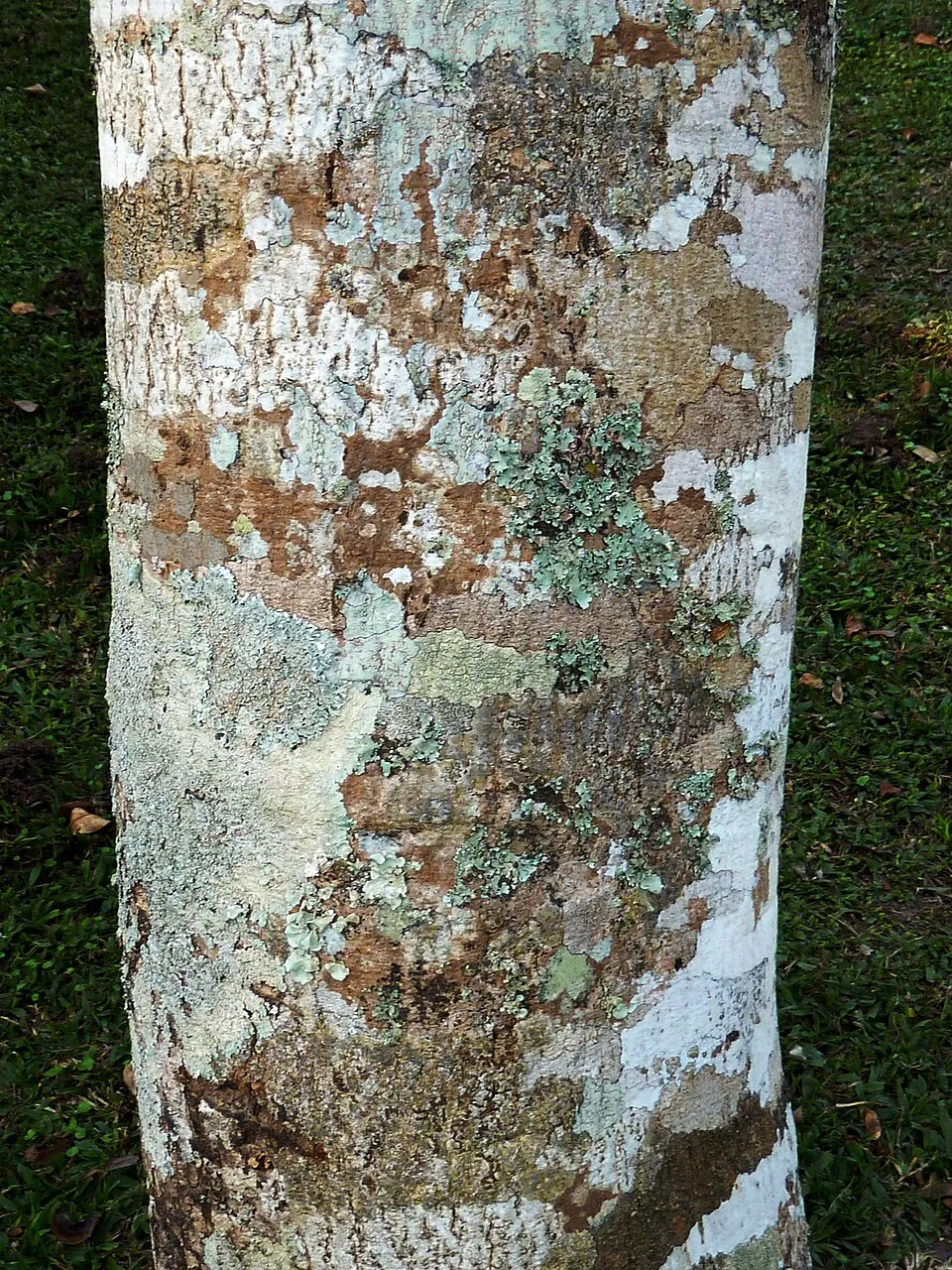
Kigelia africana, widely recognized by its evocative common name, the sausage tree, is a magnificent and distinctive arboreal species native to the tropical regions of Africa. This striking tree typically attains imposing heights of 10 to 20 meters, though some specimens can reach up to 25 meters, forming a broad, spreading canopy. Its botanical profile is characterized by large, pinnate leaves, which can measure an impressive 20 to 60 cm in length. Each leaf is composed of several broad, ovate leaflets, contributing to the tree's lush and verdant appearance. The foliage provides ample shade, a welcome feature in its warm native habitat. One of the most captivating features of Kigelia africana is its unique inflorescence. The flowers are tubular, large, and pendulous, hanging in long racemes that can extend several feet from the branches.
Their coloration ranges from creamy yellow to a deep, rich purple-red, often with prominent venation, creating a striking visual contrast. These nocturnal blooms emit a slightly unpleasant scent, specifically adapted to attract their primary pollinators: bats and various nocturnal insects, which play a crucial role in the tree's reproductive cycle. The bark of the sausage tree is rough-textured and dark brown, often exhibiting a distinctive striped or mottled pattern as it matures, adding to its rugged charm. However, the most iconic and eponymous feature of Kigelia africana is undeniably its fruit. These massive, woody fruits are elongated and cylindrical, remarkably resembling large sausages or gourds, hence the common name. They can grow to an astonishing length of up to 60 cm and weigh as much as 3 to 7 kilograms. Initially, the fruits are green, but as they ripen, they transition to a dull brownish hue before eventually dropping to the ground.
Unlike many fruits, Kigelia africana fruits are not typically consumed by humans in their raw state due to their purgative properties when fresh. Geographically, Kigelia africana boasts a pan-African distribution, thriving across a wide range of tropical African countries. It is commonly found in wooded grasslands, savannas, and particularly along riverbanks and floodplains, where the soil is typically well-drained but receives adequate moisture. The tree's resilience and adaptability allow it to flourish in diverse environments within its tropical to subtropical climatic zones. Taxonomically, Kigelia africana belongs to the family Bignoniaceae, a diverse group that also includ ...[CURRENT TEXT EXISTS: 3131 chars]
1.1.Kigelia — Highlights
- ✓Unique Sausage — Shaped Fruits — The most distinctive morphological characteristic.
- ✓Pan — African Distribution — Native across a wide range of tropical African regions.
- ✓Potent Anti — inflammatory Properties — Supported by both traditional use and scientific study.
- ✓Effective Wound Healer — Traditionally used for centuries on various skin lesions.
- ✓Rich Phytochemical Profile — Abundant in naphthoquinones, flavonoids, and iridoids.
- ✓Traditional African Medicine Staple — Deeply integrated into local healing practices.
- ✓Ornamental Value — Cultivated for its striking appearance and unusual fruits.
- ✓Adaptable Growth — Thrives in diverse conditions from savannas to riverbanks.
- ✓Antimicrobial Activity — Compounds effective against bacteria and fungi.
- ✓Skin Health Benefits — Widely utilized in natural cosmetic and dermatological products.
- ✓Analgesic Effects — Provides pain relief, often linked to its anti-inflammatory actions.
- ✓Large Deciduous Tree — Reaches significant heights, offering substantial shade.
- ✓Bat — Pollinated Flowers — Unique tubular, pendulous blooms attracting nocturnal pollinators.
- ✓Source of Natural Fibers — Its cellulosic fibers are explored for industrial applications.
1.2.Kigelia — At-a-Glance Summary
- ✓Kigelia africana, the 'Sausage Tree', is an iconic African medicinal plant.
- ✓Known for its distinctive, large, sausage-shaped fruits.
- ✓Traditionally used for wound healing, skin ailments, and anti-inflammatory support.
- ✓Rich in naphthoquinones, flavonoids, and iridoids with potent bioactivities.
- ✓Offers significant anti-inflammatory, analgesic, and antimicrobial properties.
- ✓Primarily used topically; raw fruit is toxic and should not be ingested.
- ✓Thrives in tropical African savannas and riverine areas.
- ✓Modern research validates many traditional uses, especially for skin health.
2.Kigelia — Botanical Identity
3.Kigelia — Key Data
4.Kigelia — Physical Description
5.Kigelia — Native Range & Habitat
6.Kigelia — Folk Medicine Applications
7.Kigelia — Chemical Profile
- ✓Naphthoquinones — Key compounds include kigelinole, isokigelinole, pinnatal, isopinnatal, and lapachol. These are renowned for their potent antimicrobial, anti-inflammatory, and cytotoxic activities, contributing significantly to the plant's medicinal efficacy, particularly against bacteria and fungi.
- ✓Dihydroisocoumarins — Compounds like 6-methoxymellein are found, which have demonstrated notable anti-inflammatory and antioxidant properties. They play a role in the plant's ability to reduce swelling and protect against cellular damage.
- ✓Flavonoids — A diverse group of polyphenolic compounds present in Kigelia africana, offering strong antioxidant, anti-inflammatory, and antiviral effects. They contribute to immune support and overall cellular protection.
- ✓Aldehydic Iridoids — Including verminoside, these compounds are known for their anti-inflammatory, analgesic, and potential anti-cancer activities. Verminoside, in particular, has been isolated from the fruit and studied for its pharmacological actions.
- ✓Phytosterols — Compounds such as stigmasterol and β-sitosterol are present, contributing to anti-inflammatory effects and potentially supporting cardiovascular health. These plant sterols can also play a role in modulating immune responses.
- ✓Phenolic Acids — Ferulic acid is a prominent example, providing significant antioxidant and anti-inflammatory benefits. Phenolic acids are crucial for scavenging free radicals and protecting cells from oxidative stress.
- ✓Alkaloids — While specific alkaloids are less extensively characterized compared to other classes, their presence suggests potential analgesic and anti-inflammatory activities, common roles for alkaloids in medicinal plants.
- ✓Terpenoids — This broad class of compounds contributes to the plant's aromatic profile and often possesses anti-inflammatory, antimicrobial, and insecticidal properties, enhancing the plant's defense mechanisms and medicinal value.
- ✓Kigelin — Identified as a major component (C12H14), kigelin is a unique phenolic compound (likely an isocoumarin derivative) isolated from the plant, believed to contribute to its various pharmacological actions, particularly in skin applications.
- ✓Saponins — These glycosides are known for their detergent-like properties and can exhibit anti-inflammatory and immune-stimulating effects, though they can also cause gastrointestinal irritation in high doses.
- ✓Tannins — Astringent compounds that contribute to wound healing and anti-diarrheal properties by forming protective layers on mucous membranes and precipitating proteins, offering antimicrobial benefits.
8.Kigelia — Pharmacological Findings
- ✓Anti-inflammatory Support — Kigelia africana has demonstrated significant anti-inflammatory properties, particularly through its ability to inhibit iNOS expression and nitric oxide release, as well as influencing prostaglandin pathways. This makes it traditionally useful for reducing swelling and discomfort associated with conditions like rheumatism and inflammatory skin issues.
- ✓Analgesic Activity — Extracts from Kigelia africana have shown marked pain-relieving effects, often comparable to conventional analgesics. This action is attributed to its anti-inflammatory mechanisms, helping to alleviate pain stemming from inflammation in various parts of the body.
- ✓Wound Healing Acceleration — Traditionally, the fruit and bark of the sausage tree are applied topically to promote the healing of wounds, sores, and ulcers. Its antimicrobial and anti-inflammatory compounds contribute to faster tissue regeneration and protection against infection.
- ✓Skin Condition Management — Kigelia africana is highly valued in traditional African medicine for treating a wide array of skin ailments, including eczema, psoriasis, fungal infections, and even certain skin cancers. Its rich phytochemical profile offers antioxidant, anti-inflammatory, and antimicrobial benefits directly to the affected skin.
- ✓Antimicrobial Properties — The plant contains various compounds, such as naphthoquinones, that exhibit potent antimicrobial activity against bacteria and fungi. This supports its traditional use in treating venereal diseases, dysentery, and other infections.
- ✓Antioxidant Protection — Kigelia africana is rich in flavonoids and phenolic acids, powerful antioxidants that combat oxidative stress and neutralize free radicals. This protective action contributes to overall cellular health and can help prevent chronic diseases.
- ✓Immune System Modulation — Traditional uses suggest a role in bolstering general wellness and immune support. While specific mechanisms are still under research, the plant's broad spectrum of bioactive compounds likely contributes to enhancing the body's natural defenses.
- ✓Digestive Health Support — Historically, the bark has been used to treat digestive complaints like dysentery and constipation. Its properties may help regulate gut function and reduce inflammation in the gastrointestinal tract.
- ✓Treatment of Abscesses and Boils — Topical applications of poultices made from Kigelia africana are traditionally used to draw out pus and promote the healing of abscesses and boils, leveraging its anti-inflammatory and antiseptic qualities.
- ✓Management of Rheumatic Swellings — Due to its potent anti-inflammatory and analgesic effects, the plant is a common remedy for rheumatic swellings and joint pain in traditional medicine, offering relief from chronic discomfort.
- ✓Relief from Stomach Ache — Decoctions of certain plant parts have been used to alleviate stomach aches, suggesting antispasmodic or anti-inflammatory effects on the gastrointestinal system.
- ✓Febrifuge Action — In some traditional practices, Kigelia africana is employed as a febrifuge to reduce fevers, likely due to its general anti-inflammatory and immune-modulating effects that help the body fight off infections.
- ✓Anti-dysenteric Effects — The bark and root extracts are traditionally used to treat dysentery, indicating potential antimicrobial activity against intestinal pathogens and anti-inflammatory action on the gut lining.
- ✓Support for Venereal Diseases — Historically, the bark of Kigelia africana has been applied topically or consumed orally in some regions for the treatment of venereal diseases, suggesting broad-spectrum antimicrobial properties.
- ✓Elephantiasis Management — In certain traditional systems, the plant has been used to manage symptoms of elephantiasis, though the mechanism is not fully elucidated, it likely involves anti-inflammatory and lymphatic support.
8.1.Kigelia — Reported Uses
9.Kigelia — Cautions & Contraindications
9.1.Kigelia — Possible Adverse Reactions
- ✓Skin Irritation — Topical application, especially of fresh fruit, can cause skin sensitivity, redness, or allergic reactions in some individuals. Always perform a patch test before widespread use.
- ✓Gastrointestinal Upset — Oral consumption of Kigelia africana, particularly the raw fruit, can be highly purgative and lead to severe diarrhea, vomiting, and abdominal cramps.
- ✓Allergic Reactions — As with any plant material, individuals may experience allergic responses, including itching, rash, or, in rare cases, more severe systemic reactions.
- ✓Photosensitivity — Some phytochemicals might induce photosensitivity, increasing susceptibility to sunburn when exposed to sunlight after topical application.
- ✓Potential Toxicity — The raw fruit is considered toxic and should not be ingested. The safety of processed extracts for internal use is not fully established, and caution is advised.
- ✓Drug Interactions — Active compounds in Kigelia africana may interact with medications, particularly blood thinners, immunosuppressants, or drugs metabolized by the liver. Consult a healthcare provider.
- ✓Reproductive Concerns — Due to insufficient safety data, internal use is contraindicated during pregnancy and breastfeeding, as potential effects on fetal development or infants are unknown.
- ✓Hepatotoxicity — While not conclusively proven, the presence of certain compounds suggests a theoretical risk of liver stress with prolonged or high-dose internal use, warranting caution.
9.2.Kigelia — Safety Profile
- ✓Expert Consultation — Always consult a qualified medical herbalist or healthcare professional before using Kigelia africana, especially for internal applications or chronic conditions.
- ✓Topical Use Primary — The primary and safest traditional use for Kigelia africana is topical application. Oral use of raw fruit is strictly contraindicated due to toxicity.
- ✓Patch Testing — Before applying any Kigelia preparation extensively to the skin, perform a small patch test on an inconspicuous area to check for allergic reactions or irritation.
- ✓Pregnancy and Lactation — Internal use of Kigelia africana is contraindicated during pregnancy and breastfeeding due to a lack of safety data and potential abortifacient properties.
- ✓Children and Infants — Avoid internal use in children and infants. Topical use should be approached with extreme caution and under professional guidance due to sensitive skin.
- ✓Pre-existing Conditions — Individuals with liver disease, kidney conditions, or other serious health issues should avoid internal use and exercise caution with topical applications.
- ✓Avoid Raw Fruit Ingestion — The raw fruit of Kigelia africana is known to be toxic and highly purgative; it should never be consumed directly.
- ✓Quality and Purity — Source Kigelia africana products from reputable suppliers to ensure purity, absence of contaminants, and proper identification of plant material.
- ✓Drug Interactions — Be aware of potential interactions with pharmaceutical medications, particularly those affecting blood clotting, liver enzymes, or immune function.
10.Kigelia — Preparations & Uses
- ✓Topical Poultices — Fresh or dried fruit pulp or bark can be crushed and mixed with a small amount of water to form a paste. This poultice is applied directly to wounds, ulcers, skin lesions, abscesses, or inflammatory swellings.
- ✓Bark Decoctions — Dried bark pieces are boiled in water for an extended period (e.g., 15-30 minutes) to create a concentrated liquid. This decoction is traditionally consumed orally for dysentery, venereal diseases, or stomach aches, or used externally as a wash.
- ✓Leaf Infusions — Fresh or dried leaves are steeped in hot water for 10-15 minutes to make an infusion. This is typically used as a milder internal remedy or as a topical wash for minor skin irritations.
- ✓Fruit Extracts for Skin Creams — Modern preparations often involve alcoholic or aqueous extracts of the fruit, incorporated into lotions, creams, and ointments for anti-aging, firming, and skin-healing benefits.
- ✓Root Preparations — Roots can be prepared as decoctions or tinctures, traditionally used for more systemic issues, including fevers and certain infections, though less common than bark or fruit.
- ✓Traditional Washes — Diluted decoctions or infusions are used as antiseptic washes for cleaning wounds, treating skin infections, or as a bath additive for rheumatic pains.
- ✓Tinctures — Alcoholic extracts of various plant parts are prepared by soaking the plant material in alcohol for several weeks. Tinctures offer a concentrated form for internal or external application, used under professional guidance.
- ✓Powdered Material — Dried and finely ground bark or fruit can be encapsulated for oral consumption (with caution) or mixed into a paste for topical use.
- ✓Oil Macerations — Plant parts can be macerated in carrier oils (e.g., olive oil) to extract fat-soluble compounds, creating infused oils suitable for massage into painful joints or dry skin.
11.Kigelia — Garden Cultivation
- ✓Climatic Requirements — Kigelia africana thrives in tropical to subtropical climates, preferring warm temperatures and adequate humidity. It is sensitive to frost and performs best in frost-free regions.
- ✓Sunlight Exposure — Requires full sun exposure for optimal growth and fruit production. Ensure the plant receives at least 6-8 hours of direct sunlight daily.
- ✓Soil Preference — Prefers well-drained, fertile soil, ideally with a sandy-loam texture. It can tolerate a range of soil types but performs poorly in waterlogged conditions.
- ✓Watering Regimen — Young trees require regular watering to establish. Mature trees are relatively drought-tolerant but benefit from consistent moisture, especially during dry spells and flowering/fruiting periods.
- ✓Propagation from Seeds — Seeds can be germinated after scarification or soaking to break dormancy. Sow in well-draining seed compost and keep warm and moist.
- ✓Propagation from Cuttings — Can also be propagated from semi-hardwood cuttings, though success rates can vary. Rooting hormones may aid establishment.
- ✓Space Requirements — Due to its large size and spreading canopy, Kigelia africana needs ample space, making it suitable for large gardens, parks, or as a roadside tree.
- ✓Fertilization — Benefits from a balanced slow-release fertilizer during its active growing season, especially for young trees or those in nutrient-poor soils.
- ✓Pruning — Minimal pruning is generally required, mainly for shaping or removing dead/diseased branches. Prune after the fruiting season.
- ✓Pest and Disease Management — Generally robust, but monitor for common tree pests like aphids or scale insects, and fungal diseases in overly humid conditions. Implement organic pest control methods if necessary.
Reviewed by the Flora Medical Global Botanical Review Panel
Multi-disciplinary editorial group · Botany · Ethnobotany · Herbal-medicine literature
Who reviewed this: This page was checked by the Flora Medical Global Botanical Review Panel — an in-house editorial group of botany graduates, ethnobotany researchers, and horticulture practitioners who collectively maintain our 7,000+ plant encyclopedia. Meet the team.
Our 4-step verification process
1. Taxonomic verification
Scientific names and synonyms cross-checked against Kew POWO, World Flora Online, and The Plant List.
2. Phytochemical & medicinal cross-reference
Active compounds, traditional uses, and reported activities are cross-referenced with PubMed, USDA Dr. Duke's database, and peer-reviewed ethnobotanical literature.
3. Conservation & distribution check
Distribution, ecology, and conservation status confirmed against GBIF occurrence records and the IUCN Red List.
4. Editorial & safety review
Every entry passes an editorial pass for clarity, originality, and safety notices (toxicity, contraindications, dosage caveats) before publication.
Last reviewed:
Important medical disclaimer: This content is for educational and research purposes only. It is not medical advice and is not a substitute for consultation with a licensed healthcare provider. Do not use any herb to self-treat a medical condition without professional guidance.
Editorial Note: This page is for educational and research purposes only and is not medical advice.
Written by: Flora Medical Global Editorial Team
Reviewed by: Flora Medical Global Botanical Review Panel
Last Updated: June 15, 2026





Kigelia — Comments & Community Reviews
Rate this plant